A Yukata Stroll through Kinosaki: Traditional Straw Craft, Nostalgic Streets, and Local Food
- Date posted
- 2026.11.15
- Date last updated
- 2026.11.18
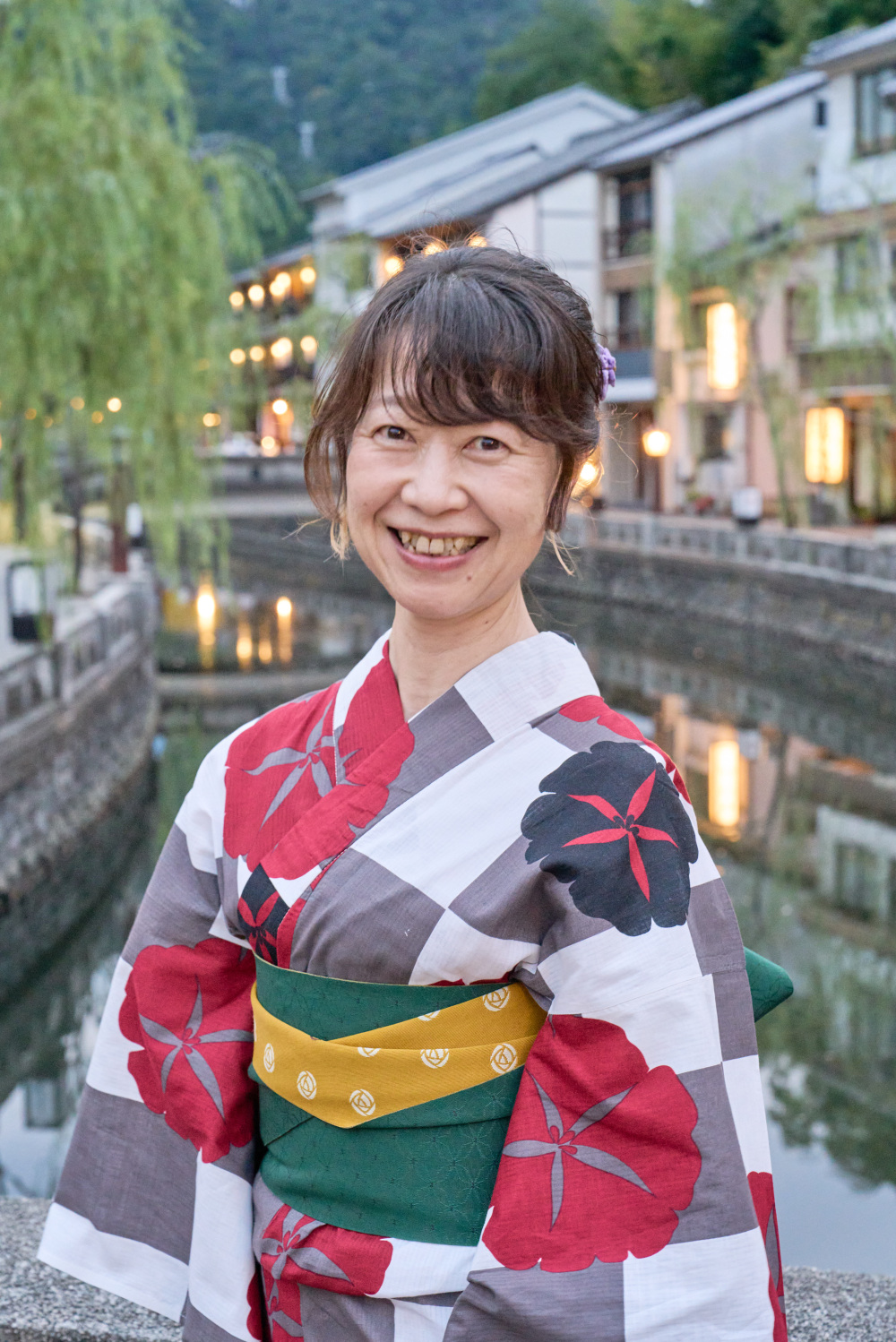
An architectural and packaging designer based in Nishinomiya, Hyogo, working throughout Japan.
Raised in a family where kimono and other Japanese traditions were part of everyday life, she launched the one-of-a-kind accessory brand Kazariya Hirobei with her mother in 2002. Their pieces combine antique Japanese components and kimono and obi fabrics with contemporary elements. Her solo exhibitions and events have attracted admirers in Japan and overseas. She also holds workshops every month.
Kazariya Hirobei on Instagram: @kazariyahirobei
- Nationality
- Osaka Prefecture
- Hobbies
- Traditional performing arts, intercultural exchange, and handcrafts
INDEX
Show More
- A Whole Town as One Welcoming Inn
- Find Your Favorite Yukata at Iroha and Step Out in Style
- Try a Unique Edo-Period Craft at the Kinosaki Straw Craft Museum
- Willows, Arched Bridges, and Three Treats to Try on Your Walk
- Cute, Rounded Buttercream Dorayaki at Book Cafe Un
- Akaishiya’s Original Rice Crackers in Stylish Packaging
- Bread or Cake? The Egg Bread at Motosue Kinosaki Sohonke
- Frequently Asked Questions
- Visitor Information
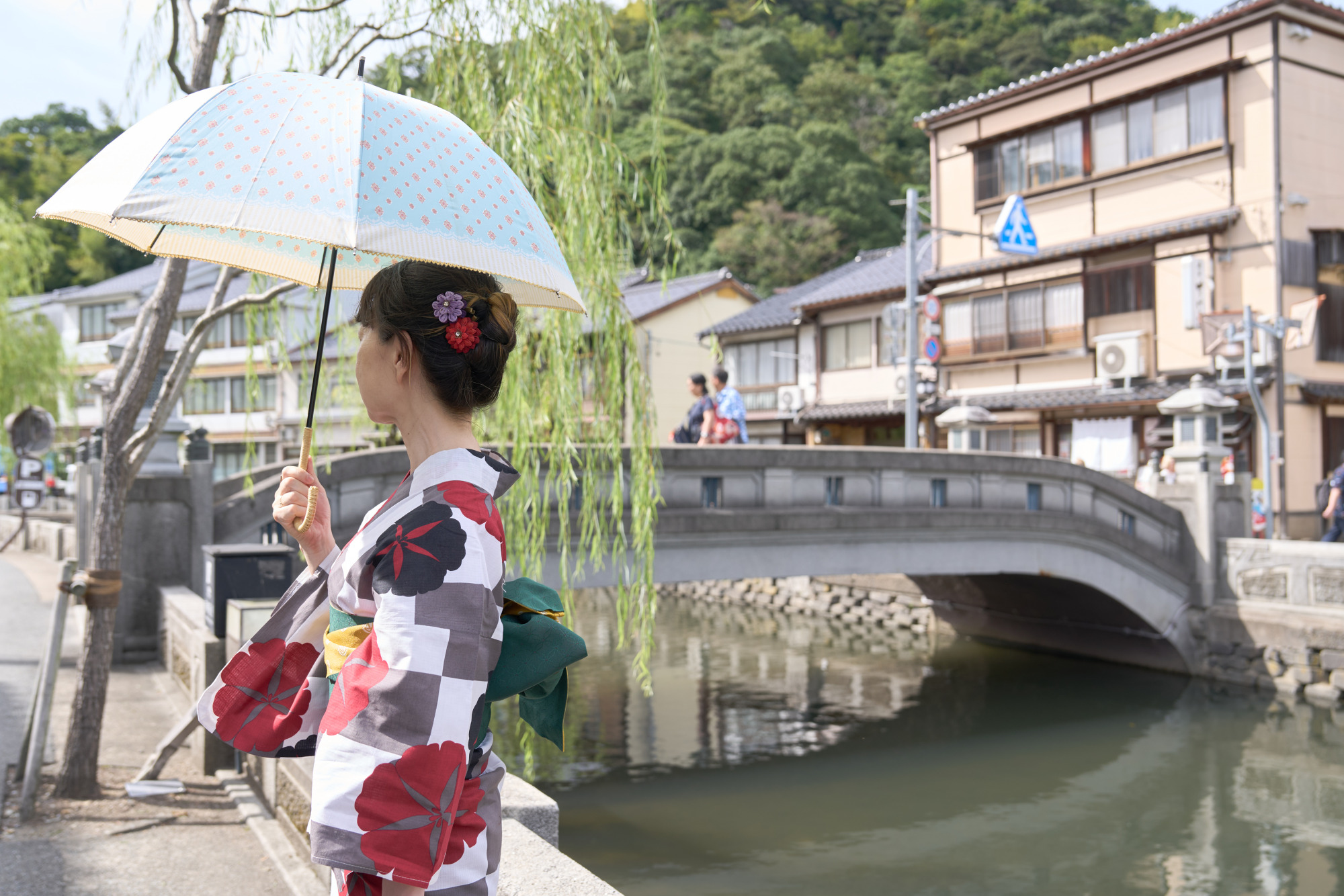
With a hot spring history stretching back 1,300 years, Kinosaki Onsen is also home to mugiwara zaiku, a traditional straw craft passed down here for over 300 years since the Edo period (1603–1868). Kinosaki is the only place in Japan where this particular craft is still practiced. We join Chiharu Ota, an architectural and packaging designer who also creates one-of-a-kind accessories from antique components and kimono fabrics, for a stroll through Kinosaki—from trying traditional straw craft to exploring the town in a colorful yukata and sampling delicious food along the willow-lined river!
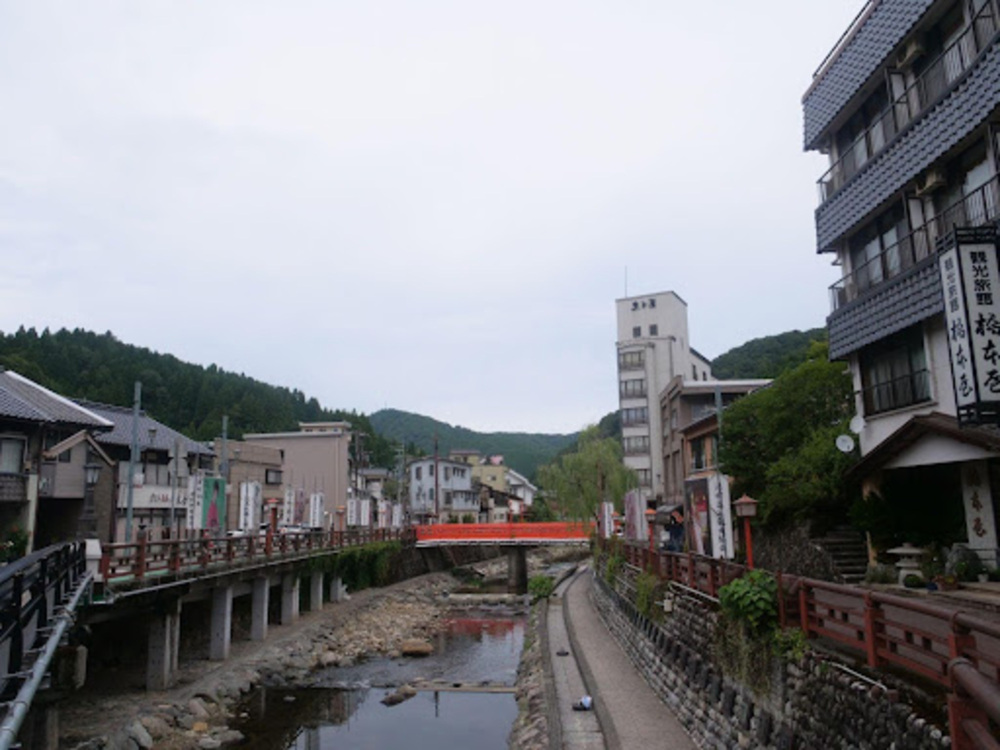
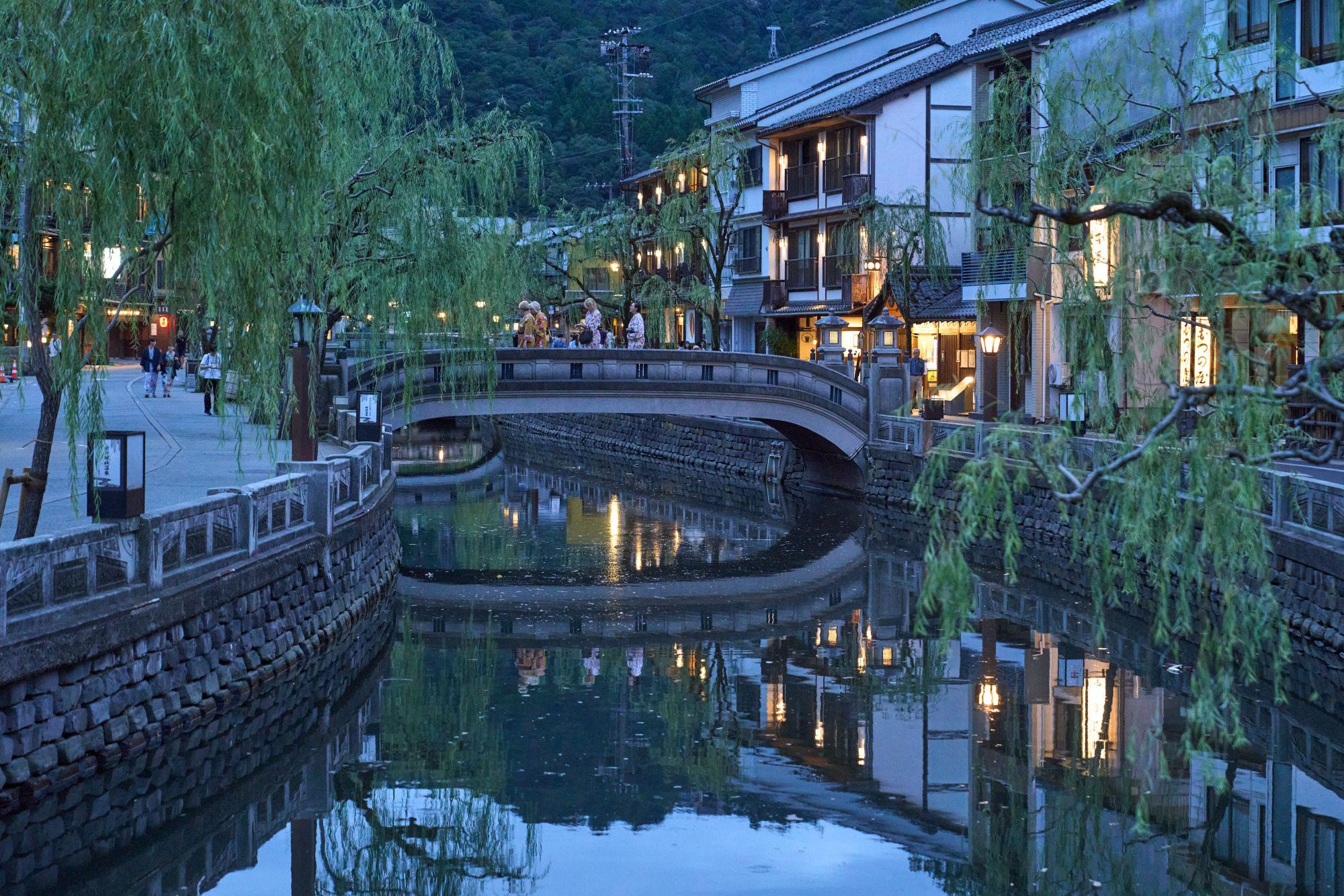 An arched bridge over the Otani River.
A Whole Town as One Welcoming Inn
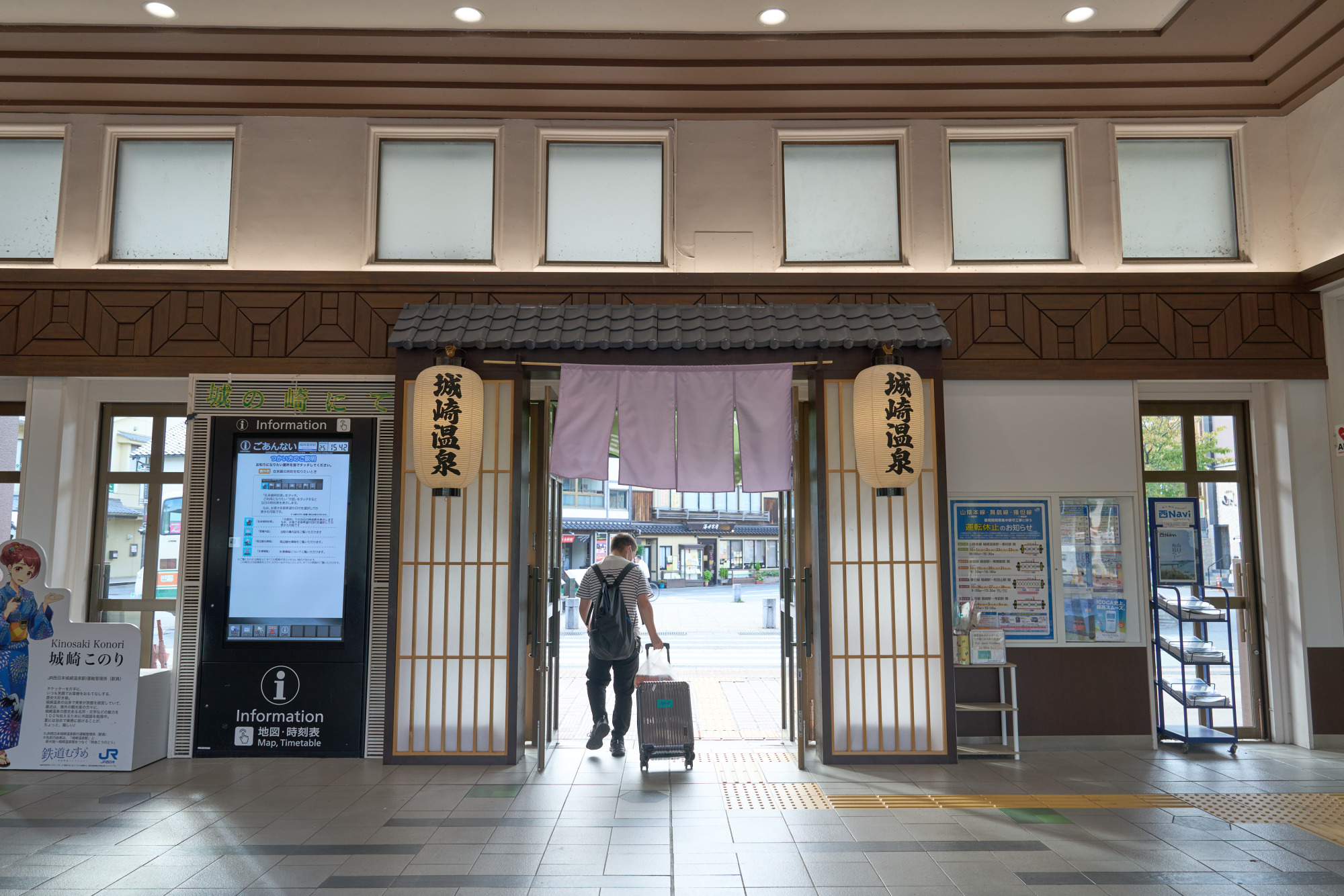 Lanterns and a noren fabric curtain at JR Kinosaki Onsen Station on the San’in Main Line.
Beloved by generations of writers, including Naoya Shiga, author of the short story At Kinosaki, this town has a distinctive philosophy: the whole town is one large inn. The station is the entrance, the streets are the hallways, the ryokan inns are the guest rooms, and the town’s seven public hot spring bathhouses are the communal baths (see Note). From the moment I step off the train, the warm welcome and nostalgic atmosphere lift my spirits.
※Note: Satono-yu is closed for an extended period for rebuilding.
https://www.city.toyooka.lg.jp/shisei/1027491/1027492/1028406/1028125.html
Find Your Favorite Yukata at Iroha and Step Out in Style
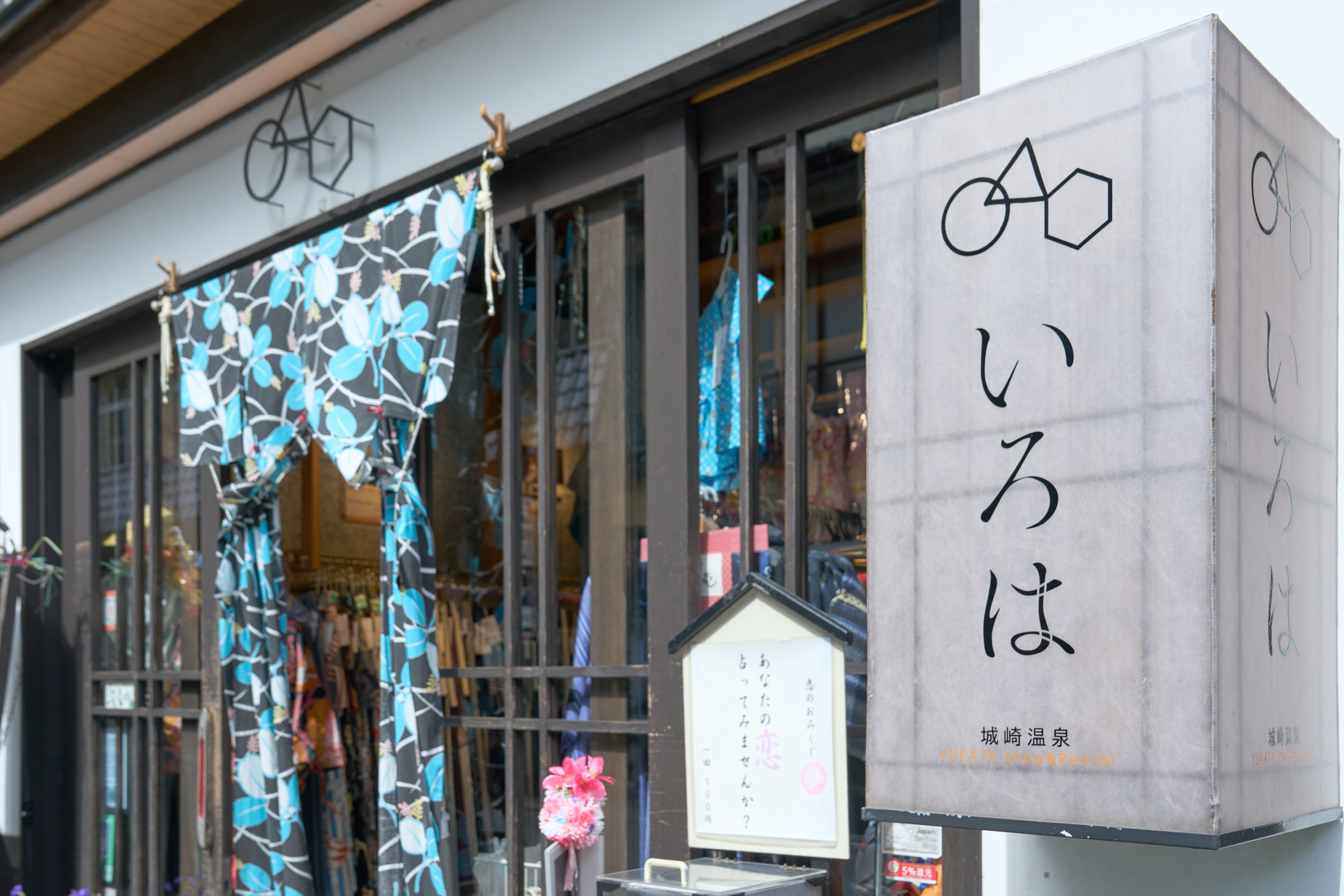
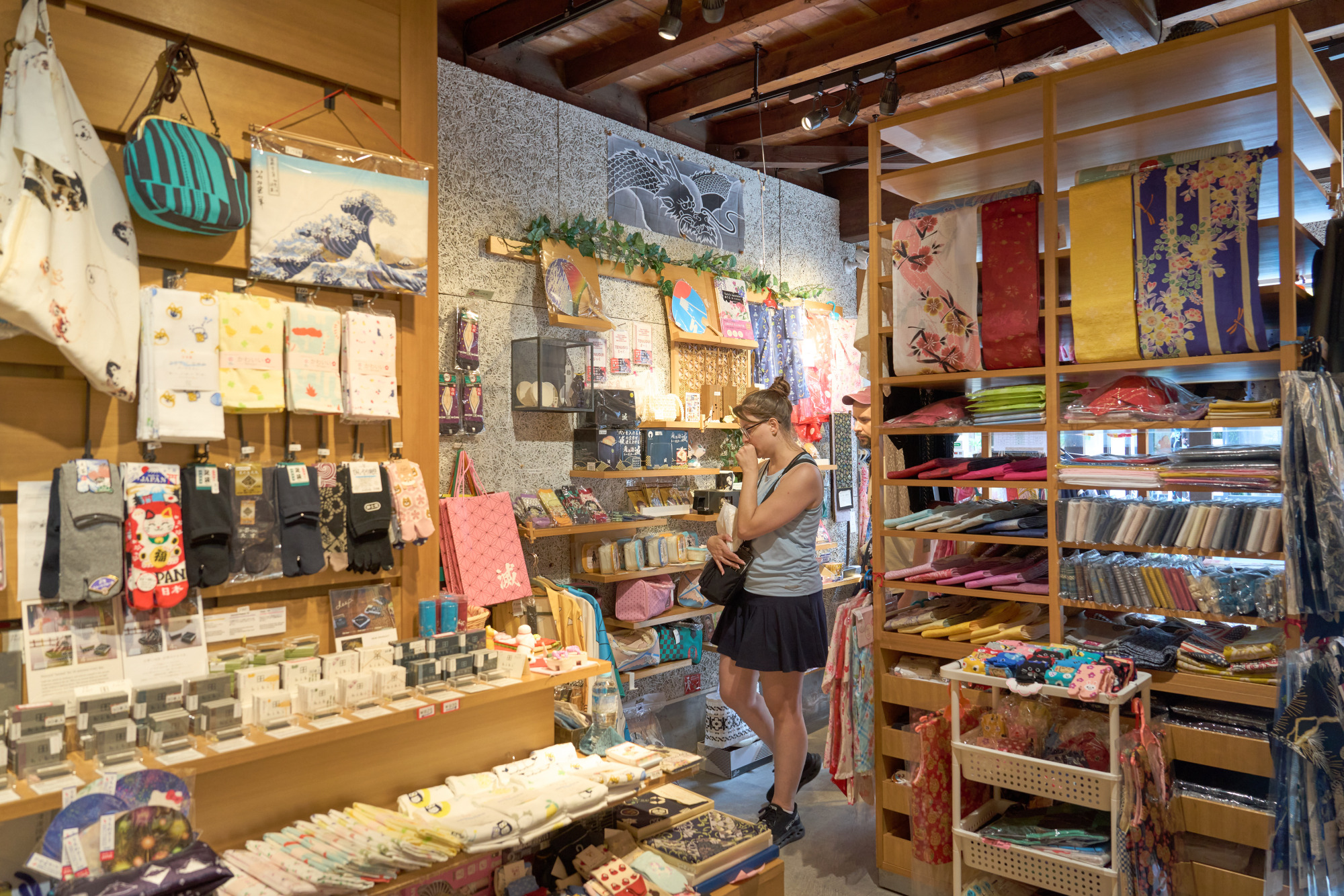 Inside Iroha, a yukata specialty shop.
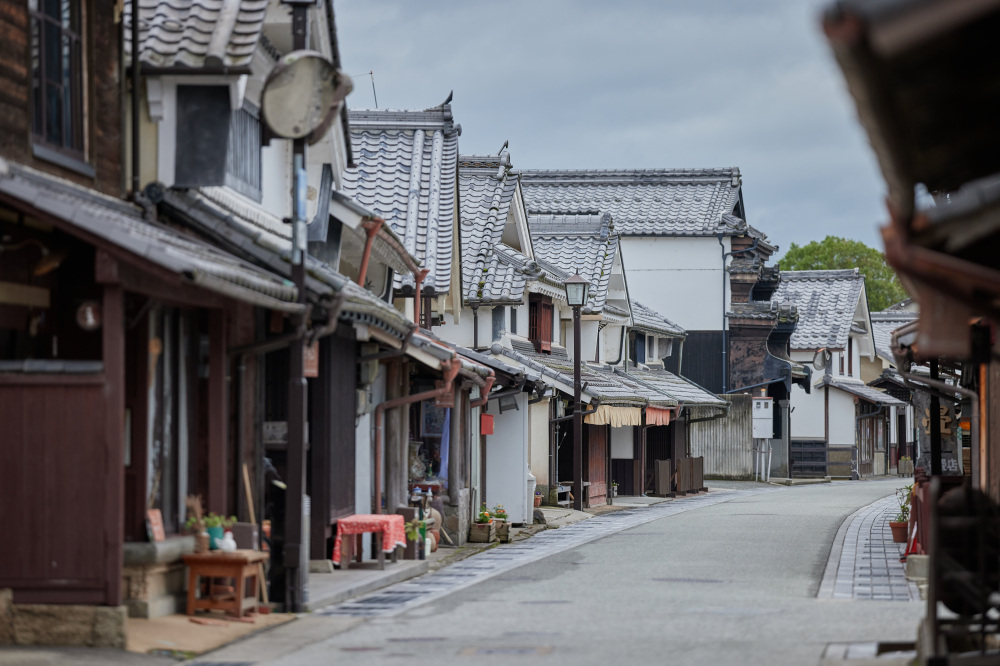
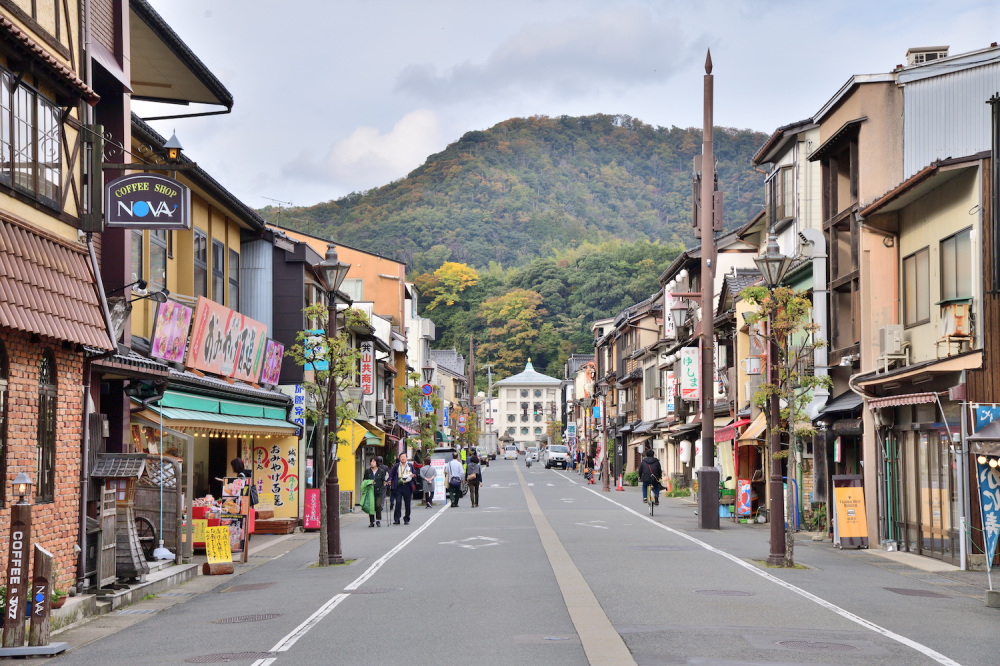
Step out of JR Kinosaki Onsen Station and an atmospheric hot spring town unfolds before you. Willows sway beside the Otani River, crossed by picturesque arched bridges, while guests from the local inns stroll in yukata, their wooden geta sandals making a cheerful clacking sound. Wandering in a yukata—a light, casual kimono—is one of the pleasures of Kinosaki. And you don’t have to stay overnight: day visitors can join in too!
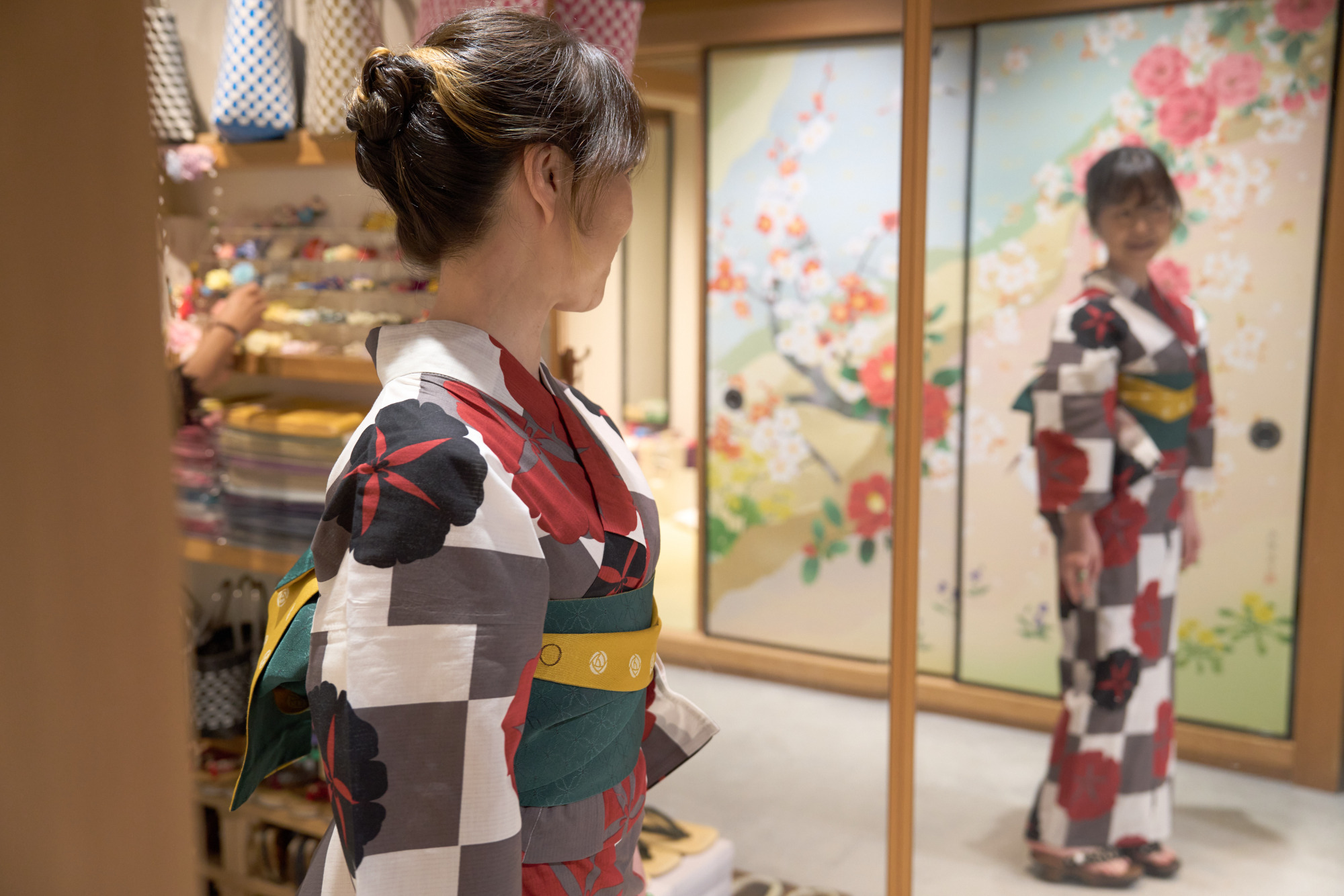 The large eight-panel mirror lets you check your outfit from behind, too.
My first stop is Iroha, a yukata specialty shop with around 200 designs, from classic patterns to bright, modern styles. It’s hard to choose, but the experienced staff suggest combinations of yukata and obi sashes to complement each visitor’s tastes and appearance, then expertly dress you in your chosen outfit. You can leave the whole look to them, right down to geta sandals, accessories, and hair ornaments.
I often wear kimono, but renting makes it especially fun to experiment with colors and patterns I wouldn’t normally choose. If you fall in love with your yukata, you can even buy it and take home a special reminder of your trip.
Try a Unique Edo-Period Craft at the Kinosaki Straw Craft Museum
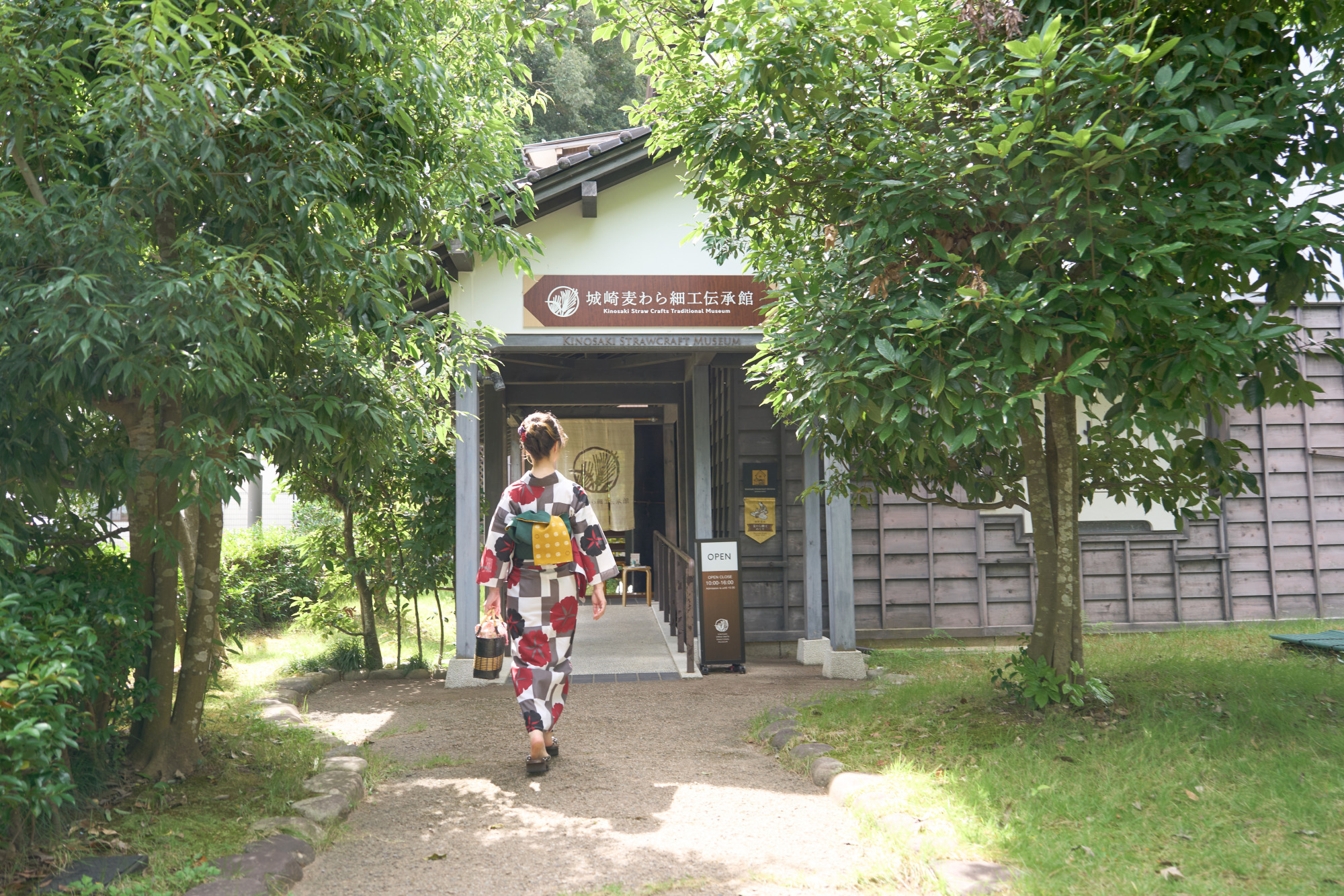 The approach to the Kinosaki Straw Craft Museum.
Dressed in my yukata, I head to the Kinosaki Straw Craft Museum, housed in a beautiful white-walled storehouse. Mugiwara zaiku is a rare traditional craft that survives only in Kinosaki Onsen. It is said to have begun in the mid-Edo period, in the 18th century, when a craftsman named Hanshichi came here for hot spring treatment. To help pay for his lodgings, he dyed hulless barley straw red, blue, yellow, and other colors, then applied it to bamboo flutes and spinning tops.
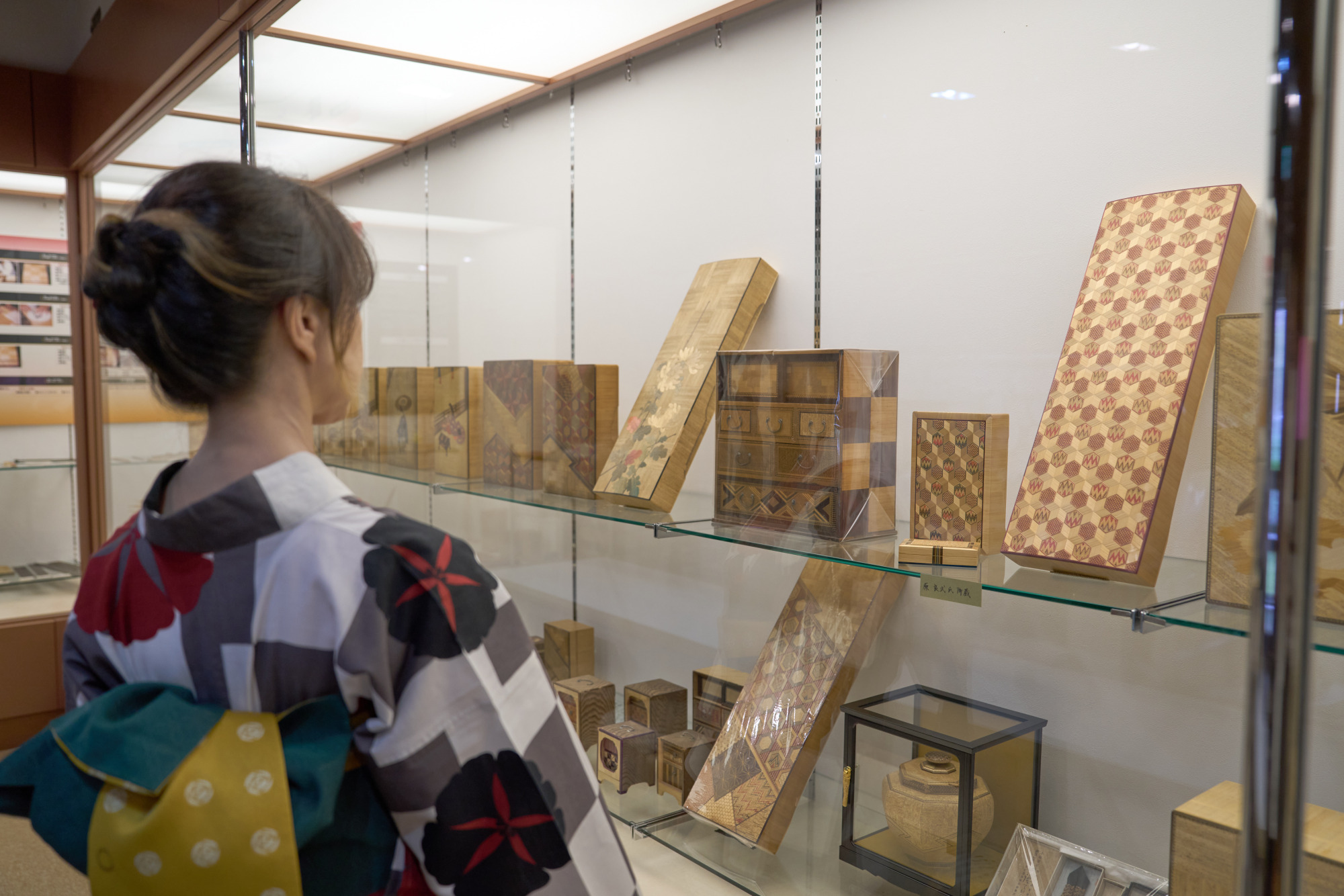
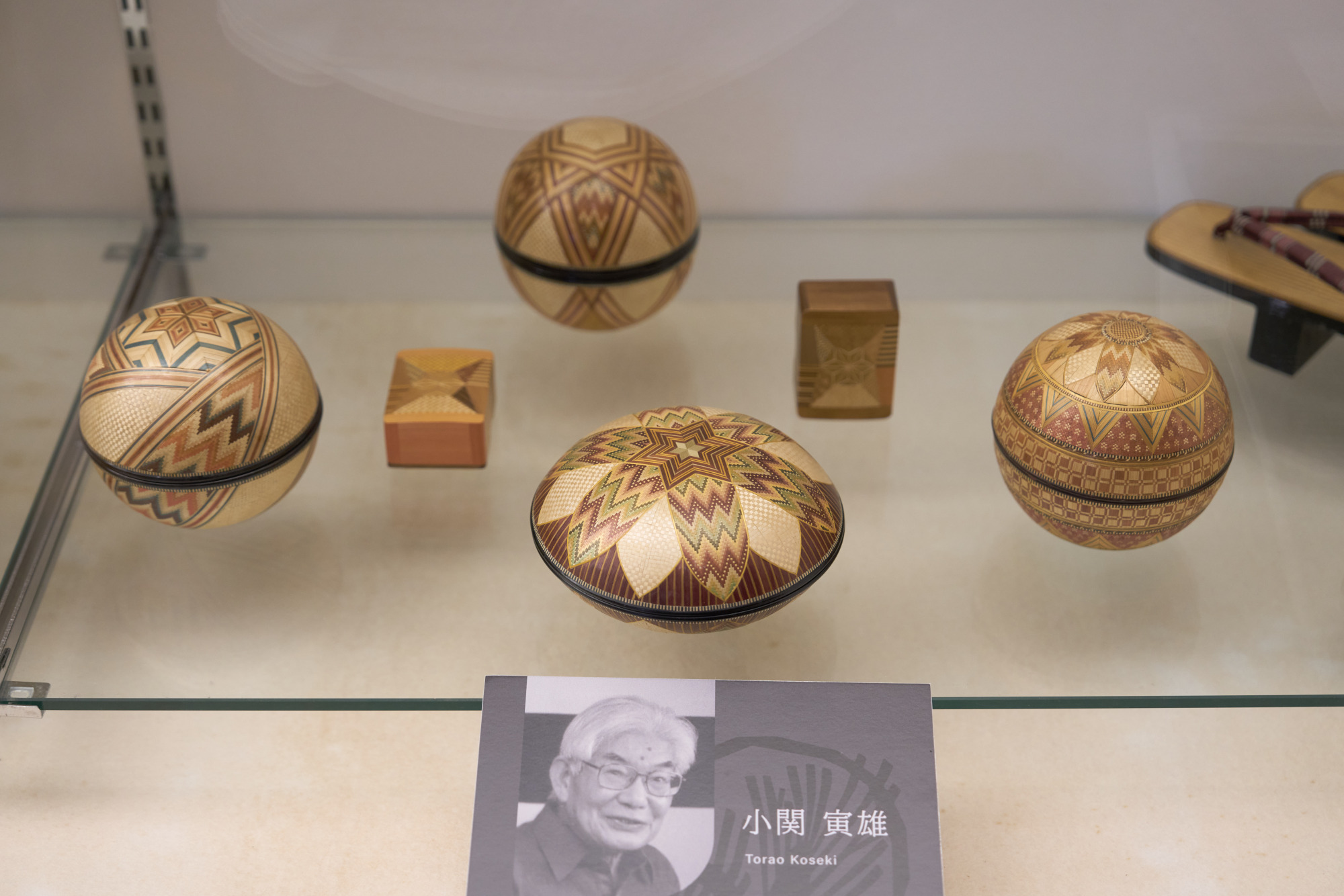 Exquisite works by master straw craftspeople.
The museum displays intricate works by craftspeople of the Meiji, Taisho, and Showa eras, spanning the late 19th to late 20th centuries. I find myself catching my breath at the dyed straw’s silky sheen and the shifting play of light and shade. Upstairs, present-day Kinosaki masters have faithfully reproduced pieces collected in the late Edo period by the German physician Philipp Franz von Siebold. The originals’ mellow, timeworn character is beautiful, but the vivid colors recreated in these reproductions are equally striking.
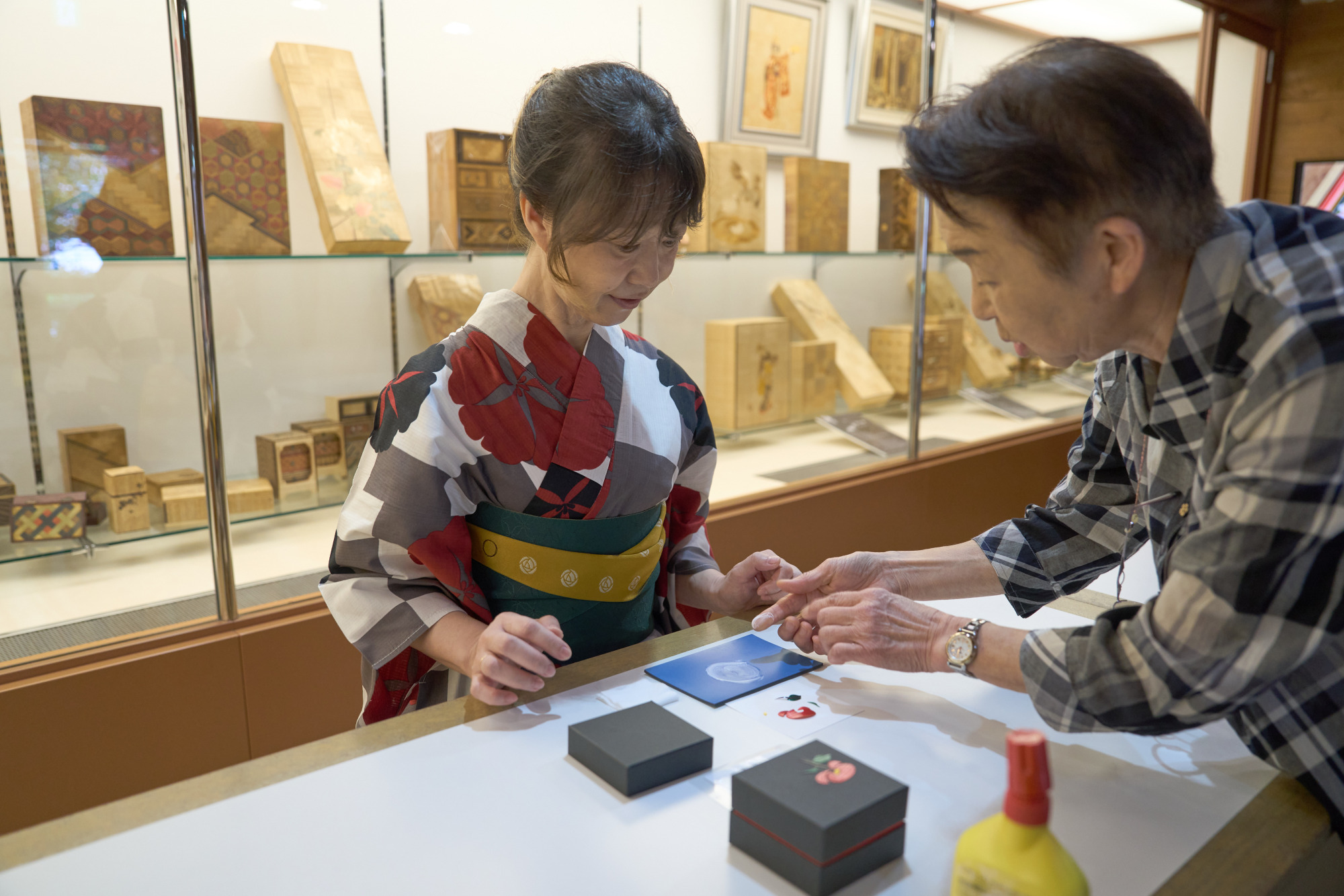
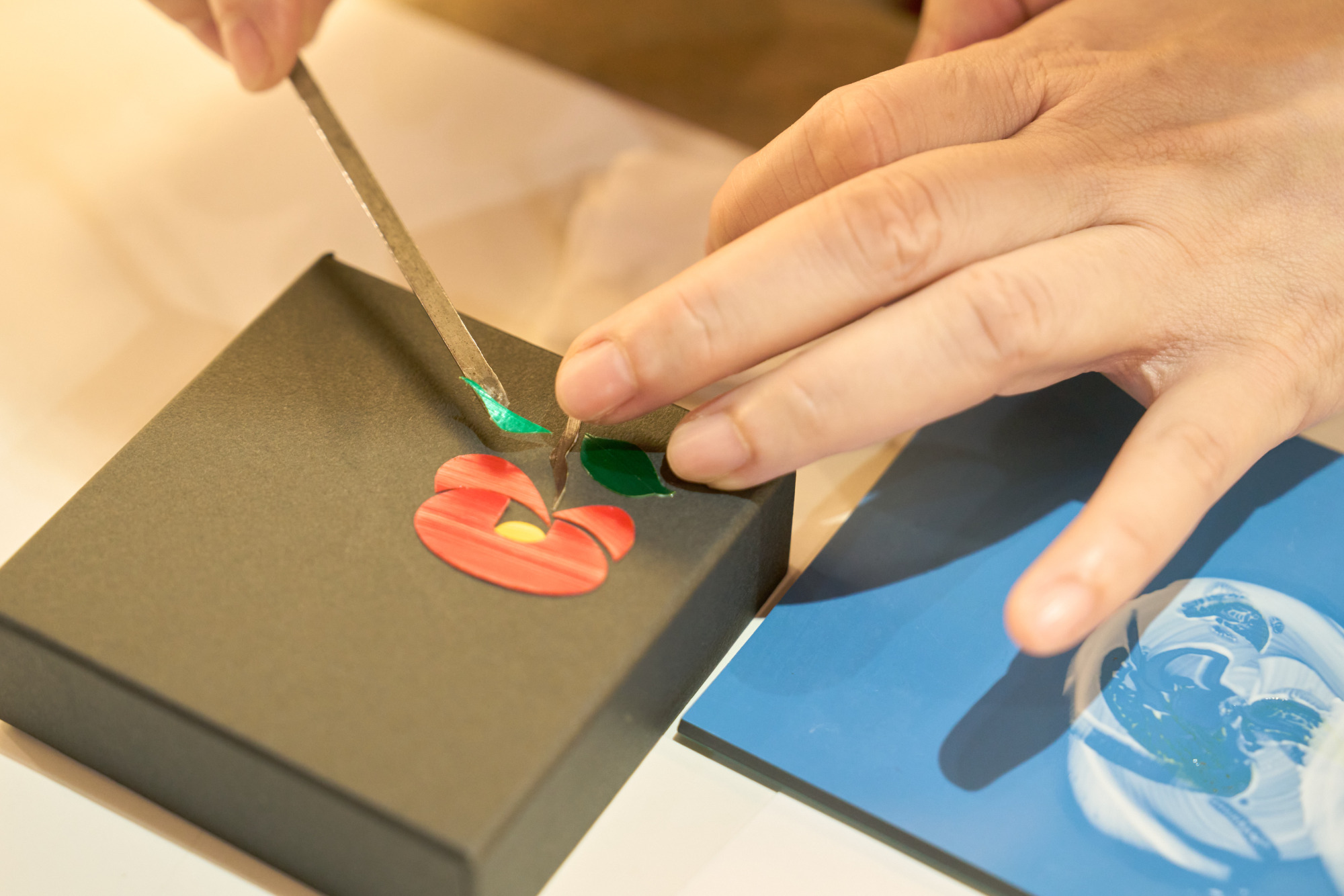 A hands-on straw craft workshop.
After admiring the exhibits, I try making a piece myself. In traditional straw craft, dyed hulless barley stems are slit open, flattened, and carefully glued side by side onto boxes and other objects to create intricate designs. For this workshop, the decorative pieces are already prepared, so it’s easy for beginners to take part. With a few pointers, I finish my own one-of-a-kind piece of traditional craft in about 15 minutes.
Willows, Arched Bridges, and Three Treats to Try on Your Walk
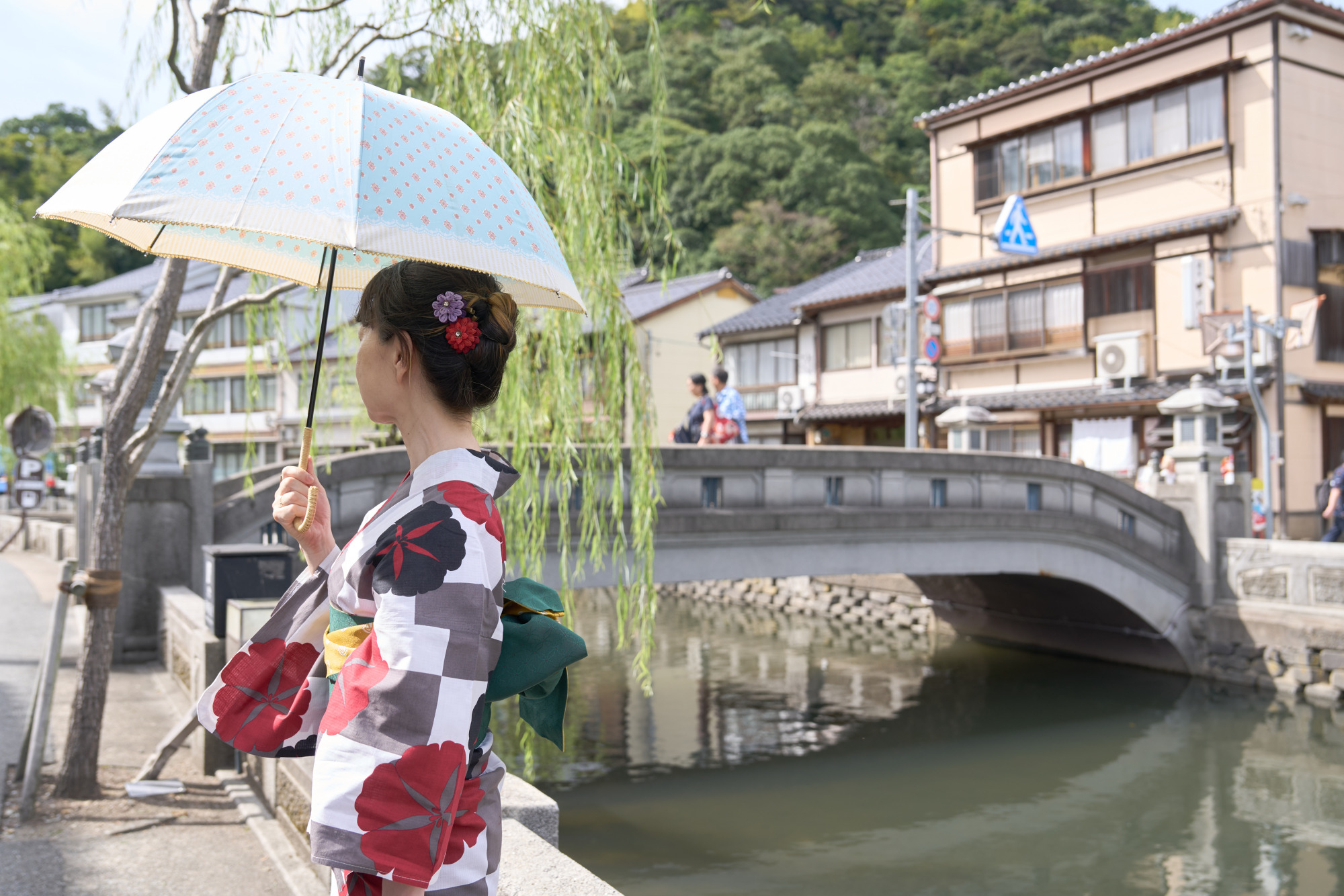 The willow-lined Otani River takes on a different mood by day and by night.
After exploring the depth of Kinosaki’s craft traditions, I take a leisurely stroll past the willows and arched bridges along the Otani River. The scenery is a perfect backdrop for a yukata, and discovering local snacks makes the walk even more enjoyable.
Cute, Rounded Buttercream Dorayaki at Book Cafe Un
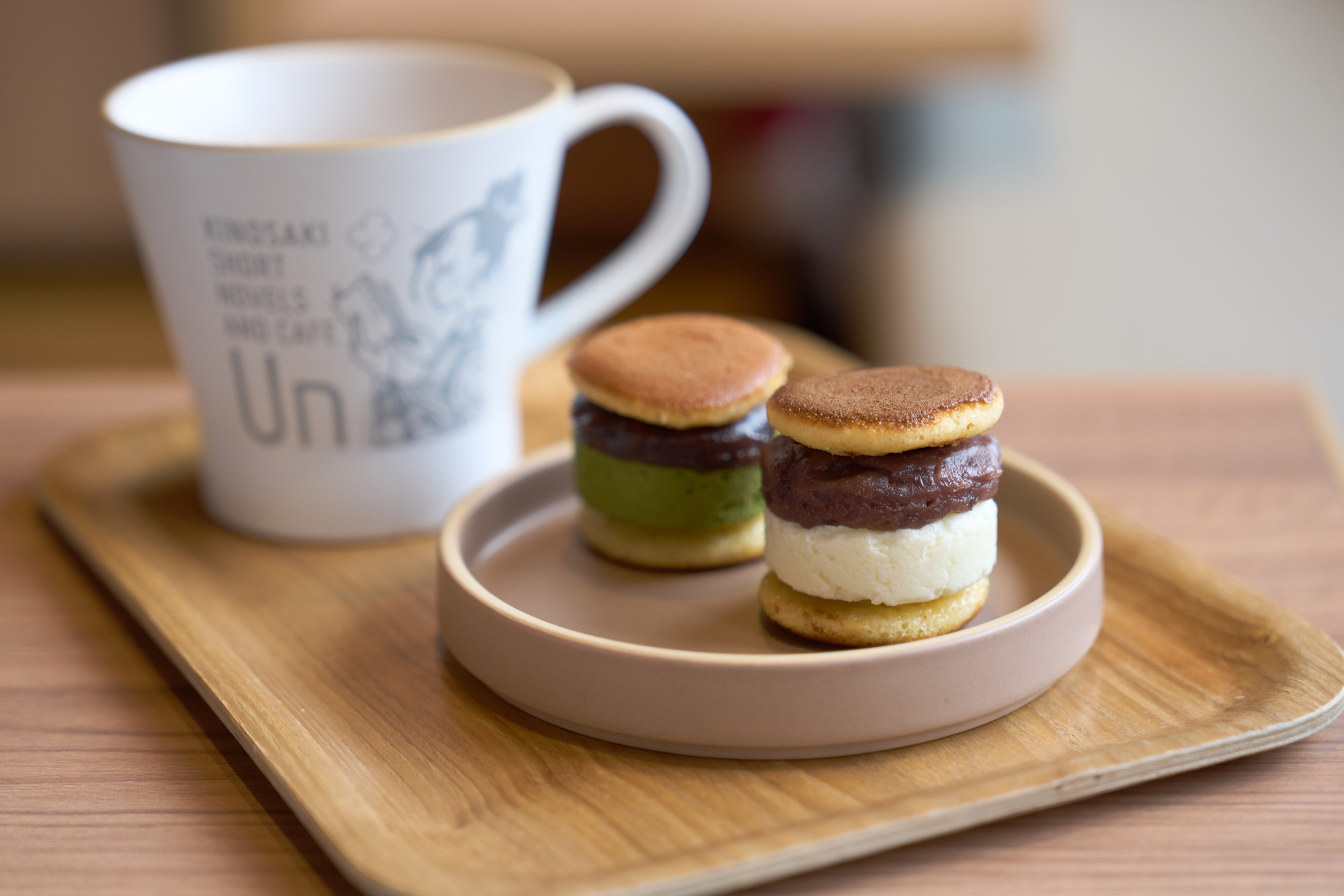 Uji matcha and Sea of Japan salt-and-milk buttercream dorayaki (¥370 each, tax included).
Book Cafe Un, a popular cafe with around 3,000 books including short stories and picture books, is known for its fresh-butter dorayaki—soft pancake sandwiches filled with a special buttercream and sweet bean paste. The pancakes are cooked by hand with ingredients including sake lees (the fermented rice solids left after sake brewing), amazake (a sweet, fermented rice drink), white miso (a mild fermented soybean paste), and honey.
There are six flavors, including one seasonal option. The Uji matcha version has an aromatic cream that showcases green tea from Uji in Kyoto. The Sea of Japan salt-and-milk version combines condensed milk with additive-free, mineral-rich salt made from seawater at Kotohikihama in Kyotango. The salt is produced by slowly boiling the seawater over a traditional wood fire.
I also recommend the all-you-can-drink pass, which includes a buttercream dorayaki and unlimited drinks from a selection of 10 options until the café closes at 17:00. It’s a lovely place to unwind after a bath or during a stroll.
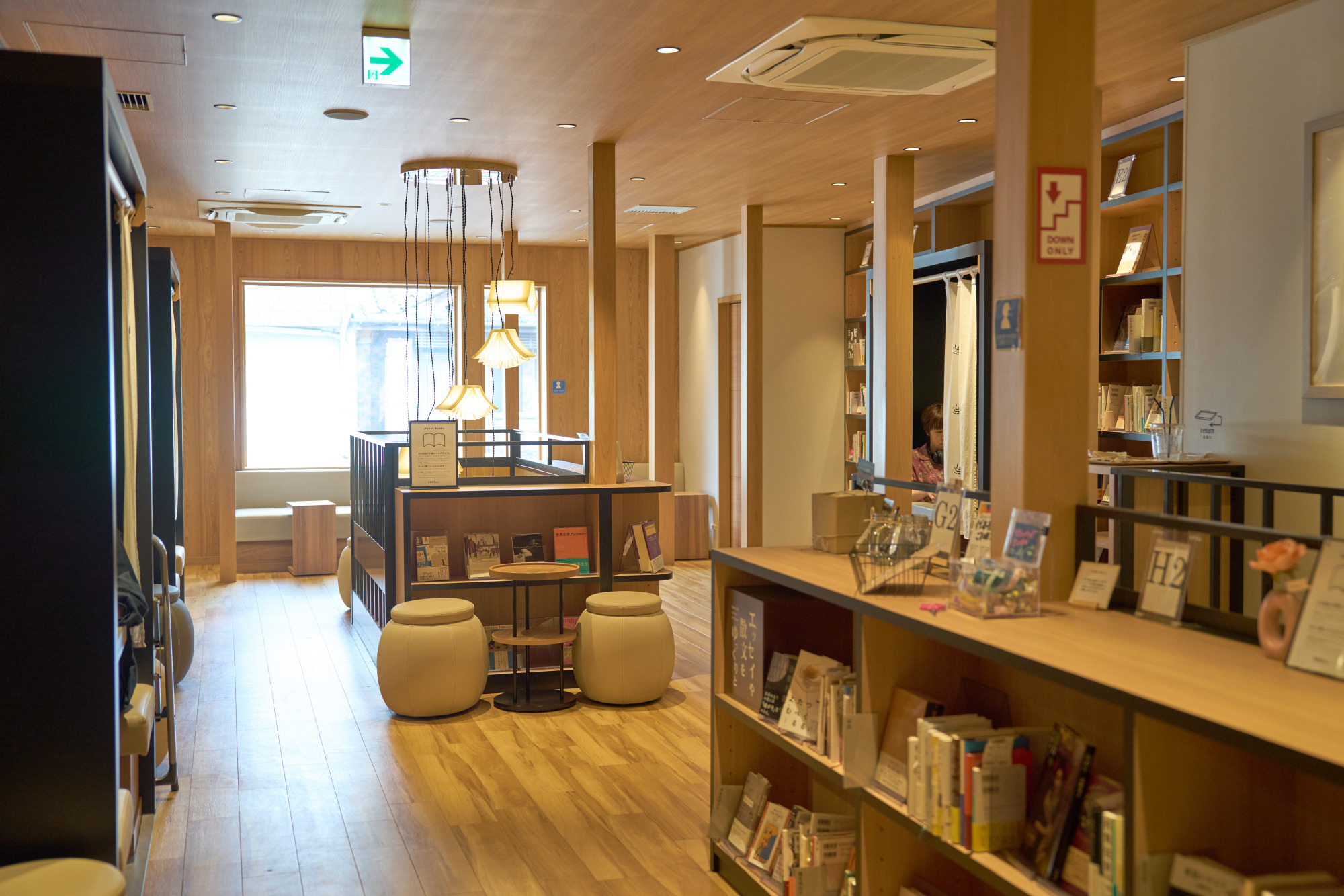 An eclectic collection of chairs on the second floor of Book Cafe Un.
Akaishiya’s Original Rice Crackers in Stylish Packaging
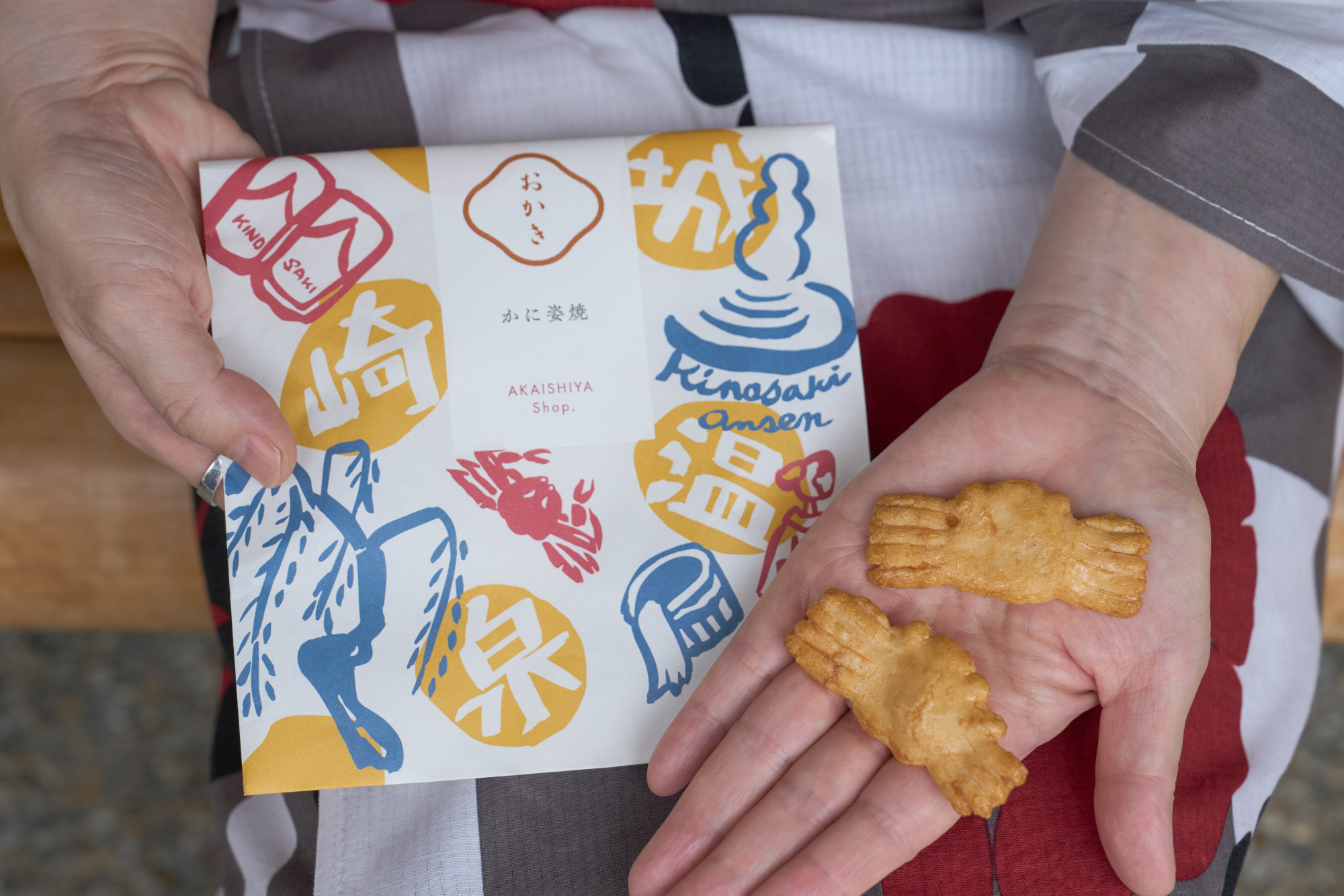 Akaishiya’s original Kani Sugatayaki crab-shaped rice cracker (¥580, tax included).
After something sweet, I’m ready for a savory snack! I stop at Akaishiya, a 220-year-old traditional inn reimagined as a stylish bed-and-breakfast. Its gift shop is known for its original okaki, crisp Japanese rice crackers. Its Kani Sugatayaki rice cracker is inspired by crab, one of Kinosaki’s signature foods. The light, crunchy texture gives way to a rich crab flavor and the aroma of soy sauce—a perfect little treat during a walk.
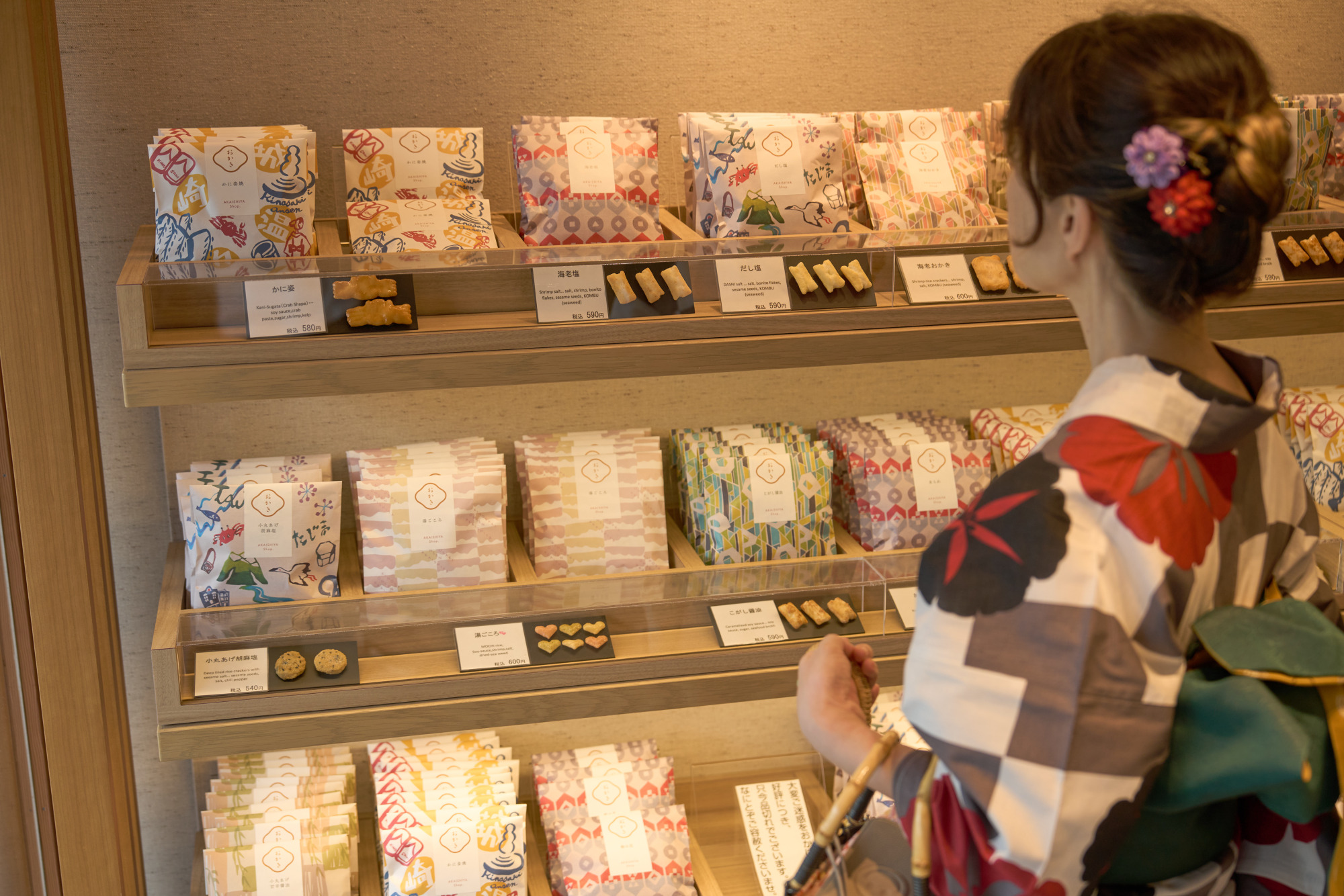 Akaishiya’s original rice crackers come in 13 varieties (¥440–600, tax included).
Bread or Cake? The Egg Bread at Motosue Kinosaki Sohonke
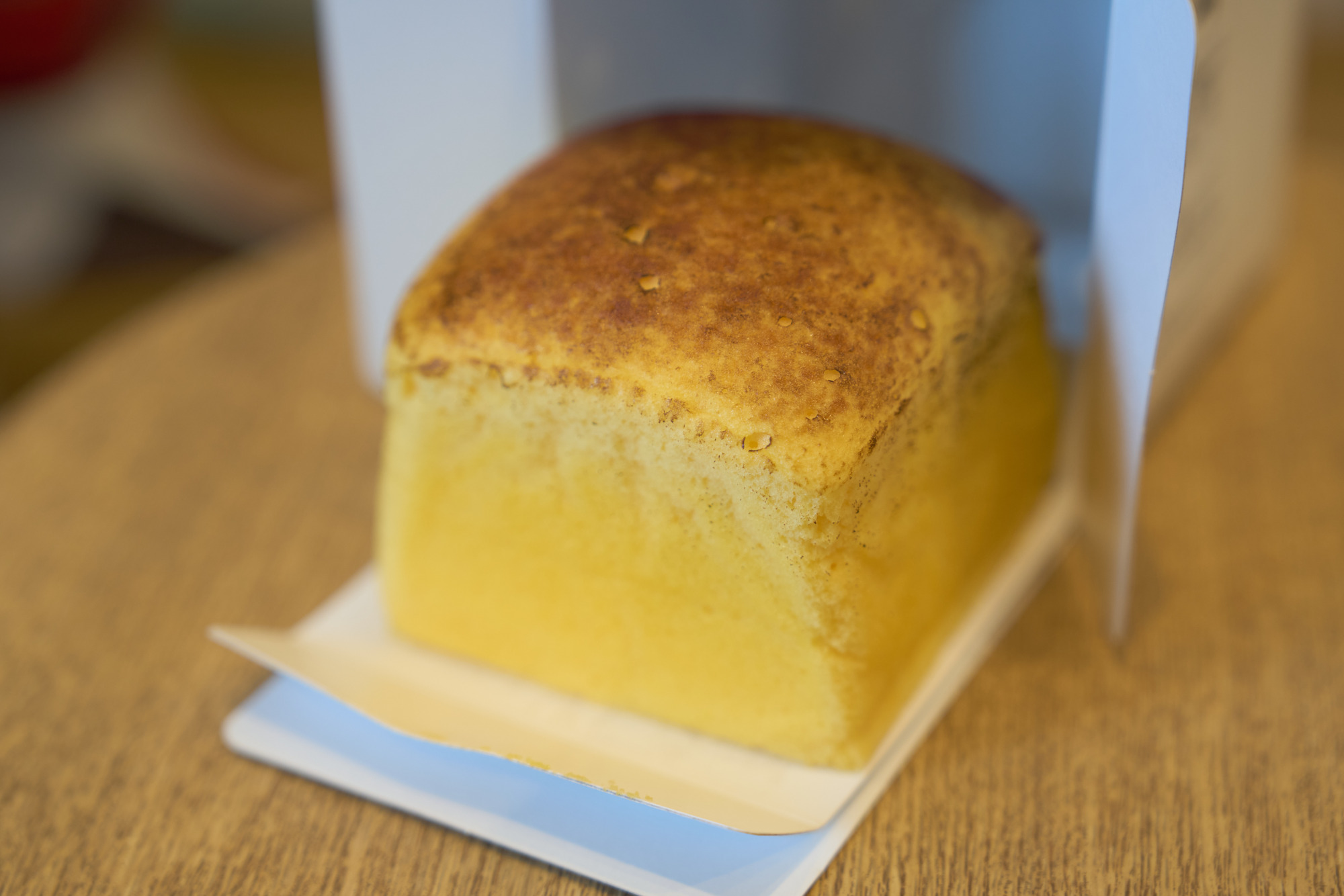 Kinsei Noko Tamago Pan, Motosue’s signature rich egg bread (¥840, tax included).
A tempting final stop is Motosue Kinosaki Sohonke, a popular egg specialty shop that regularly draws a line of customers. Its tamago pan, or egg bread, is made with carefully selected eggs from Toyooka, laid by hens raised on non-GMO feed. Visitors often time their arrival to enjoy a batch fresh from the oven.
The signature rich egg bread (¥840) is so soft when freshly baked that it wobbles like a custard pudding! Take a bite and it melts away with the airy delicacy of a soufflé. It’s neither quite bread nor quite cake, but something wonderfully different. A rich, eggy sweetness fills every mouthful. It’s just as delicious once cooled, too, making it a lovely gift to take home.
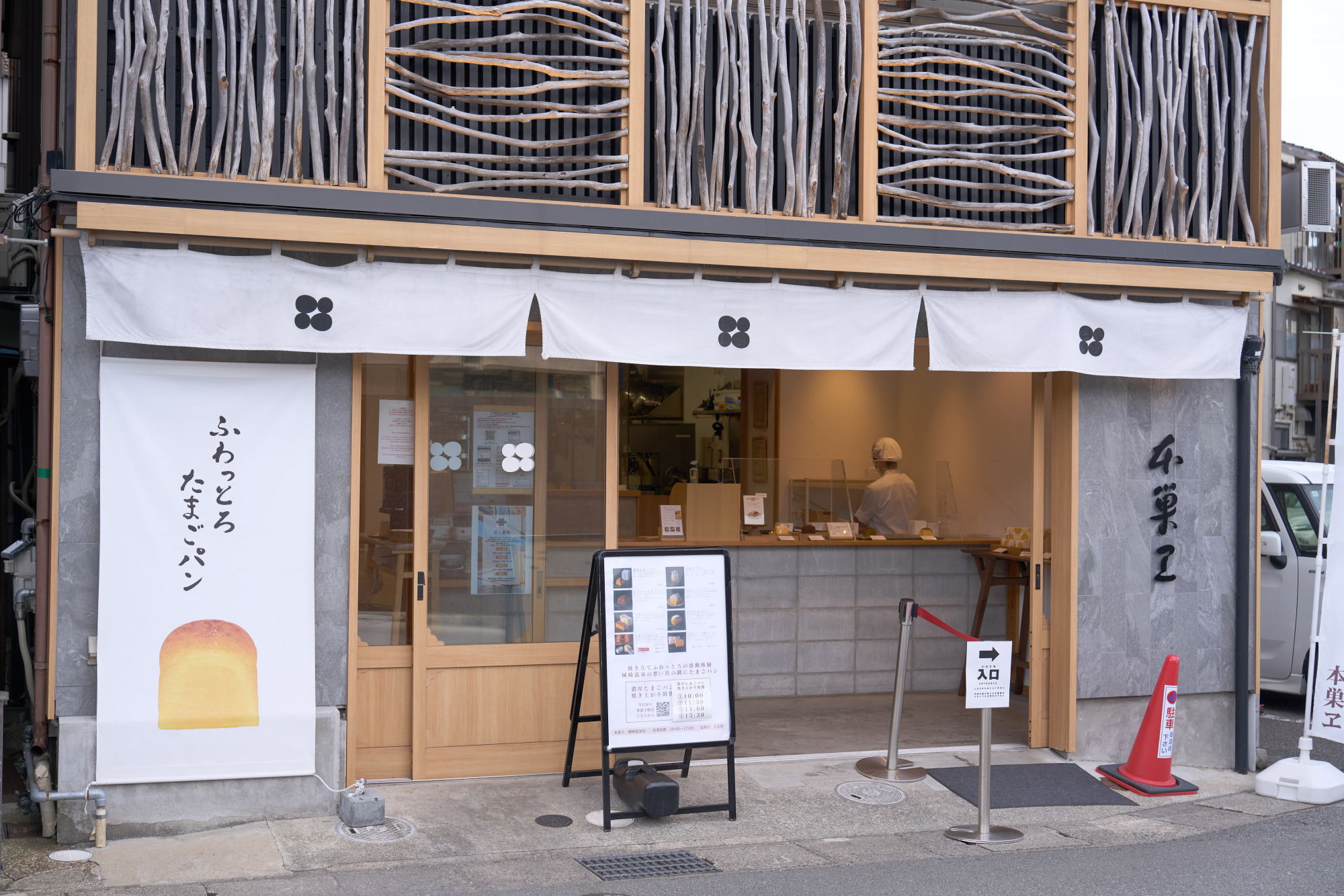 Motosue Kinosaki Sohonke is just a short walk from Kinosaki Onsen Station.
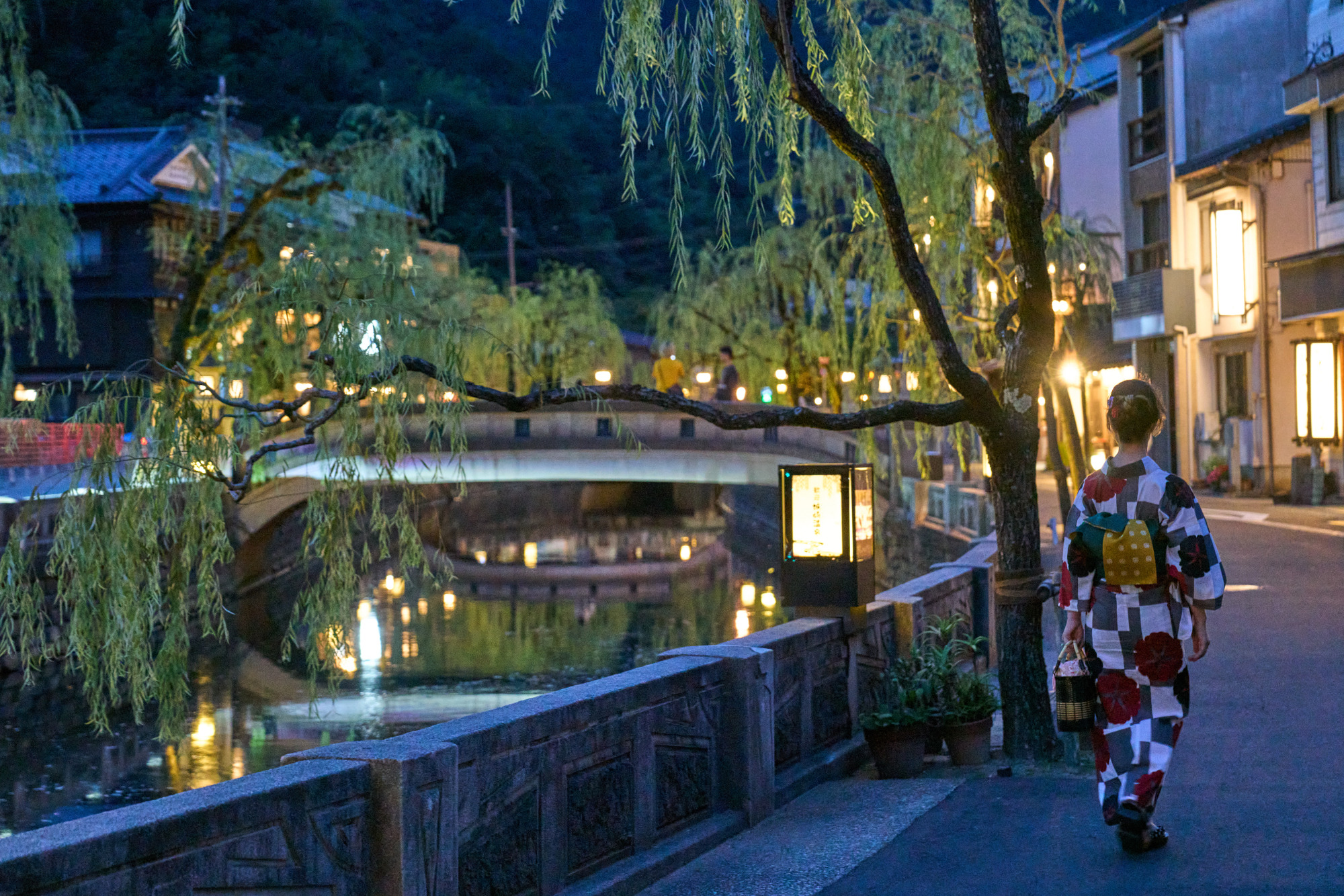
At dusk, the lights come on and their reflections shimmer in the Otani River, giving the willows a dreamlike beauty. Kinosaki brings together a long tradition of hot spring healing, the delicate craftsmanship of mugiwara zaiku, and inviting new shops and sweets shaped by a new generation’s creativity. For your next day off, why not put on a yukata, let your wooden sandals set the rhythm, and discover Kinosaki’s crafts and flavors for yourself?
Frequently Asked Questions
(Q) What makes Kinosaki’s traditional straw craft special?
(A) Hulless barley stems are slit open and flattened, then dyed and glued onto wooden boxes or bamboo baskets to create intricate patterns. The straw has a beautiful, silk-like sheen, and its appearance changes subtly with the light and viewing angle. Kinosaki Onsen is the only place in Japan where this tradition survives.
(Q) Can I rent a yukata or join a craft workshop on a day trip?
(A) Yes. Yukata shops such as Iroha provide dressing assistance and a complete set of rental accessories, including wooden sandals and a bag, so you can enjoy a stroll without bringing your own outfit. The Kinosaki Straw Craft Museum also offers short workshops starting at around 15 minutes, generally without a reservation, subject to availability.
(Q) What is a good way to explore the town, and how much time should I allow?
(A) The main sights are within walking distance of Kinosaki Onsen Station, so you can enjoy a visit even with just two or three hours. A popular approach is to change into a kimono or yukata, stroll beside the willow-lined Otani River, admire traditional straw craft and try making a piece yourself, and enjoy local treats or a soak in a public hot spring bathhouse.
Visitor Information
◇Iroha Yukata Specialty Shop
409 Yushima, Kinosaki-cho, Toyooka, Hyogo
Tel: 0796-32-3838
Hours: 10:00–18:00 / 20:00–22:00
Closed: Irregular holidays
◇Kinosaki Straw Craft Museum
376-1 Yushima, Kinosaki-cho, Toyooka, Hyogo
Tel: 0796-32-0515
Hours: 10:00–16:00 (last admission 15:30)
Closed: Wednesdays (the following day if Wednesday is a public holiday), December 30–January 1
Admission: Adults ¥500; junior and senior high school students ¥300; elementary school children and younger free
Workshop: Decorative box ¥1,500
Official information (Japanese): https://www.city.toyooka.lg.jp/1019810/1019834/1019849/1002128.html
◇Book Cafe Un
127 Yushima, Kinosaki-cho, Toyooka, Hyogo
Tel: 0796-32-4677
Hours: 10:00–17:00
Closed: Thursdays
◇Akaishiya
786 Yushima, Kinosaki-cho, Toyooka, Hyogo
Tel: 0796-32-3333
Hours: 9:30–16:30
Closed: Wednesdays and Thursdays
https://www.akaishiya.co.jp/en/
◇Motosue Kinosaki Sohonke
97 Yushima, Kinosaki-cho, Toyooka, Hyogo
Tel: 0796-32-0755
Hours: 10:00–17:00 (closes when sold out)
Closed: Irregular holidays