Tamba-Sasayama - Where The Rhythm of Life Continues Through the Generations
Tamba-Sasayama - Where The Rhythm of Life Continues Through the Generations
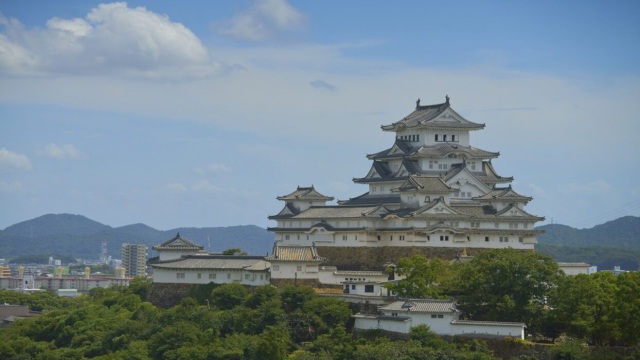
Tamba-Sasayama is often regarded as one of Kansai’s great castle towns, and - make no mistake about it - it certainly is. With the ruins of a castle designed by Todo Takatora, a daimyo lord considered the master of castle design, the surrounding area once flourished under the lasting peace under its watchful guard. Peace led to innovation in agriculture and crafts: black beans, sake, and pottery, all of which continue to this day. But to say that the people of Tamba-Sasayama are preserving history would be incorrect. They are simply going about their daily lives, whose routines were established centuries ago.
Like many castle towns, the configuration of the town is based on the position of the main keep, usually built on an elevated, easily defended position. Adjacent to the castle were the samurai residential district in the Western Quarter and the merchant commercial district in the Southern Quarter. This setup provided an easy commute for samurai, who spent most of the Edo Period engaged in administrative tasks rather than military exercises. At the end of the day, the merchant district provided a place to blow off steam and purchase foods and ingredients that were no longer regarded as just sustenance but actually could provide pleasure.
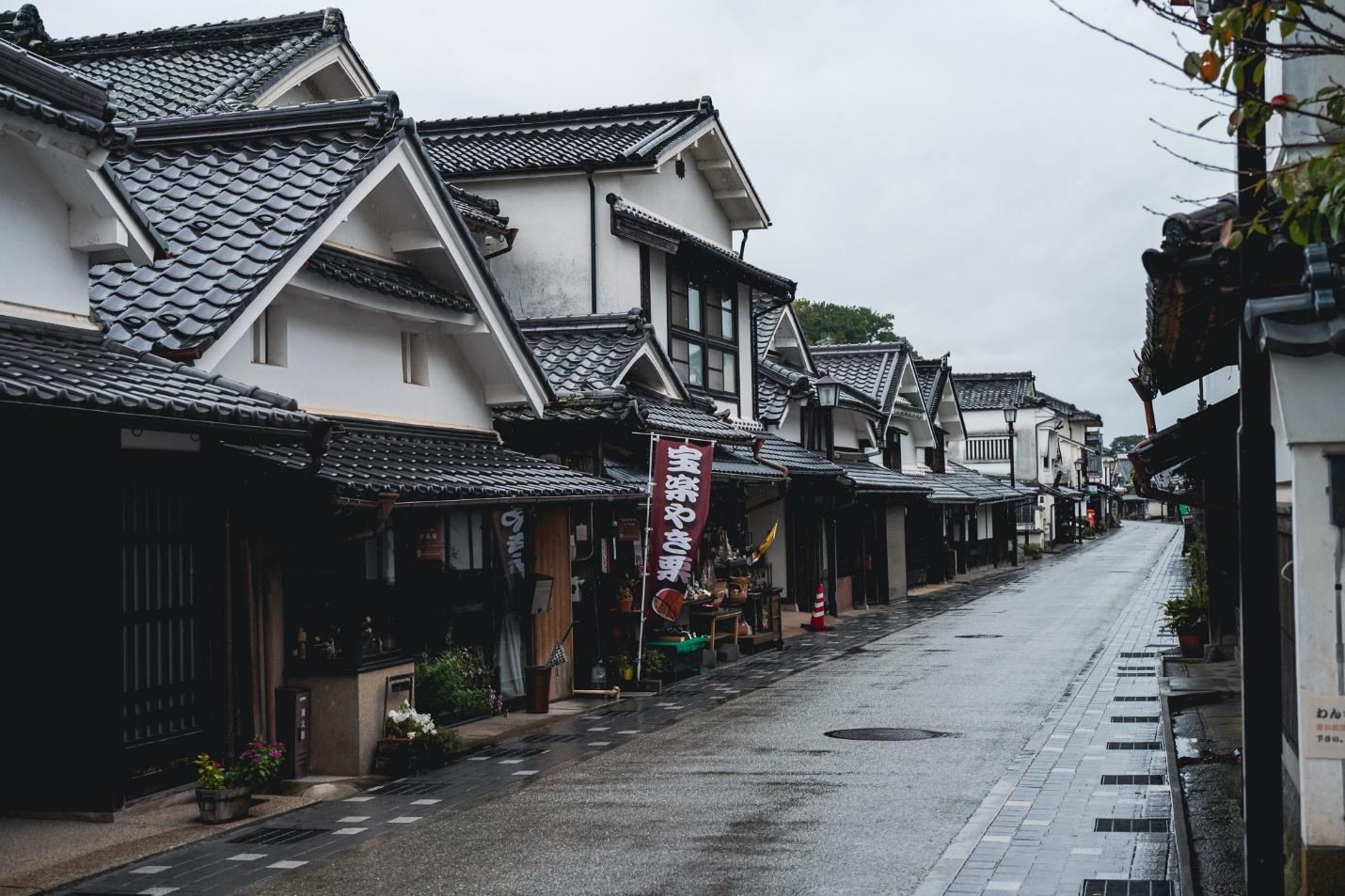
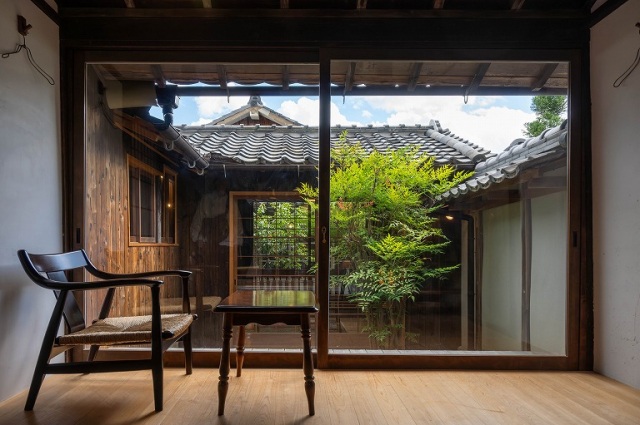
The original layout of Tamba-Sasayama remains intact for visitors to enjoy, partly due to strategic preservation and partly because local residents' lifestyles created no pressing need for modernization. Community- and business-led revitalization projects have helped sustain some traditional shops and houses, bringing new businesses such as chic cafes and distributed accommodations. As a result, Tamba-Sasayama has been selected as one of the “100 Landscapes of Beautiful Historical Character in Japan” along with other preservation-related awards. But overall, life in the castle town is not so different from how it was in the Edo and Meiji Periods — with the addition of the Internet and Netflix.
Odagaki Shoten- Beans for Life
The perfect example of the Tamba-Sasayama way of life is Odagaki Shoten, a bean wholesaler that is a true shinise, a business in Japan running continuously for over 100 years. Although established as a hardware store nearly 300 years ago, Odagaki Shoten has been in the bean wholesaling business since 1868, the year the Edo Period ended. The company initially worked with local farmers to develop black soybean cultivation, an ingredient with strong traditional roots in Japan. In the beginning, black soybeans were grown only in small quantities, so Odagaki Shoten provided seeds to farmers with a guarantee to purchase the entire annual harvest. The company’s commitment to its farmers helped them thrive and eventually innovate, growing some of Japan’s largest and most delicious black soybeans through selective breeding. Today, most areas of Japan can enjoy outstanding black beans on New Year’s Day or in special meals thanks to the work Odagaki Shoten began more than 150 years ago.
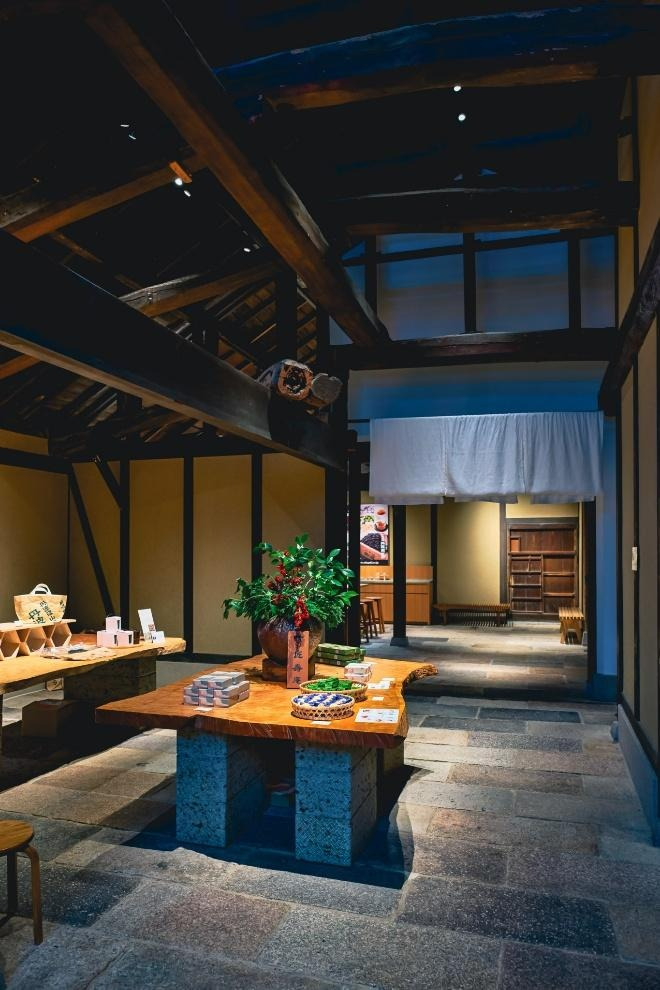
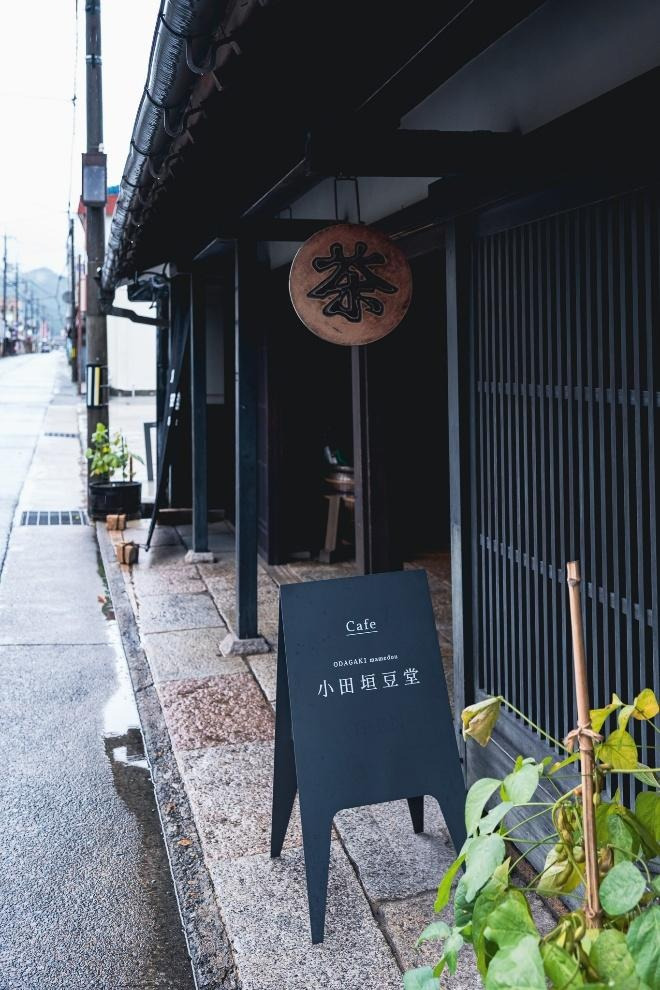
Odagaki Shoten’s main shop reflects both the architectural heritage of Tamba-Sasayama’s merchant district (and is registered as a Tangible Cultural Property) and a place that conveys the connection between beans and Japanese traditional culture. Although these connections may appear static and unchanging, Odagaki Shoten continues to innovate, both in the quality of the beans grown by local farmers and new handmade products like ohagi (a traditional Japanese sweet made of mashed rice wrapped around sweet red bean paste) covered in roasted black bean powder. The company has even created a cafe in their shop, creatively integrating traditional beans into contemporary desserts and teas.
Basic Information
Address: 19 Tatemachi, Tamba-Sasayama, Hyogo
Phone: +81-79-552-0011
Official Website: https://www.odagaki.co.jp/
Homei Shuzo
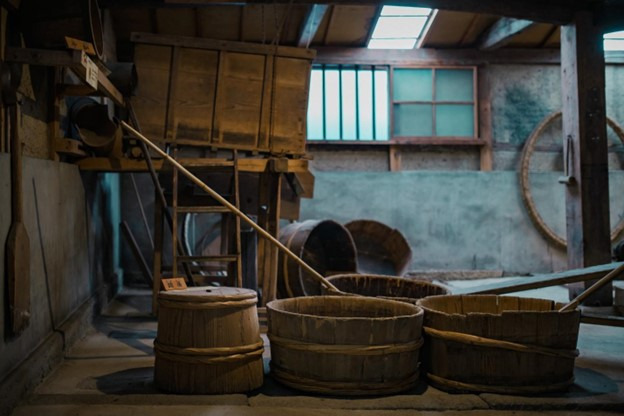
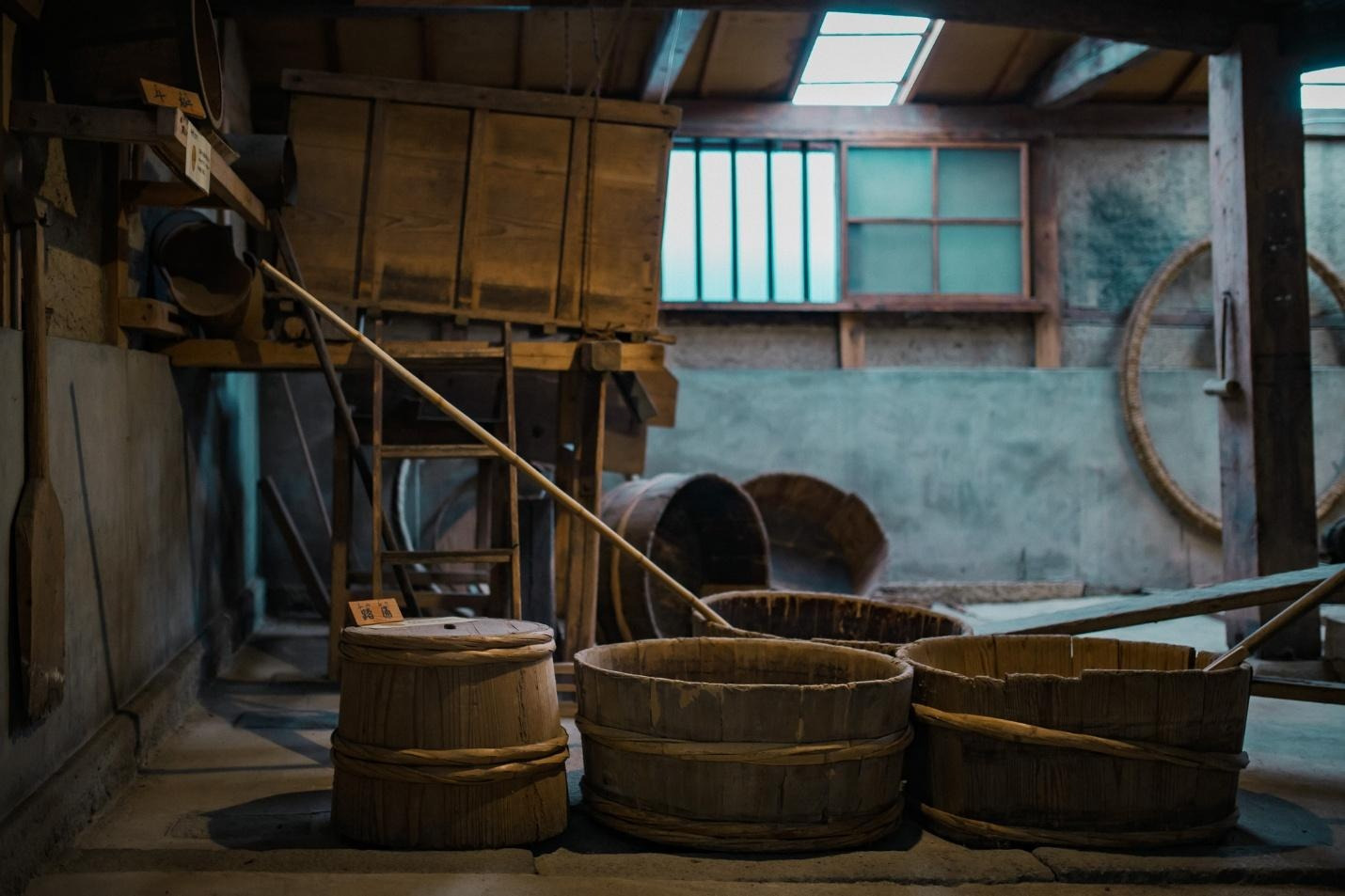
Another long-standing business in Tamba-Sasayama’s merchant district is Homei Shuzo, a producer of Japanese sake since 1797. Between its plastered earthen walls, which, like Odagaki’s main shop, is a registered Tangible Cultural Property, visitors can immerse themselves in the atmosphere of a centuries-old brewery whose products and methodologies have had very little reason to change over the years. Rather than adopt the high-tech production methods of larger breweries, smaller breweries like Homei Shuzo can maintain traditional brewing methods for sake without sacrificing quality or incurring high costs. They rely on the same elements that have kept them in business for around 300 years: pure underground water sources, the annual cycle of rice cultivation, and a deep-seated trust in the fermentation process to produce deep, aromatic flavors. Of course, employing a brewmaster who understands the fermentation process and how to control it is also important to Homei, but beneath that, it is the brewery’s connection to natural processes and the rhythm of the agricultural cycle that enable the brewery to continue creating great sake.
Basic Information
Address: 73 Gofukumachi, Tamba-Sasayama, Hyogo, Japan
Phone: +81-79-552-1133
Official Website: https://houmei.wixsite.com/houmeisyuzou/home
Kawaramachi Tsumairi Merchant District
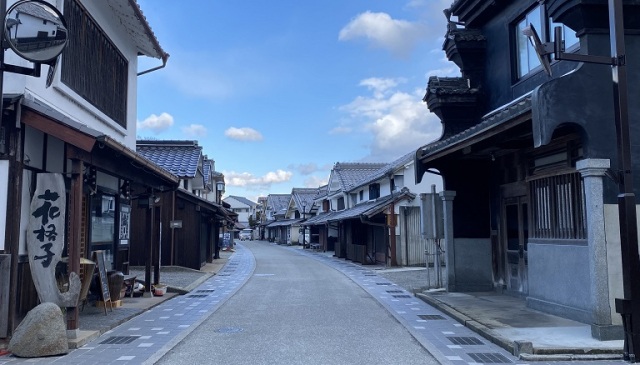
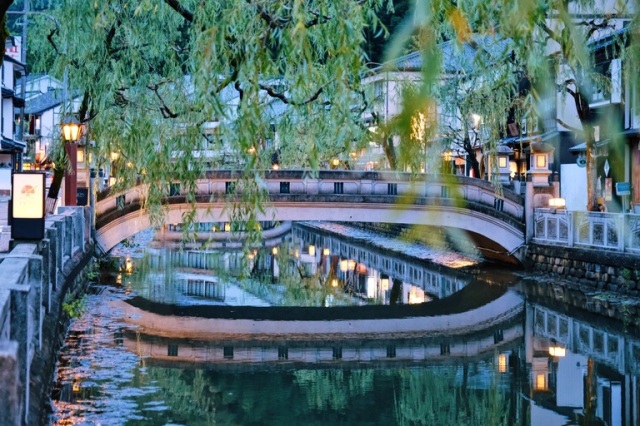
South of the castle, the Kawaramachi Tsumairi Merchant District exists as an outstanding example of Japan’s living heritage. Tsumairi describes the style of the buildings, long and narrow, with the gable end facing the street. Merchants could do business in the front of the building while living in the back or upstairs. This low-barrier business setup enabled an active, commerce-based economy to thrive in Tamba-Sasayama.
While some historical districts are preserved like museums — nice to look at, but do not touch — many of the buildings of this district continue to function as businesses and residences, and entrepreneurs are encouraged to set up businesses in others that are not currently occupied.
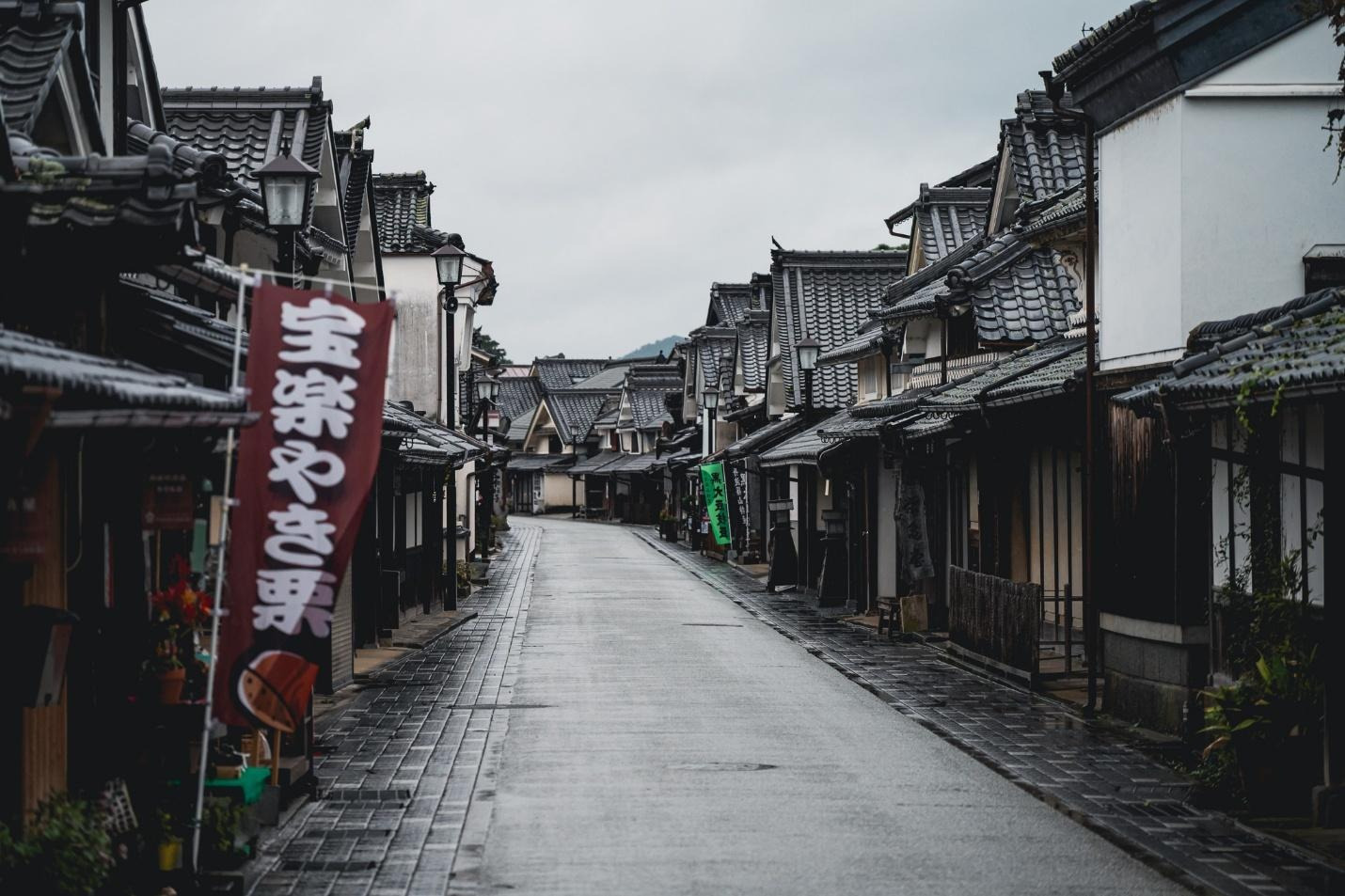
Kawaramachi is designated as a National Important Preservation District for traditional buildings, and there is little appetite in the town to change the landscape. The younger generation maintains a deep respect for the town's cultural heritage and recognizes it as one of the charms the town can never afford to lose. As such, they are more than happy to work within the confines of how to use the existing buildings to create spaces where visitors can feel immersed in Tamba-Sasayama’s rich samurai-era history.
Basic Information
Address: 177-1 Kawaramachi, Tamba-Sasayama, Hyogo
Phone: +81-79-552-3380 (Tambasasayama Tourist Information Center)
Official Website: https://tourism.sasayama.jp/kawaramachi/
Shoyo gama and Tambayaki
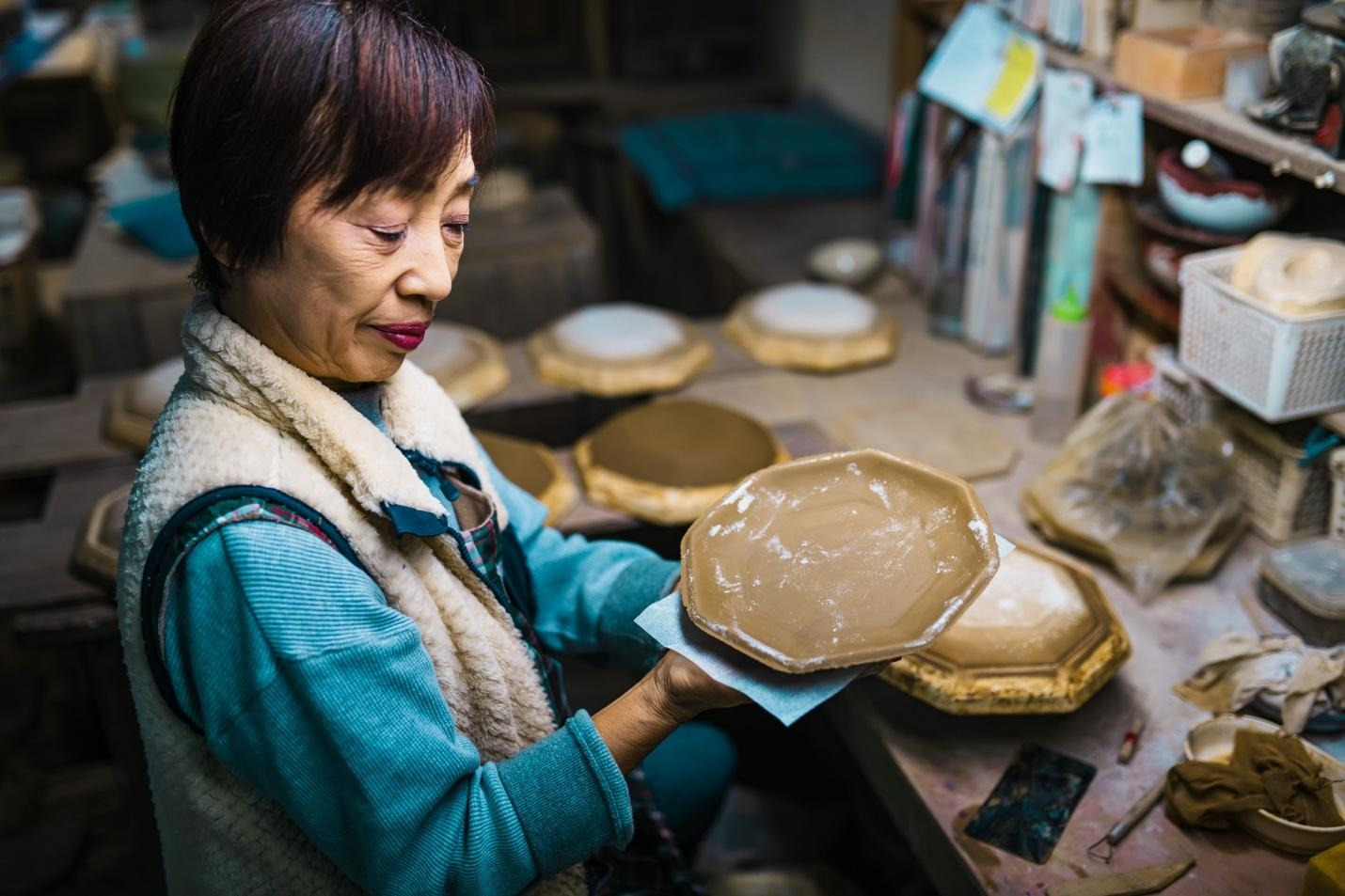
For more than 800 years, potters have used the earthy clay found near Tamba-Sasayama to create coveted Tambayaki pottery. The Tamba ware is considered one of Japan’s Six Ancient Kilns, with a history of producing ceramics for centuries. Like Bizenyaki, the rough, earthiness of Tambayaki had strong appeal to samurai and tea ceremony practitioners, who valued the wabi-sabi character of the products. Tamba ware has a folk art appeal to many ceramic lovers, with items that can be used daily for cooking and at meals, becoming more beautiful as they are used.
A small valley situated between Tamba-Sasayama and Kobe home to about 60 Tamba ware kilns and workshops. One such workshop is Shoyo Gama, where the second and third generation of a prestigious potter family continue their craft. The founder made a name for the family with a beautifully designed shrimp motif, but both his son and grandson have taken their work in very different directions, adapting to changing times. Of course, their work has roots in Tamba ware’s traditional colors: black, white, and ame (a deep brown caramel), but those colors have been augmented with pieces in beautiful hues of blue and yellow.
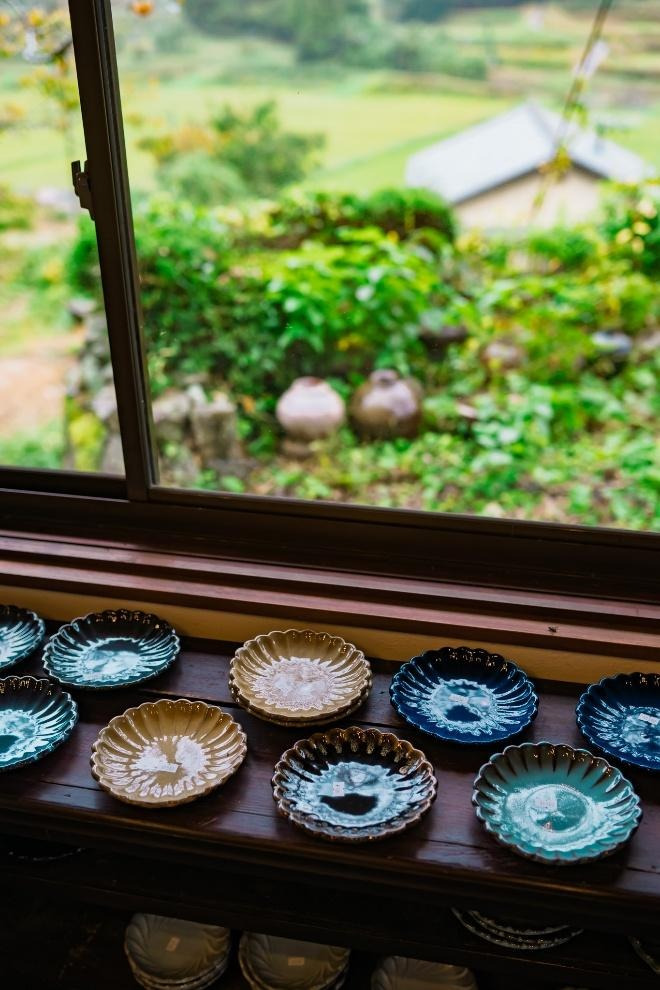
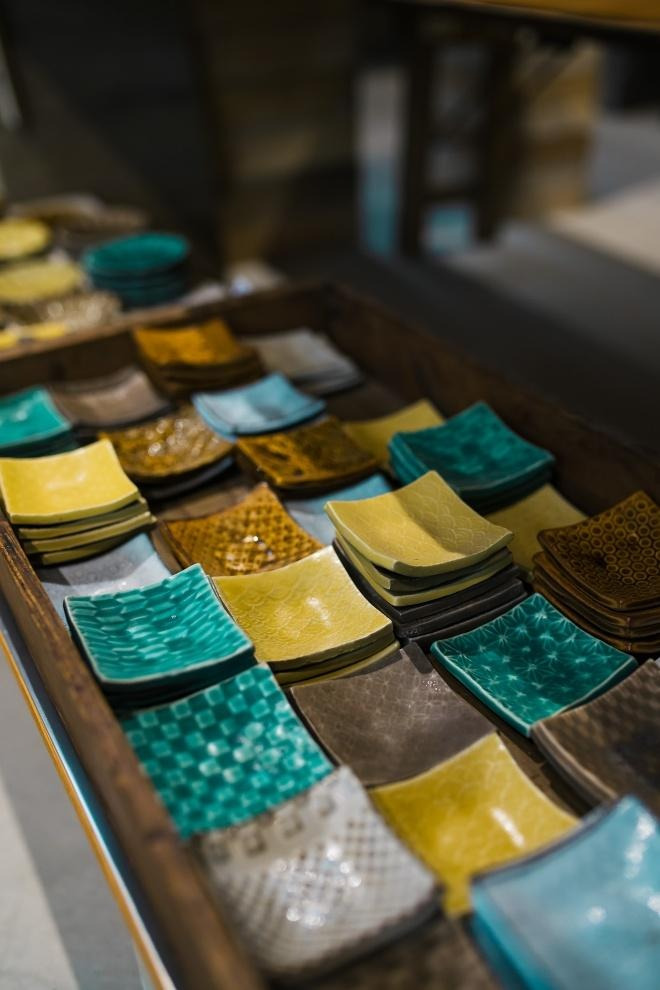
The elder artisan takes me out back to the kiln, built on the hillside as close to a 13-degree angle as possible. It is rarely used, about 60 times in his 40 years as a potter, but it is capable of producing the finest pieces of Tamba ware as opposed to the electric kiln he uses most of the time. I suppose the best comparison is between shooting images on a digital camera or on film; the art comes from the unexpected qualities of the finished product.
The main reason the kiln is rarely used is the labor intensity of the process. To keep the kiln temperature high enough, wood must be fed to the fire several times per hour. This goes on for 2 to 3 days until the firing is complete. Even with a team of people tending the kiln, this is long and difficult work. But it is work that must be done, in part, to remember that Tamba ware is truly a collaboration between man and nature.
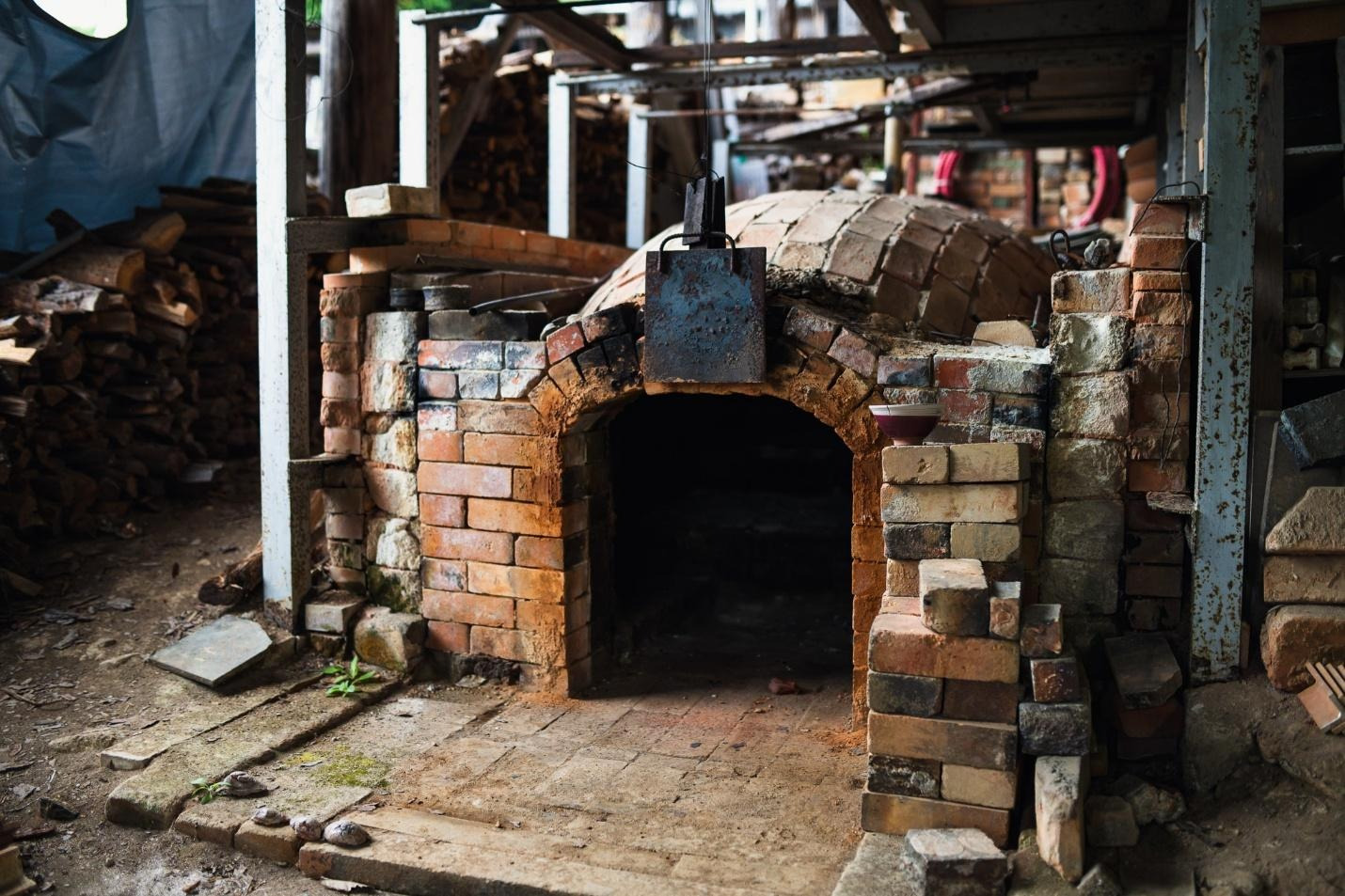
Simply put, it is nature that controls the content of the clay and, to some extent, the heat of the fire in the kiln. The artisan works with the clay to shape it, works with the kiln to fire it, but the final outcome is completely unknown. Even the most perfectly formed piece can crack in the heat of the kiln and be lost forever. And when it does, the artisan simply accepts their loss and transforms the broken pieces into accessories and mosaic tiles.
Each day in Tamba-Sasayama, the farmers rise early and tend their fields, the potters knead and form the clay of the earth, and the shop owners tend to the care of their historical buildings. For them, this is daily life in Tamba-Sasayama, a scene of Japanese traditional culture unrehearsed. I hope, one day, for my grandchildren to see the same scenes played out in this very special place.
Basic Information
Address: Imada-cho Tachikui, Tamba-Sasayama City
Phone: +81-079-597-2213 (Tamba war Shoyo gama atelier and galleary)
Official Website: https://shoyogama.thebase.in/