Experience “Takarazuka Modernism” Through Hot Springs, Cuisine, and Manga
Experience “Takarazuka Modernism” Through Hot Springs, Cuisine, and Manga
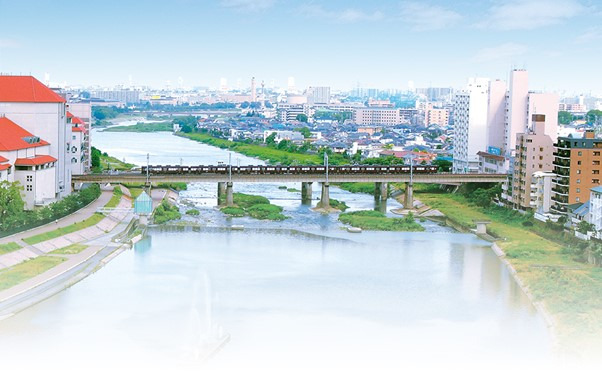
Nestled between Osaka and Kobe along the gentle flow of the Mukogawa River lies the city of Takarazuka.
While many visitors recognize the city for the famous all-female Takarazuka Revue, the theater represents only one facet of its cultural identity.
Look a little deeper, and you will discover riverside hot spring inns, refined seasonal cuisine, and a manga culture that has captivated readers around the world.
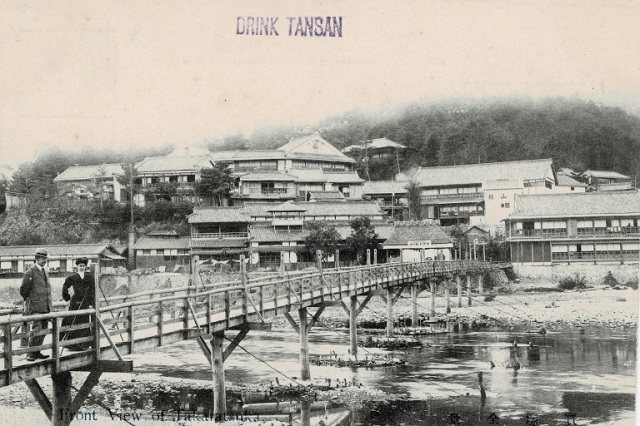
These seemingly different traditions share a common origin in the spirit of “Takarazuka modernism,” a period in the early 20th century when the region developed into a hub of leisure, creativity, and urban culture.
The transformation began in 1897, when the Hankaku Railway extended its line to Takarazuka. According to accounts from the early twentieth century, the railway made the area easily accessible from Osaka, bringing a rapid increase in visitors. As travelers arrived, the number of inns and restaurants quickly grew, laying the foundation for the town’s flourishing hospitality culture. The rise of institutions such as the Takarazuka Revue further strengthened the city’s reputation as a center of leisure and creativity. Today, traces of this vibrant cultural moment can still be experienced across the city, from traditional ryokan and kaiseki cuisine to the creative legacy of manga pioneer Osamu Tezuka.
Takarazuka remains a convenient stop for travelers exploring western Japan. Located in Hyogo Prefecture, which stretches from the Sea of Japan to the Seto Inland Sea, the surrounding region offers a diverse landscape of historic castles, hot spring towns, and vibrant port cities. Kobe, the prefectural capital, is a globally known international port, while the lively commercial center of Osaka and the historic city of Kyoto are both within easy reach. Visitors to the area can also explore iconic destinations such as the UNESCO-listed Himeji Castle and the famous hot spring town of Kinosaki Onsen.
Within this culturally rich region, Takarazuka offers its own unique blend of modern history, hospitality, and artistic imagination.
Hotel Wakamizu
A riverside inn preserving the legacy of Takarazuka Onsen
Standing gracefully along the Mukogawa River, Hotel Wakamizu is a long-established hot spring inn, or ryokan, that carries forward the traditions of Takarazuka’s hospitality. Although located just several minutes from Takarazuka Station, the ryokan feels worlds away from the bustle of the city. From guest rooms and open-air baths facing the river, visitors can take in the gentle flow of the Mukogawa and the changing scenery of the seasons.
The story of Takarazuka Onsen itself stretches back nearly 800 years, when hot springs were first discovered in the area. By the Muromachi period (1336-1573), the springs had already gained recognition as a place for therapeutic bathing. Later, with the arrival of railway lines in the late 19th and early 20th centuries, Takarazuka transformed into a convenient getaway for residents of the Kansai region. Today, Hotel Wakamizu continues to embody this heritage, offering guests a glimpse into the refined hospitality that once welcomed travelers during Japan’s early modern tourism boom.
Inside the ryokan, visitors encounter classic elements of Japanese design that cultivate a sense of calm. One distinctive feature is Mizugoto, a form of sonic hospitality installed throughout the lobby and various indoor spaces. Inspired by the principle of the traditional suikinkutsu, this acoustic device resonates the sound of water droplets within a buried ceramic vessel, creating clear, delicate tones. Evolved for indoor settings, it reinterprets a classical form of auditory play and relaxation rooted in Japanese tradition. Each note that gently echoes through the space embodies the aesthetic sensibilities, spirituality, and philosophy of harmony with nature that lie at the heart of Japanese culture.
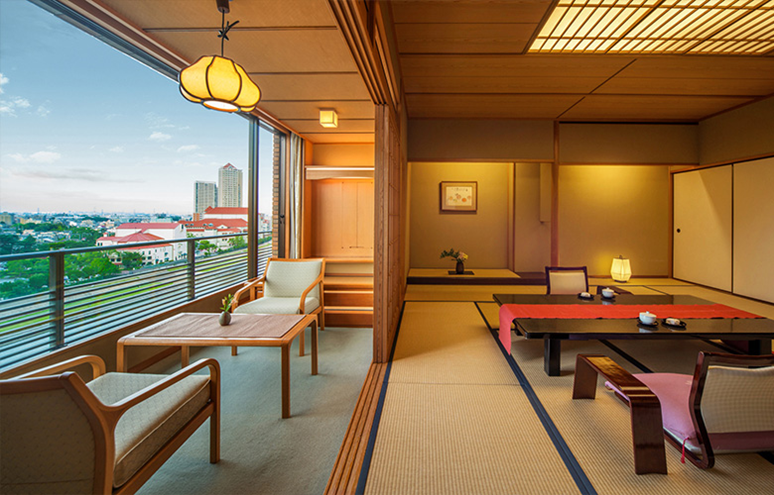
Many guest rooms are traditional tatami rooms, blanketed in soft light that filters through sliding paper screens. From the windows, guests can gaze out over the Mukogawa River and the surrounding cityscape. In the soft morning light, watching the river drift by, one begins to feel the town’s gentle, unhurried rhythm of time.
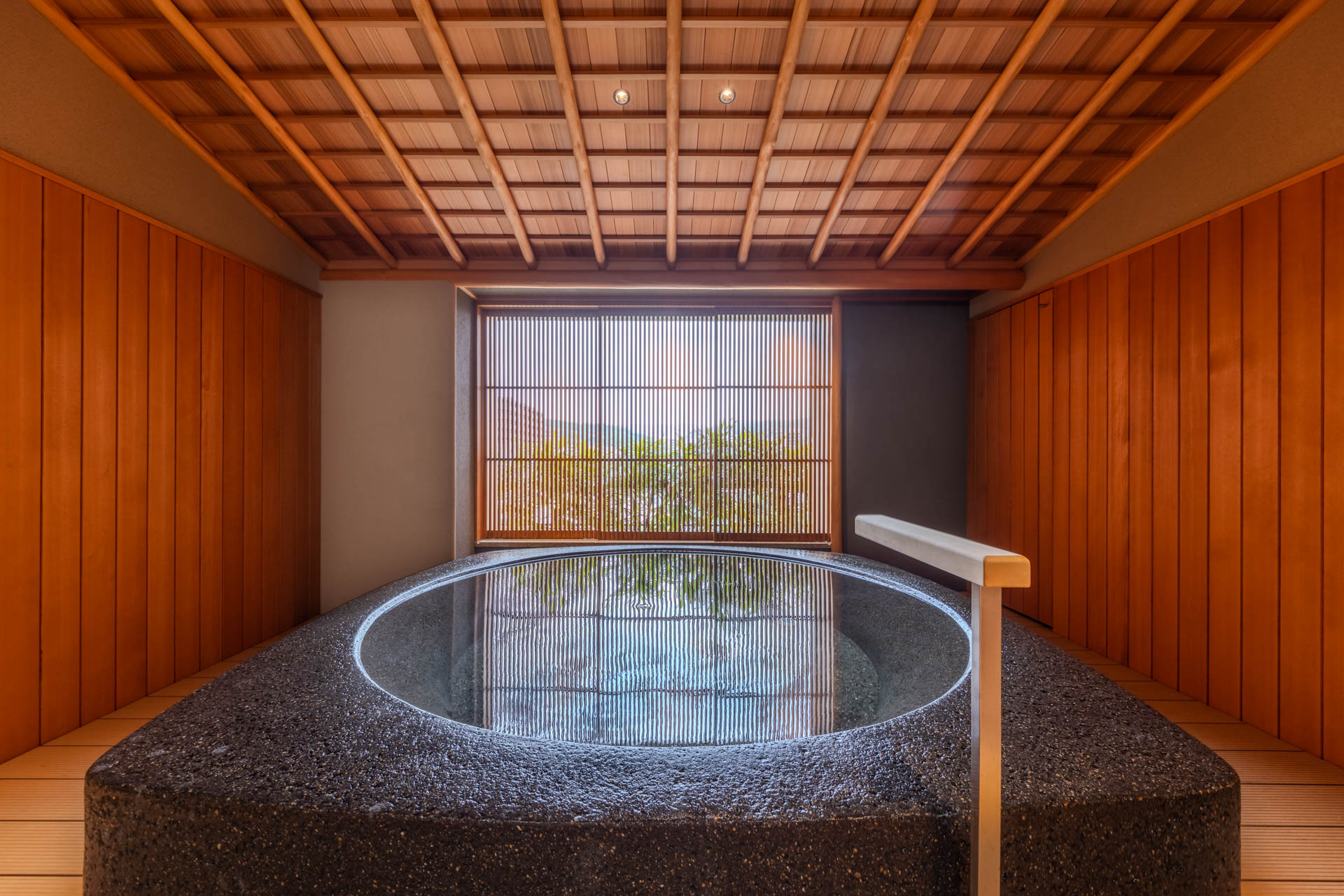
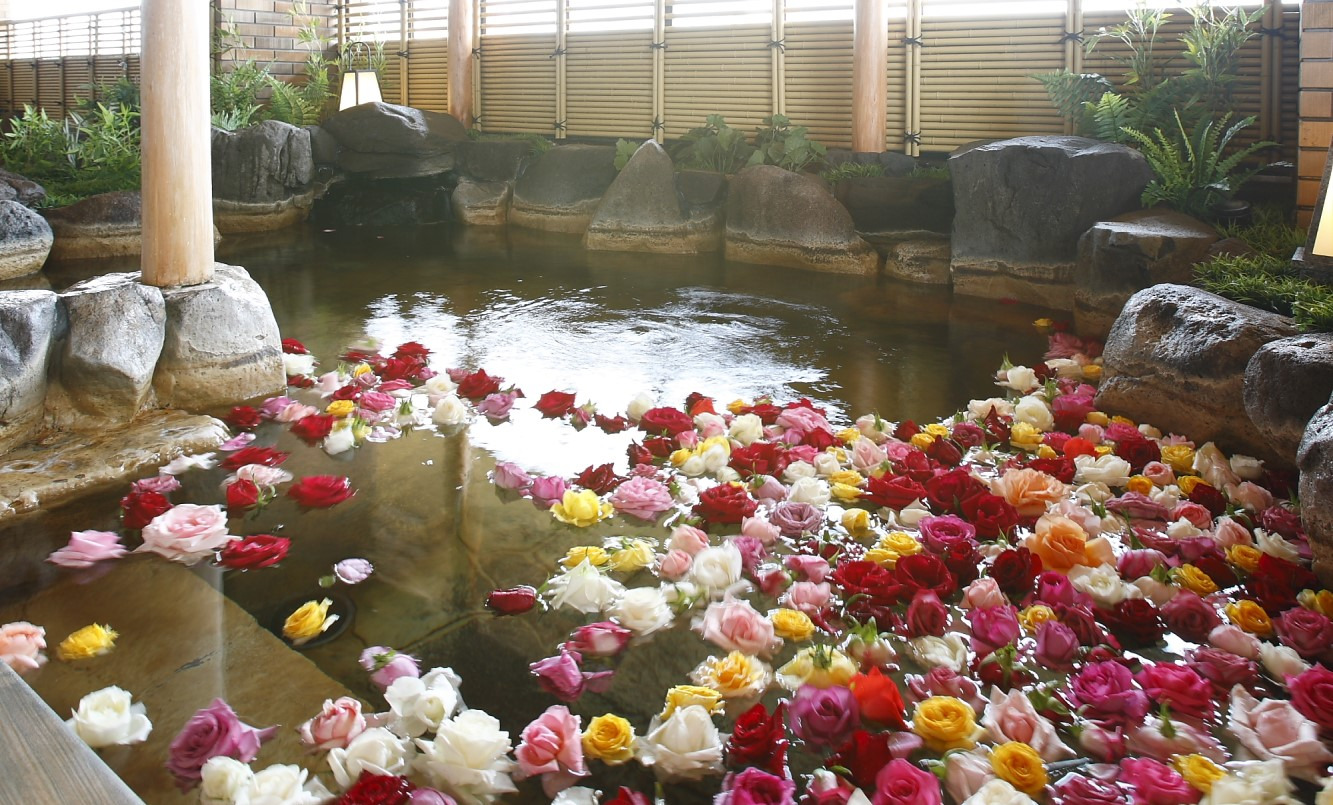
The experience continues in the baths themselves. The inn’s chloride-type hot spring is known for its ability to warm the body deeply, with heat lingering long after bathing. At night, steam drifts from the open-air bath as the crisp seasonal air brushes softly against the skin. Guests can unwind in spacious indoor baths or open-air baths while listening to the gentle flow of the nearby river. One particularly elegant feature is the women-only “Rose Bath,” available every Monday and Saturday,” where around 400 organic roses float across the water’s surface, an indulgent experience inspired by the glamorous aesthetic long associated with Takarazuka’s theatrical culture.
Hotel Wakamizu offers visitors a chance to experience the timeless hospitality of a Japanese ryokan just a short journey from the major cities of Kansai. Here, the hot spring is more than a place to warm the body; it is a space where the pace of everyday life slows, if only for a moment.
Basic Information
Address: 9-25 Yumoto-cho, Takarazuka, Hyogo, Japan
Phone: +81-797-86-0151
Official Website: https://www.h-wakamizu.com/lg_en/
Japanese Restaurant Sazanka
Seasonal kaiseki cuisine overlooking the Mukogawa River
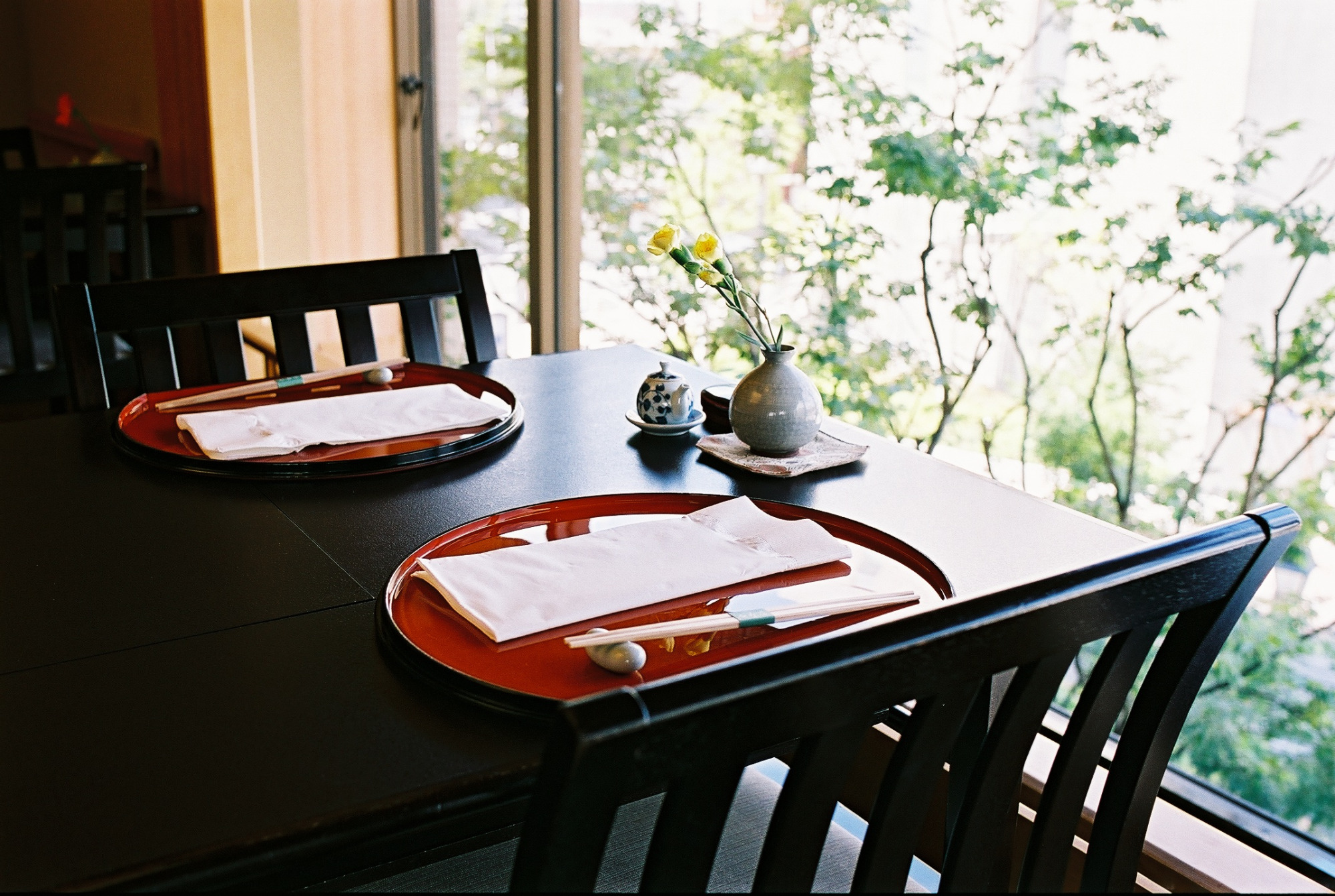
Located inside Hotel Wakamizu, Japanese Restaurant Sazanka offers guests an opportunity to enjoy traditional Japanese cuisine while overlooking the Mukogawa River. The restaurant’s calm interior reflects classic Japanese aesthetics, and large windows frame the changing scenery of the riverside landscape.
Sazanka specializes in kaiseki, Japan’s traditional multi-course haute cuisine using seasonal ingredients. Originally rooted in the culture of the tea ceremony, kaiseki emphasizes seasonality, balance, and the natural flavors of ingredients through a carefully composed sequence of dishes. A typical meal includes appetizers, soup, sashimi, grilled dishes, and other small plates presented in an intentional progression.
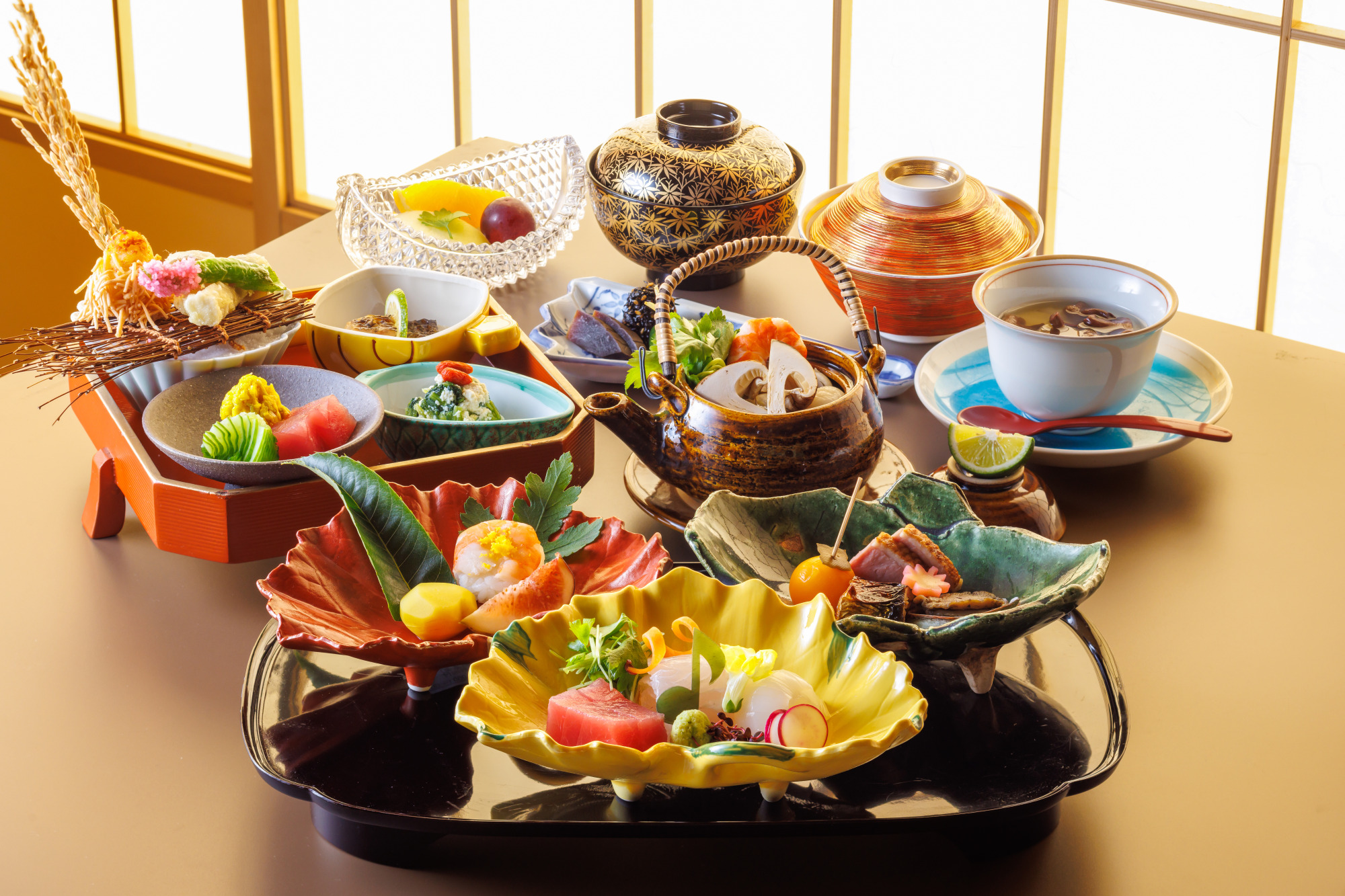
Beyond flavor, kaiseki places great importance on visual presentation: the selection of tableware, the arrangement of food, and the balance of color and empty space all contribute to the aesthetic experience. At Sazanka, ingredients are carefully sourced from nearby regions, including seafood from the Seto Inland Sea and seasonal vegetables and mountain produce from surrounding areas. Chefs select cooking techniques that highlight the natural qualities of each ingredient. Seasonality shapes every menu. Spring dishes may feature wild mountain vegetables and floral motifs, while summer presentations often use cool glassware. Autumn cuisine reflects the colors of maple leaves, and winter menus emphasize warm, comforting preparations.
In addition to lunch and dinner, Sazanka is often used for celebrations, business gatherings, and special occasions. Some plans also combine lunch dining with access to the hotel’s hot spring baths, allowing visitors to enjoy a classic ryokan experience even during a short stay. Together, cuisine and hot springs complete the traditional experience of a Japanese ryokan. Dine slowly while gazing out at the river, and you’ll begin to feel the gentle rhythm of Takarazuka.
Basic Information
Address: 9-25 Yumoto-cho, Takarazuka, Hyogo, Japan (inside Hotel Wakamizu)
Phone: +81-797-86-0123
Official Website: https://www.h-wakamizu-sazanka.com/
Osamu Tezuka Manga Museum
The creative origins of the “god of manga”
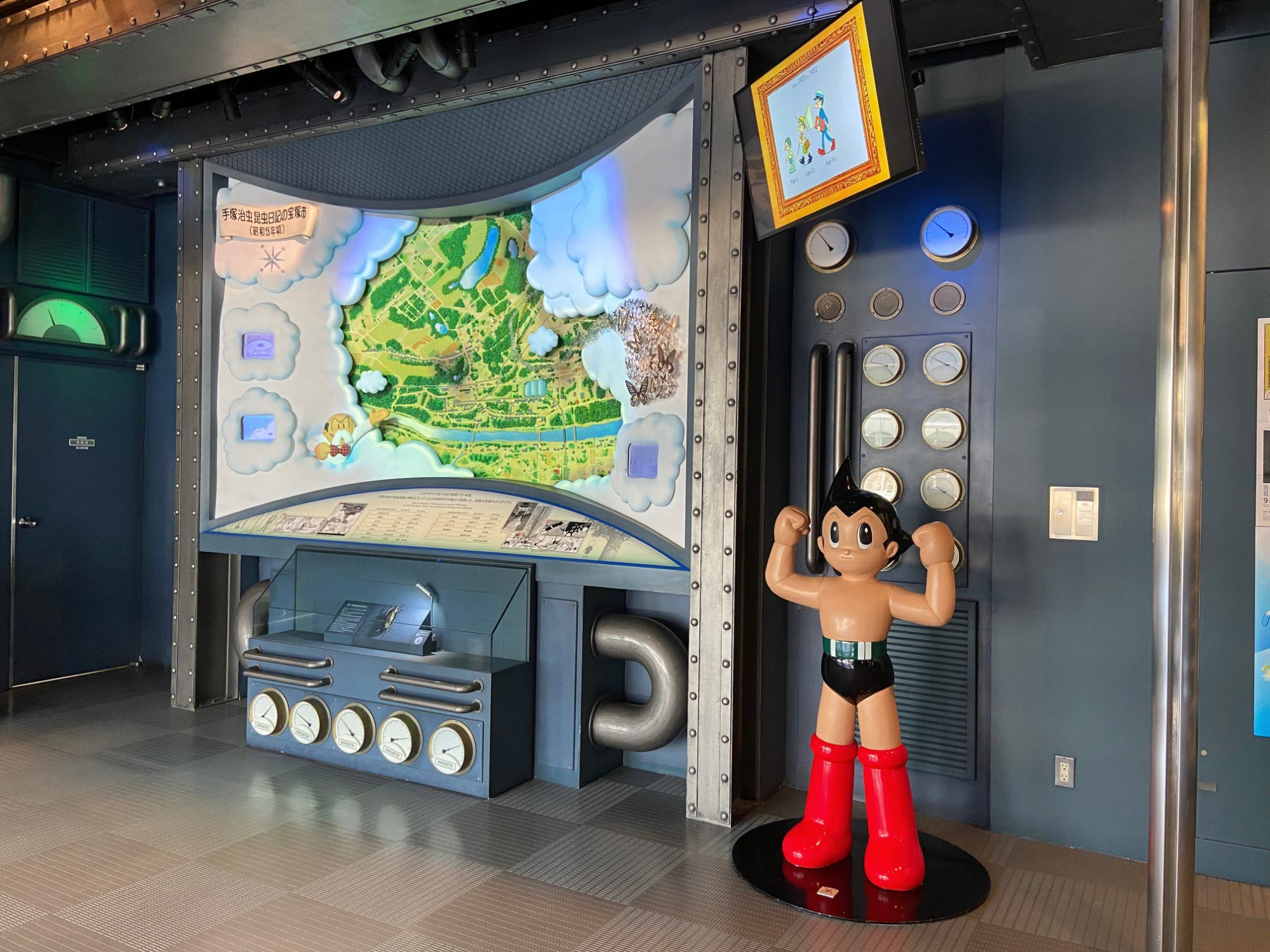
The Osamu Tezuka Manga Museum, opened in 1994, celebrates the life and achievements of Osamu Tezuka, one of the most influential figures in the history of Japanese manga and animation. Often called the “God of Manga,” Tezuka revolutionized storytelling through works such as Astro Boy, “Black Jack”, “Phoenix”, and “Princess Knight”.
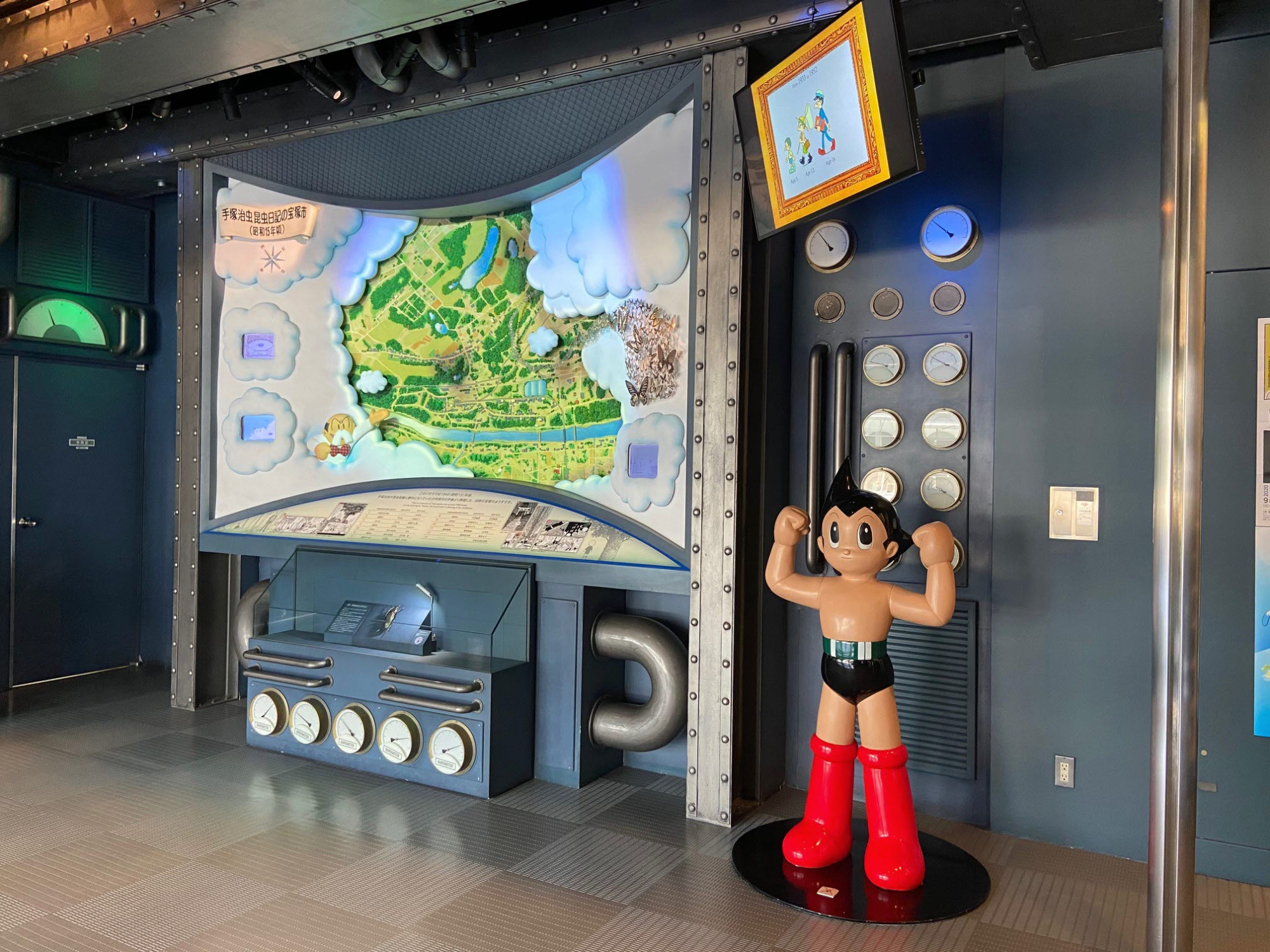
Born in Osaka in 1928, Tezuka spent much of his childhood in Takarazuka. Surrounded by nature, he developed a fascination with insects and the natural world, frequently collecting and observing them. This early interest later influenced the recurring themes of life, ecology, and interconnectedness found throughout his work.
Another important influence was the Takarazuka Revue, whose glamorous stage productions and dramatic storytelling left a strong impression on the young artist. Inspired by this influence, Princess Knight—created by Osamu Tezuka—is regarded as Japan’s first story-driven shōjo manga. Techniques such as the depiction of sparkling, star-filled eyes became one of its defining features and went on to shape the visual language of shōjo manga for generations to come. The natural and cultural landscape of Takarazuka had contributed to the birth of manga culture.
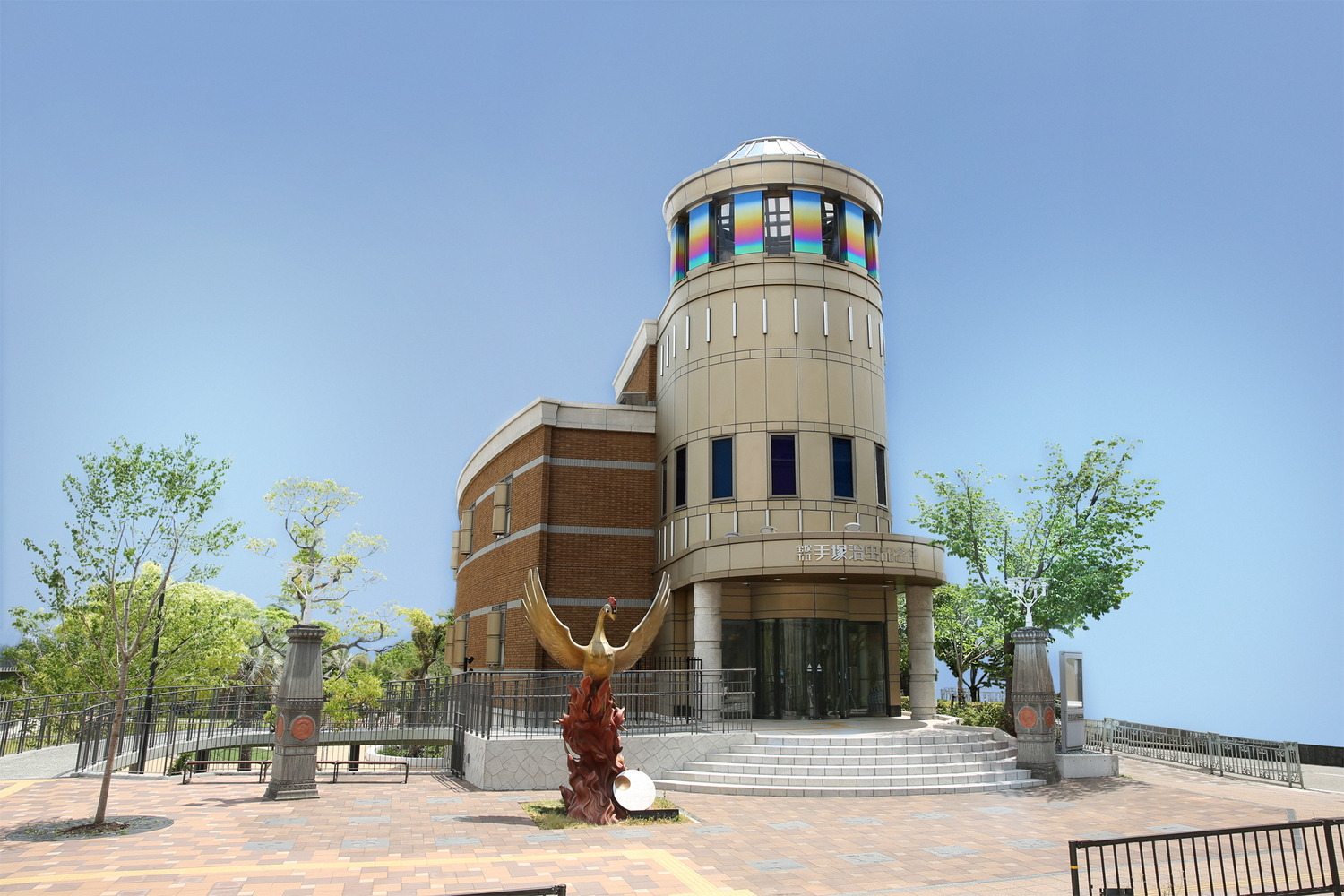
At the museum entrance stands a statue of the Phoenix, the symbolic figure from Tezuka’s epic series Phoenix. The museum showcases archival materials that trace the development of Tezuka’s creative career and the evolution of Japanese manga and animation. Interactive exhibits allow visitors to explore the animation production process, while a small theater screens animated works and related materials, creating an environment that both adults and children can enjoy. The museum highlights Tezuka’s enduring themes of the value of life and humanity’s relationship with nature, a sensitivity he cultivated during his youth in Takarazuka.
Basic Information
Address: 7-65 Mukogawa-cho, Takarazuka, Hyogo, Japan
Phone: +81-797-81-2970
Official Website: https://www.city.takarazuka.hyogo.jp/tezuka/
Takarazuka: A City of Culture and Modernity
The warmth of hot springs, the craftsmanship of seasonal cuisine, and the imagination of a manga pioneer: these cultural threads come together as foundations of Takarazuka.
Spend time soaking in a riverside hot spring, savoring refined kaiseki cuisine, and discovering stories that have traveled across the world through manga. As you explore the town, you begin to sense how past and present quietly intertwine. Takarazuka refuses to remain a static relic of its past legacies. It is a city that continues to inspire new culture, inheriting not only the physical traces but the spirit of Takarazuka Modernism.