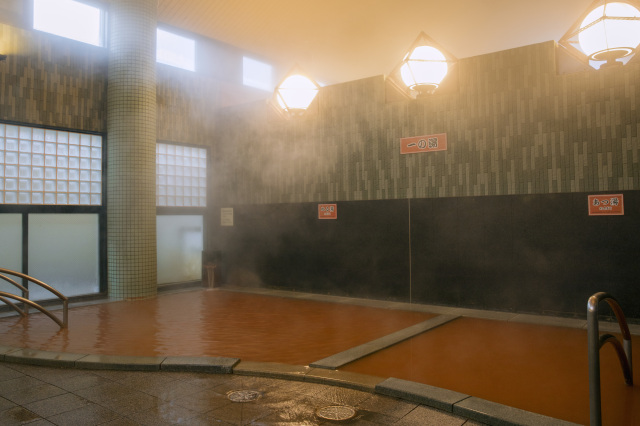
Flowing With Time - The Craftsmanship of Hyogo
Flowing With Time - The Craftsmanship of Hyogo
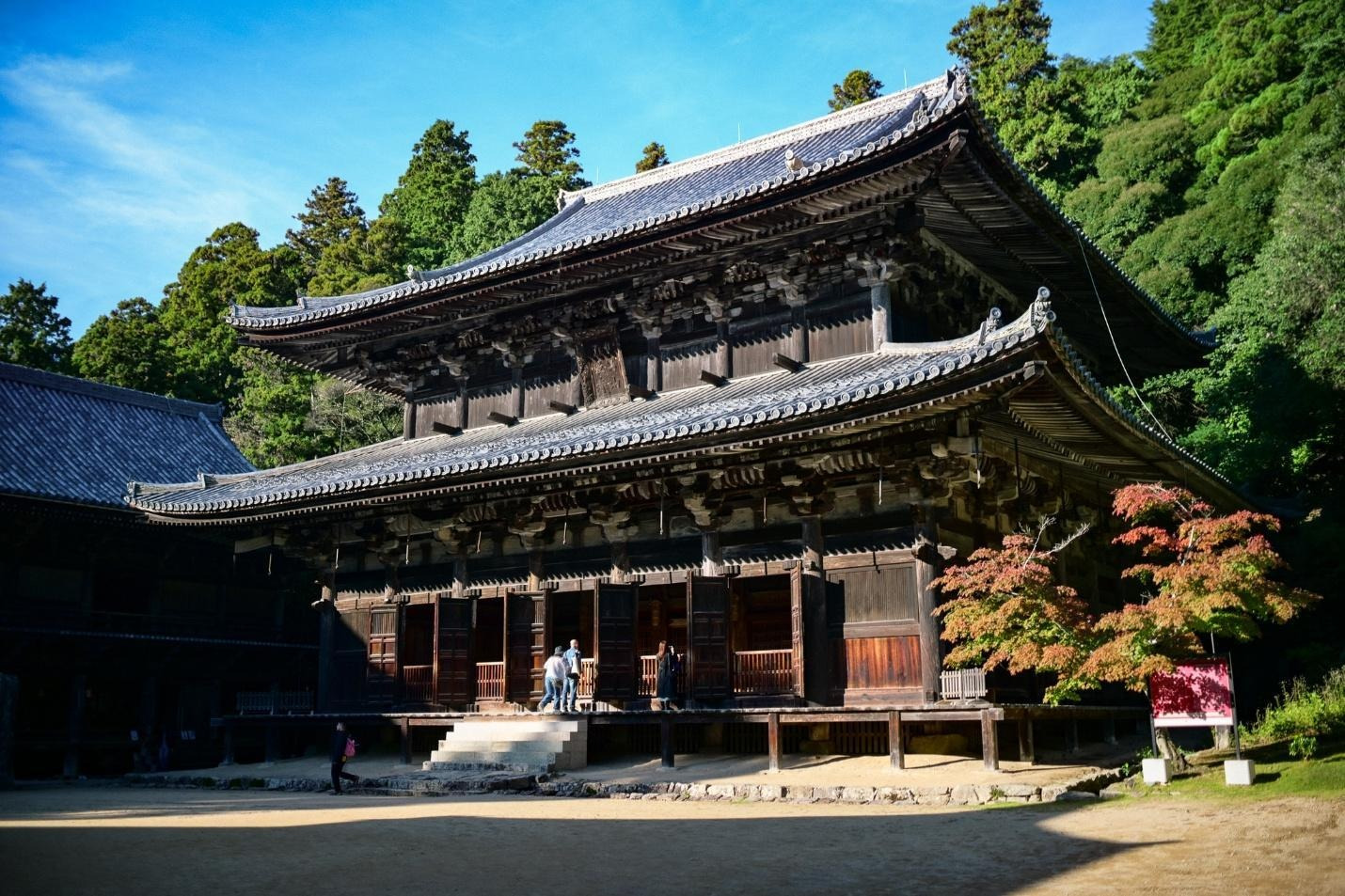
The impenetrable walls of Himeji Castle. The sun-warmed wooden floors of Shoshazan Engyoji Temple. The sweet and savory flavors of Himeji’s confectioneries and Tatsuno’s soy sauce breweries. At first glance, no apparent relationships exist among these iconic images of historic Hyogo, but a common thread ties them together. This is an exploration of the timeless craftsmanship of the region, craftsmanship that began centuries ago but still thrives today, a way of life that is not only a tradition but a matter of cultural survival.
Himeji Castle - The 400-Year-Old Fortress With a Zen Aesthetic
Nearly year-round, large numbers of visitors come to see what is considered the pinnacle of Japan’s Edo Period architectural wonders: Himeji Castle. The grandeur of the castle in its sheer immensity often overshadows the obvious question: how did a four-hundred-year-old castle survive for centuries, both as a physical structure and a cultural icon?
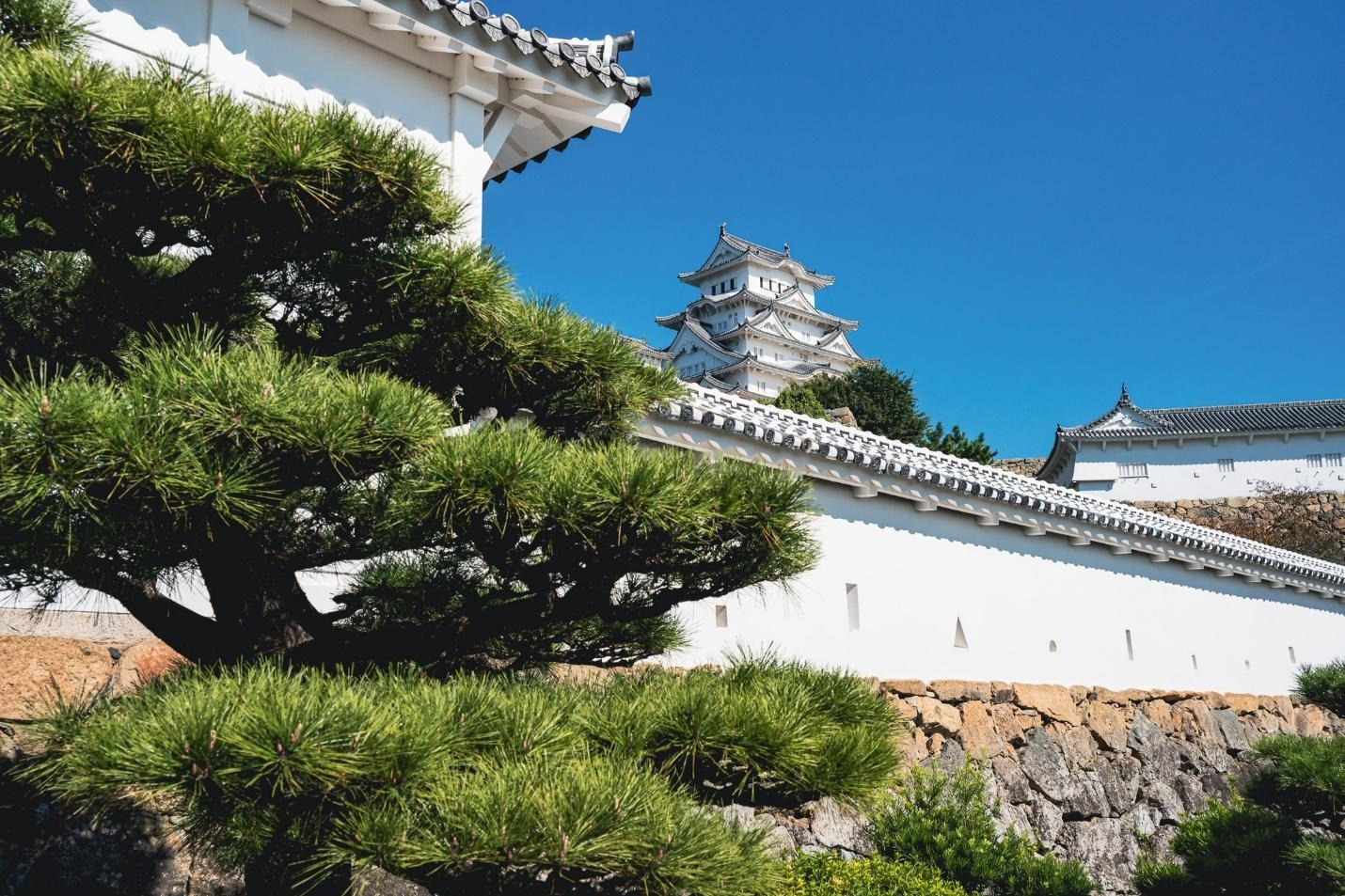
Built as the Tokugawa Shogunate’s stronghold facing western Japan, where many of the daimyo lords who unsuccessfully opposed Tokugawa originated from, Himeji Castle’s formidable appearance served as a visual deterrent to anyone foolish or ambitious enough to consider rebelling against the Shogun. But beyond its white plaster exterior, the castle was more than capable of backing up the image it projected as indefeatable.
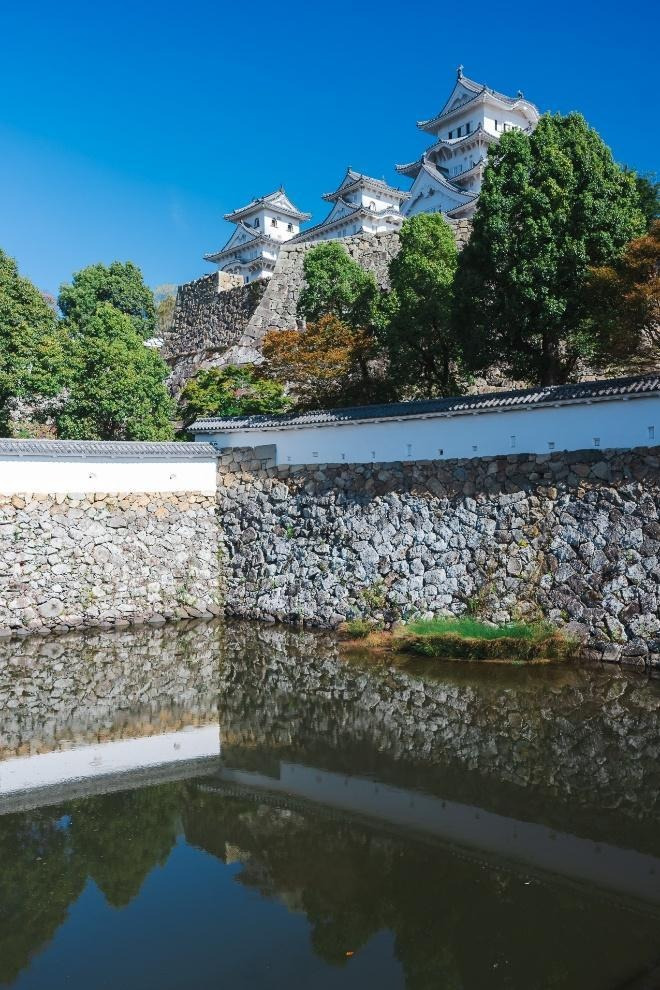
The architect of Himeji is thought to be Ikeda Terumasa, who was awarded the castle for his loyalty to the Tokugawa Shogunate in 1600. In just 8 years, Ikeda greatly expanded the castle to its current state, building up unscalable stone walls, a maze-like approach filled with traps and flanking positions, and a seven-story keep that appears to be only five stories high. Even with modern technology, I have difficulty imagining the construction of such a building in so short a time, yet Ikeda accomplished the feat with the use of man and beast, not machinery.
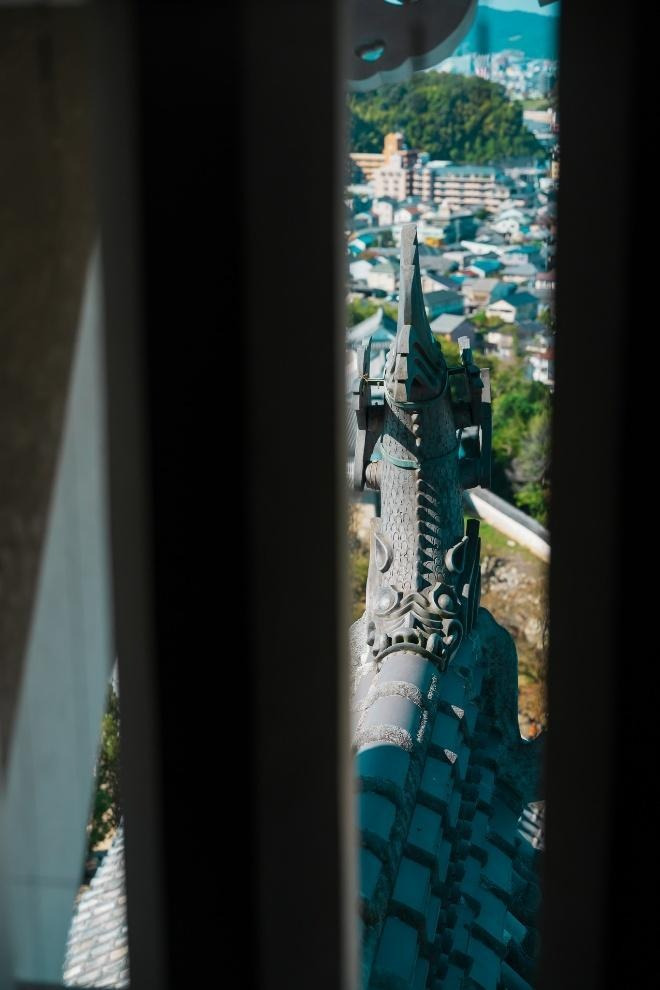
Two 25-meter pillars provide the main support of the castle keep. The East Main Pillar dates to the original construction 400 years ago, while the West Main Pillar is a replacement from about 70 years ago, when the original was found to have some rot. When replacing the West pillar, the modern construction crew came to understand the incredible challenges the initial builders must have faced. Locating a tree in Japan tall and strong enough to serve as a replacement pillar was nearly impossible, and when they finally found one, it was dropped and broken in two during transport. The broken base was kept as it was and joined with a tree cut from another mountain to form a single pillar, the handiwork of which can be seen on the third floor of the castle keep.
The first testimonial for the quality of the building’s construction came during World War II. The city of Himeji had been heavily bombed twice, and the castle was the only major structure left standing. The castle was also struck by a bomb, which did not ignite, and the castle sustained no other major damage during the war. The second came in 1995, when the Great Hanshin-Awaji Earthquake decimated nearby Kobe City. But yet again, the nearly 400-year-old castle withstood the powerful shaking and sustained little damage.
If Himeji Castle were an architectural masterpiece based on strength alone, that alone would make it remarkable. Yet somehow, Ikeda also incorporated a design aesthetic that stands the test of time alongside the timber and stone. Standing outside on the castle grounds, I could easily see the subtle design elements at play. Principles of wabi sabi, popular among Zen-practicing samurai, are evident in the slight misalignment of the eaves on each floor of the keep and in a decorative tile intentionally installed upside-down. “Lantern” windows shaped like the bells of Buddhist temples and adorned with black lacquer and gold leaf can be seen in one of the small keeps. And the entire castle, stretched out across Hyogo’s clear blue sky, is often referred to by its nickname, “White Heron Castle,” for its elegant form, which is evident both near and far away.
Basic Information
Address: North side of Sannomaru Square, Himeji Castle, 68 Honmachi, Himeji, Hyogo
Phone: +81-79-285-1146
Official Website: https://www.city.himeji.lg.jp/castle/index.html
How 1,000-Year-Old Engyoji Temple Could Conceivably Last Forever
Not far from Himeji Castle, I ride the silent Shoshazan Ropeway to the top of Mount Shosha, where panoramic views of Himeji City and the Harina Plain grow more dramatic as we near the summit. Years ago, Mount Shosha would have been climbed on foot by pilgrims wishing to worship at the temple atop the mountain. The relative distance from the urban center and the strenuous climb to the top would have created both physical and psychological distance from everyday life, a distance that likely manifested as a spiritual environment for those wishing to detach from their worldly worries.
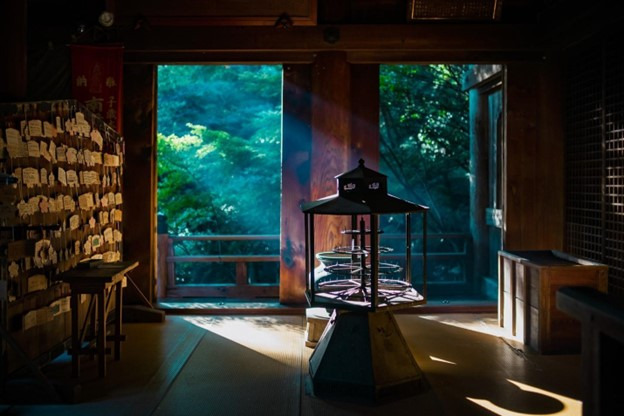
Engyoji Temple complex is sprawled amongst the forest; its majestic wooden structures have stood here almost continuously for over a millennium. By design, which legend says was inspired by the divine, the temple feels like part of the natural landscape. Indeed, the Mani-den, supported by tall pillars against the rugged mountain face, feels like an extension of the mountain itself; standing on the veranda with the sun shining down on its timber frame, I feel like a bird among the treetops.
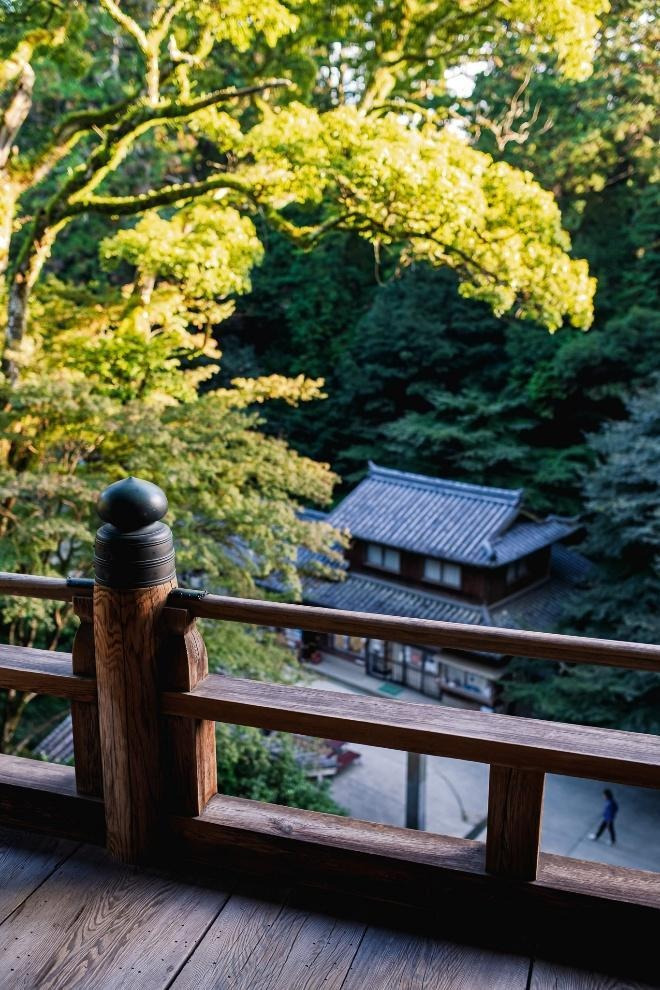
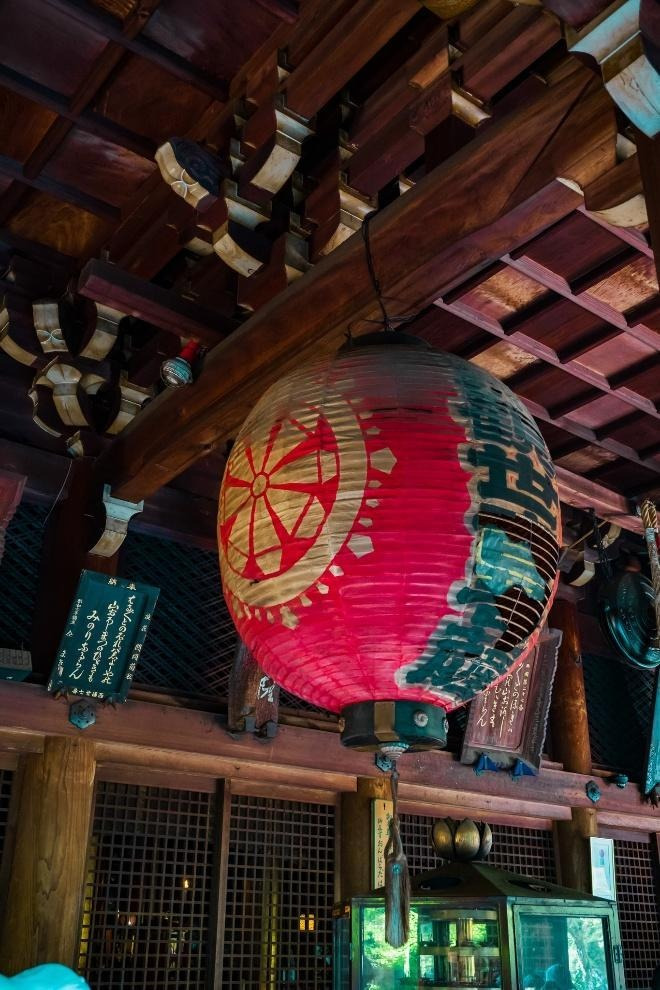
The constructs are spacious, like the outdoors brought indoors. Incense wafts from burning sticks to the rafters, the smoke disappearing as if going up to the heavens themselves. Quiet voices echo like the soft wind blowing through tree-covered ravines. The warmth of the wooden pillars, rails, and doors is a constant reminder of the temple’s harmony with nature. Engyoji is a place of prayer and meditation, and its architecture supports and fosters that atmosphere of peace.
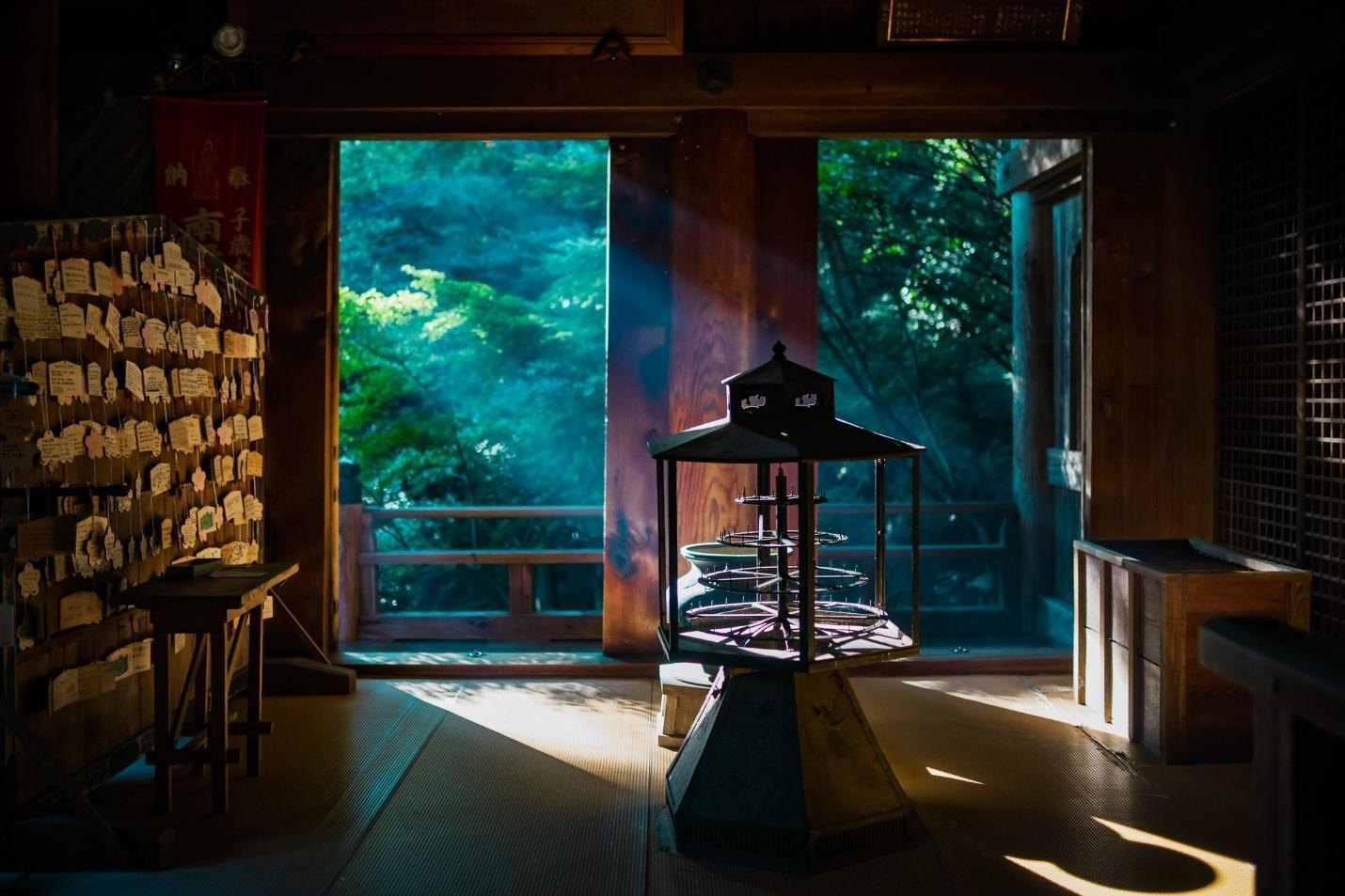
Mani-den was founded around 970, when Buddhist monk Shoku Shonin had a vision of a celestial maiden worshipping a cherry tree at this location. He carved a statue of the goddess of Mercy into the tree, and later the building was constructed on pillars, looking much as it appears today.
Yet, like so many of Japan’s historic buildings from ancient times, the Mani-den I visited today wasn’t the same one from over 1,000 years ago. Miraculously, the temple lasted nearly 1,000 years but was destroyed in a fire in 1921. The building I saw, touched, and admired was a reconstruction completed in 1933, created by surveying the remains and using structural data from previous research. Without being told this fact, however, I would never have known, judging by the detailed kigumi (nailless joinery) work, authentic fixtures, and the complete lack of modern construction techniques.
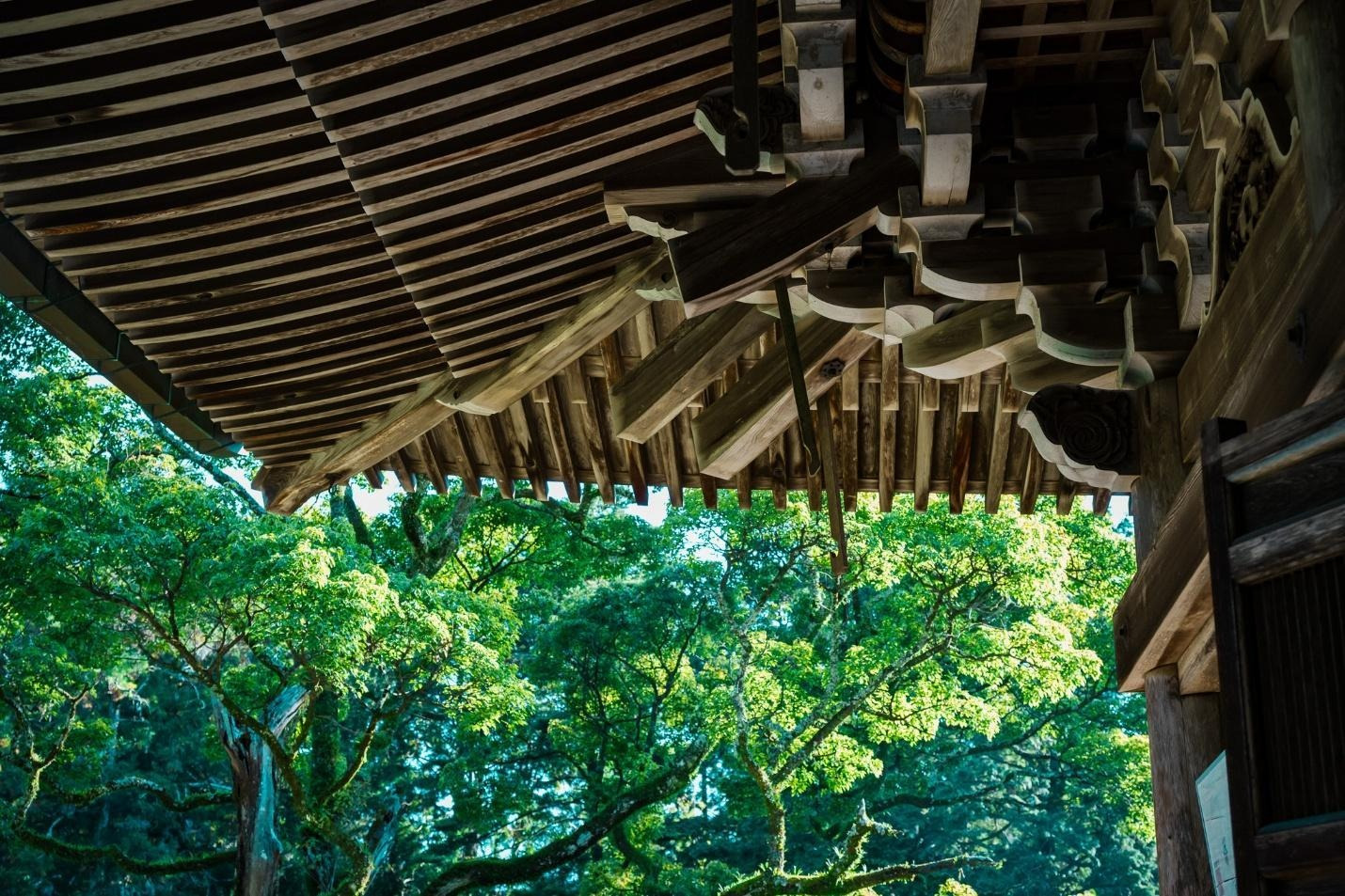
Similarly, the ancient Jiki-do dormitory was built to near completion in 1348 when construction suddenly stopped. It remained unfinished until 1959, when it was entirely dismantled and rebuilt, finally completed in 1963.
There is one simple explanation for how a building like Mani-den could be burned to the ground and rebuilt almost identically to its original form, and why Jiki-do could be unfinished, dismantled, and rebuilt to completion 600 years after its foundation: the tradition of construction techniques faithfully handed down from generation to generation. Without the passing of this critical knowledge, there would be no one left in Japan to rebuild or repair ancient buildings, and they would eventually disappear or be replaced by modern replicas lacking the soul of the originals. For this reason, several of Japan’s major shrines have a tradition of being rebuilt in their entirety every few decades, preserving the construction know-how for future generations.
Basic Information
Address: 2968 Shosha, Himeji, Hyogo, Japan
Phone: +81-79-266-3327
Official Website: http://www.shosha.or.jp/_en/
Wagashi and Soy Sauce - Traditions Need To Evolve To Survive
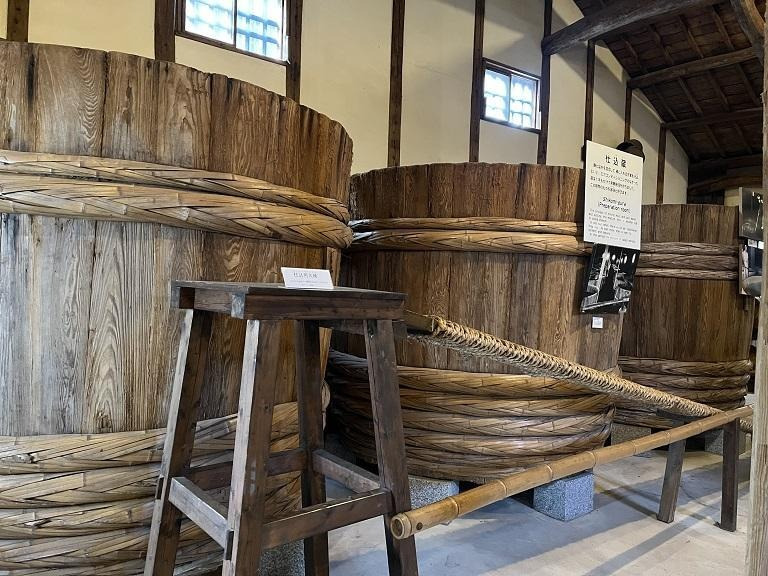
A copper ten-yen coin gains me admission to the Usukuchi Tatsuno Soy Sauce Museum, an unassuming museum of Kansai culinary history housed in the red-brick former headquarters of the Higashimaru Shoyu (soy sauce) Company in Tatsuno City. With limited English explanation, the museum is about immersion into the world of soy sauce brewing, a process with over 400 years of history that was altered in this city around 1660. Until that time, typical soy sauce was dark and thick, with pronounced flavors that often dominated the foods it seasoned.
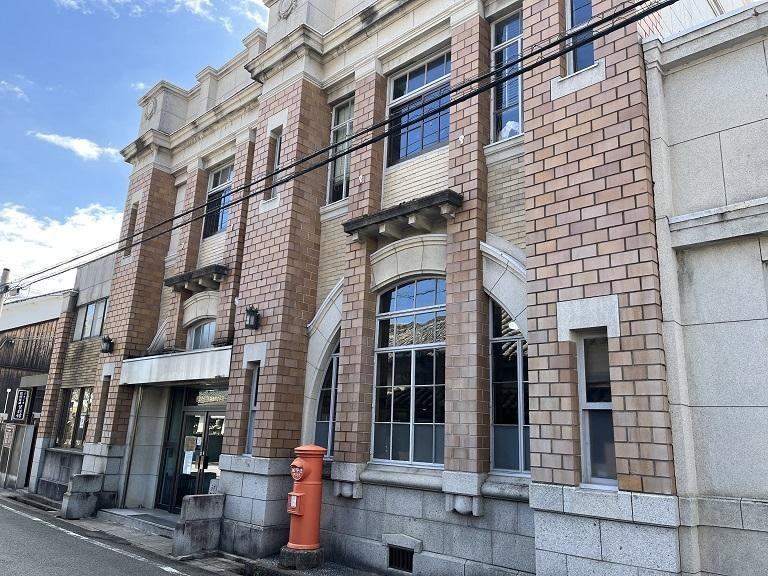
Tatsuno is the birthplace of usukuchi soy sauce, a lighter variety which allows the flavors of the ingredients to shine through, forever changing the style of Kansai cuisine. The soy sauce made in Tatsuno was also infused with amazake, non-alcoholic sake, giving it a sweet taste without the use of other sugars. It is a staple of Kansai cuisine, an ingredient so integral that most Kansai cooks couldn’t imagine life without it.
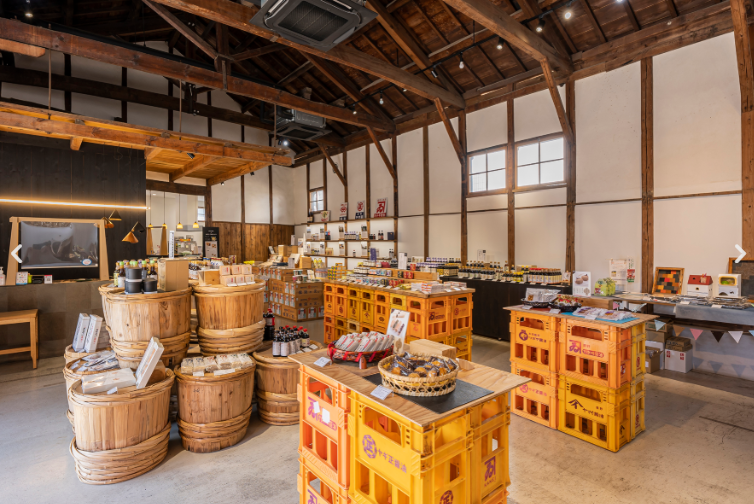
I didn’t have to go far to learn how usukuchi soy sauce is being used in the region. Kura Terrace Tatsuno is located in a renovated early-20th-century storehouse, serving dishes using seasonally changing local ingredients seasoned with the unique style of soy sauce created here over 350 years ago. Kura Terrace also serves and sells traditional ingredients that are produced in the area: Tatsuno-grown rice, Yumesaki-produced eggs, and an assortment of fermented seasonings.
When Tatsuno first created usukuchi soy sauce, the addition of amazake and the light brown color might have been met with scorn. Today, however, the changes made to the traditional brewing process are viewed as another form of traditional brewing, proving that one need not stick strictly to the playbook to maintain a tradition.
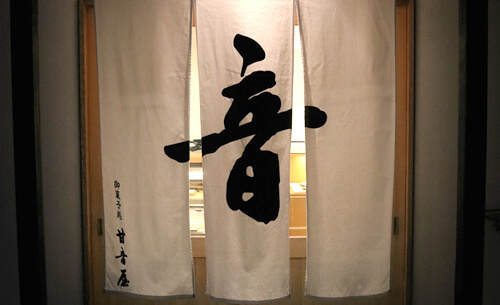
Amaneya is a Himeji-based traditional sweets shop that creates elegant, delicate sweets usually paired with Japanese green tea or matcha. The shop embraces its traditional roots through its simple decor, a clean white noren hanging over the entrance, warm woods, and white plaster. Many of the products are largely unchanged from what was popular during the Edo Period. Amaneya also invests in local initiatives to preserve culture for future generations, such as renovating traditional houses for community- and tourist-oriented events.
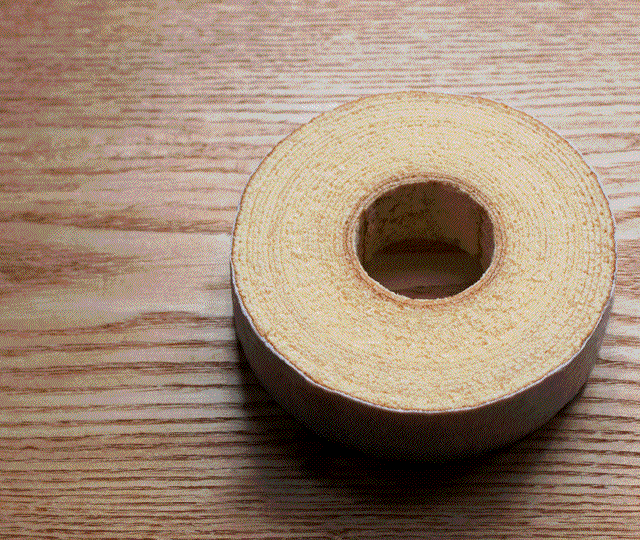
But Amaneya doesn’t shy away from the future ahead of them. The changing Japanese palette has created opportunities for new types of sweets, and global supply chains bring the company ingredients from all over the world. As current owner Masashi Mori explains, a roll cake may not be a Japanese invention, but a roll cake created with the spirit of Japan can still be called wagashi (Japanese sweets). In his eyes, local ingredients or traditional cooking styles do not inherently make food “Japanese.” Instead, the craftsperson behind the products, who creates sweets that resonate with customers' hearts, is where the spirit of the craft lies.
Basic Information
the Usukuchi Tatsuno Soy Sauce Museum
Address : 54-1 Ote, Tatsuno-cho, Tatsuno, Hyogo
Phone :+81-791-63-4573
Official Website : https://www.higashimaru.co.jp/enjoy/museum/index.html
Kura Terrace Tatsuno
Address : 126 Kamikasumijo, Tatsuno-cho, Tatsuno, Hyogo (inside Soy Sauce Village Taisho Roman Hall)
Phone :+81-791-72-9291
Amaneya
Address : 5 - 200 Kamada, Himeji, Hyogo
Phone : +81-792-39-1220
Official Website : https://www.kamada-amaneya.com/english/
The Land That Flows With Time
A surface glance at the traditional culture of Himeji, Engyoji, and Tatsuno might make one believe these places are stuck in a moment in time, standing against the tide of time to preserve an era long past. As you can see, however, Hyogo isn’t stuck in time but flowing with it, maintaining traditional processes for the past, present, and future. In many cases, Japanese craftsmanship isn’t about following ancient processes, but about learning how to use aspects of traditional processes to serve future generations, both residents and visitors.