Find Himeji Castle, the remains of Akashi Castle and Ako Castle, and plenty of other historic destinations in the Harima area
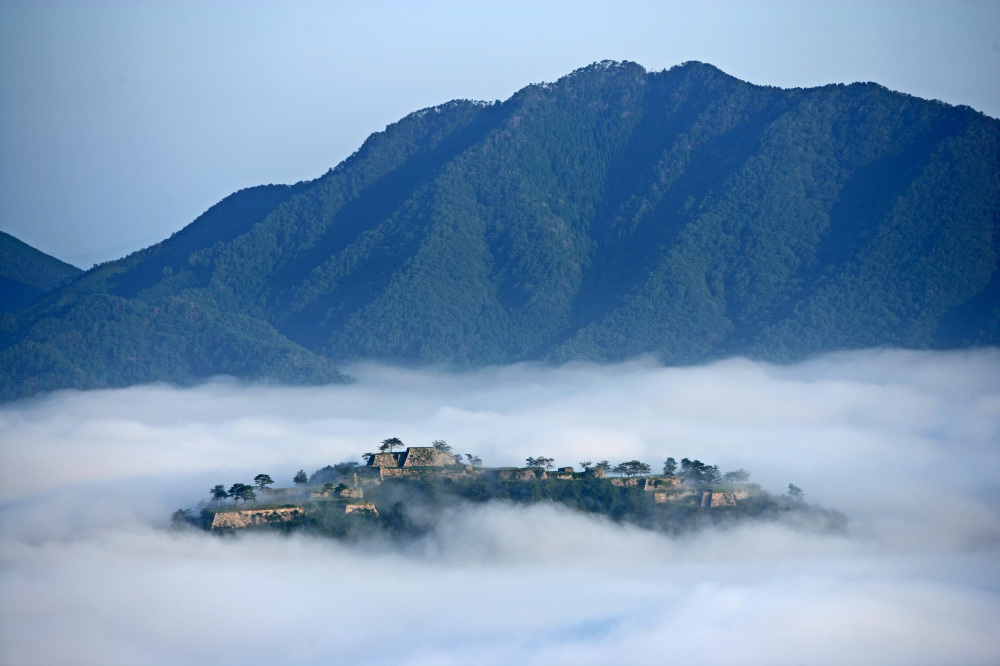
The Harima area was an important stage for events in Japanese history—for example, it holds World Heritage site and National Treasure Himeji Castle and was the location of the revenge of the 47 Ronin. Visitors can enjoy both its long history as a strategic spot for transport connecting the capital (Kyoto was the capital of Japan until 1868) with the western regions of Japan and its lush natural world facing the Seto Inland Sea, and this article gives a full introduction of its charms!
INDEX
What kind of place is the Harima area?
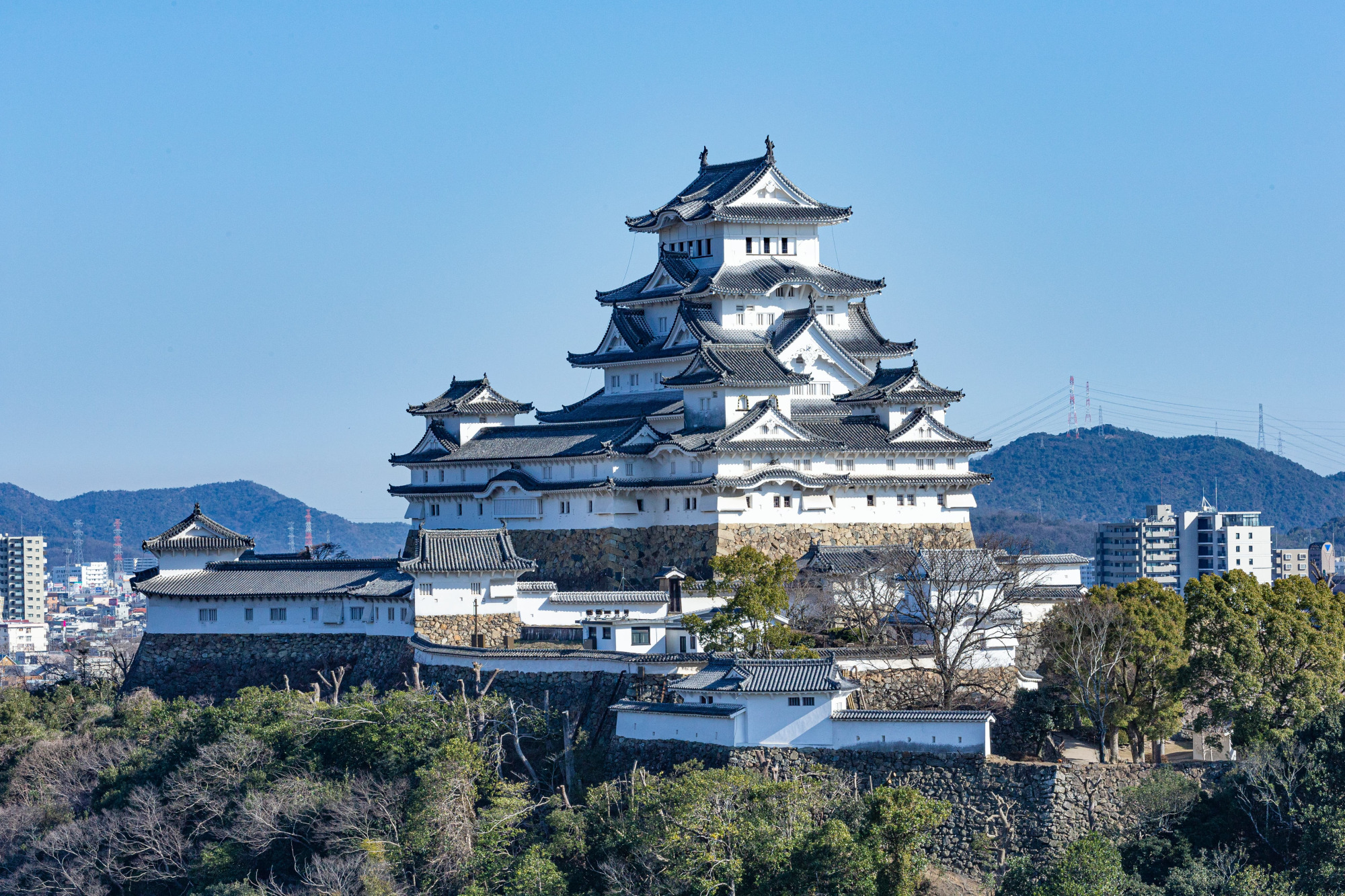
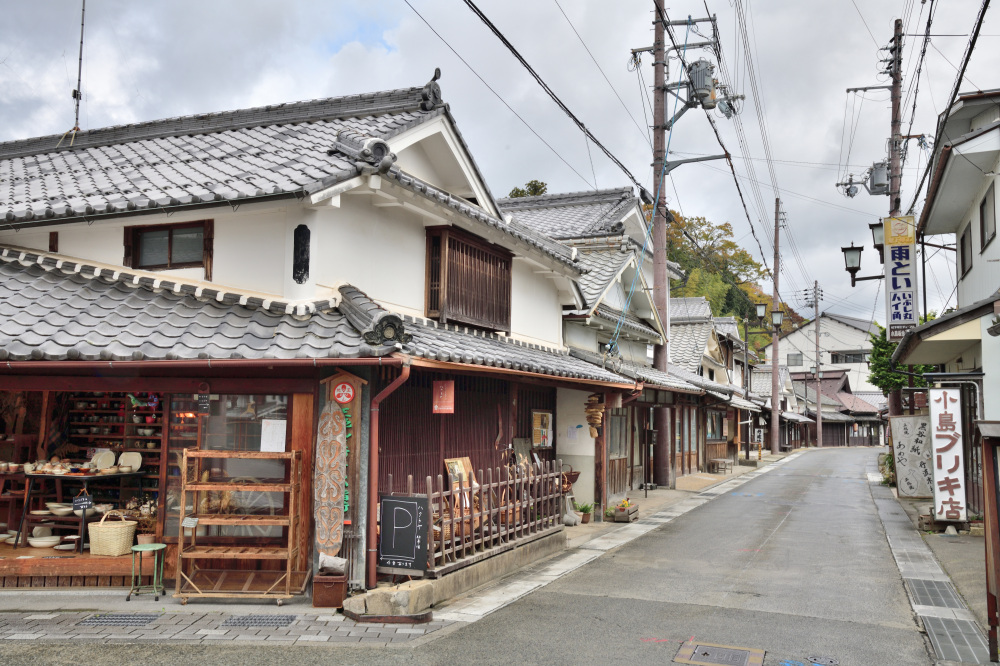
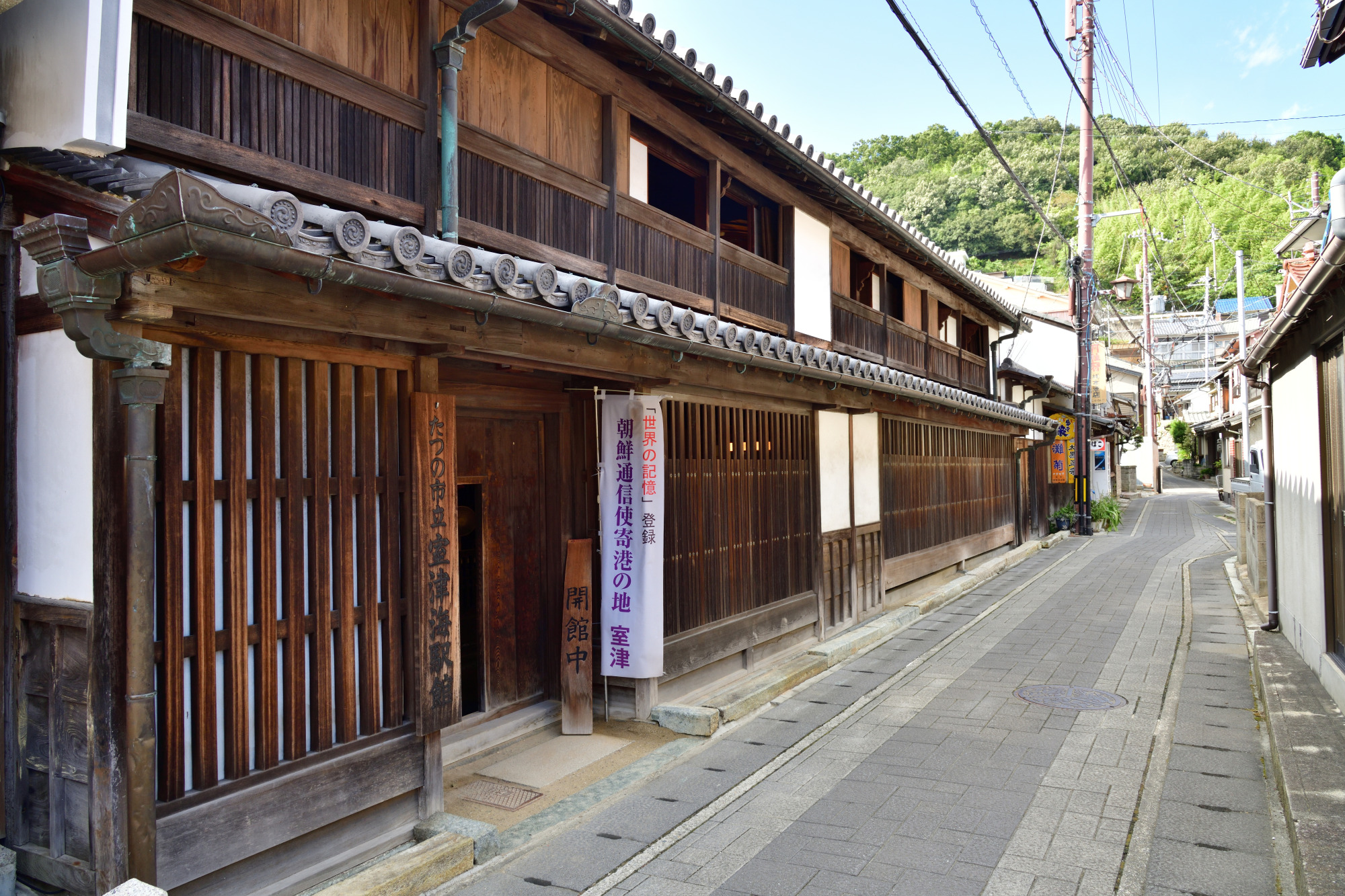
The vast Harima area lies in the southwest of Hyogo Prefecture, and includes Akashi City, Kakogawa City, and Himeji City. One of its appeals is the fun of a trip immersed in history, including the castle town of World Heritage site and National Treasure Himeji Castle; the castle town of Ako, famous for the story of the 47 Ronin; and Tatsuno City and its castle town, nicknamed the “little Kyoto of Harima.” You’ll also find traditional industries that developed with its rich natural world, gourmet foods, and leisure facilities dotted around the area.
History and origins of the Harima area
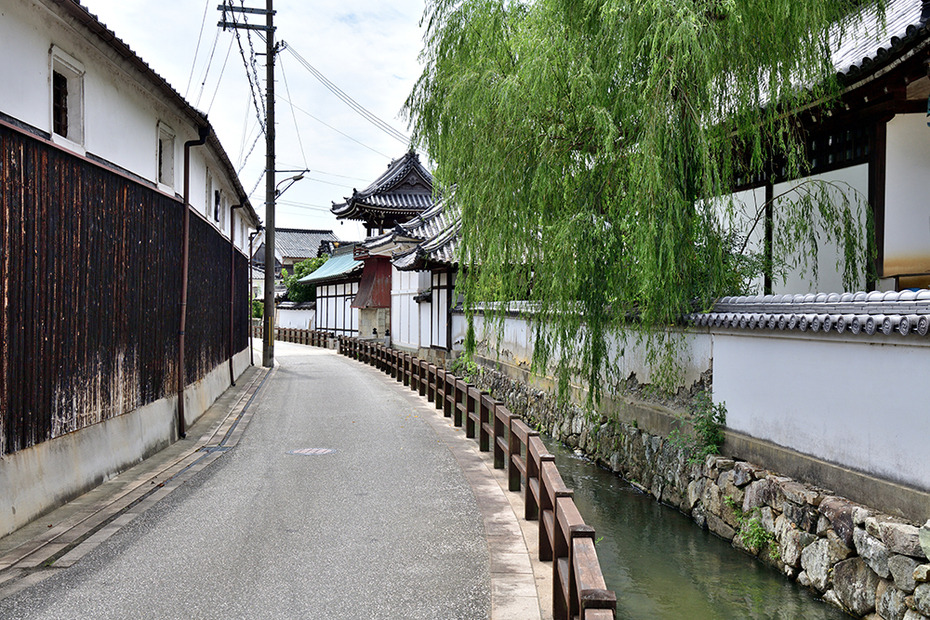
Historically, the Harima area was known as Harima Province. Its strategic location connecting the capital with the western provinces, the fertile Banshu Plains created by the Ibo River and other waterways, and the richness of the Harimanada Sea into which those waters pour meant that it was the stage for various historic events. Numerous castles and fortifications were constructed here, and each of their castle towns fostered a unique traditional culture.
Popular sightseeing destinations in the Harima area
The Harima area has the largest land area in Hyogo Prefecture, so it boasts an abundant variety of highlights. Visit World Heritage site and National Treasure Himeji Castle, experience traditional culture in a castle town such as Akashi and Ako, and enjoy the stunning scenery of the beautiful islands in the Seto Inland Sea and a relaxing time in an untouched natural world. We’ve picked out several popular destinations for this article.
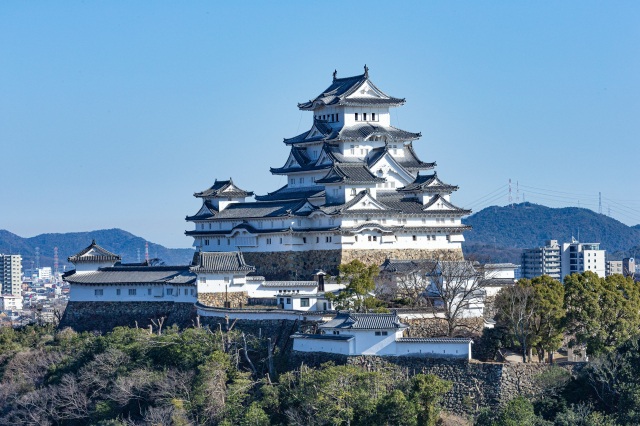
- Himeji Castle
- This famous castle is representative of Japan, being the country’s first registered UNESCO World Heritage site together wi…
- See More
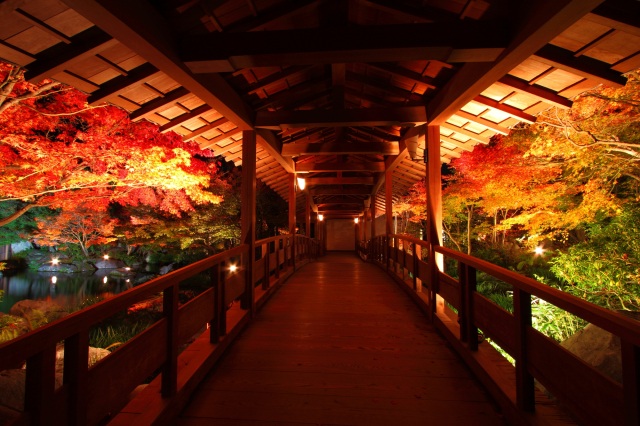
- Koko-en Garden
- Koko-en garden is located on the former site of the Nishi-oyashiki, the western residences of World Heritage Site Himeji Castle.…
- See More
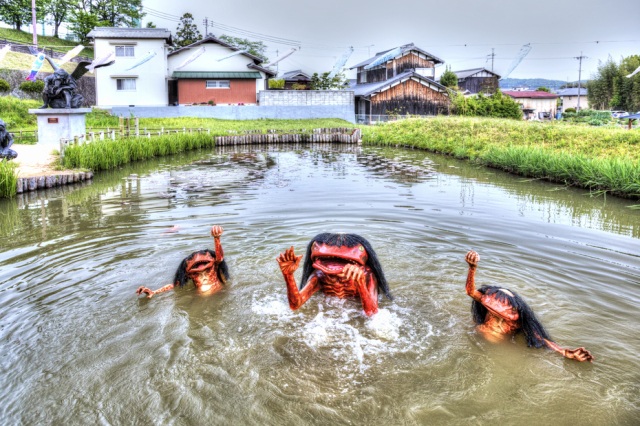
- The kappas named Gataro and Gajiro
- Fukusaki Town in Hyogo Prefecture is known as the “yokai town” (yokai are creatures that appear in Japanese folklore…
- See More
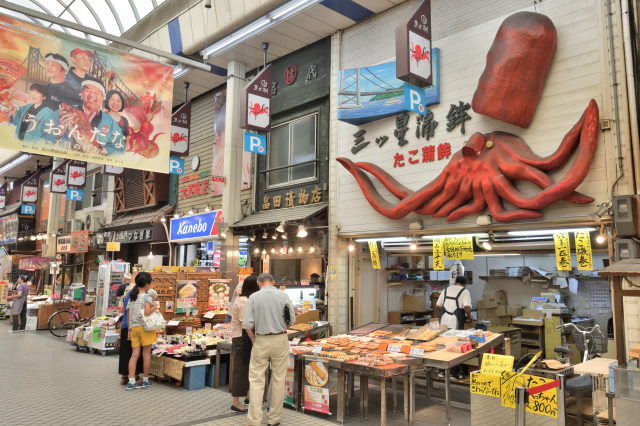
- Uonotana Shopping Street
- Uonotana Shopping Street is located around three minutes’ walk from Akashi Station, and is a well-loved shopping area affe…
- See More
- Sunflower Hill Park (Himawari-no-oka Park)
- Sunflower Hill Park is a restful location surrounded by lush nature and seasonal flowers. In the summer, the southern flower fie…

- See More
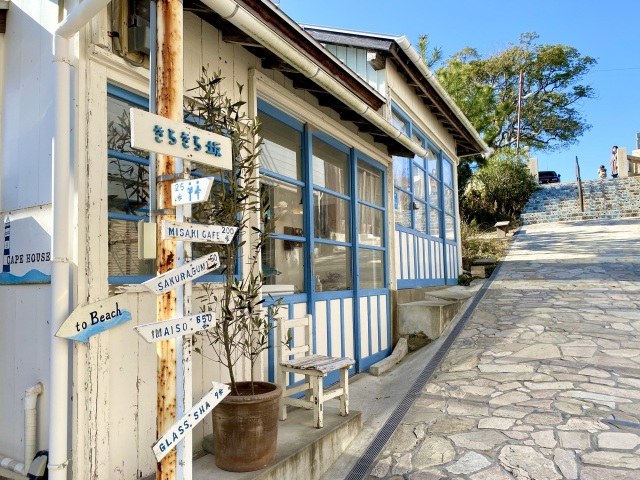
- Kirakira Slope
- Kirakira Slope, located on Ako city, is a romantic pathway that charms with beautiful scenery and the reflections of the light. …
- See More
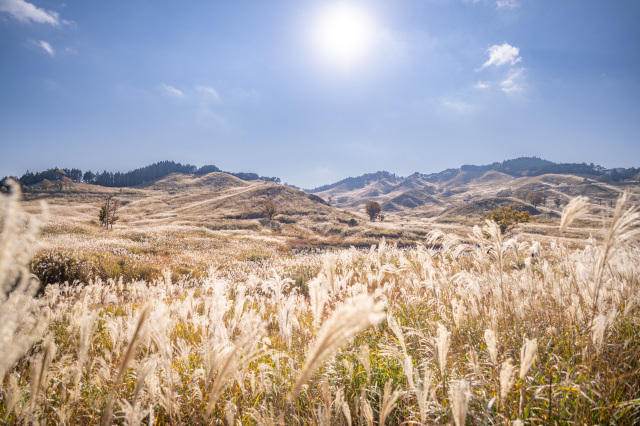
- Tonomine Highlands
- The Tonomine Highlands in Kamikawa Town in Hyogo Prefecture is a magnificent plateau stretching across an elevation of 900 meter…
- See More
Specialty products, specialties, and recommended gourmet in the Harima area
One of the joys of travelling is discovering specialty products, specialties, and gourmet foods that have evolved and developed from tradition. Famous examples from Harima include handicrafts and industrial goods such as the Banshu abacus and Banshu-ori textiles, as well as hand-pulled somen noodles (known as Ibonoito) and Tatsuno light soy sauce.
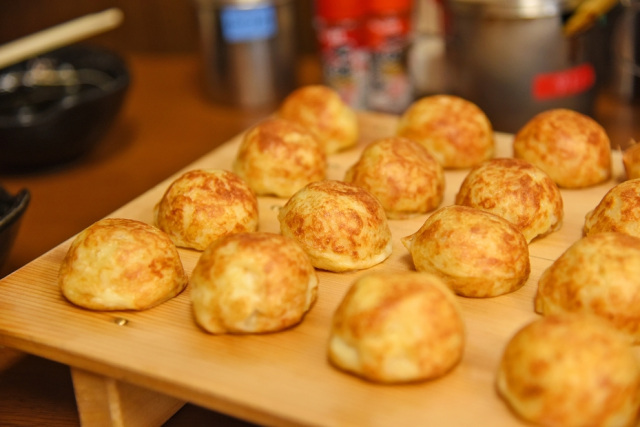
- 1. Akashiyaki (tamagoyaki)
- Akashiyaki is a regional gourmet dish known locally as “tamagoyaki.” You’ll find many Akashiyaki vendors in Uonotana Shopping Street in the center of Akashi City, where you can enjoy trying their different dishes.
- See More
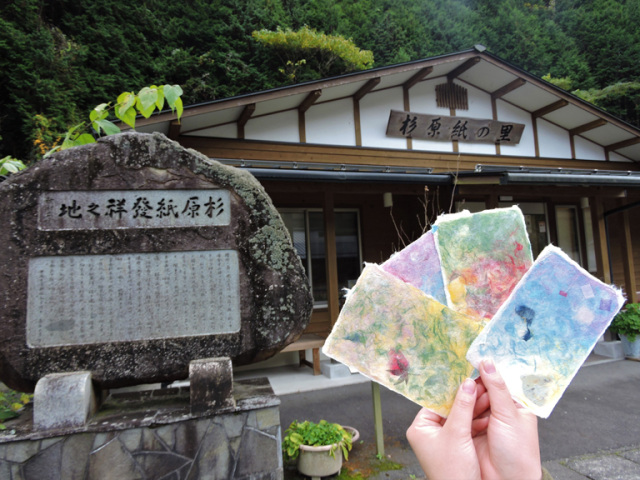
- 2. Sugihara-gami paper
- Sugihara-gami paper is a high-quality, naturally white Japanese paper with more than a millennium of history and tradition. It has been designated an Important Intangible Cultural Property and Traditional Craft Product by Hyogo Prefecture. Some facilities offer paper-making experiences—we hope you enjoy!
- See More
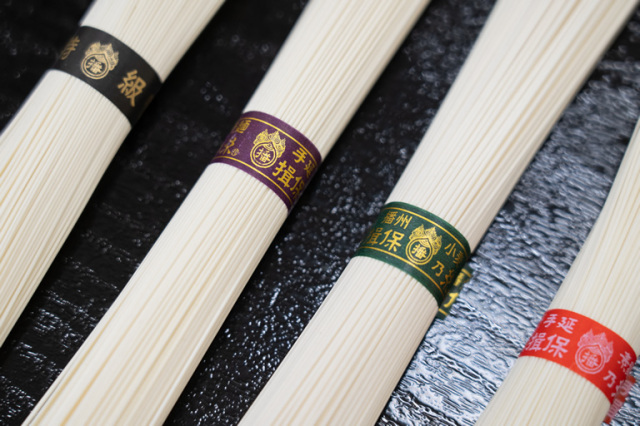
- 3. Ibonoito
- Ibonoito is one of Japan’s three major somen noodles. Benefitting from the local terroir and ingredients such as the waters of the Ibo River, the wheat harvested from the Banshu Plains, and salt from Ako, Ibonoito accounts for around 40% of hand-pulled somen noodles in Japan.
- See More
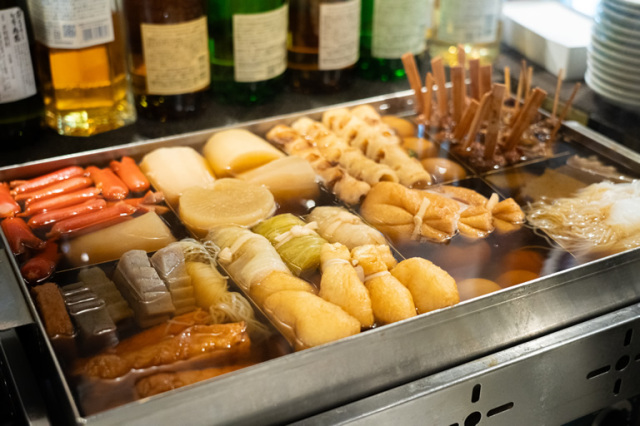
- 4. Himeji oden (hot pot)
- Himeji Oden, thoroughly steeped in broth made from kombu and katsuo (skipjack tuna), can be enjoyed by pouring ginger soy sauce made with plenty of ginger over it or dipping it in the sauce. Make sure you try the authentic Himeji style, made with local specialty Tatsuno light soy sauce.
- See More
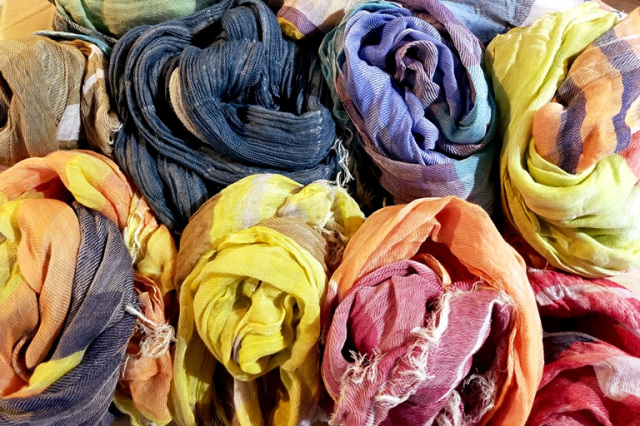
- 5. Banshu-ori
- Banshu-ori is a cotton textile that boasts more than 230 years of history, and a local industry of Nishiwaki City. Its strength lies in the fact that it is yarn-dyed, meaning that the threads are dyed before weaving, and by changing the colors and combinations of the warp and weft, the weavers can create depth of color and complex patterns.
- See More
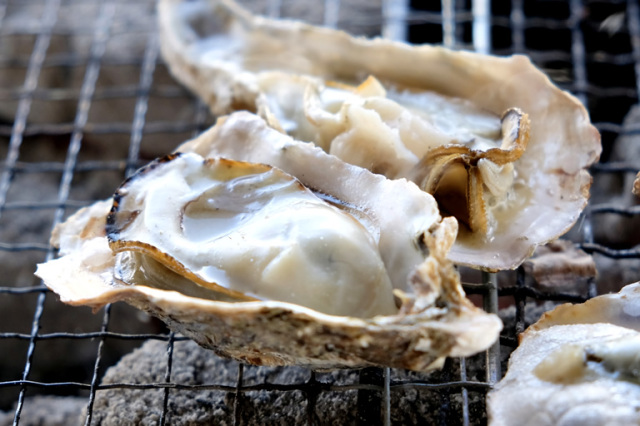
- 6. Ako oysters
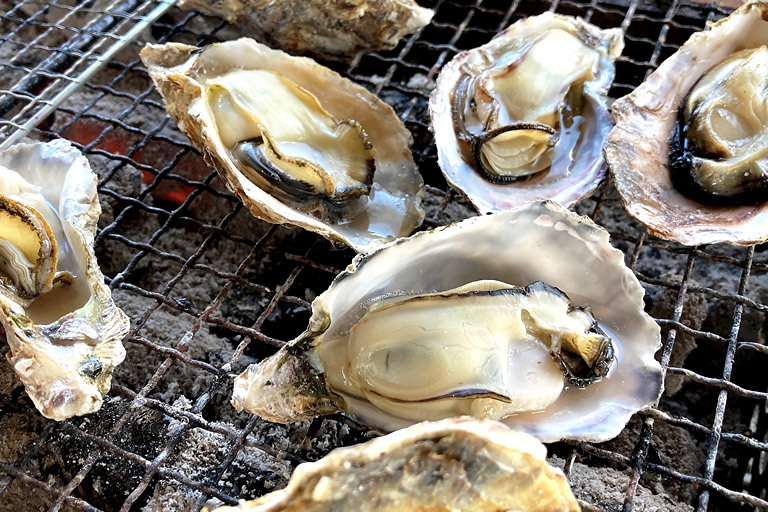
- Oysters from the Harimanada Sea mature early and so are known as “one-year oysters.” Freshly caught oysters have no extraneous flavors, and are fleshy and chewy. They are at their peak from December to March, and during the oyster season the oyster hut eateries bustle with people.
- See More
Experiences and activities in the Harima area
The Harima area contains a variety of traditional cultures and industries in its rich natural world. You can further immerse yourself in its charms through experience plans and activities. Here, we introduce a few notable activities that you can join in with ease.
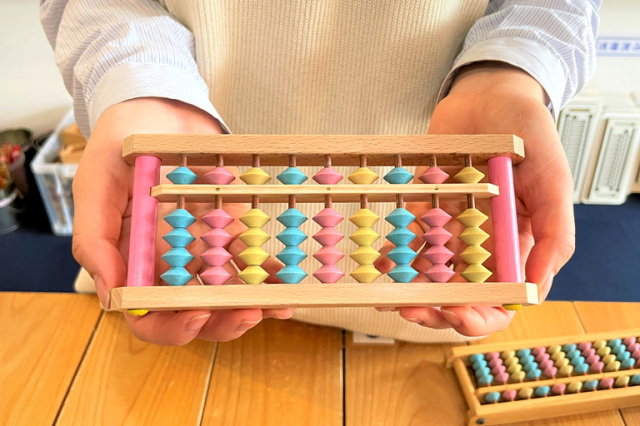
- 1. Abacus-making
- Ono City in Hyogo Prefecture is Japan’s best abacus producer, accounting for around 70% of the abacuses created in Japan. The Minister of Economy, Trade and Industry has designated these “Banshu abacuses” as Traditional Craft Products, and they have a long history and traditions of more than 400 years. You can create your own entirely unique abacus and accessories using components created from natural materials here.
- See More
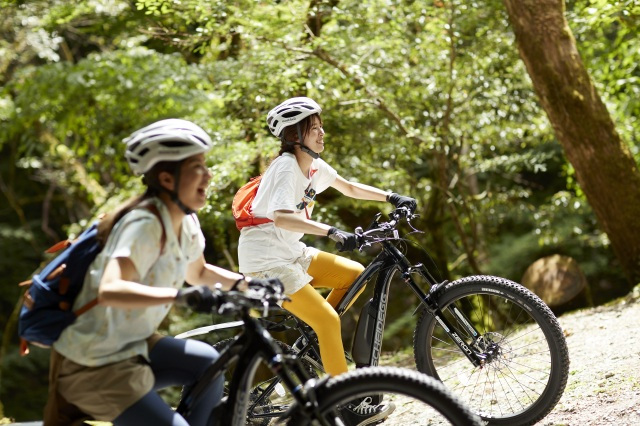
- 2. Shiso Forest Therapy
- Akasai Valley lies in Shiso City, known as the “town that lives with the forest.” It is an outstandingly picturesque location, nicknamed the “Oirase of the West” after the famously beautiful Oirase area in Aomori. You can cycle along the scenic valley, recognized as a “therapy road,” on an electric-assist bicycle (E-BIKE) with a guide.
- See More
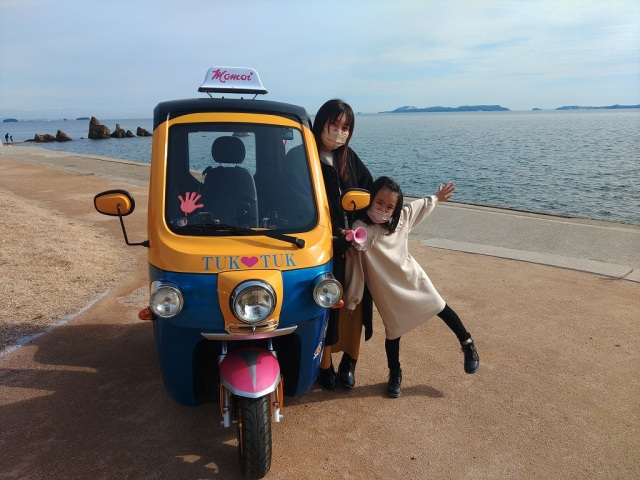
- 3. Ako-unkayaki
- In the Momoi Museum in Ako Misaki, you can admire Ako-unkayaki and Ako Dantsu rugs and take on the challenge of creating an entirely unique unka ware leaf plate in a pottery experience.
- See More
Summary
What do you think? Have even more fun on your trip through the Harima area, full of historic walks and gourmet delights.