The Tajima area! Introducing an area packed with highlights, including Takeda Castle, Kinosaki Onsen, Yumura Onsen, and Matsuba crabs
Discover extraordinary scenery created by the natural world of the Tajima area, such as the Takeda Castle Ruins, known as the “castle in the sky,” and the San’in Kaigan Geopark. You’ll find plenty of historic heritage still standing here, including the elegant streetscapes of hot spring resorts and castle towns as well as mines. The area is also famous for producing high-class ingredients, such as Tajima beef and Matsuba crabs. This article will introduce its history and highlights!
INDEX
What kind of place is the Tajima area?
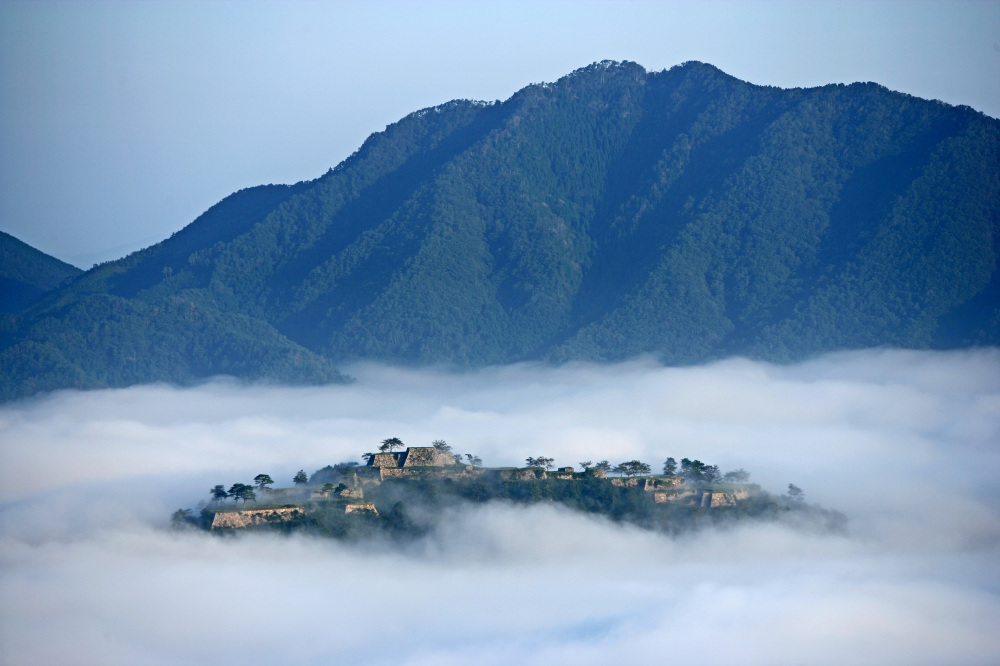
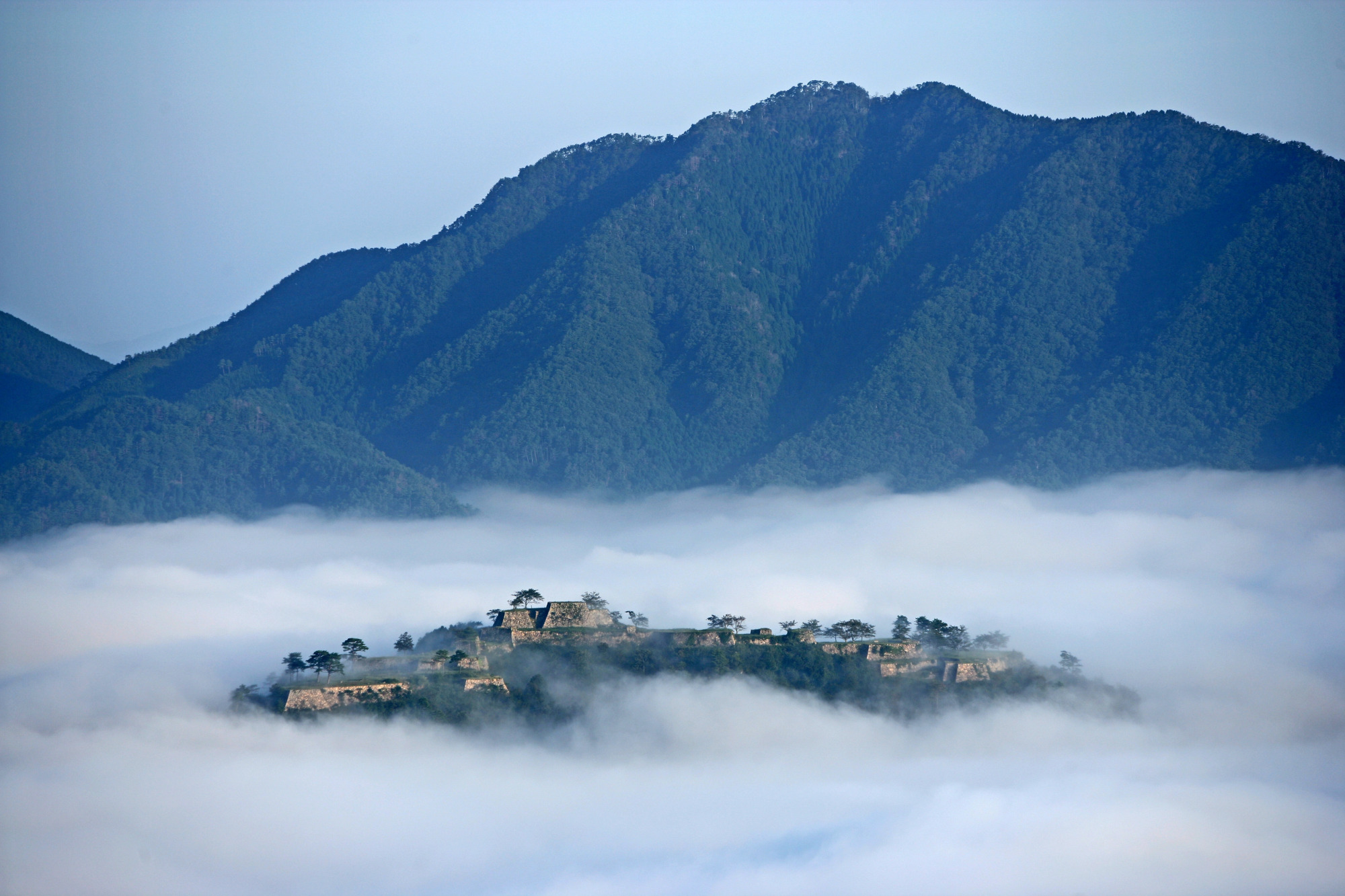
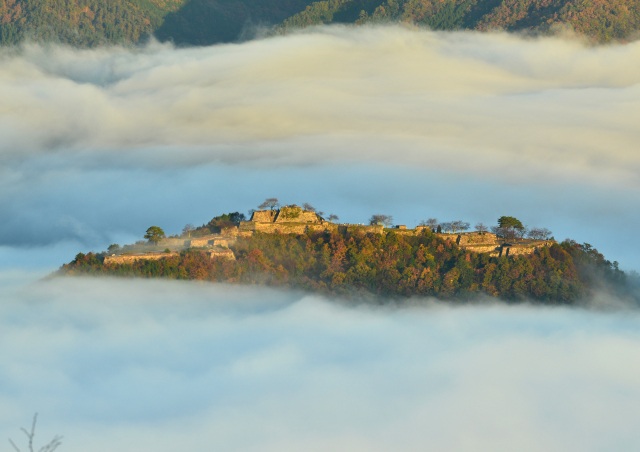
Tajima is located in the northernmost part of Hyogo Prefecture, and is a treasure trove of nature and history. It boasts a wealth of noteworthy destinations where you can experience hues of history and tradition, including Izushi, the “little Kyoto of Tajima”; the Takeda Castle Ruins, floating in a cloud sea; the hot spring resorts of Kinosaki and Yumura; and the “ore road” (Koseki no Michi) designated as Japan Heritage with Ikuno Ginzan silver mine. And you mustn’t miss the culinary treats unique to this area, such as Tajima beef, the origin of Japan’s branded beef, and Matsuba snow crabs, the king of winter flavors.
The history and origins of the Tajima area
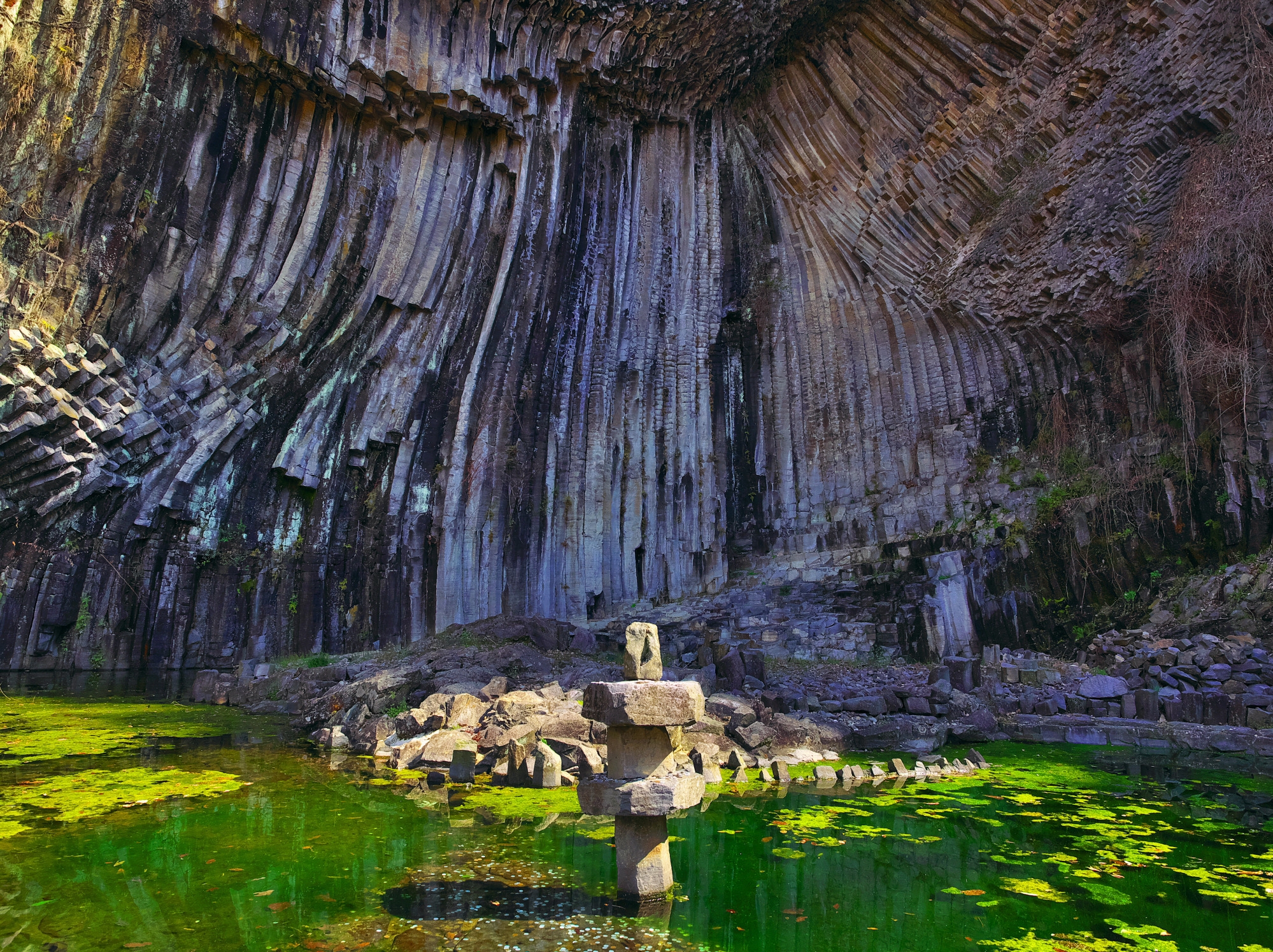
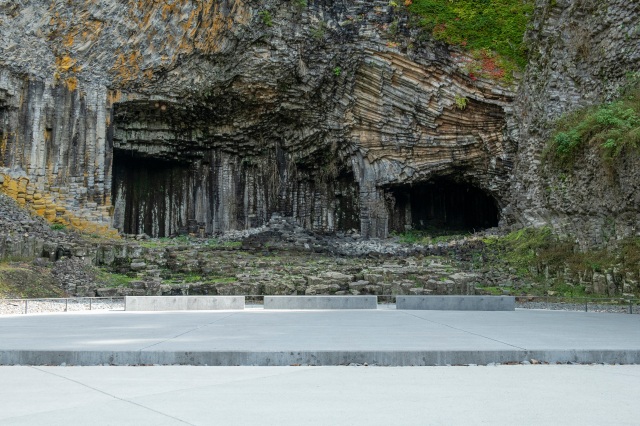
Tajima developed as the primary gateway to and from the area near the Sea of Japan in ancient times, and prospered as a port of call for the cargo ships that sailed on these waters during the Edo period (1603–1868). UNESCO has designated part of it—the area that contains its stunning rias coastline, the Genbudo Caves formed from volcanic activity around 1.6 million years ago, and Ikuno Ginzan silver mine, which supported the modernization of the country—as San’in Kaigan Geopark, where you can immerse yourself in precious nature and the lives of the people who lived in it.
Attractions in the Tajima area: Hot springs
- 1. Kinosaki Onsen
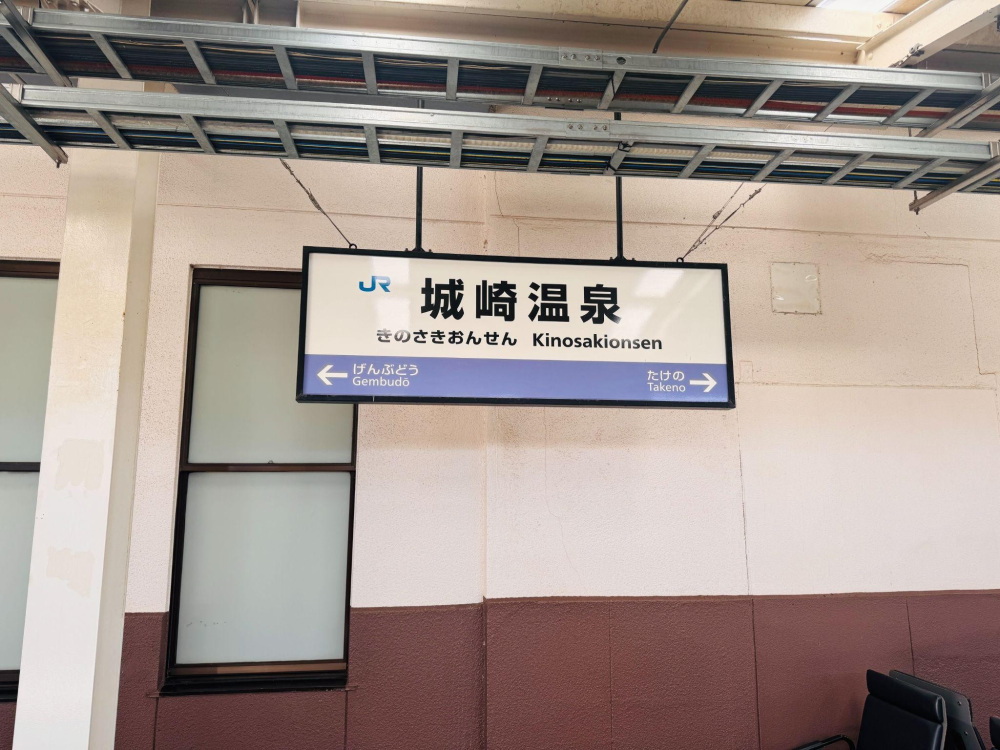
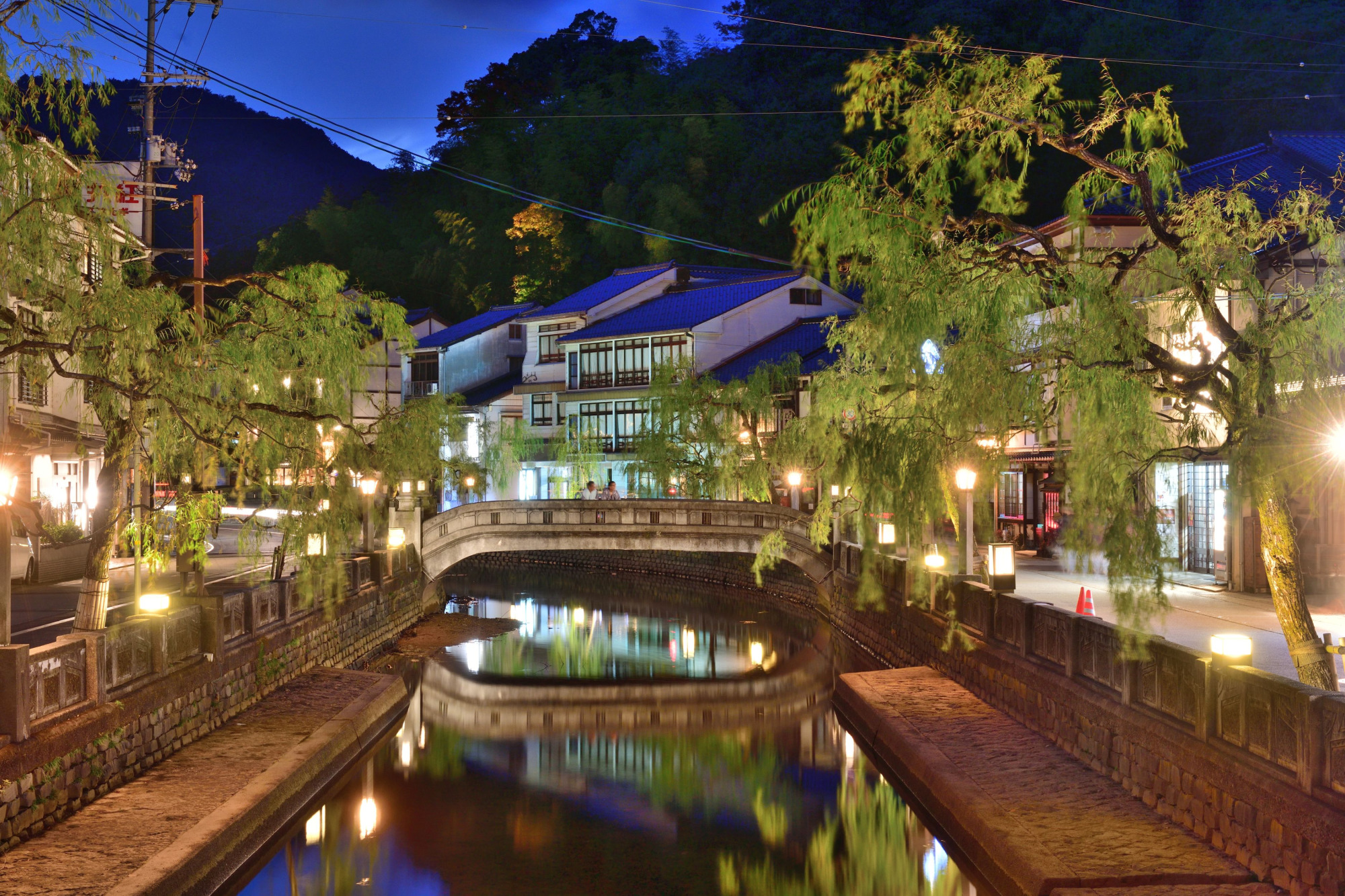
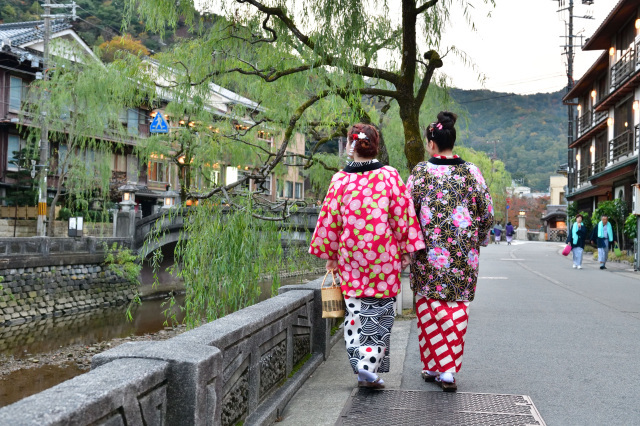
- Kinosaki Onsen is famed for its outdoor bath tour, through which you can visit its public baths, each with their own charms. These include Kono-yu, where an oriental white stork is said to have healed its wounds, and Goshono-yu, with a spacious open-air bath. Walk around this atmospheric hot spring resort, its streets lined with weeping willows, in a yukata (informal kimono), and you’ll feel that you’ve slipped back to a time long past.
- 2. Yumura Onsen
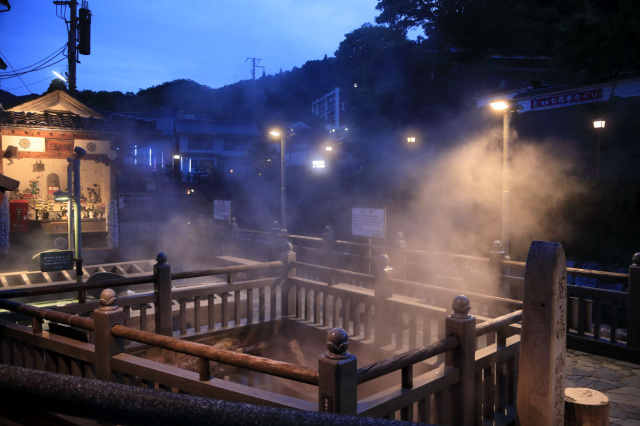
- The hot springs of this small resort nestled in the mountains have been incorporated into everyday life. This destination is well-known as the setting for the NHK Drama “The Diary of Yumechiyo” (1981); in the winter season, you can see an extraordinary landscape with steam rising from the river. Every minute, 470 liters of the main Arayu spring waters well up at a heat of 98℃, and you might see the local people using them to boil eggs or vegetables.
- 3. Hamasaka Onsen
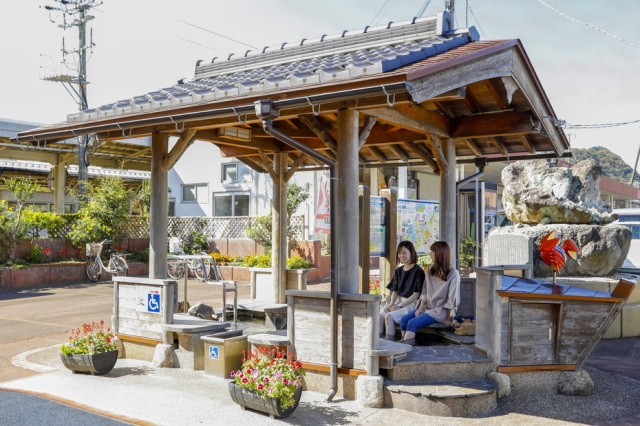
- The area around the Ajiwara River in the center of the city prospered thanks to maritime transport such as the cargo ships that sailed the Sea of Japan, developing as a town of commerce and fishing. Ajiwara Komichi and other features of the old townscape from the Edo period (1603–1868) still remain here today, giving it a designation of a historic landscape formation district. It bustles as a place for sea swimming in the summer, and you can enjoy seafood gourmet such as Matsuba crab and firefly squid in the winter and spring.
Popular sightseeing destinations in the Tajima area
The Tajima area is brimming with magnificent nature, including the Genbudo Caves and the world-class San’in Geopark. And its appeal doesn’t just lie in its natural world. It’s also packed with spots seeped in tales of history, such as the Takeda Castle Ruins, known as the “castle in the sky” and full of historic romance; Ikuno Ginzan silver mine, Japan’s first government-run mine that supported the modernization of Japan; Mikobata Mine; and Akenobe Mine.
- Genbudo Park
- Genbudo Park in Toyooka City in Hyogo Prefecture is a special place designated as a national Natural Monument.Visitors are capti…
- See More
- Takeda Castle Ruins
- Did you know that there’s a place called the “castle in the sky” in Hyogo Prefecture?In the early morning of a…
- See More
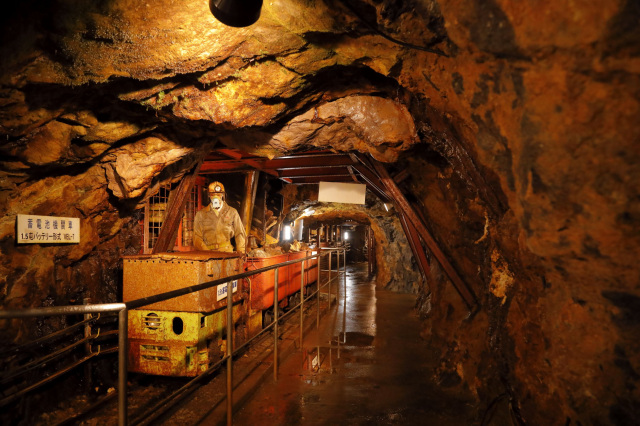
- Historic site: Ikuno Ginzan (Silver Mine)
- The historic Ikuno Ginzan silver mine in Asago City in Hyogo Prefecture is one of Japan’s best old mines, with a history t…
- See More
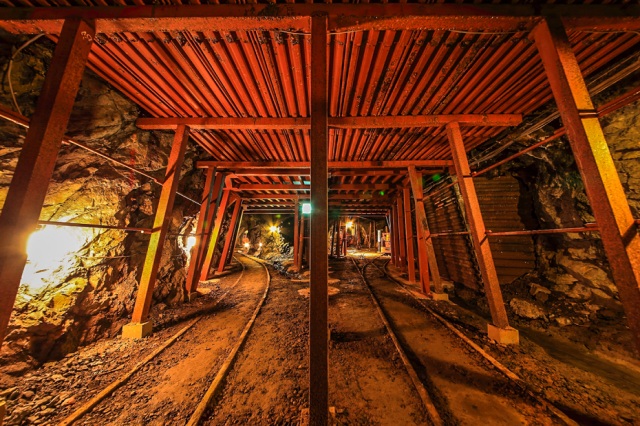
- Akenobe Mine
- This was Japan’s best tin mine, once praised as the best in the Orient, and produced more than 90% of Japan’s tin. I…
- See More
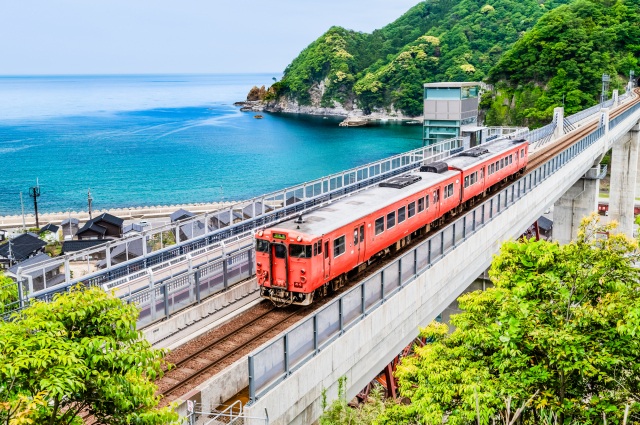
- Amarube Railway Bridge "Sky Station"
- Amarube Railway Bridge was once the tallest in Japan, and supported the main JR San-in Line for around 100 years. It was replace…
- See More
Specialty products, specialties, and recommended gourmet in the Tajima area
Tajima, blessed with a lush natural environment, produces world-famous high-class ingredients such as Tajima beef and Matsuba crabs. The historic and traditional “monozukuri” manufacturing techniques that developed here have also continued to evolve until today, attracting attention as premium products.
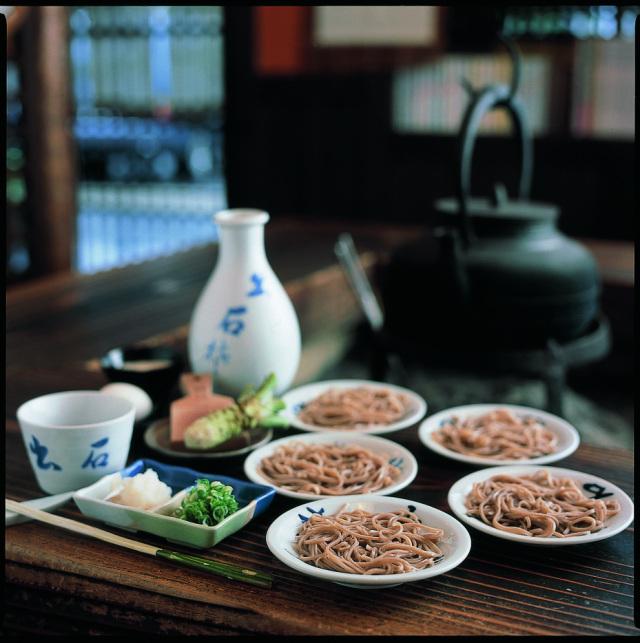
- 1. Izushi sara soba
- The history of Izushi sara soba dates back to the Edo period (1603–1868), and the present-day style of serving it on small Izushiyaki plates became established in the mid-19th century. It‘s characterized by its diverse toppings, including spring onions, wasabi, yam, and eggs.
- See More
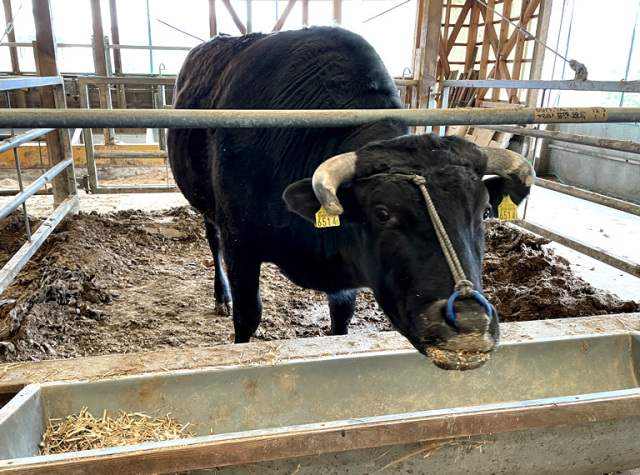
- 2. Tajima beef
- Kobe beef, Matsusaka beef, Omi beef, and other varieties are included in Japan’s world-famous Japanese Black wagyu. In fact, 99.9% of these cattle are the descendants of one Tajima-gyu bull: Tajirigo. The sweet and tender meat creates the quality expected of famous branded prime beef.
- See More
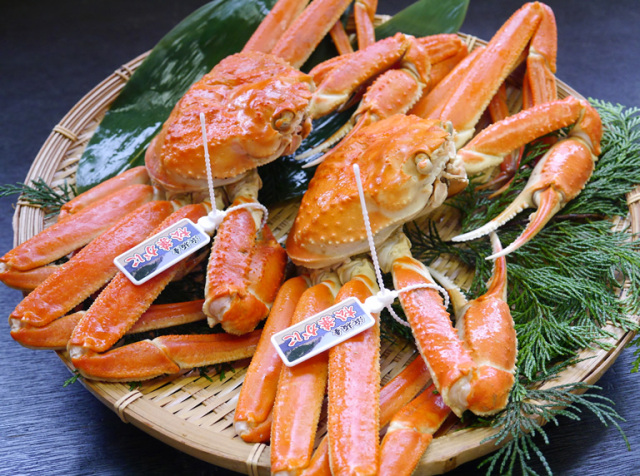
- 3. Matsuba crabs
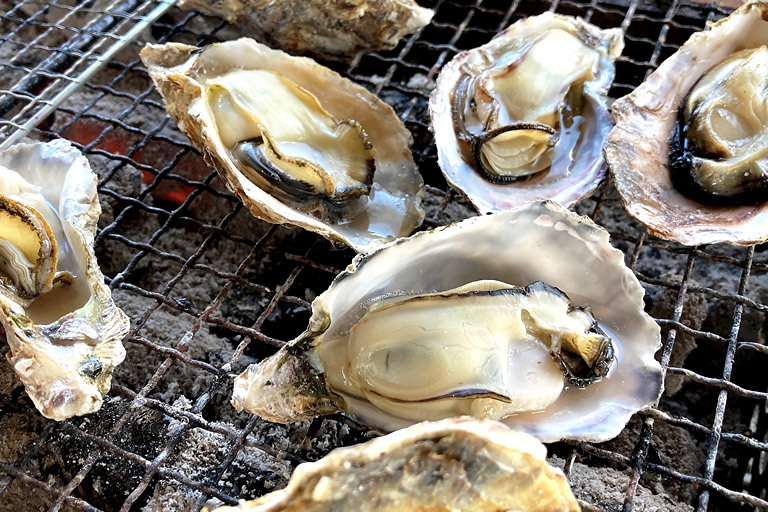
- Kasumi Fishing Port lands both Matsuba crabs (zuwai-gani) and Kasumi crabs (benizuwai-gani). The Matsuba crabs caught in Shibayama Port are known as Shibayama crabs; these are sorted with very strict methods to leave only the very best Shibayama GOLD, referred to as a “phantom crab.”
- See More
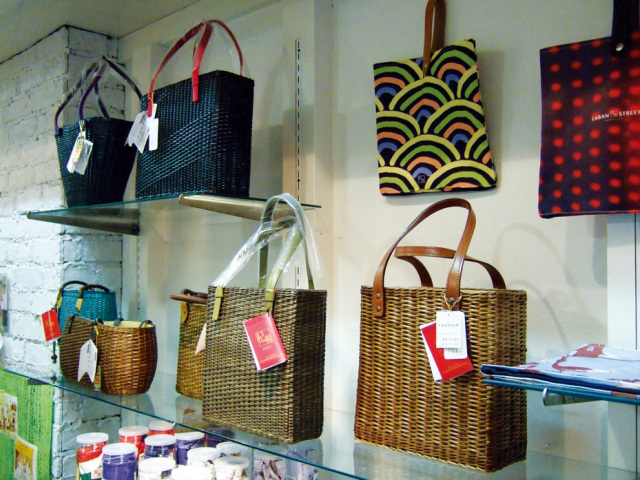
- 4. Toyooka kaban (bags)
- Toyooka City is known as Japan’s top production area for bags: in the city there are currently more than 180 bag-related companies. Around 70% of the country’s bags are made in Toyooka City.

- See More
- 5. Toyooka wicker crafts
- Salix koriyanagi, a species of willow, is light, boasts excellent absorbency, and develops a patina with use. The bags that are carefully woven by craftspeople, one branch at a time, are known as “kori kaban,” and lend warmth and serenity to regular everyday life. Today, Toyooka is known as the “town of bags,” and that name came from this national traditional craft with over 1,200 years of history.
- See More
Summary
What do you think? Have even more fun on your trip through the Tajima area, full of history and nature!