Hyogo’s popular and recommended souvenirs: Our top 25! Introducing items that are fun to receive and to buy
Hyogo Prefecture was created from the former provinces of Tajima, Harima, Tamba, Kobe/Hanshin, and Awaji. High quality cuisine and a unique culture grew among its diverse landscapes, with the sea, mountains, and rivers. And souvenirs “made in Hyogo” are packed with its charms—a delight to receive and fun to buy!
INDEX
Show More
- Recommended Western-style and Japanese-style confections and sweet treats from Hyogo
- 1. Kobe Pudding
- 2. Gaufre
- 3. Tansan senbei
- 4. Leaf memory
- 5. Shiomi manju (steamed buns)
- 6. Tama tsubaki
- 7. Tamba kuromame kintsuba
- 8. Tamba's kuridora
- Perfect for delivery or for yourself! Food products as souvenirs
- 1. Kobe beef shigureni
- 2. Butaman (steamed pork buns)
- 3. Miso dare gyoza (dumplings)
- 4. Makizushi sushi rolls (Meister Koubou Yachiyo)
- 5. Tatsuno’s light soy sauce
- 6. Hand-stretched somen noodles Ibono
- 7. Takosen
- 8. Akashi nori (seaweed)
- 9. Ikanago no kugini (boiled ikanago fry)
- 10. Tajima beef hamburgers
- 11. Awaji Island onion soup
- Bring the skills of craftspeople home! Folk craft souvenirs
- 1. Arima ningyo-fude (doll brush)
- 2. Pottery (Tambatachikuiyaki, Izushiyaki, Akounkayaki, etc.)
- 3. Toyooka wicker crafts
- 4. Sugihara-gami paper
- 5. Banshu-ori
- 6. Banshu-miki cutlery
- Summary

Recommended Western-style and Japanese-style confections and sweet treats from Hyogo
1. Kobe Pudding
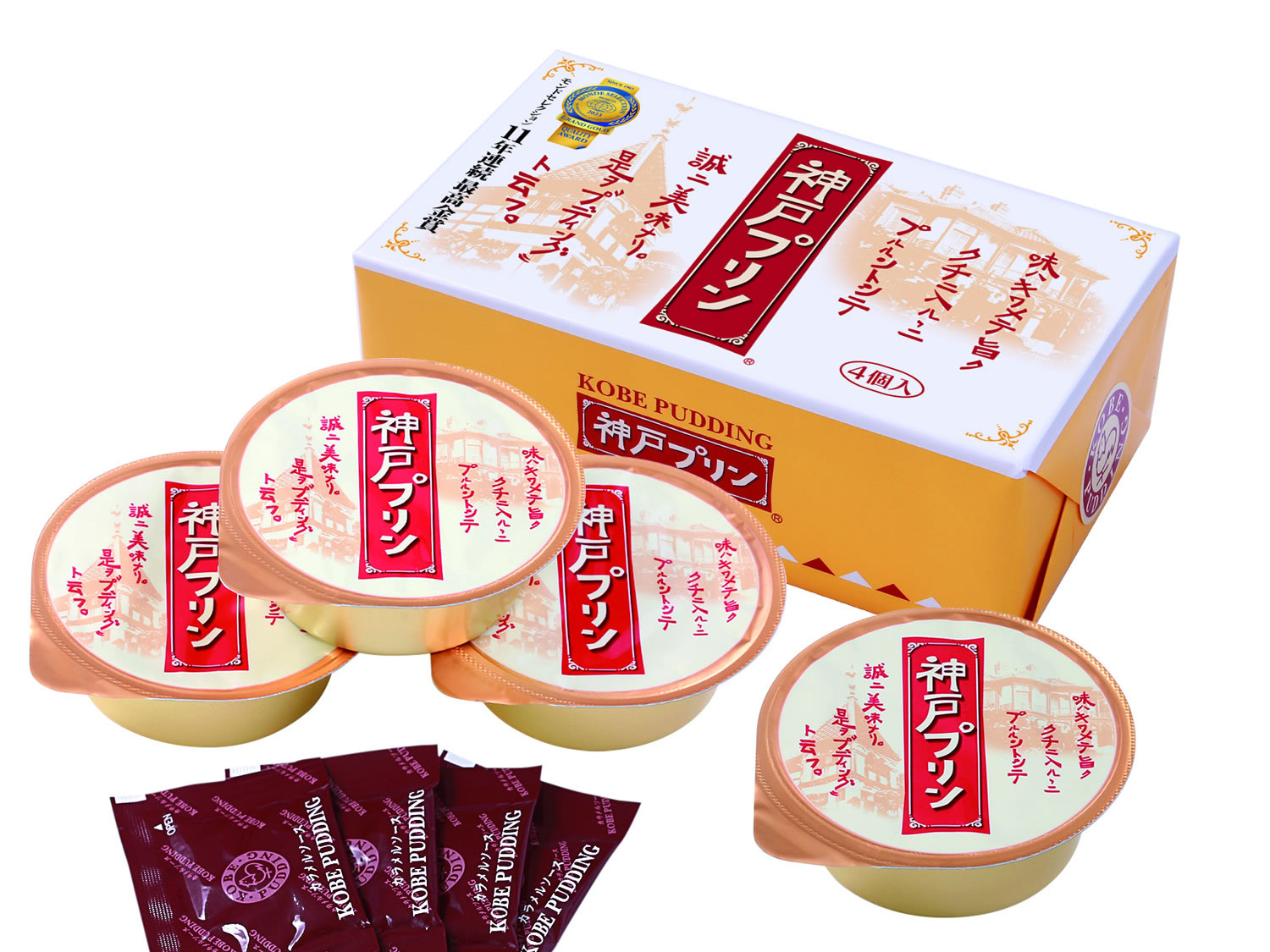
This pudding was created in Kobe, which developed a culture of western-style confections early on. It is made with eggs and fresh cream, with a depth of flavor and smooth texture, and a subtle hint of citrus liqueur adding a refreshing note. Pour on some caramel sauce and enjoy the perfect harmony between the bitter and the sweet.
2. Gaufre
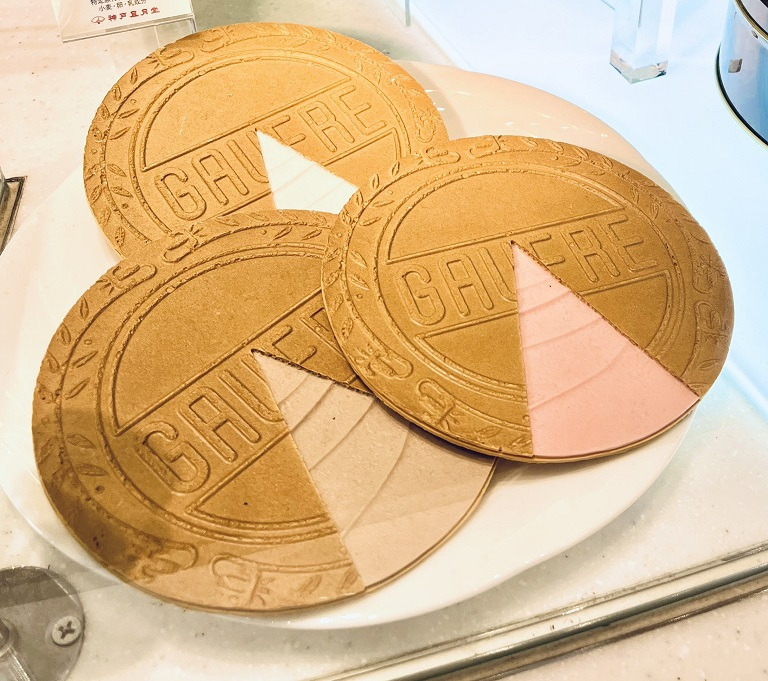
Gaufre, a light, crispy dough sandwich with cream filling, is the flagship product of Kobe Fugetsudo. It’s said this confection was created through trial and error in the mid-1920s, taking inspiration from the French confections brought by customers returning from Europe but being made to match the preferences of the Japanese people. It's now a firm favorite.
3. Tansan senbei
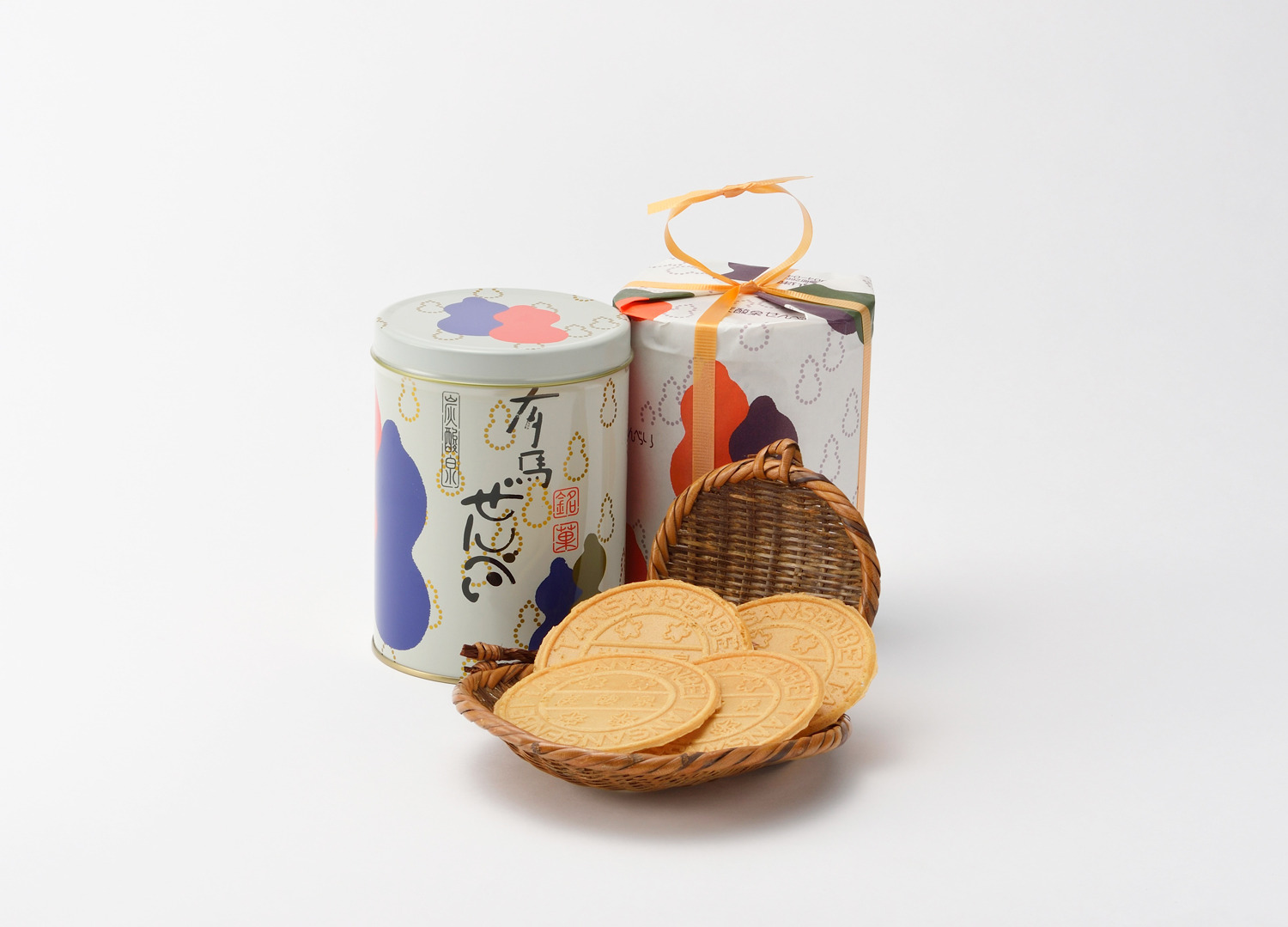
When people think of the specialty products of Hyogo’s hot spring resorts such as Arima, Takarazuka, and Kinosaki, it's tansan senbei that come to mind. These were originally made by adding the carbonated waters from the hot springs ("tansan-sen" in Japanese). Each of these senbei, baked by skilled artisans, are light and subtly sweet, offering a somehow nostalgic taste.
4. Leaf memory
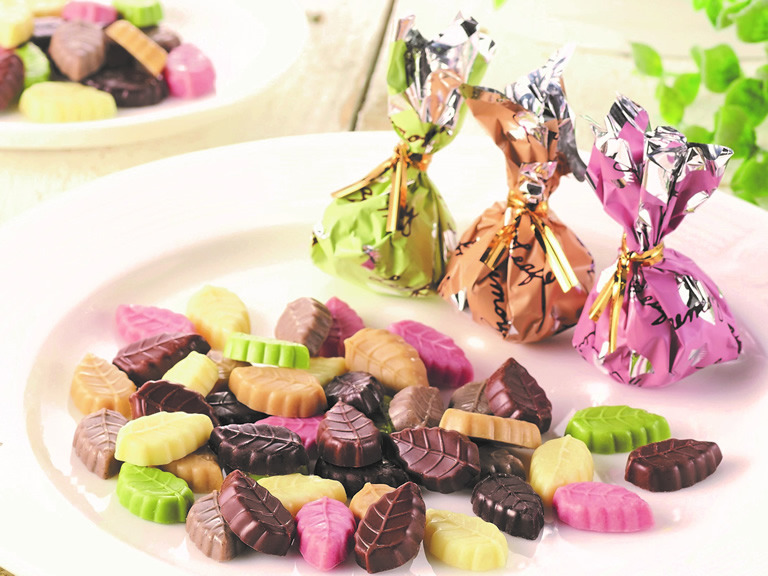
These leaf-shaped chocolates are enclosed in wrapping paper that forms colorful pouches. They have been a popular product from Mon Loire, a store that is very particular about making real chocolate, since its founding. Make sure you taste the full-bodied flavor of this carefully made chocolate, created with meticulously selected ingredients.
5. Shiomi manju (steamed buns)
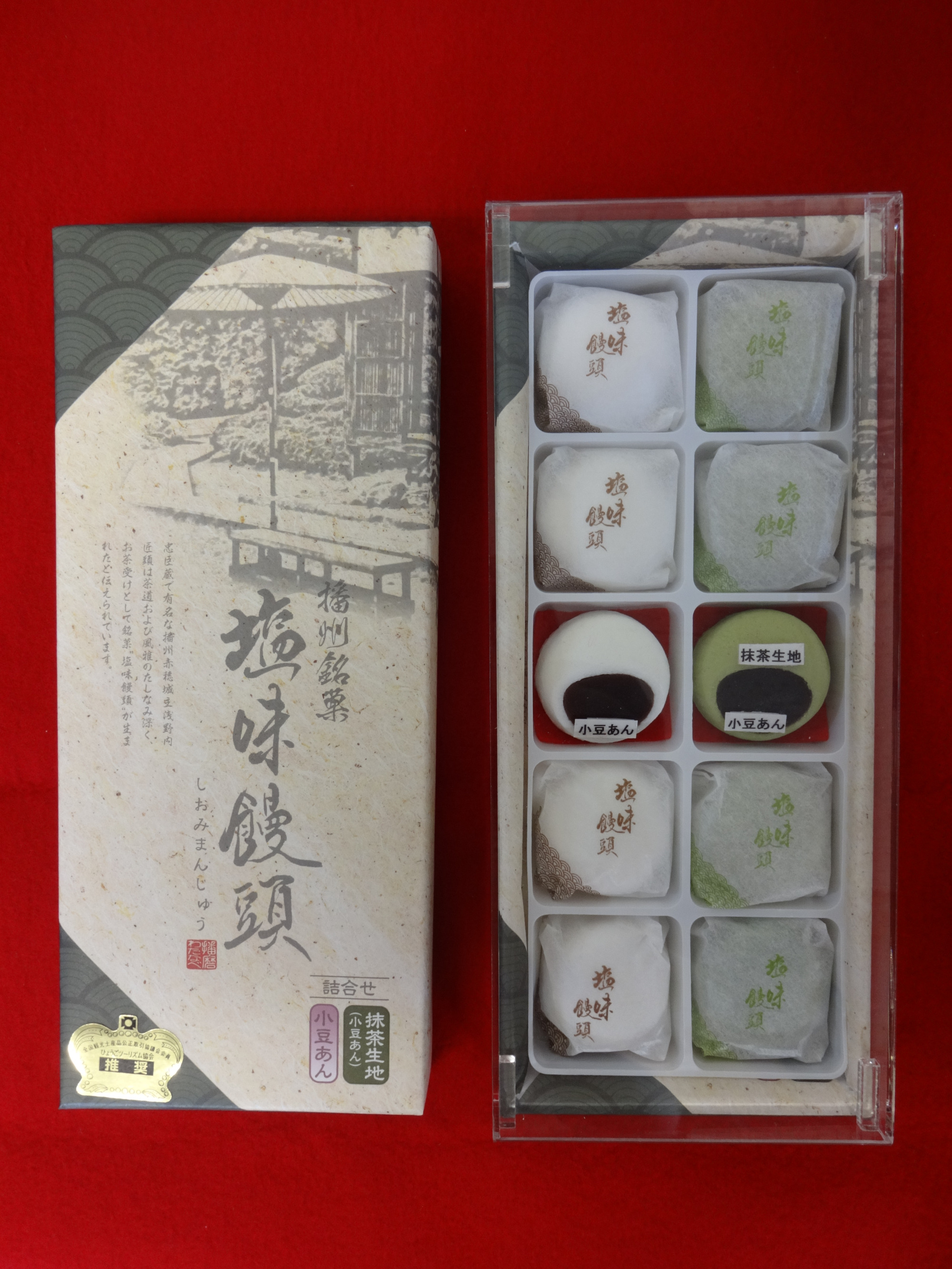
The thin skins of shiomi manju enclose strained red bean paste. These are a well-established confection of Ako, famous as a salt-producing area, with a moderate sweetness: the word “shiomi” literally means “salty taste,” and as this suggests, they have a refined flavor with some saltiness. Shiomi manju are a traditional treat that have been around since the Edo period (1603–1868), and are a perfect gift for a loved one.
6. Tama tsubaki
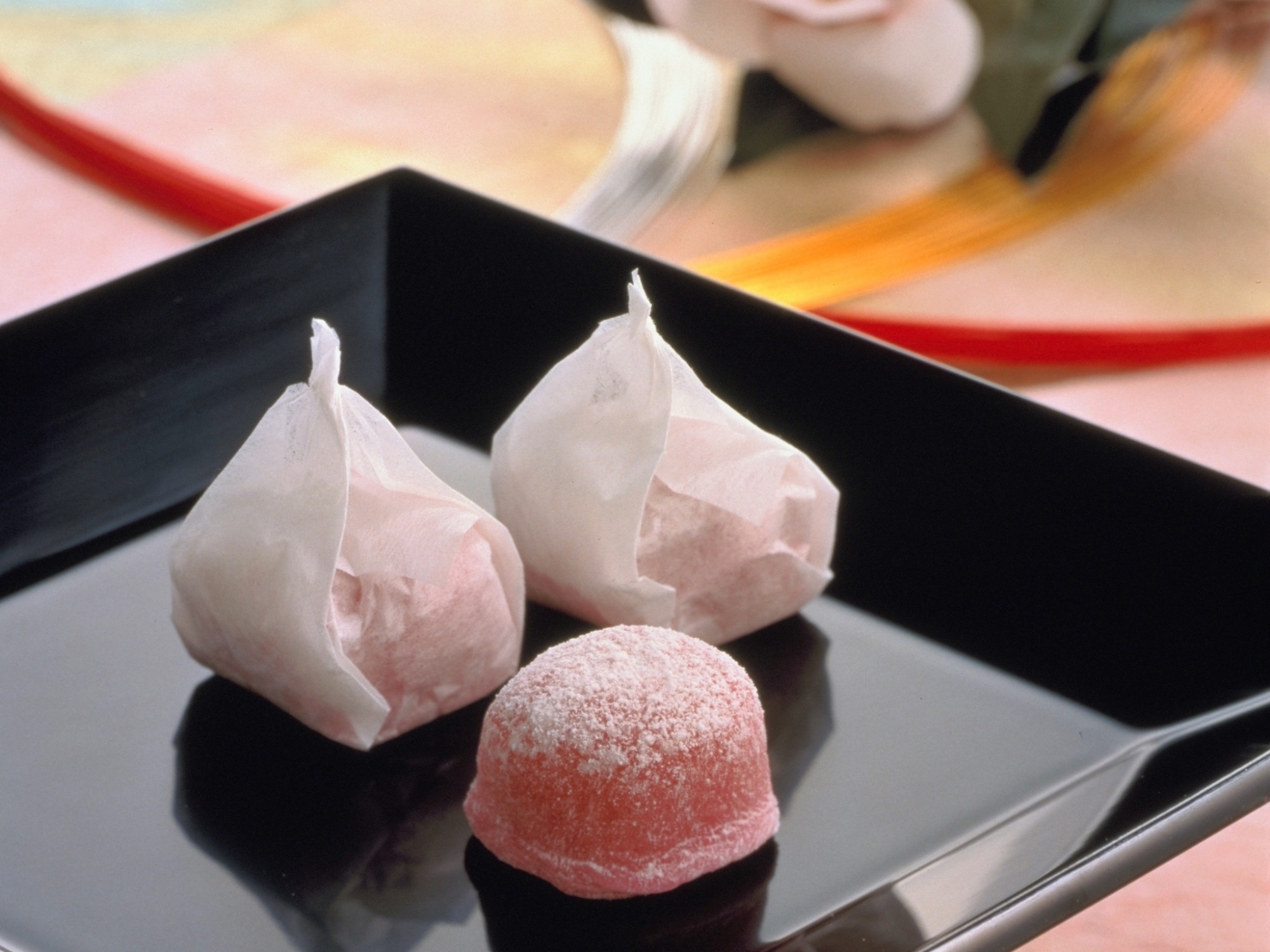
Kiyo-hime was the daughter of Tokugawa Ienari, the 11th shogun. These confections were created to be presented on the occasion of her marriage procession in Himeji. They consist of pale-yellow white bean paste wrapped in light pink gyuhi (soft mochi), truly resembling a camellia flower (tsubaki). Tama tsubaki are delights with a refined flavor that has been passed down since from the Genroku era (1688–1704).
7. Tamba kuromame kintsuba
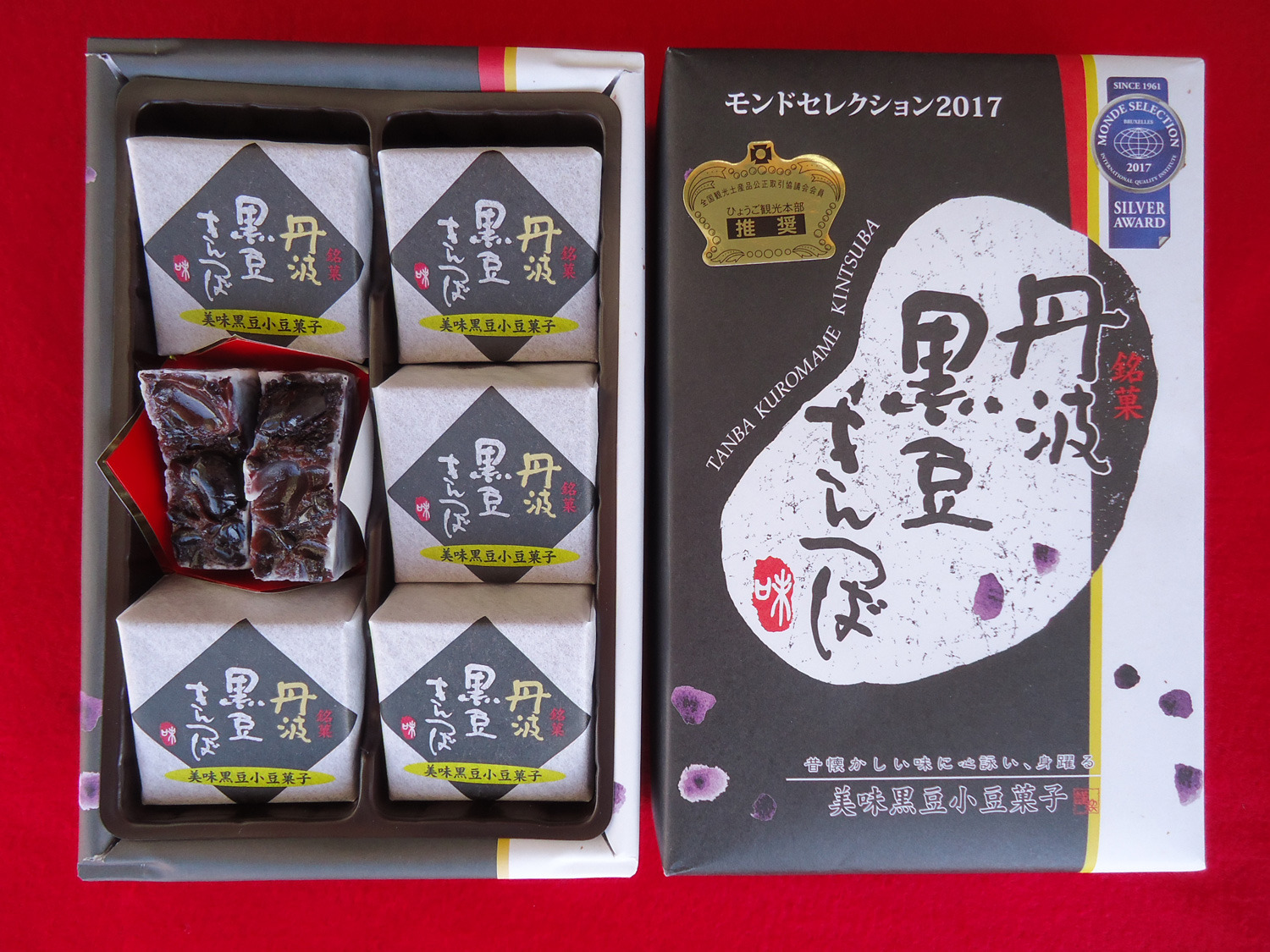
This kintsuba is made with plenty of diligently cooked high-quality kuromame (black beans) from Tamba and large-grained Dainagon adzuki beans. It's a treat of beautiful kuromame paste gently wrapped in a very thin coating. Its ideal level of sweetness and kuromame fragrance are perfect with green tea and matcha.
8. Tamba's kuridora
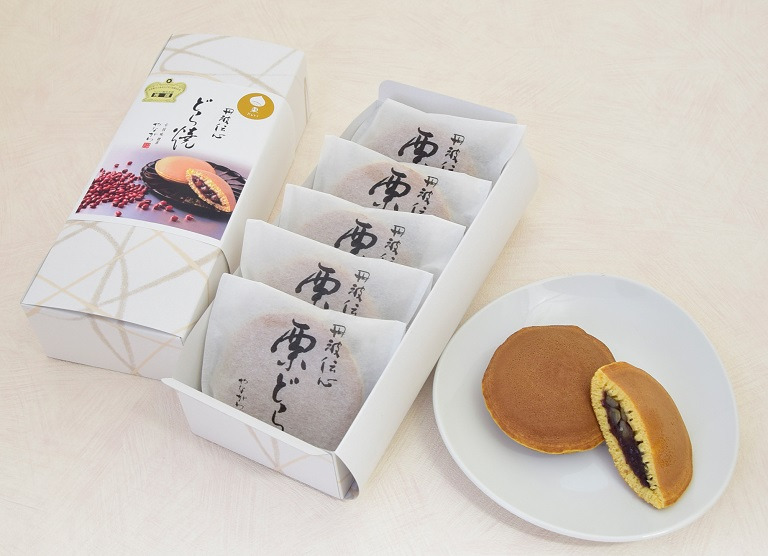
Tamba chestnuts are added to thoroughly cooked large-grained Dainagon adzuki beans from Tamba to create a truly Tamba bean paste, and its sumptuous flavor is gently sandwiched in a moist baked skin. Each shop has devised its own way of using the chestnuts, offering kuridora with finely chopped candied chestnuts with inner skin, with a single whole chestnut, and more.
Perfect for delivery or for yourself! Food products as souvenirs
1. Kobe beef shigureni
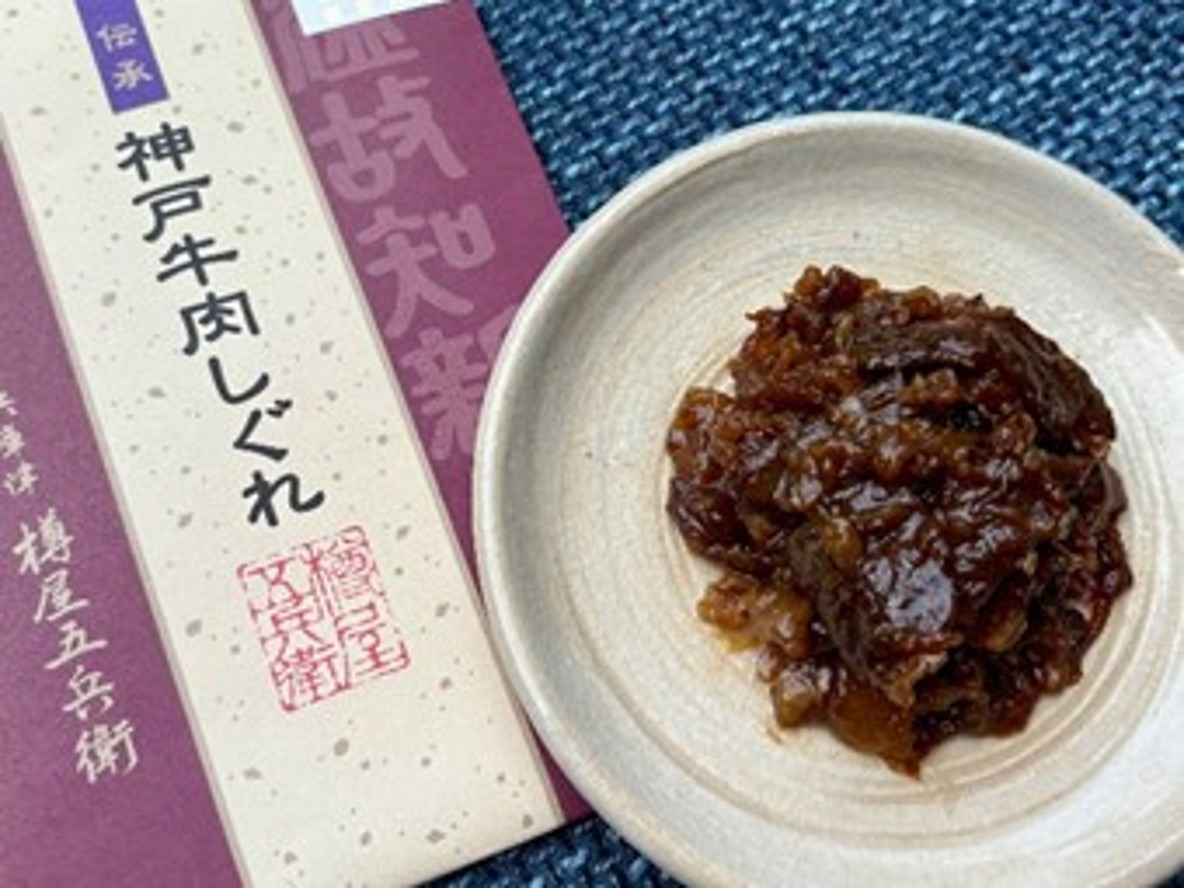
Wonderfully sweet Awaji onions are added to thinly sliced Kobe beef and carefully cooked to create this shigureni (simmered beef with soy sauce, mirin, ginger, etc.). The umami flavor is deliciously concentrated, and eating this with warm rice creates a blissful taste with the uniquely sweet fat of Kobe beef melting gently in the mouth.
2. Butaman (steamed pork buns)
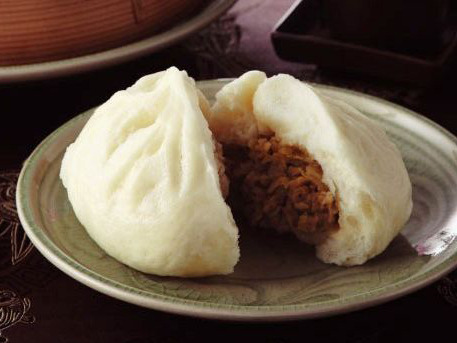
Take one bite of the pork filling, bursting with flavor, inside the soft skin of these buns, and you’ll find yourself hooked. These are also delicious heated in a steamer or a microwave, so they’re very popular as travel souvenirs and to take home.
3. Miso dare gyoza (dumplings)
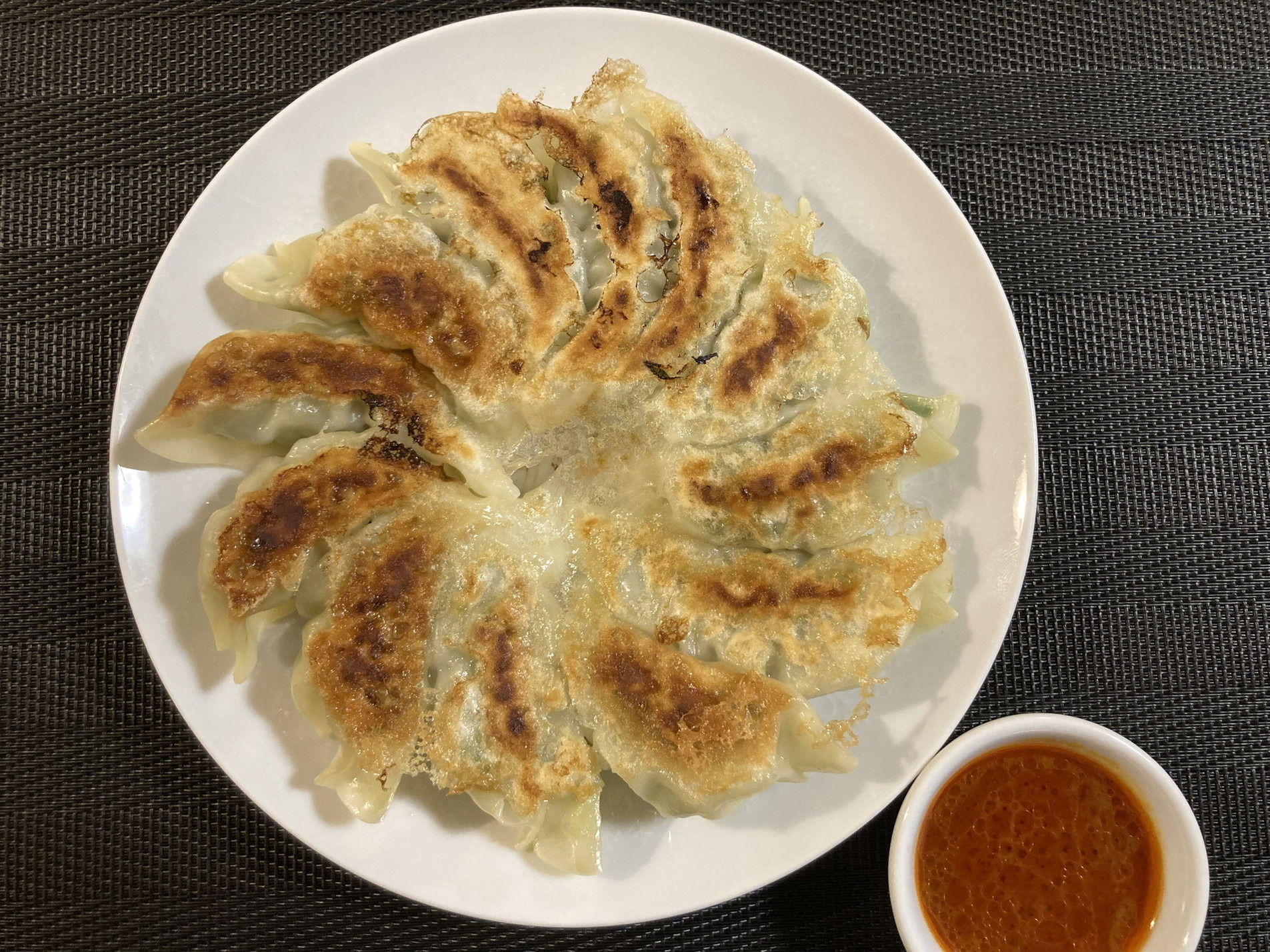
Eaten with a miso sauce, these gyoza are a staple for the people of Kobe. Each eatery has their own carefully made sauce to enjoy, including those with a red miso base and others with a white miso base. Many stores offer grilled gyoza or uncooked gyoza as take-out, so you can recreate the taste of Kobe in your own home.
4. Makizushi sushi rolls (Meister Koubou Yachiyo)
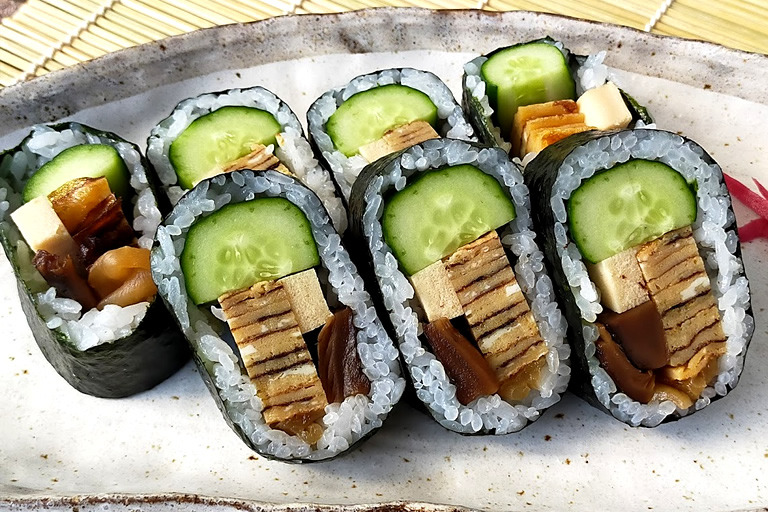
Amafune makizushi originated in Yachiyo-ku in Taka Town. Thanks to their appearance, with tightly packed ingredients, and their delicious taste, they have featured in the media many times. The trick is to start eating from the flavorful egg and finish with the cucumber. These sushi rolls are also sold in michi-no-eki roadside stations and department stores.
5. Tatsuno’s light soy sauce
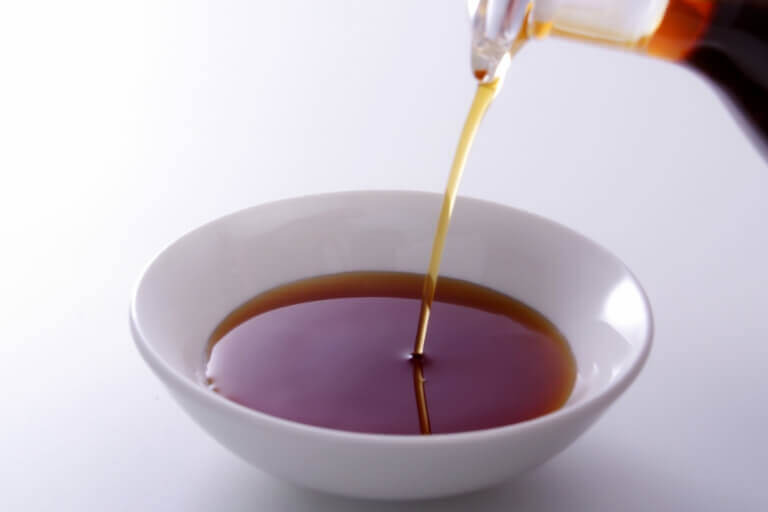
Tatsuno is known as the little Kyoto of Harima. It is blessed with the underground waters of the Ibo River, as well as high-quality soybeans, wheat, and rice grown on the Harima plains and the salt of Ako, which all create the highly fragrant light soy sauce unique to this area. Tatsuno light soy sauce brings out the flavor of ingredients and dashi stock, and is an indispensable condiment in the cuisine of the Kansai region.
6. Hand-stretched somen noodles Ibono
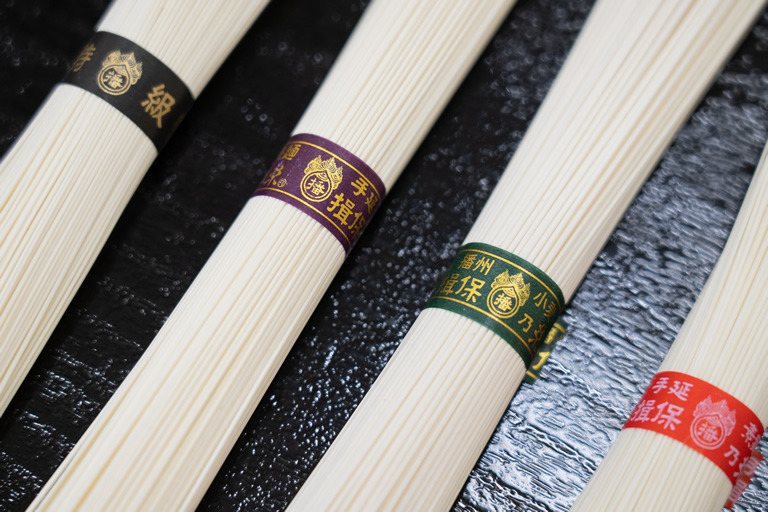
This is a famous product of the Banshu region, developed from carefully selected wheat, Ako salt, and the lush climate and topography. The hand-stretching techniques used to make these noodles have been passed down for around 600 years, and the somen itself, finished after aging, is a traditional food from Japan that is famous worldwide. Their smooth texture is extraordinary.
7. Takosen
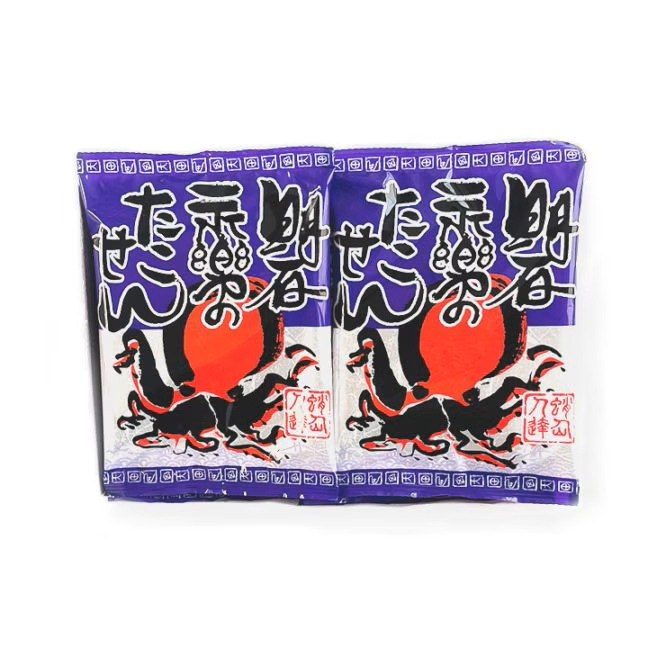
Takosen are a type of senbei (starch & octopus cracker) made with octopus caught in the sea off Akashi, with a crunchy outside and flaky inside. Seasoned with a delicate, salty-sweet flavor using a secret sauce, they are fried in oil to create an even more aromatic flavor. They’re great as a snack or an accompaniment to a drink.
8. Akashi nori (seaweed)
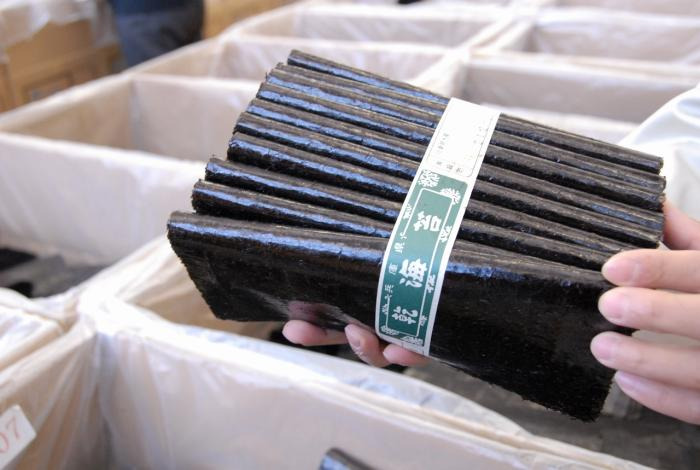
Akashi nori grows in the nutrient-rich ocean waters of the Akashi Strait. It is well-loved as one of Akashi’s specialty products, after sea bream and octopus. It is characterized by a deep black color, exquisite fragrance, rich taste, fleshiness, and good texture. Akashi nori is a cut above regular nori in terms of quality.
9. Ikanago no kugini (boiled ikanago fry)
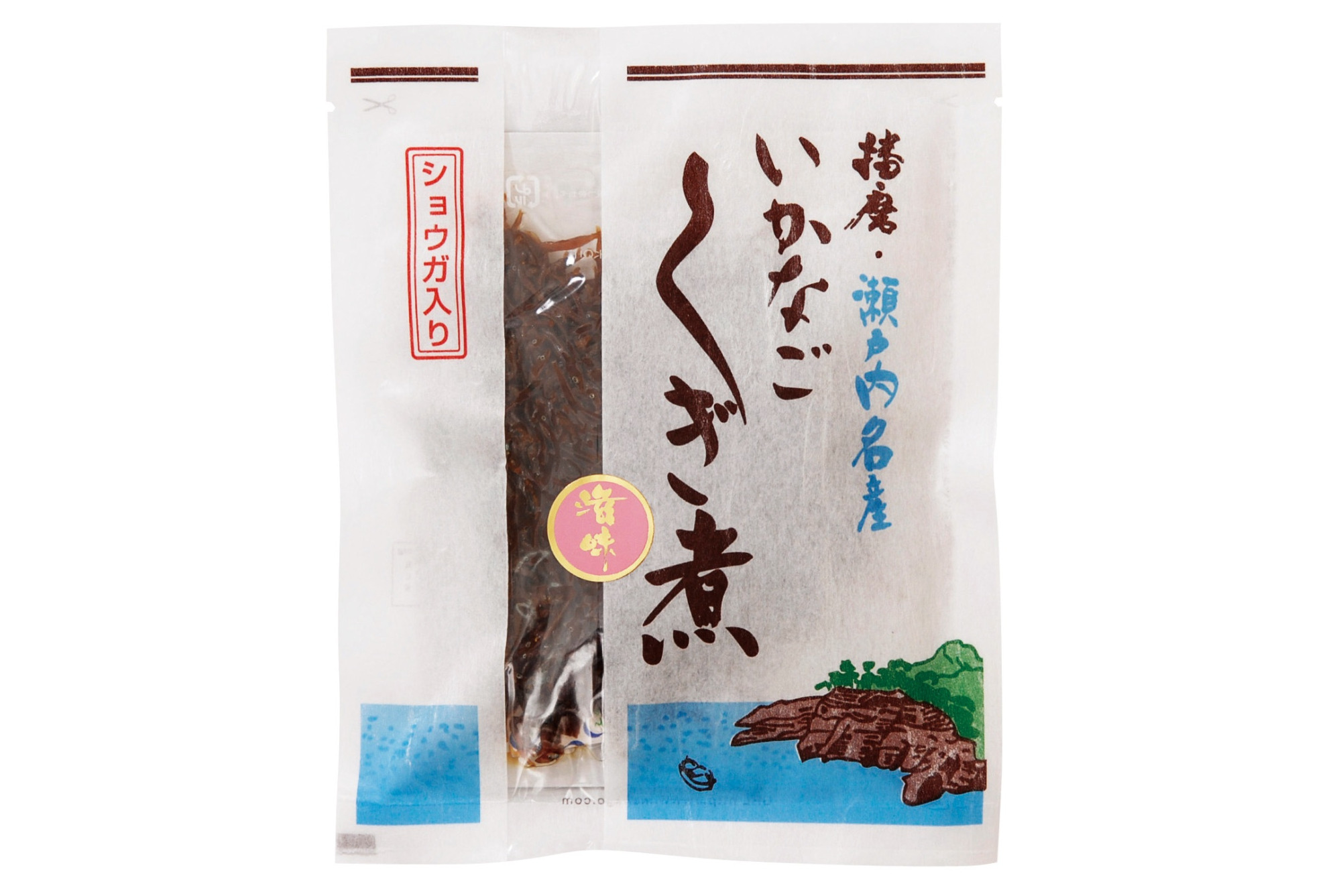
Precious ikanago fry, which can only be caught in the early spring, are cooked simply with soy sauce, sugar, mirin, and ginger to create this traditional dish. It is known as “kugini,” meaning “nail stew,” because the cooked fish resemble rusty nails. It goes well with white rice, and is also great as a snack with a drink, in a bento lunch, or in rice balls.
10. Tajima beef hamburgers
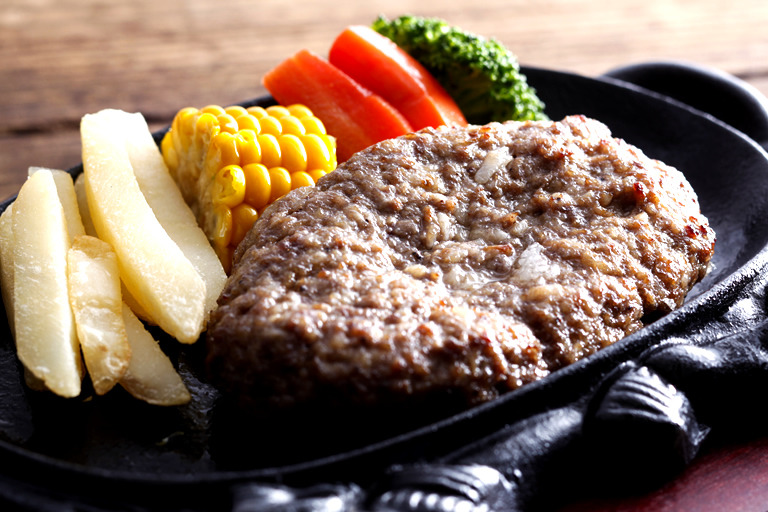
Tajima cattle are raised in the lush natural world of the Tajima area. These cows, with little subcutaneous fat and high quality muscle fiber, are said to be the origin of premium wagyu beef, and offer an especially exquisite balance between red meat and fat. Make the most of the delicious flavor, texture, and scent praised around the world.
11. Awaji Island onion soup
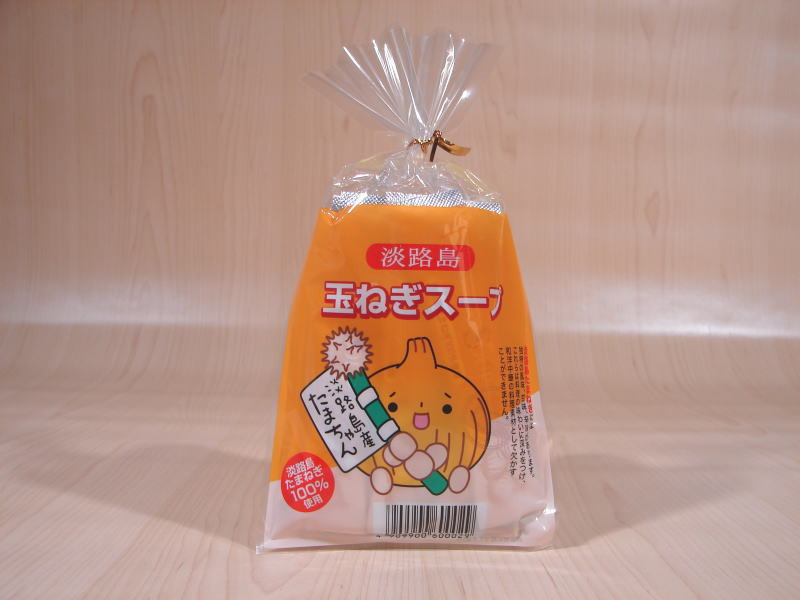
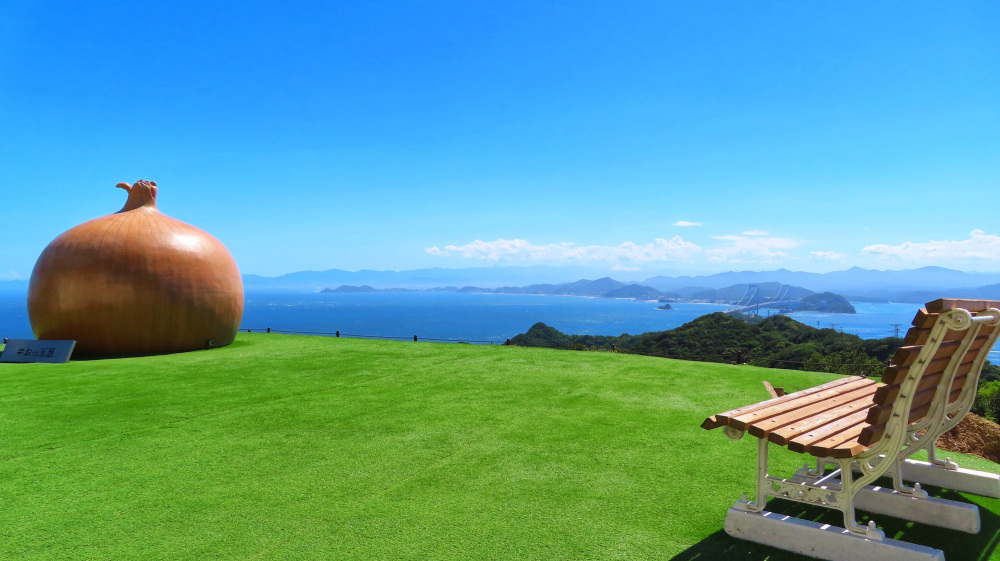
The onions cultivated on Awaji Island, with its long periods of sunshine and good drainage, are sweet and juicy. This soup, which concentrates the delicious flavor of Awaji Island brand onions, is available in various forms, from powdered to freeze-dried. It’s also valued as a secret ingredient in dishes such as curry and pilaf.
Bring the skills of craftspeople home! Folk craft souvenirs
1. Arima ningyo-fude (doll brush)
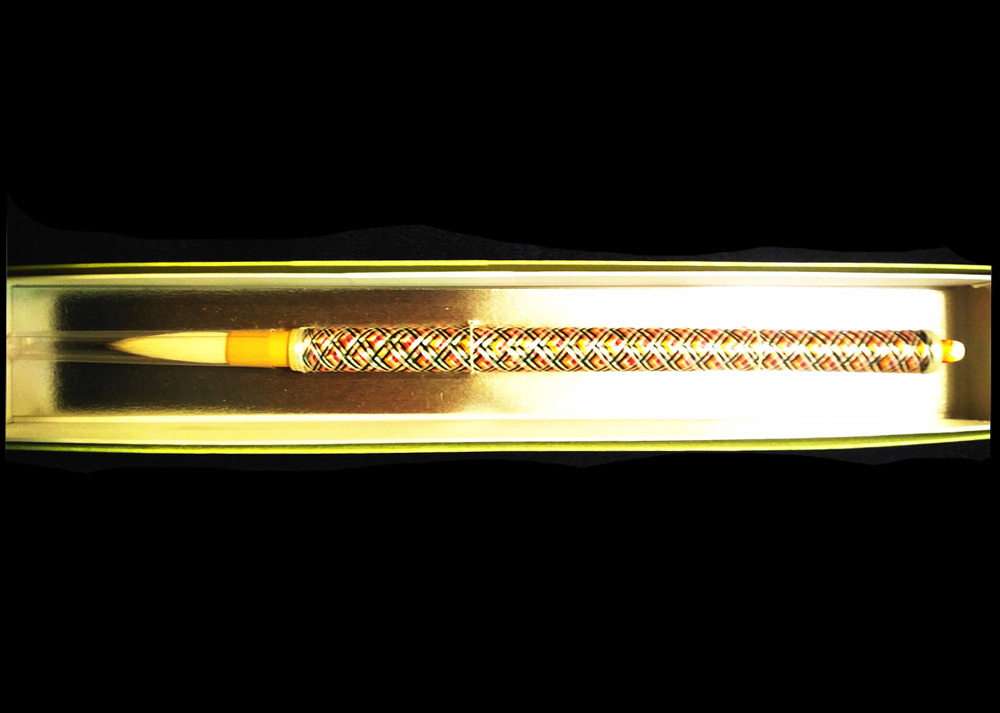
This craft from Arima is made by winding glossy silk threads around each brush by hand, weaving intricate patterns. These are writing implements with an adorable mechanism: when you lower the brush to write, the face of the doll—the size of a bean—suddenly peers out. They have been designated a traditional handicraft of Hyogo Prefecture.
2. Pottery (Tambatachikuiyaki, Izushiyaki, Akounkayaki, etc.)
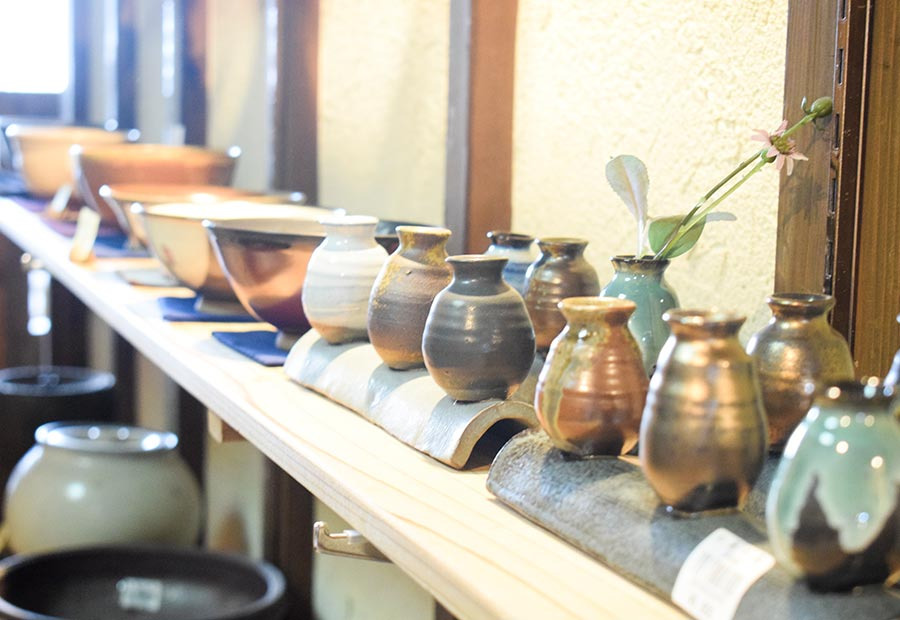
Discover Hyogo’s individual pottery, including Tambayaki, designated Japan Heritage as one of Japan’s six ancient kilns; Izushiyaki, characterized by its whiteness; and Akounkayaki, made without glazes. You can also enjoy going around the potteries in the Tachikui area, where more than 50 Tamba ware potteries can be found.
3. Toyooka wicker crafts
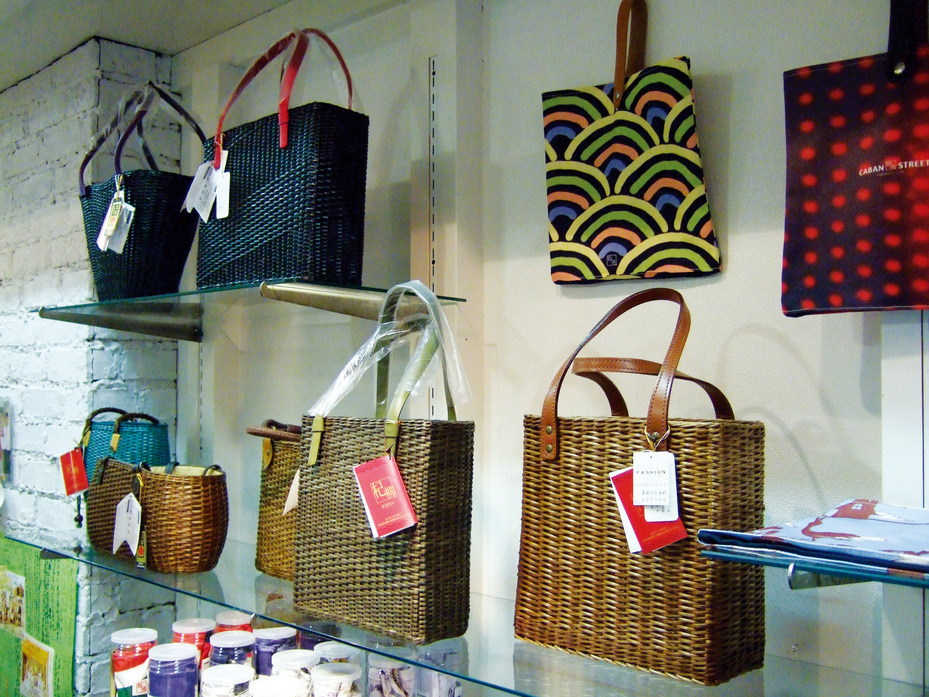
This basket craft is created by weaving with flexible, light, and well-textured willow. Wicker trunks from Toyooka became widely known in the Edo period (1603–1868), and have evolved right up to today. The basket bags, hand-made by traditional craftspeople and brimming with high class, are breathtakingly beautiful.
4. Sugihara-gami paper
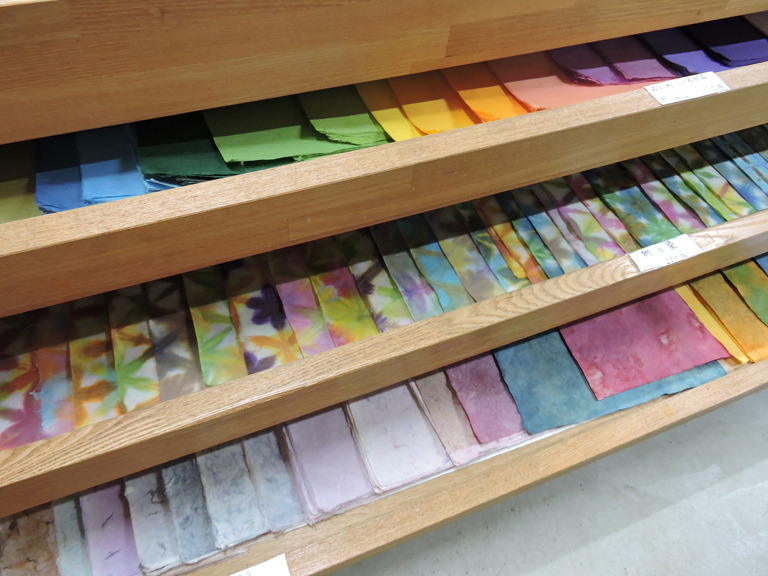
Sugihara-gami paper, with more than a millennium of history, is a high-quality Japanese paper that has been designated an Important Intangible Cultural Property by Hyogo Prefecture. Each sheet of paper is made traditionally by hand, with added color offering an even more refined texture. It’s perfect for postcards, card cases, stamp books, and other souvenirs.
5. Banshu-ori
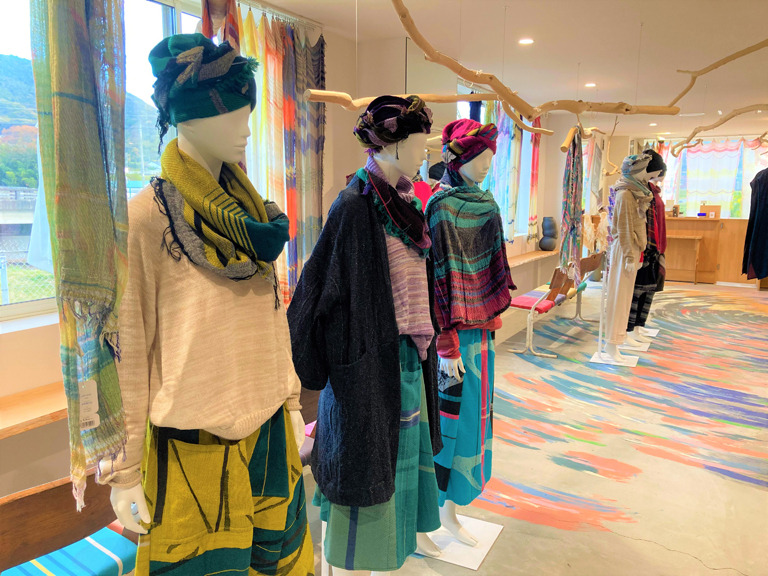
This is one of Japan’s representative yarn-dyed textiles, created in the area centered around Nishiwaki City. It appeals with the brightness and depth of its colors. People enjoy its refined stripes and check patterns, color fastness, and changes over the years, so it is also popular as a fashion item.
6. Banshu-miki cutlery
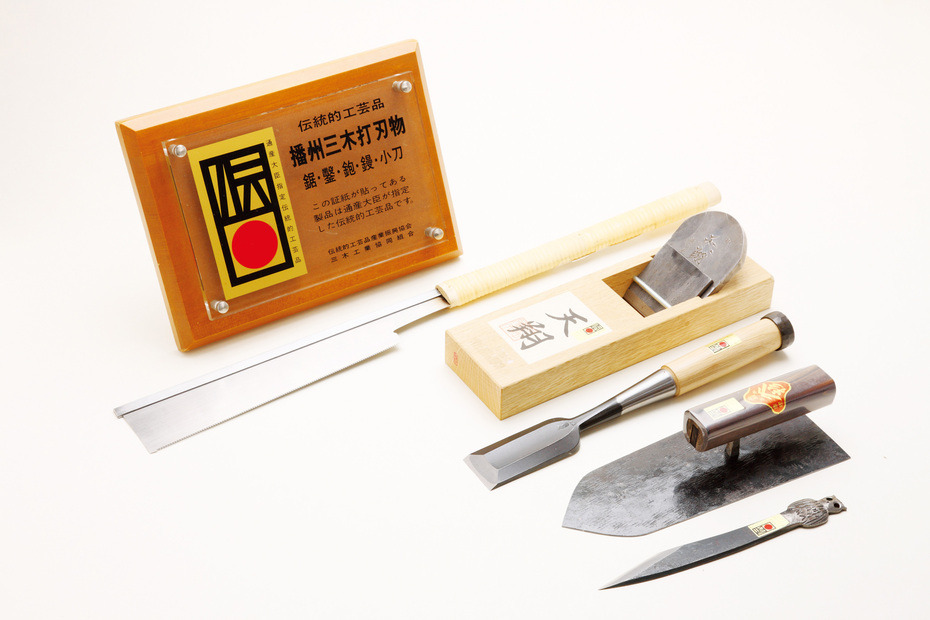
Miki City is said to be the location of Japan’s earliest blacksmith. The quality of the metalwork created with the high-level skills passed down to the blacksmiths here is acknowledged worldwide. Their cutting is always smooth. If you are looking for a lifelong kitchen knife, short knife, or plane for wood, try checking here.
Summary
See our feature about Hyogo’s specialties and recommended gourmet foods, from well-known favorites to lesser-known affordable and delicious dishes and popular confections