Savor the World of Tomorrow at Expo 2025, and Discover Today’s Japan Through Local Gourmet in Hyogo
At Expo 2025 Osaka, Kansai, visitors can explore the future of technology and experience global food cultures as they tour pavilions from around the world. A major highlight of the expo is its diverse food offerings—from international cuisine served in expansive food halls to pavilions showcasing the best of their national dishes. To enrich this experience, why not complement your expo visit with a taste of “today’s Japan”? Just a short distance from the expo site, Hyogo Prefecture is home to a wealth of local gourmet shaped by regional traditions and natural surroundings. In cities and towns such as Akashi, Himeji, Tatsuno, Izushi, and Tamba-Sasayama, visitors can sample regional specialties while gaining a deeper appreciation for each area's unique history and culture. This journey—moving between the global future and the local present—offers an experience of Japan that lingers long after the trip is over.
A Bright Start in Himeji with Coffee and “Almond Toast”
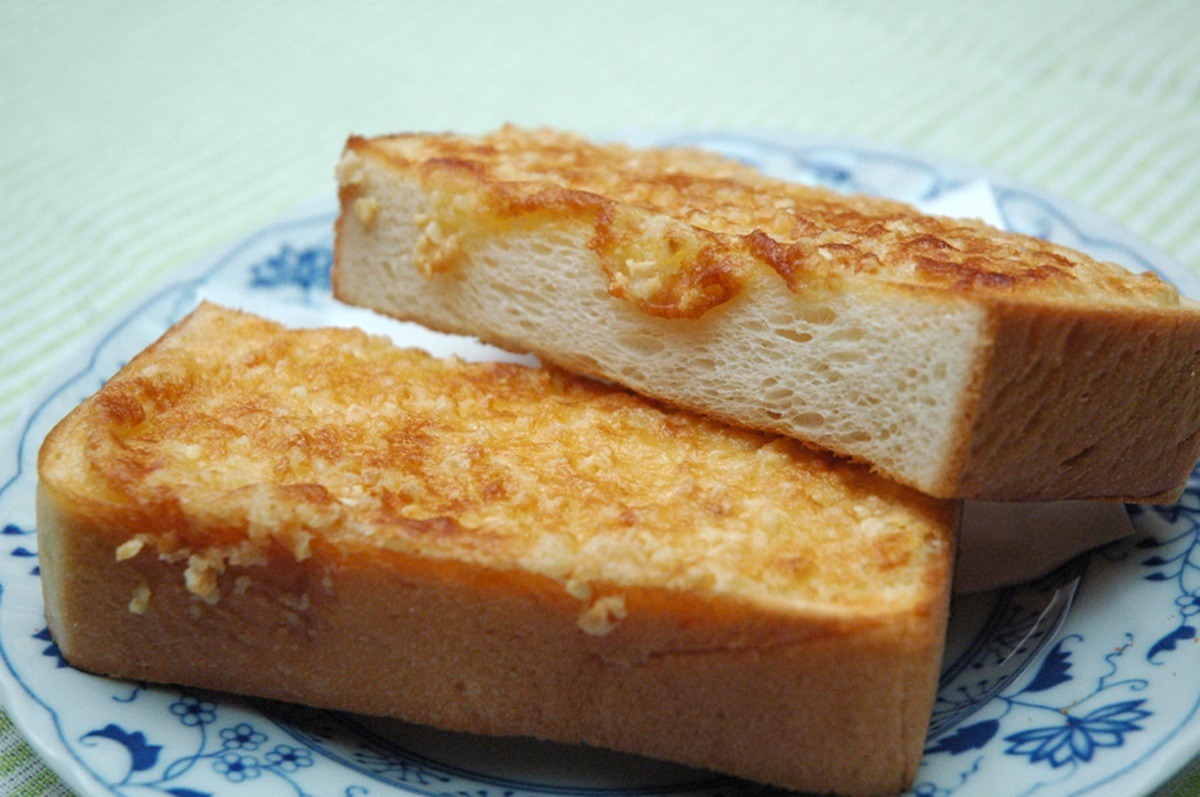 “Almond Butter Toast” at Sabo Tairiku Honten.
Kick Off Your Local Gourmet Journey from Himeji to Akashi!
Himeji City, located about 30 minutes from Shin-Osaka by bullet train, is renowned for its “morning culture,” with retro coffee shops welcoming early risers each day. This tradition is said to have started as a way to cater to the area’s thriving industrial workforce. However, Hajime Okamoto, president of Sabo Tairiku, remarks, “Back in the day, everyone was an early riser.”
The highlight of a Himeji morning is an “Almond Toast” This local specialty features thick slices of toasted bread spread with “almond butter,” a blend of butter, margarine, diced almonds, and almond powder, creating a perfect pairing with coffee. It’s such a staple of life in Himeji that locals often exclaim, “I thought you could get this everywhere in Japan!” Sabo Tairiku’s almond butter is particularly popular for its light and airy whipped texture.
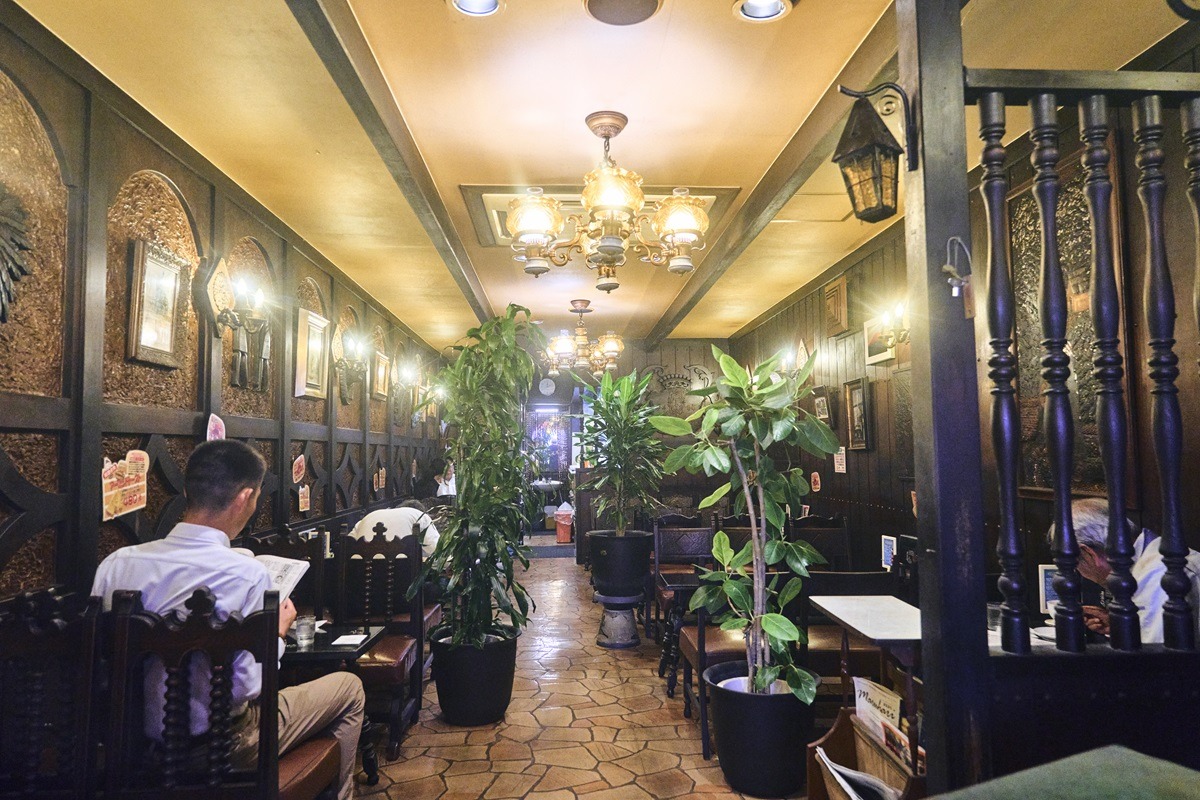
Sabo Tairiku is Himeji’s oldest coffee shop, established in 1947. Sitting at its tables, which have been in use since it first opened its doors, you’ll feel as though you’ve traveled back in time. Don’t miss out on the shop’s famous almond butter, also sold in-store.
BOOK YOUR STAY IN HIMEJI


A Demiglace-Coated Flavor Phenomenon: Kakogawa Katsumeshi, a Meal to Power the City
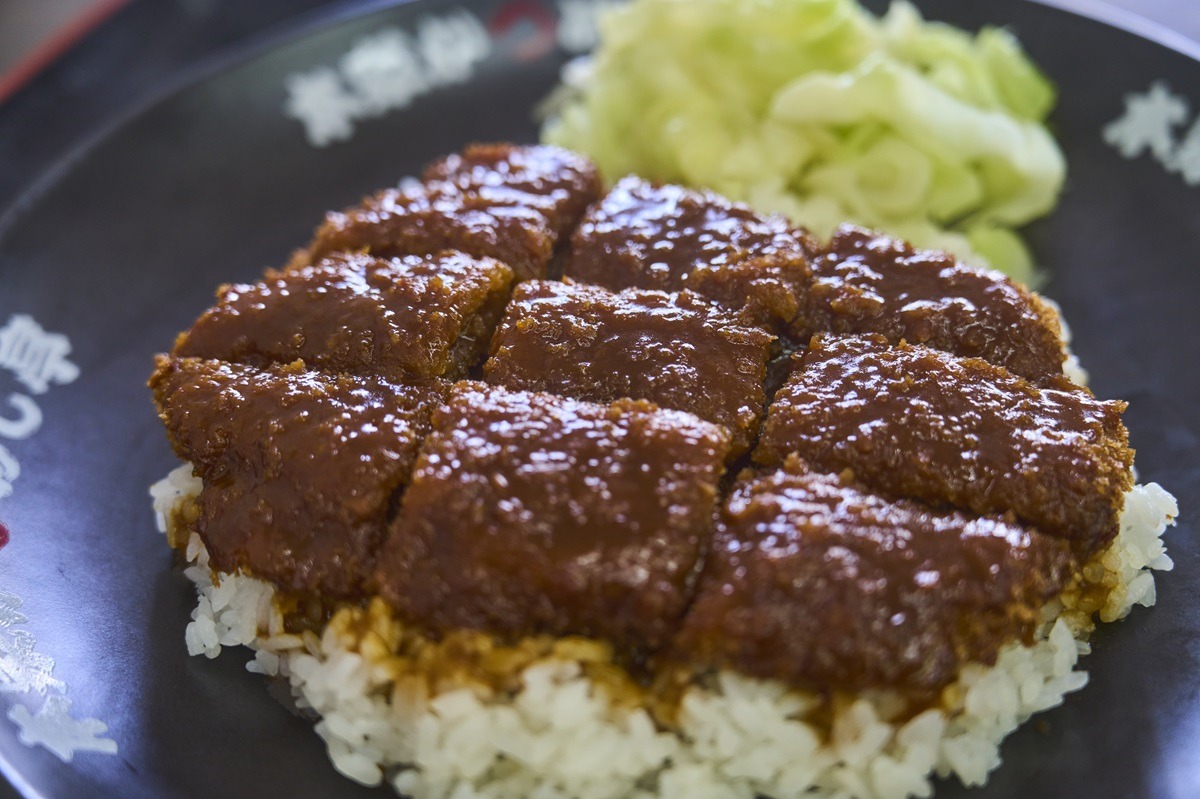 The original Kakogawa katsumeshi from Honke Katsumeshitei.
For lunch, head to Kakogawa, where you’ll find the local specialty Kakogawa katsumeshi. Created at a time when eating with forks and knives wasn’t yet common in Japan, this dish was invented by a town diner as a casual Western-style meal to be enjoyed with chopsticks.
Since then, it has become well-loved among locals, even finding its way into school lunches. The standard version features a flat beef cutlet atop a bed of rice, drizzled with demiglace sauce and served with boiled cabbage. Nowadays, variations abound, with pork cutlets, chicken cutlets, and even fried shrimp as the topping, while sauces differ from shop to shop, offering a range of unique flavors.
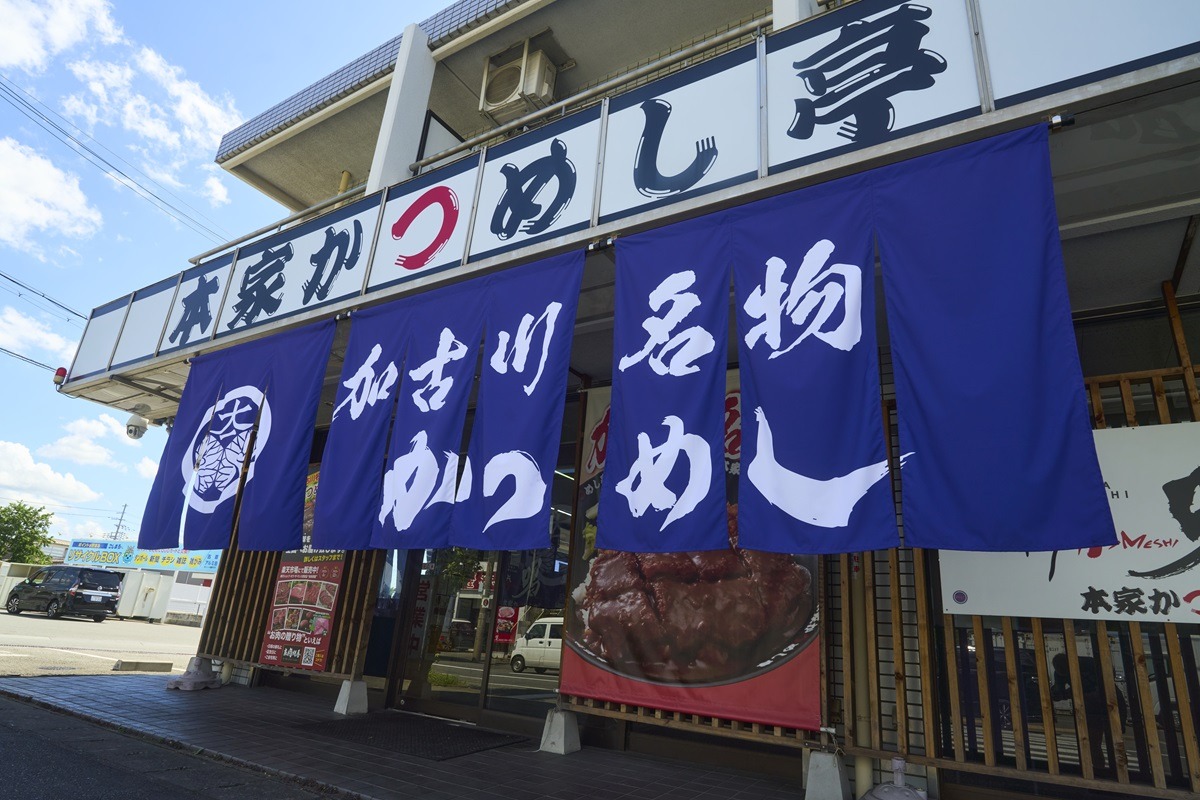 Honke Katsumeshitei
Among these, Honke Katsumeshitei stands out for staying true to the original beef cutlet topping and faithfully preserving the recipe for their demiglace sauce for nearly 50 years. Their beef is the highest-grade Hyogo-produced black-haired wagyu (Japanese beef). The sauce, made by simmering pork bones, chicken carcasses, and various vegetables over three days, is rich with umami and sweetness, perfectly complementing the hearty beef cutlet.
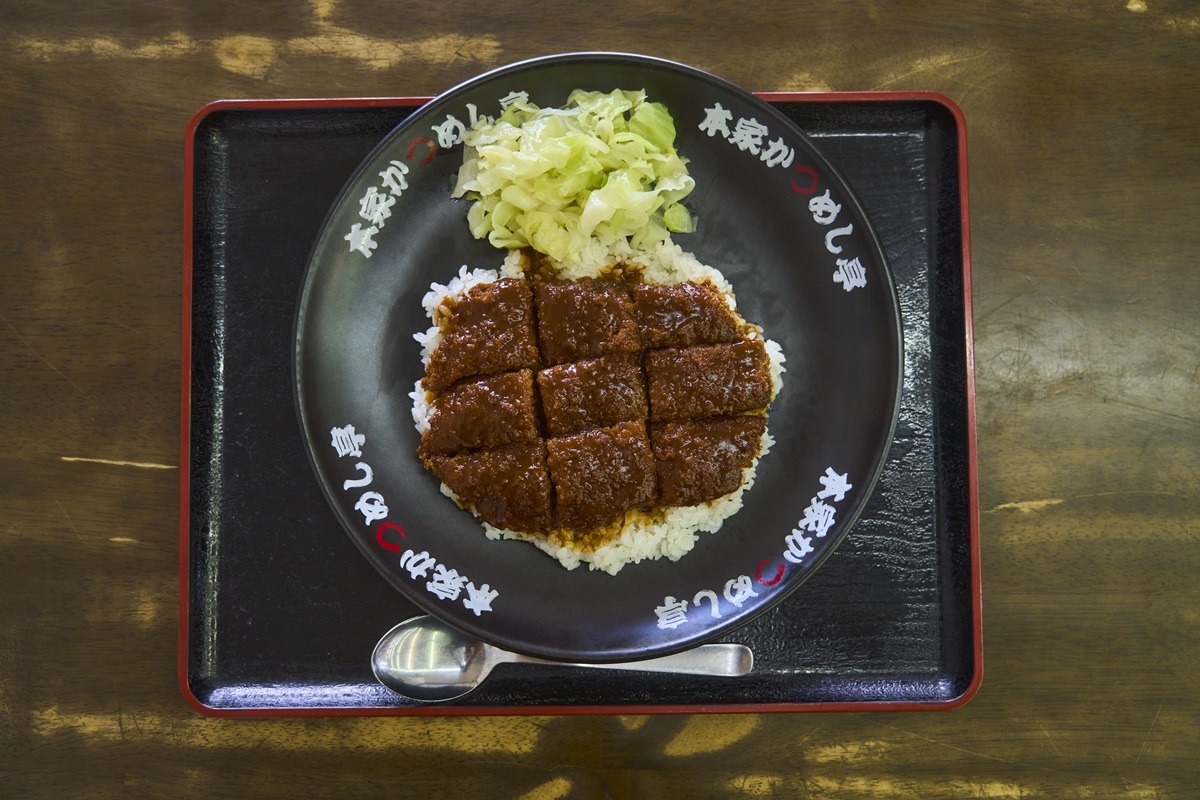
The cutlet itself is cut into bite-sized pieces and these days served with a spoon. Kakogawa katsumeshi is a dish in constant evolution, adapting to the times while maintaining its roots in thoughtful hospitality.
BOOK YOUR STAY IN HIMEJI
Akashiyaki: A Culinary Tradition Born of Akashi’s Local Industry and Delicacies
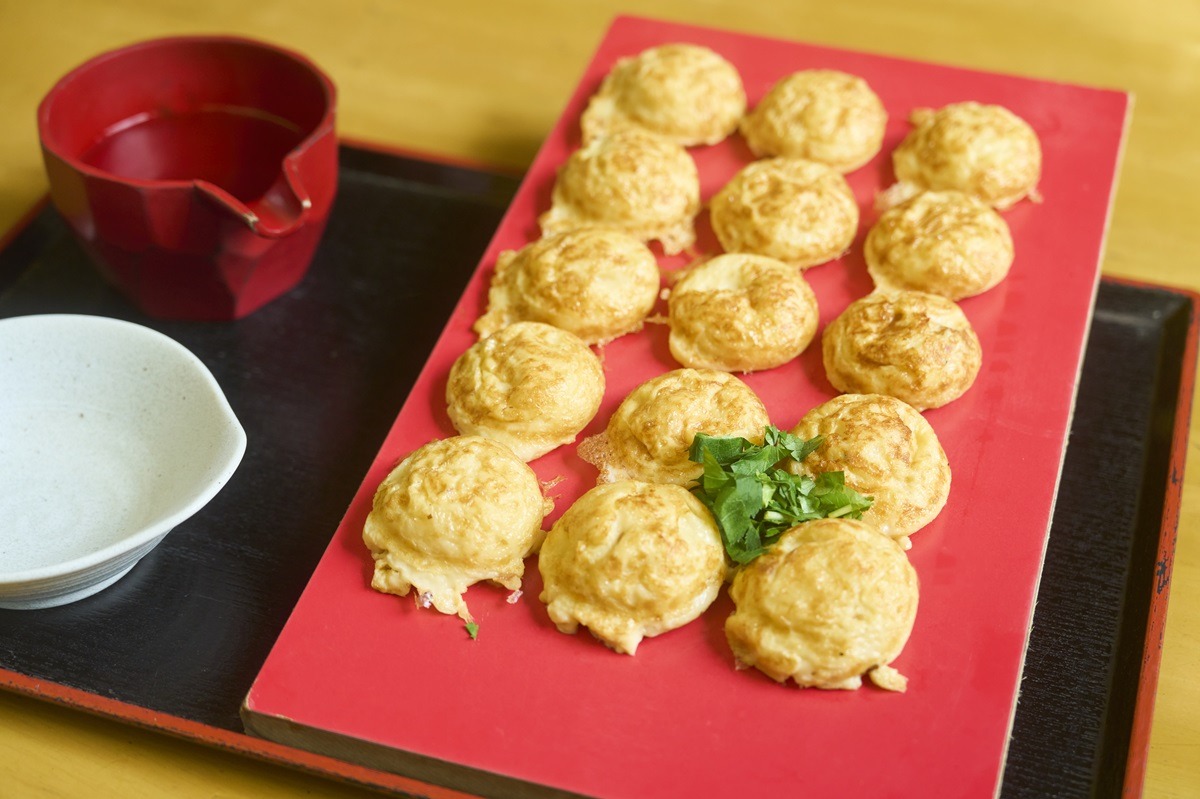 Akashiyaki from Akashi Tako
Next, travel to Akashi for its signature local dish, akashiyaki. These bite-sized treats are made by mixing eggs and broth into a batter of wheat and rice flour, which is then filled with Akashi’s famed octopus and cooked to perfection. Unlike Osaka’s takoyaki, which is topped with sauce, akashiyaki is enjoyed by dipping it into a flavorful broth. With its fluffy and juicy texture complemented by the chewy octopus, this snack is irresistible and perfect for any time of day.
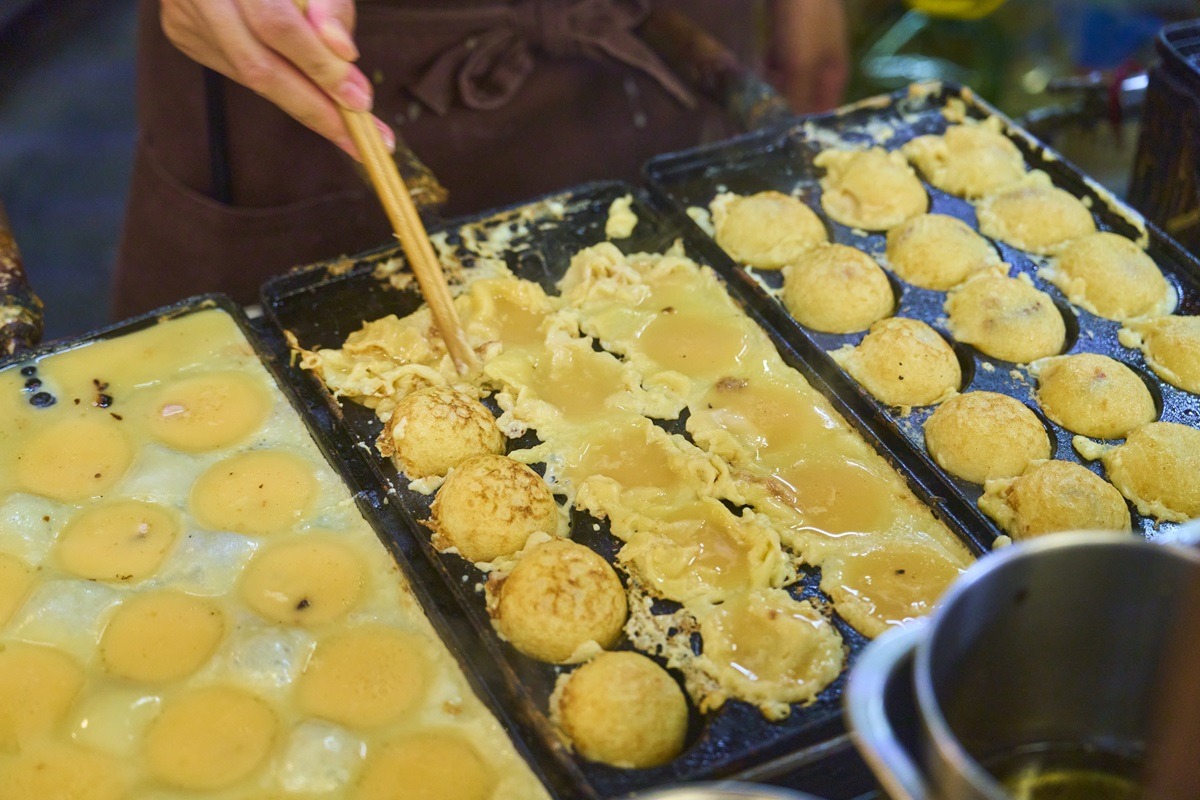
The origins of akashiyaki trace back roughly 140 years, when Hyogo Prefecture’s Akashi City was a hub for making imitation coral “Akashi-dama.” Egg whites were used in the manufacturing process, and the leftover yolks were mixed with flour and cooked with octopus—a practice that eventually gave rise to akashiyaki.
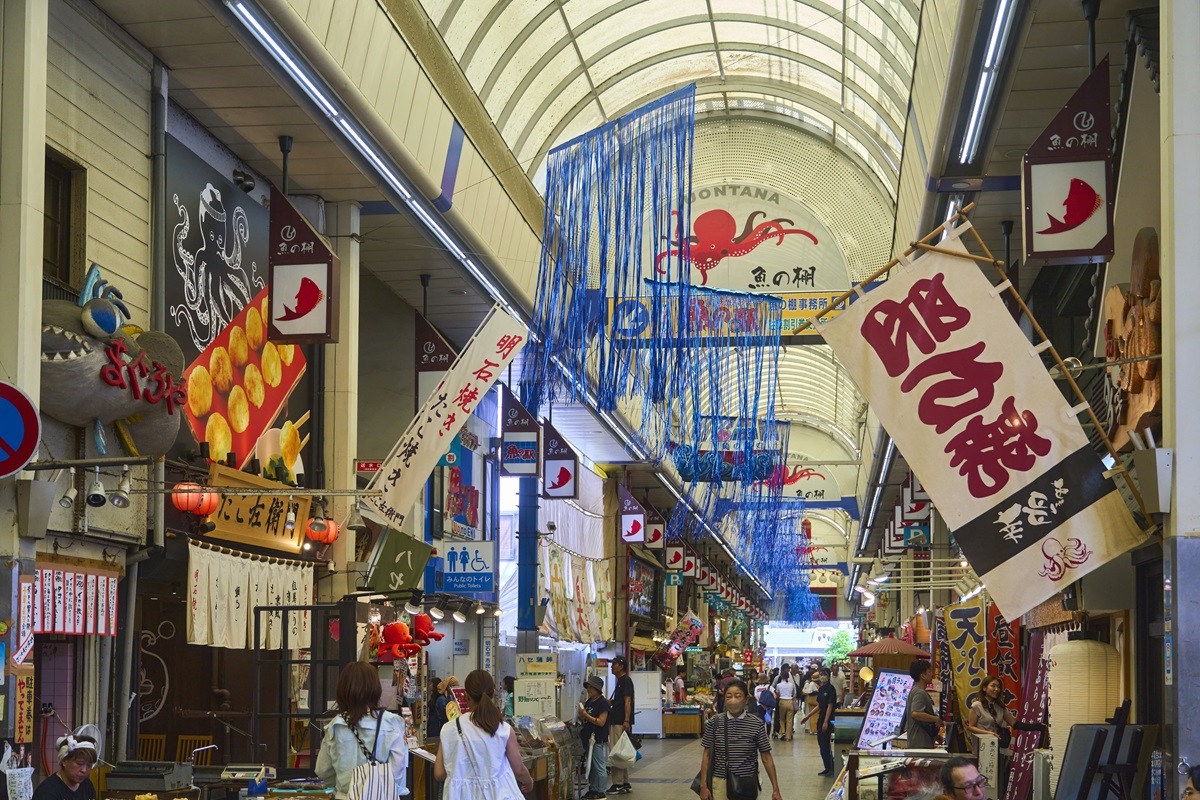 Uontana Shopping Street
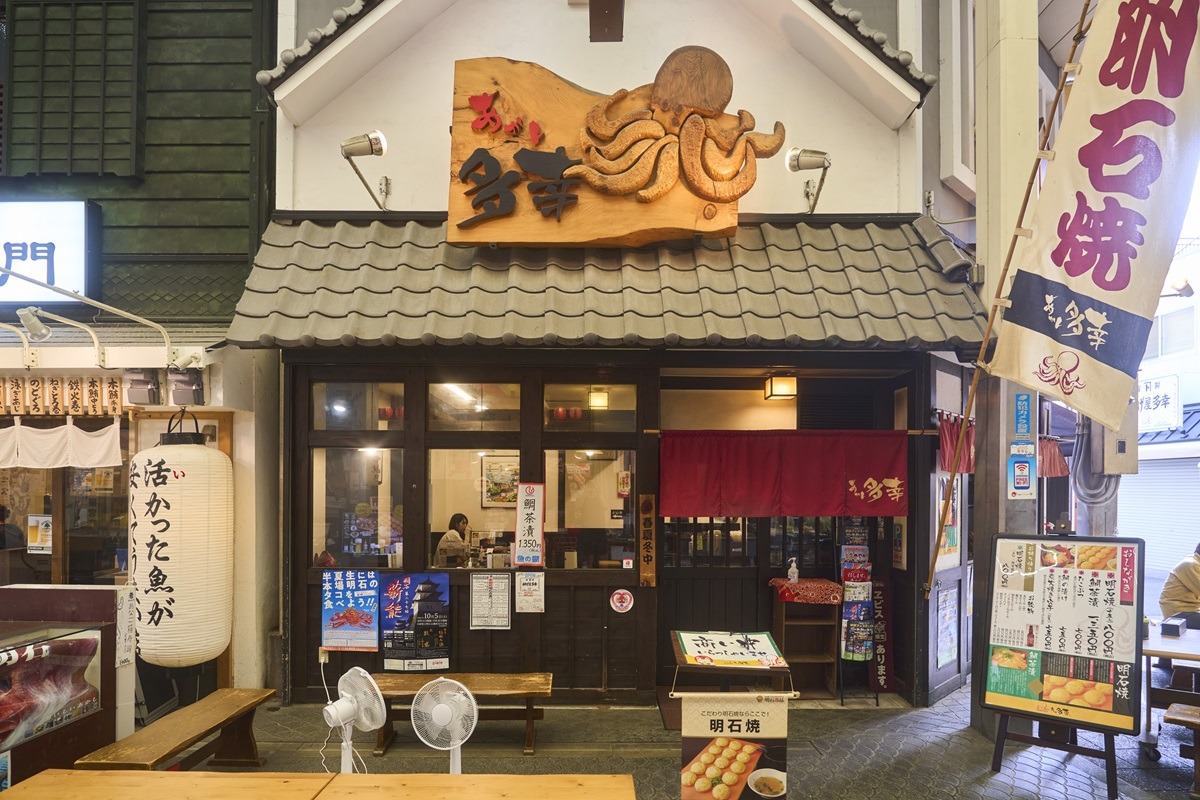 Akashi Tako
Located about a three-minute walk from JR Akashi Station, Uontana Shopping Street is home to around ten akashiyaki vendors. One standout is Akashi Tako, which prides itself on using the finest ingredients. Their dipping broth blends the clean flavor of kombu with the rich umami of bonito, creating a perfect pairing for the akashiyaki. For a twist, try adding matcha salt or other seasonings to discover new flavors.
Akashi is just a 13-minute train ride from Kakogawa, or about 12 minutes from Kobe, making it an easy stop on a trip based there. And from Osaka, it’s only 40 minutes away.
BOOK YOUR STAY IN KOBE
Warm Up in the Evening with “Himeji Oden” and Ginger Soy Sauce
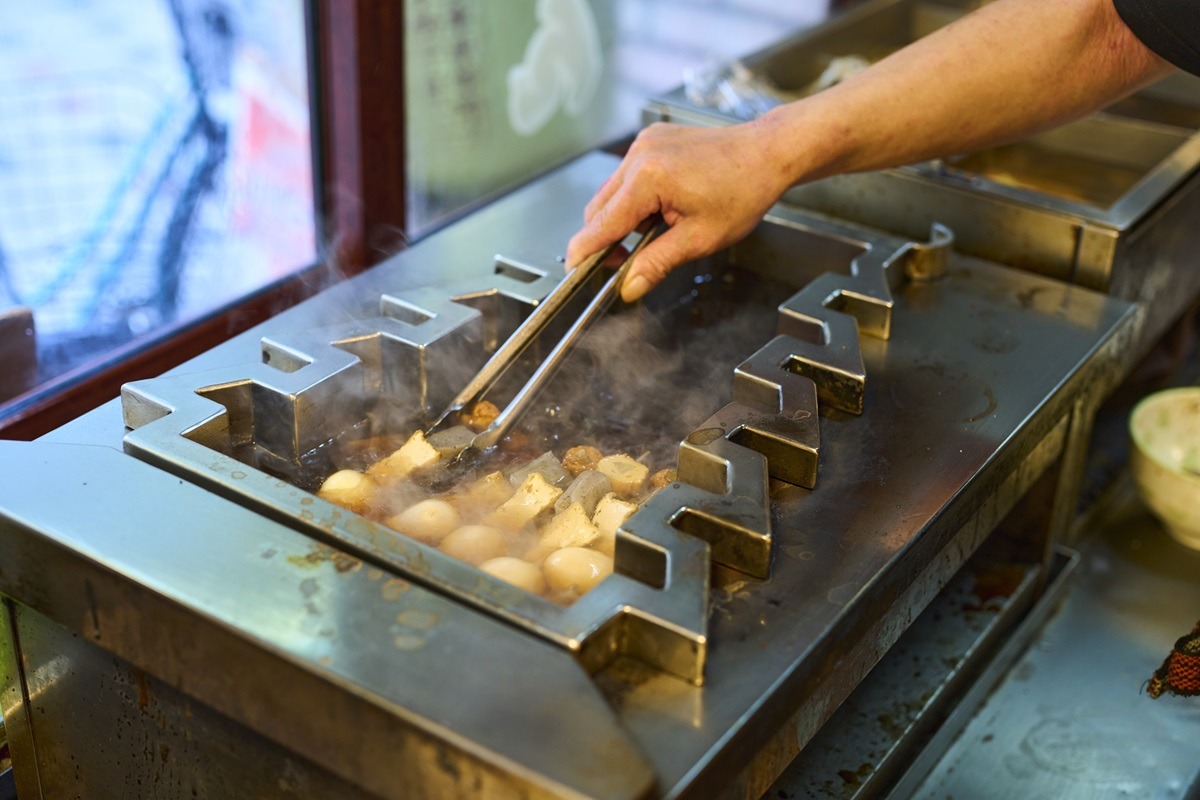 Shusentei Nadagiku Kappatei
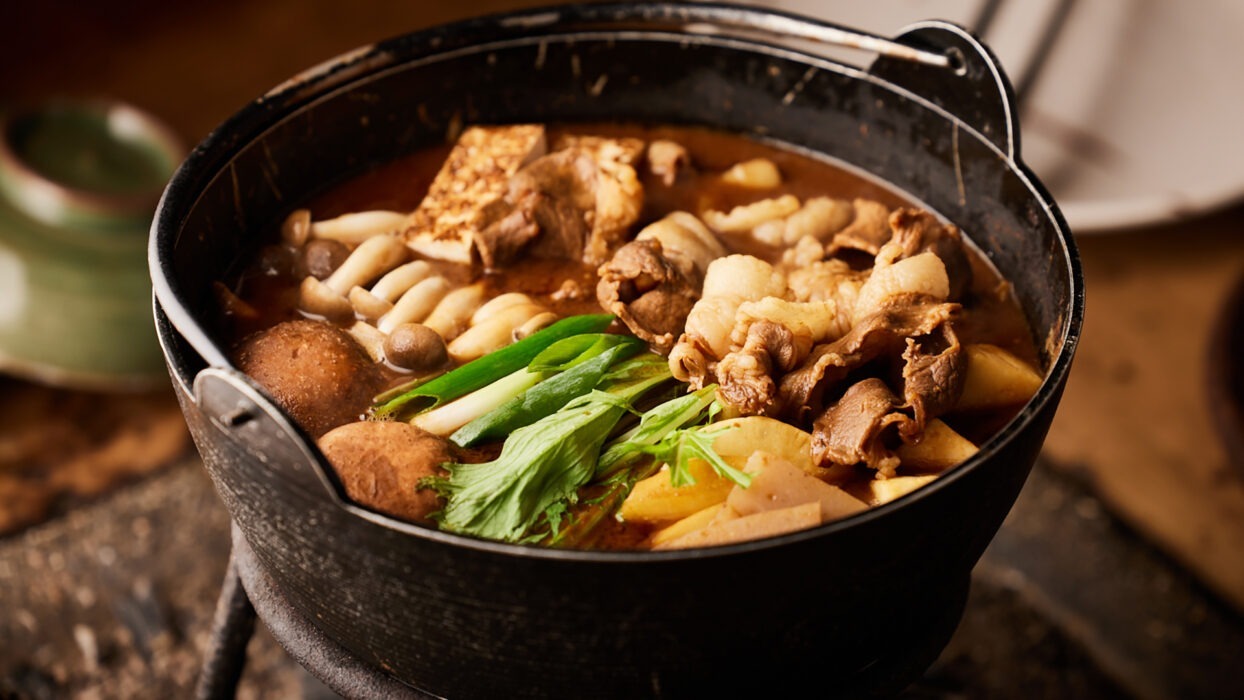
Himeji offers yet another culinary gem: Himeji oden. A variation of the classic Japanese hotpot, oden features ingredients like radish, konjac, eggs, and fish cakes simmered in a soy-based broth made with bonito and kombu. While oden in other regions—such as Tokyo, Shizuoka, or Nagoya—showcases local variations, Himeji’s unique twist is its accompaniment of ginger soy sauce.
This distinctive pairing stems from the area’s history: Hyogo Prefecture’s Himeji City was once a ginger-growing region, and nearby Tatsuno City has long been a center of soy sauce production. Together, they’ve created a flavor that’s been a local staple for generations.
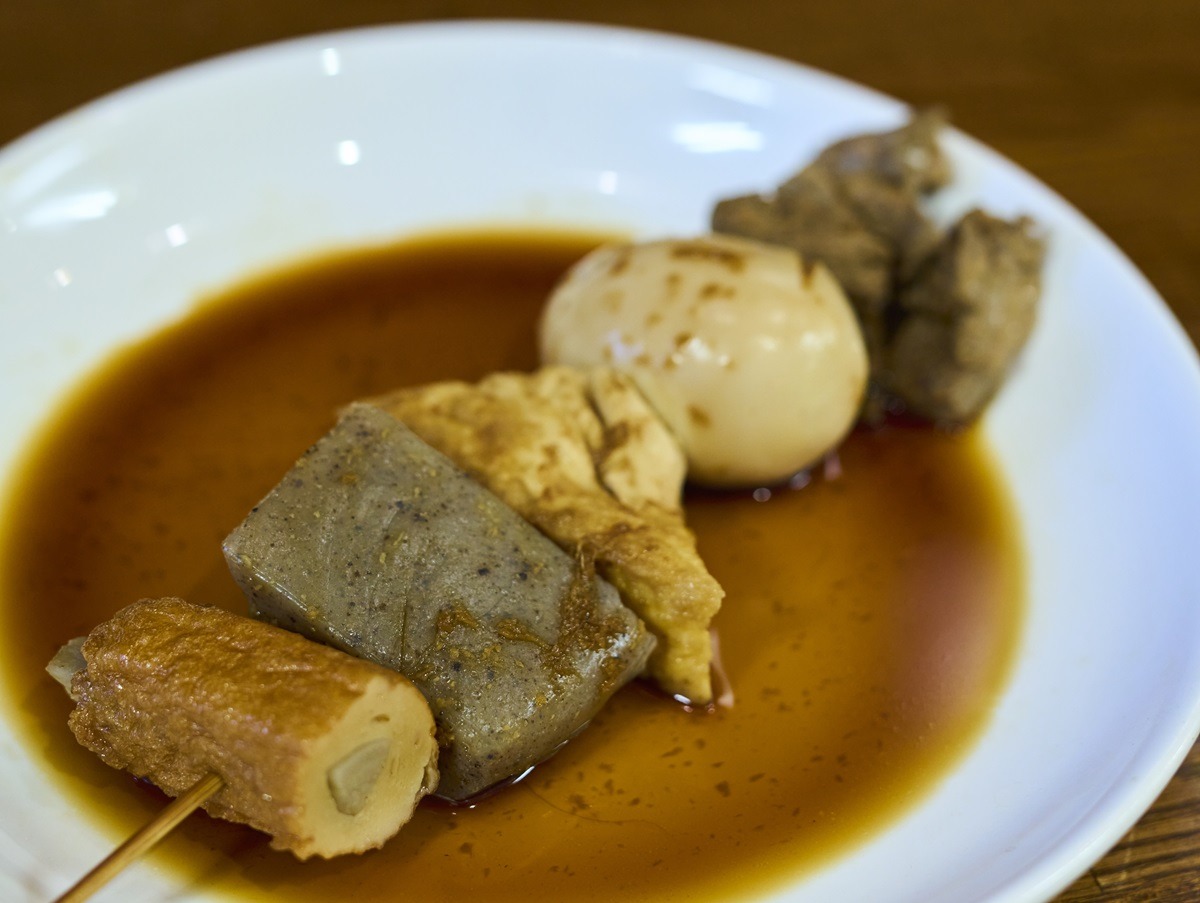
Each shop offers its own take on Himeji oden, but a standout is Shusentei Nadagiku Kappatei, just a three-minute walk from JR Himeji Station. Their popular offering, “Large Skewer Black Oden,” features five skewered ingredients—beef tendon, eggs, fried tofu, konjac, and burdock rolls—soaked in rich broth and finished with ginger soy sauce. The zesty ginger adds a kick to the sweet and savory flavors, making it a perfect match for Japanese sake.
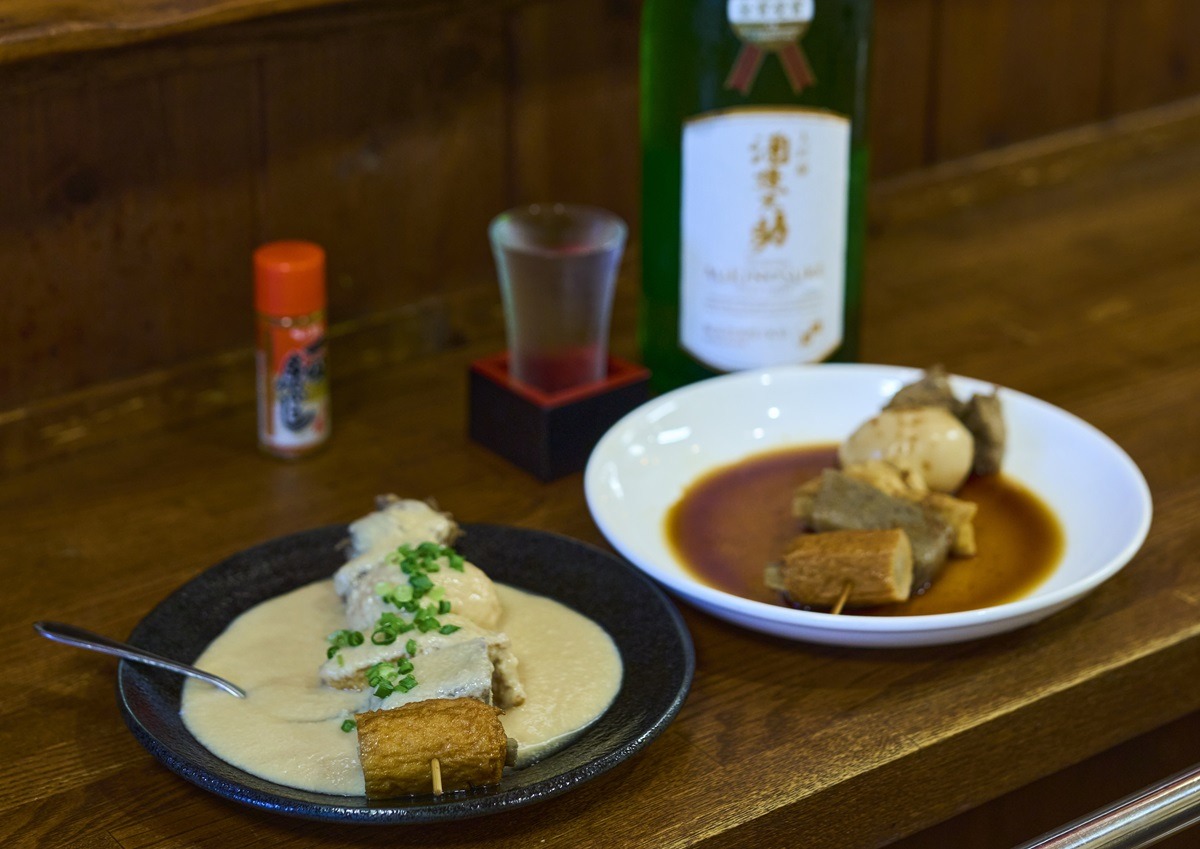
At Shusentei Nadagiku Kappatei, run by the Nadagiku Shuzo Sake Brewery, you can also enjoy their original sake lees-flavored “Large Skewer White Oden.” Why not enjoy sampling and comparing the spicy black and mellow white varieties?
Morning, noon, and night—after indulging in local specialties throughout Himeji, try winding down your day with a relaxing soak at Shiota Onsen.
BOOK YOUR STAY IN HIMEJI
Born from Nature’s Blessings: Ibonoito Somen, a Regional Specialty
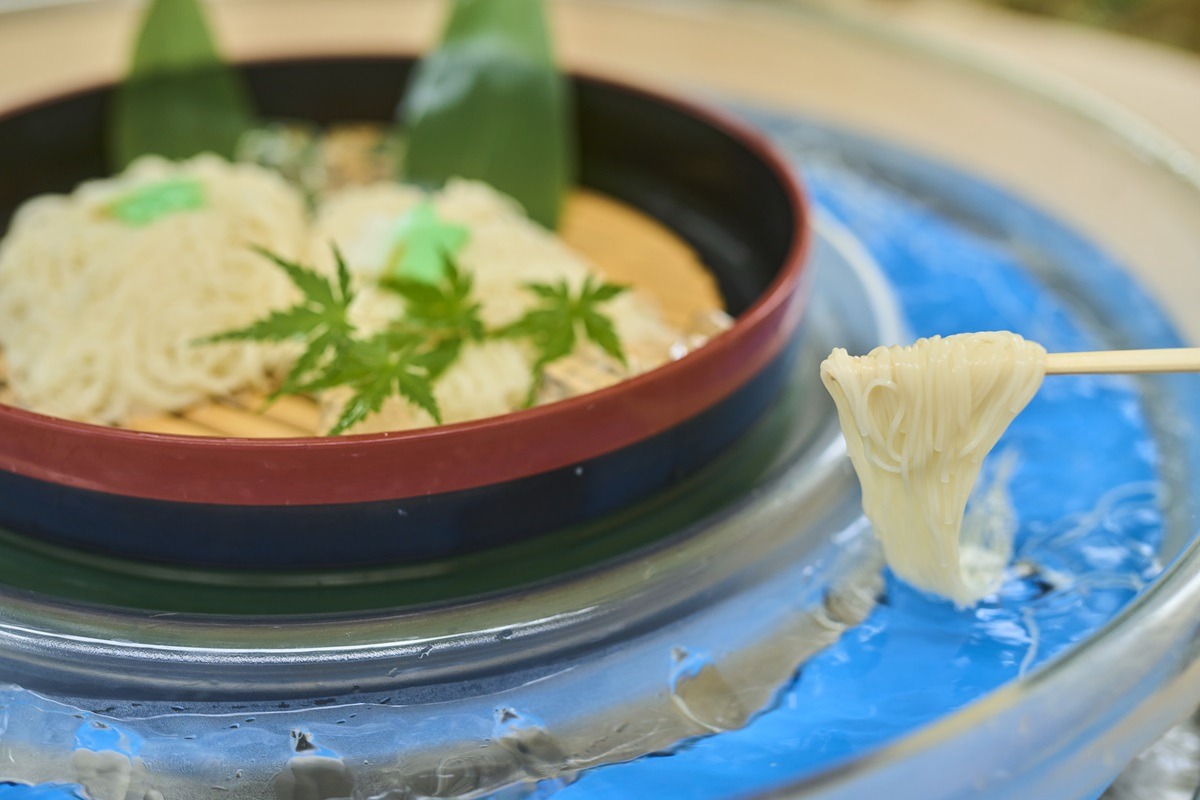 Ibonoito Museum, the Home of Somen
From ingredients to recipes, Hyogo offers a rich variety of noodle-based local specialties.Delicate as a thread, beautifully smooth, and with a refreshing texture, somen noodles are a staple of Japanese cuisine. The Harima region in southwestern Hyogo Prefecture benefits from a natural abundance of high-quality wheat, pure water sources, and the renowned Akaho salt, making it an ideal location for producing Banshu hand-stretched somen. The region’s flagship brand, Ibonoito,accounts for 40% of Japan’s hand-stretched somen production.
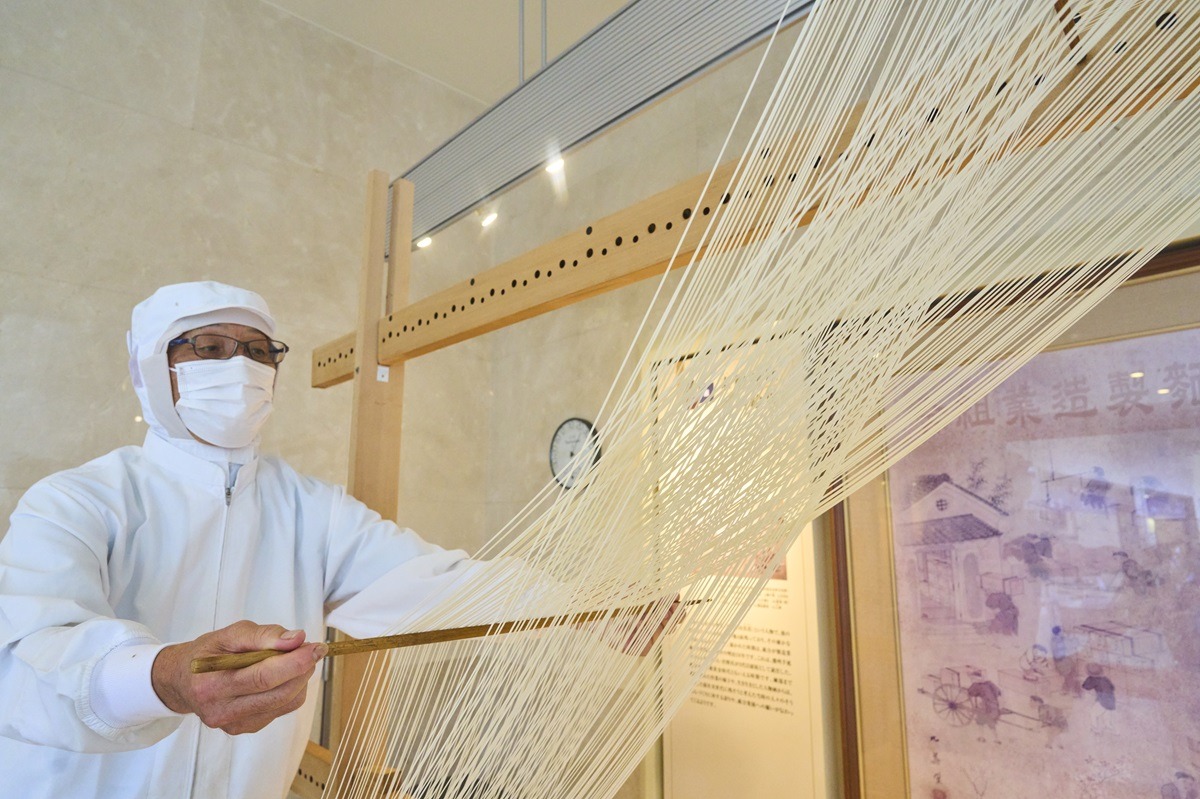
Located in Tatsuno City, the Ibonoito Museum, the Home of Somen, invites visitors to learn about the history and crafting process of hand-stretched somen while experiencing its traditional flavors and techniques firsthand. Watching skilled artisans at work makes the noodles served at the museum’s restaurant, Iori, taste even better.
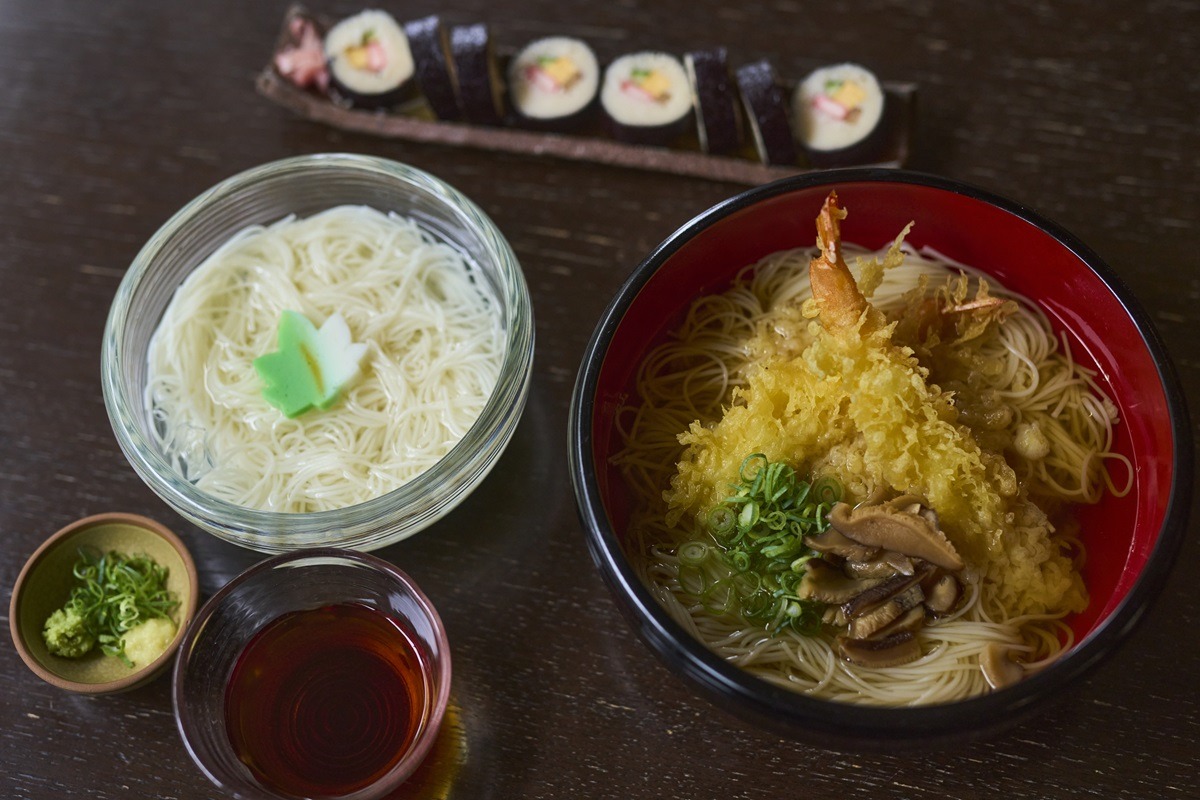
Somen is versatile, delicious whether served chilled or warm, with endless possibilities for recipes. At Iori, you can enjoy silky, firm-textured chilled somen or hearty, broth-infused nyumen. The facility’s shop also offers somen for purchase, making it an ideal gift. Associated with good fortune, somen symbolizes longevity and strong bonds due to its thin, unbroken strands. Why not bring some home for someone special?
BOOK YOUR STAY IN HIMEJI
Izushi Sara Soba: Small Plates for Exquisite Noodles
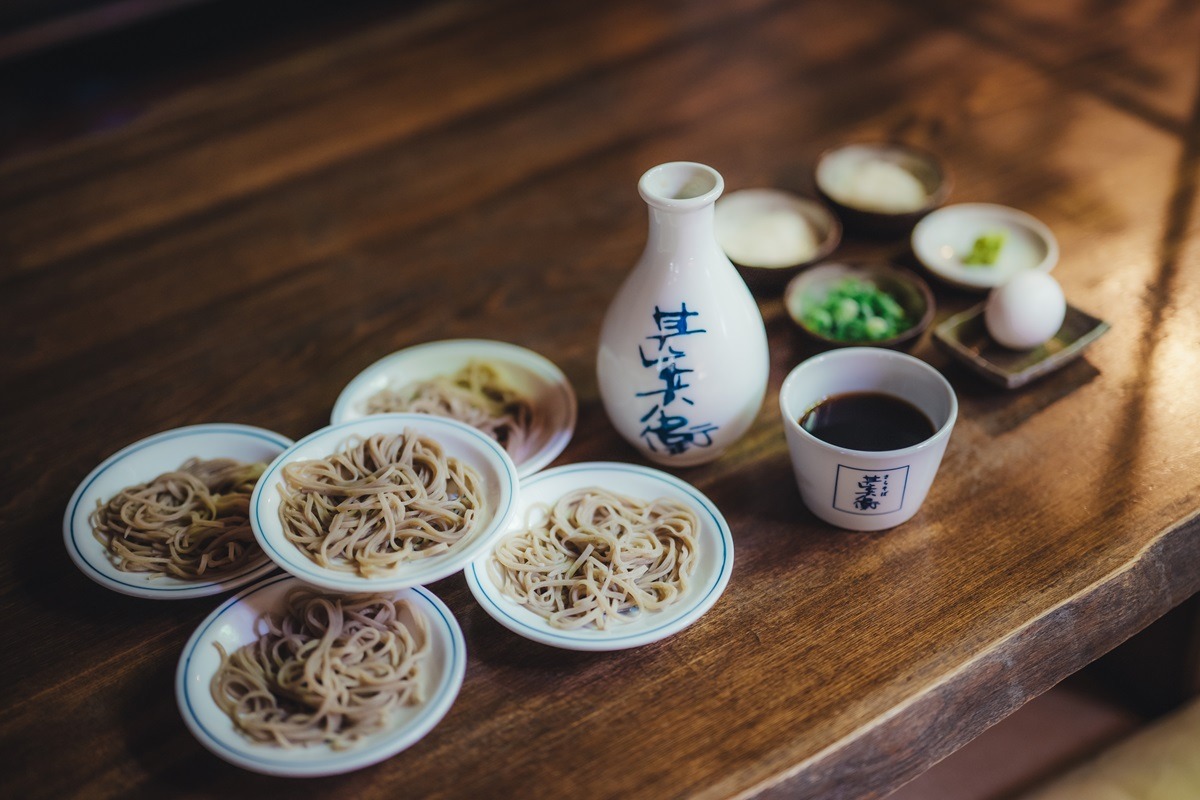 Sara Soba Jinbe
Izushi Town, accessible by bus from Kinosaki Onsen in about two hours and forty minutes, is a charming and accessible destination. Its culinary claim to fame is Izushi sara soba (“plated soba”), with around 40 soba restaurants scattered throughout the town. The distinctive feature of Izushi soba is its presentation: thin, chewy noodles served on small individual plates, offering a unique texture and extraordinary flavor.
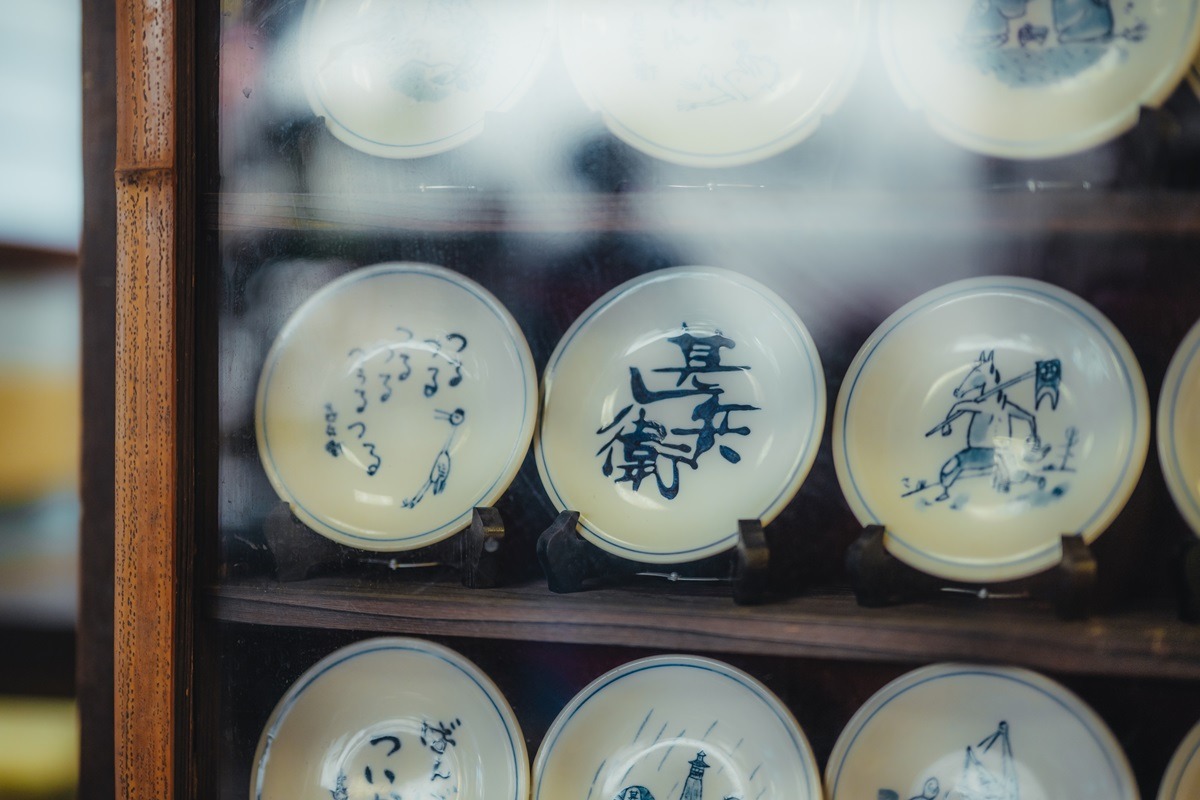
At Sara Soba Jinbe, a Michelin Bib Gourmand establishment, you can savor soba that’s prepared as fresh as can be—freshly ground, freshly made, and freshly boiled. A typical serving consists of five plates, with men averaging 10–15 plates and women 7–8 plates per meal. The Izushi style encourages diners to customize their experience by adding toppings like raw egg, grated yam, scallions, or daikon radish.
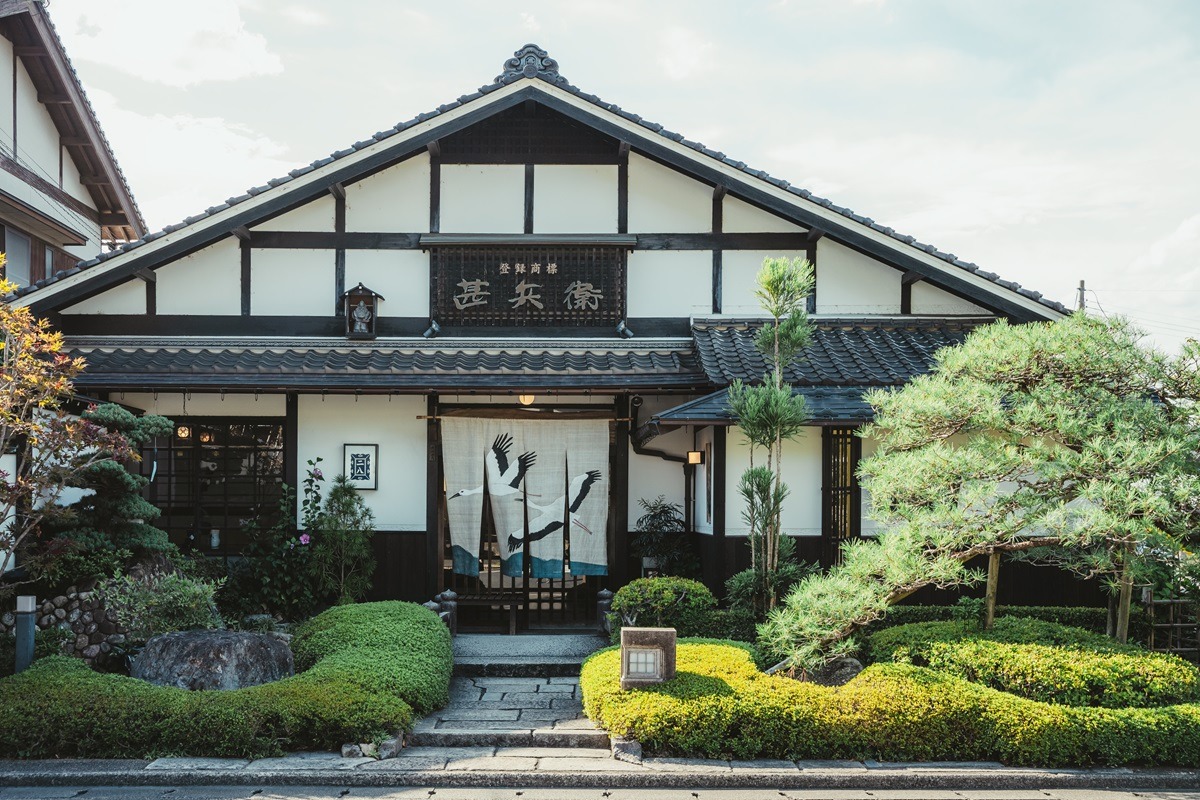
A dedicated Izushi sara soba restaurant, Sara Soba Jinbei features a traditional Japanese interior, offering a serene dining experience.
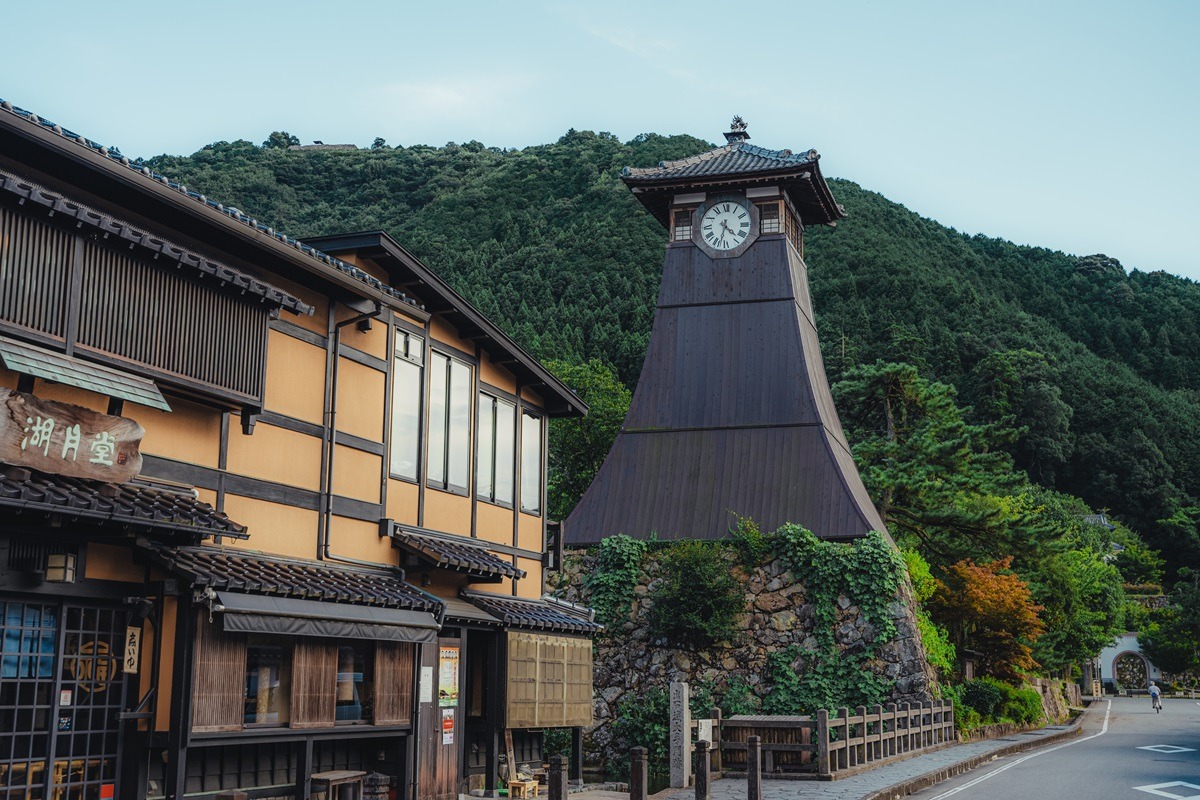 Shinkoro Clock Tower serves as a symbol of Izushi Town.
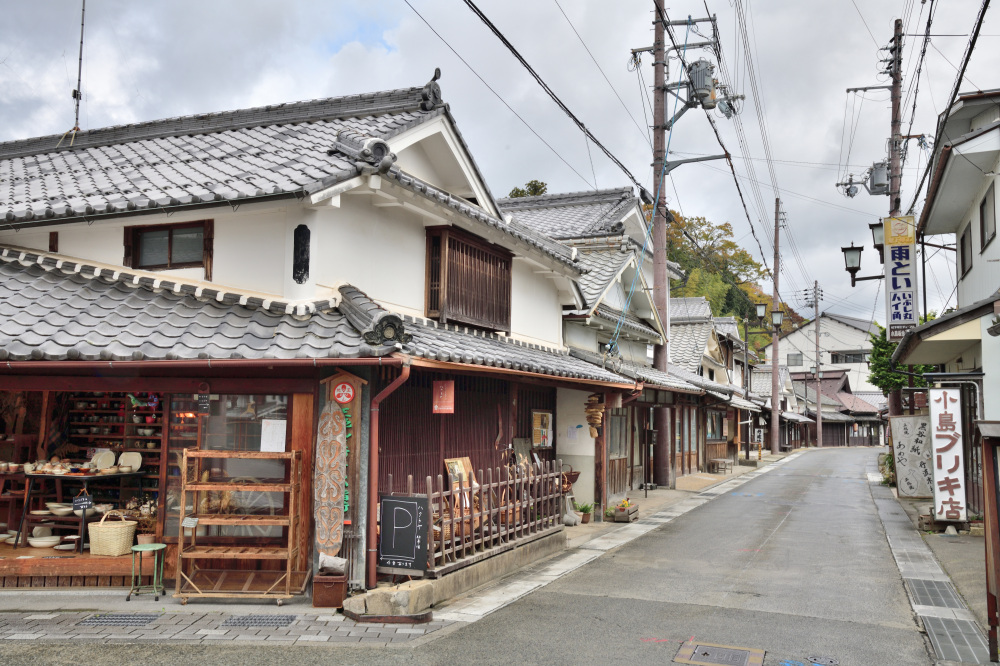
While in Izushi, take time to explore its picturesque streets, often called “Little Kyoto of Tajima,” and soak in its historical charm.
BOOK YOUR STAY NEAR KINOSAKI
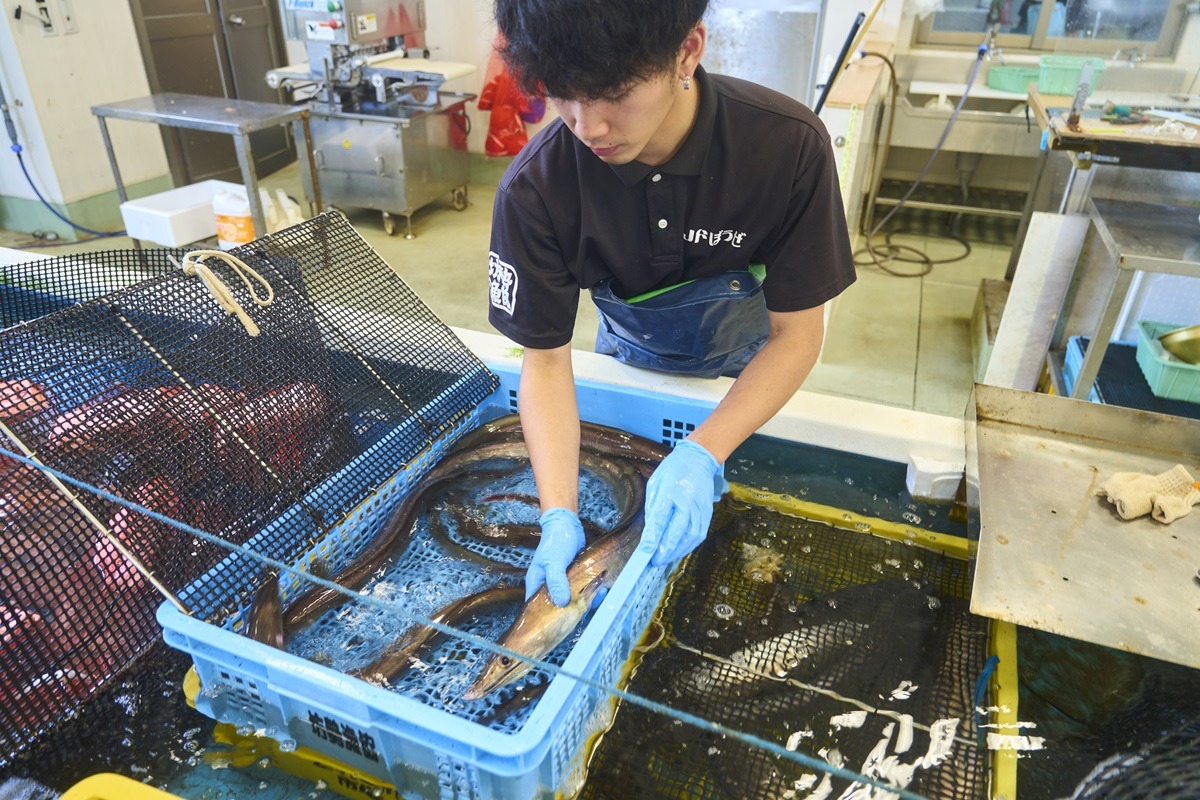
A Seasonal Delicacy: Boze Saba Mackerel, Available Only from Autumn to Spring
 Himeji