Cameras and driving in Hyogo! A three-day, two-night itinerary for the photogenic Tajima area where you can enjoy hot springs, history, and culture
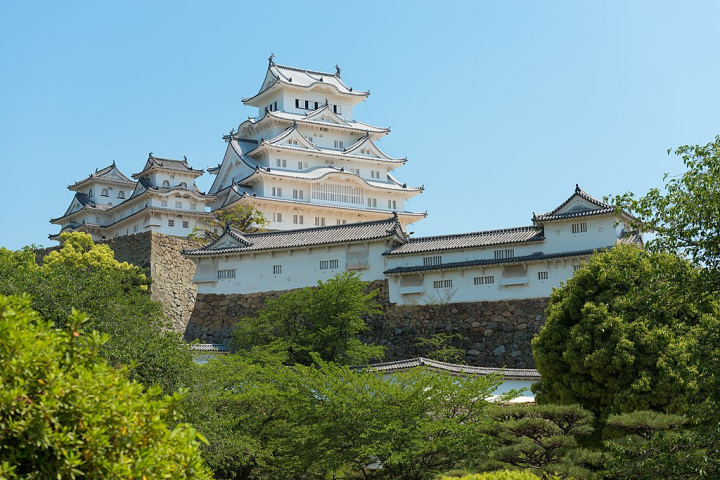
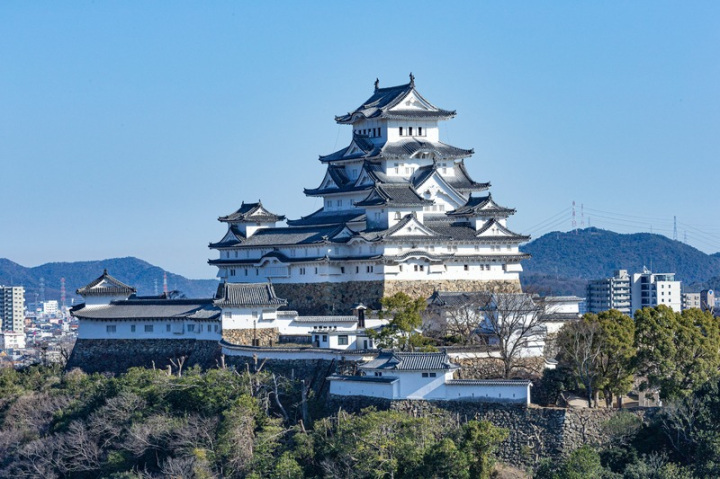
Here, we introduce a route that takes you around some incredible and photo-worthy spots, making the most of history and culture from World Heritage site Himeji Castle to Ikuno Ginzan, one of Japan’s three great silver mines, and the fantastical Takeda Castle Ruins.
And since the Tajima area boasts plenty of hot spring sources, you can also enjoy soothing your mind and body in the hot springs on your travels.
- Time needed
-
- 3-day itinerary
- Transport
-
- Car/Taxi
- Area
-
- Harima area
- Tajima area
[Lunch] Michi-no-eki (roadside station) Gin no Bashamichi Kamikawa
Take a breather at a roadside station where you can experience history and nature
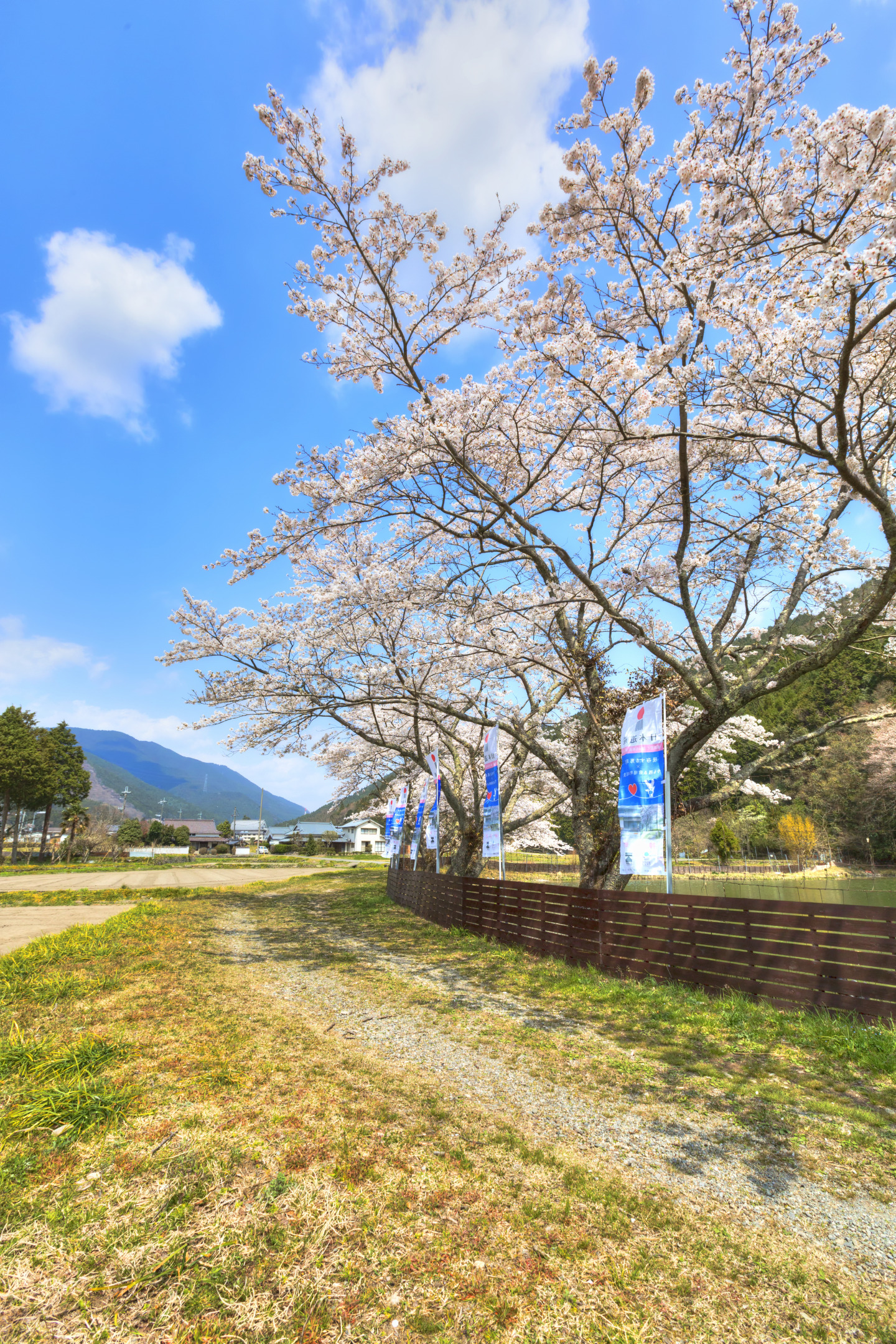
In addition to meals such as daily sets, udon, and soba, this michi-no-eki offers an array of specialty products from Kamikawa Town and other nearby towns, as well as souvenirs from the Gin no Bashamichi horse-drawn carriageway. You can also buy bento lunches and makizushi rolls.
As a roadside station, it naturally serves as a rest spot on drives, but it also provides information about local tourist attractions and specialty products.
Basic information
- Address
- 〒679-2434 兵庫県神崎郡神河町吉冨88-10
Historic site: Ikuno Ginzan (Silver Mine)
The mining tunnels are an extraordinary location!
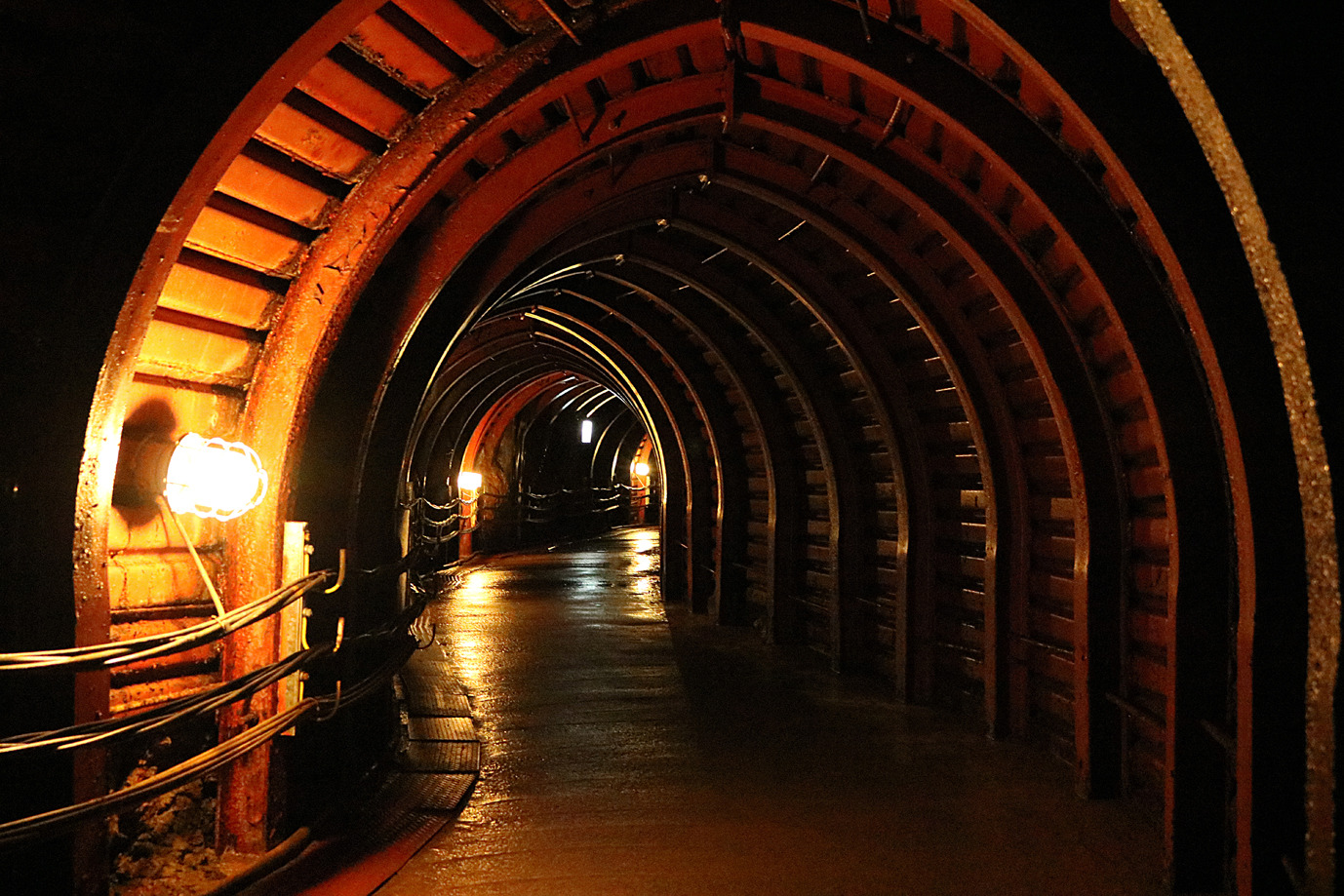
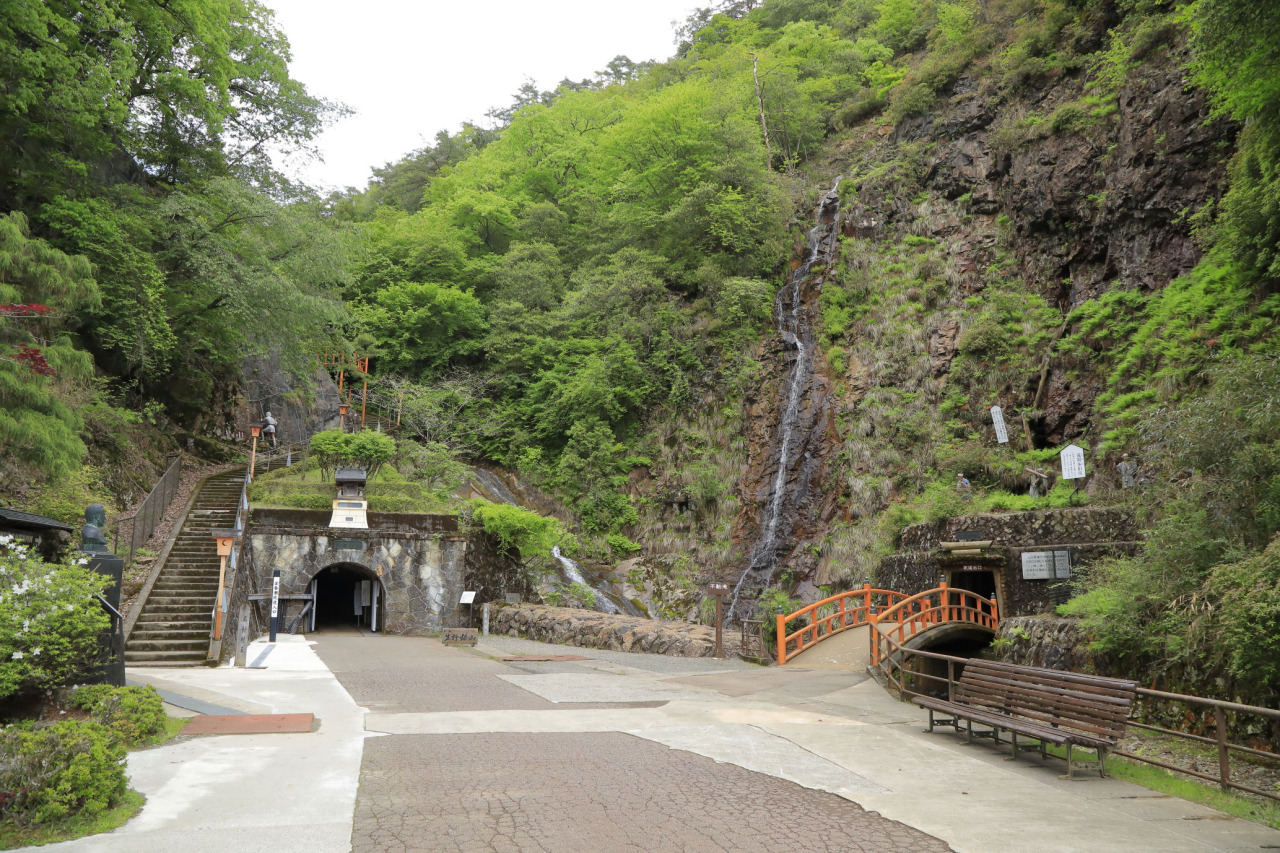
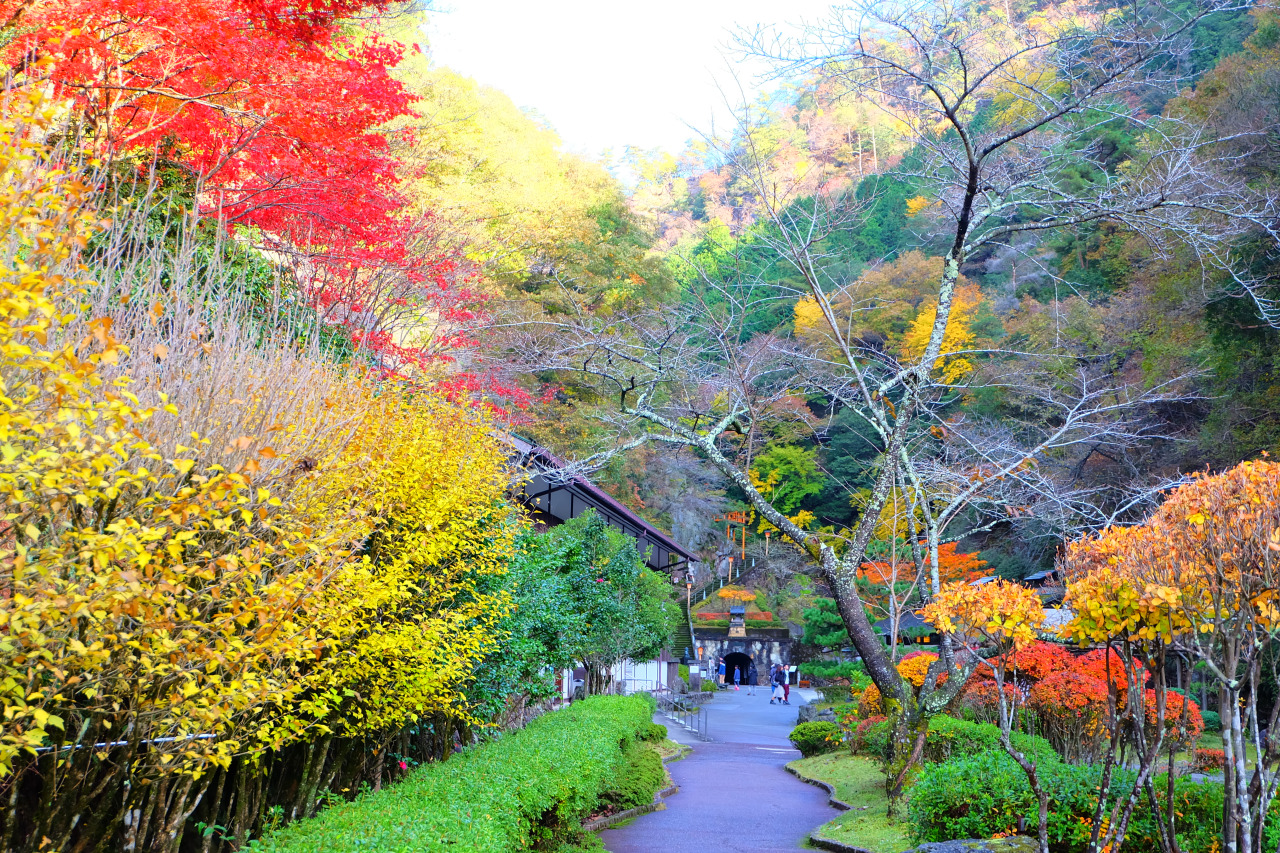
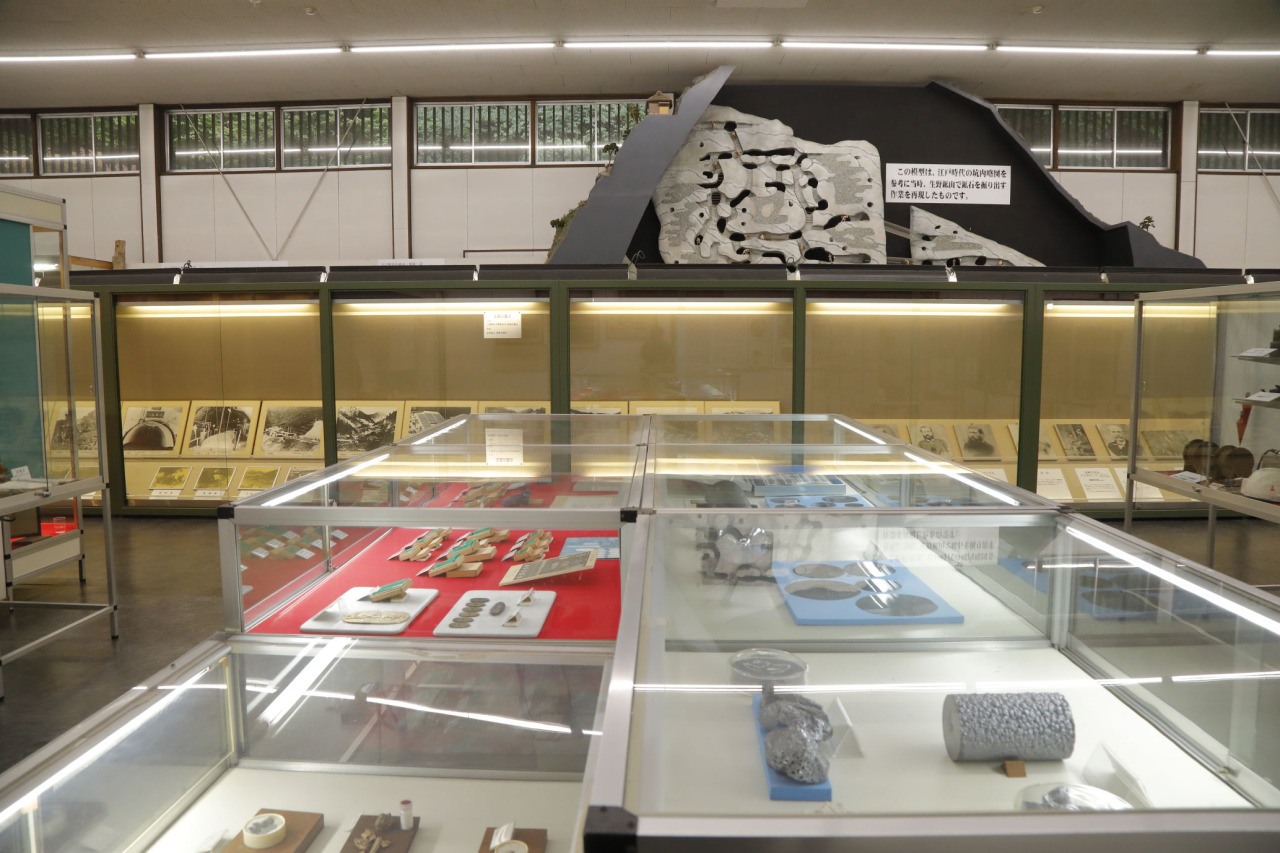
The historic Ikuno Ginzan silver mine in Asago City in Hyogo Prefecture is one of Japan’s best old mines, with a history that is said to have started in 807.
During the Sengoku period (the “warring states” period from the middle of the 15th century to the start of the 17th century when Japan experienced civil wars and social upheaval), this mine was a such an important source of mineral resources that powerful samurai such as Oda Nobunaga, Toyotomi Hideyoshi, and Tokugawa Ieyasu managed it directly.
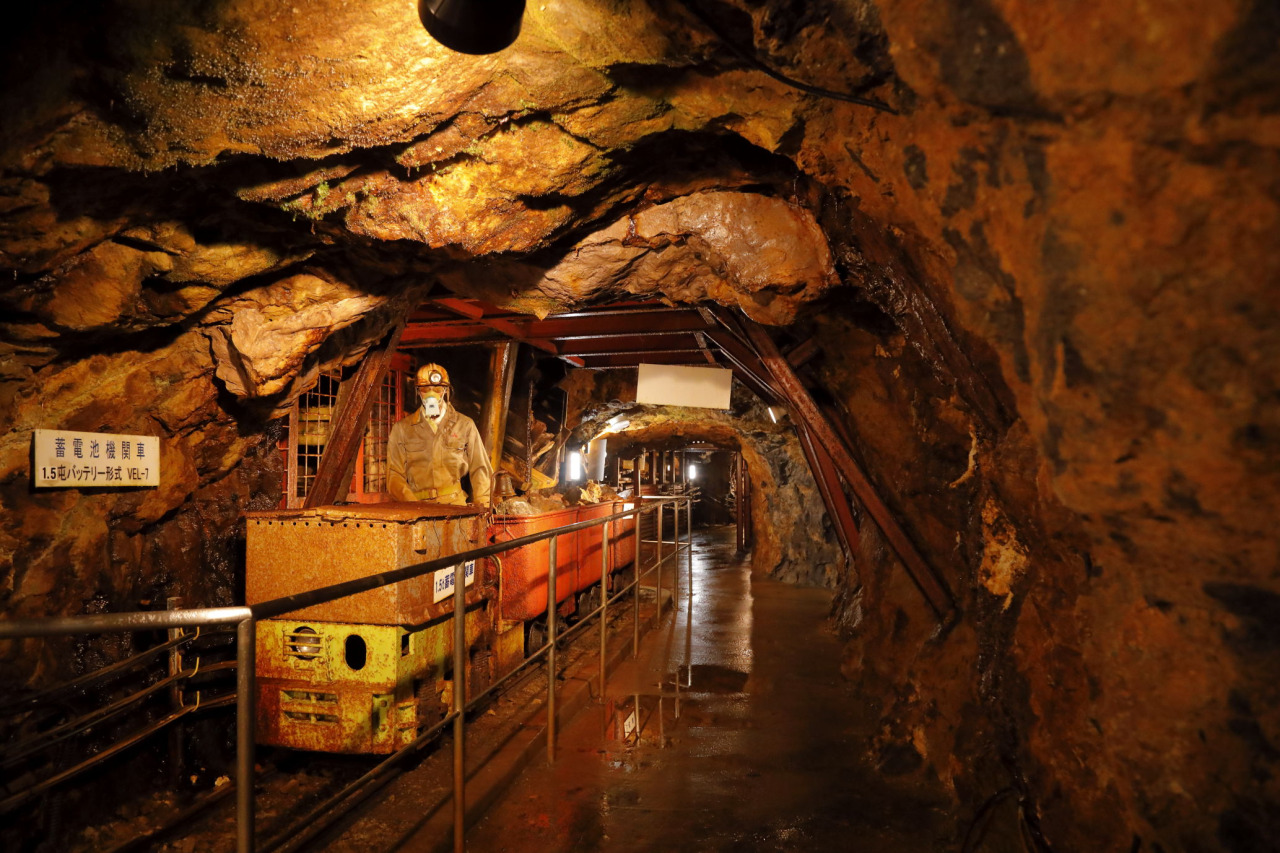
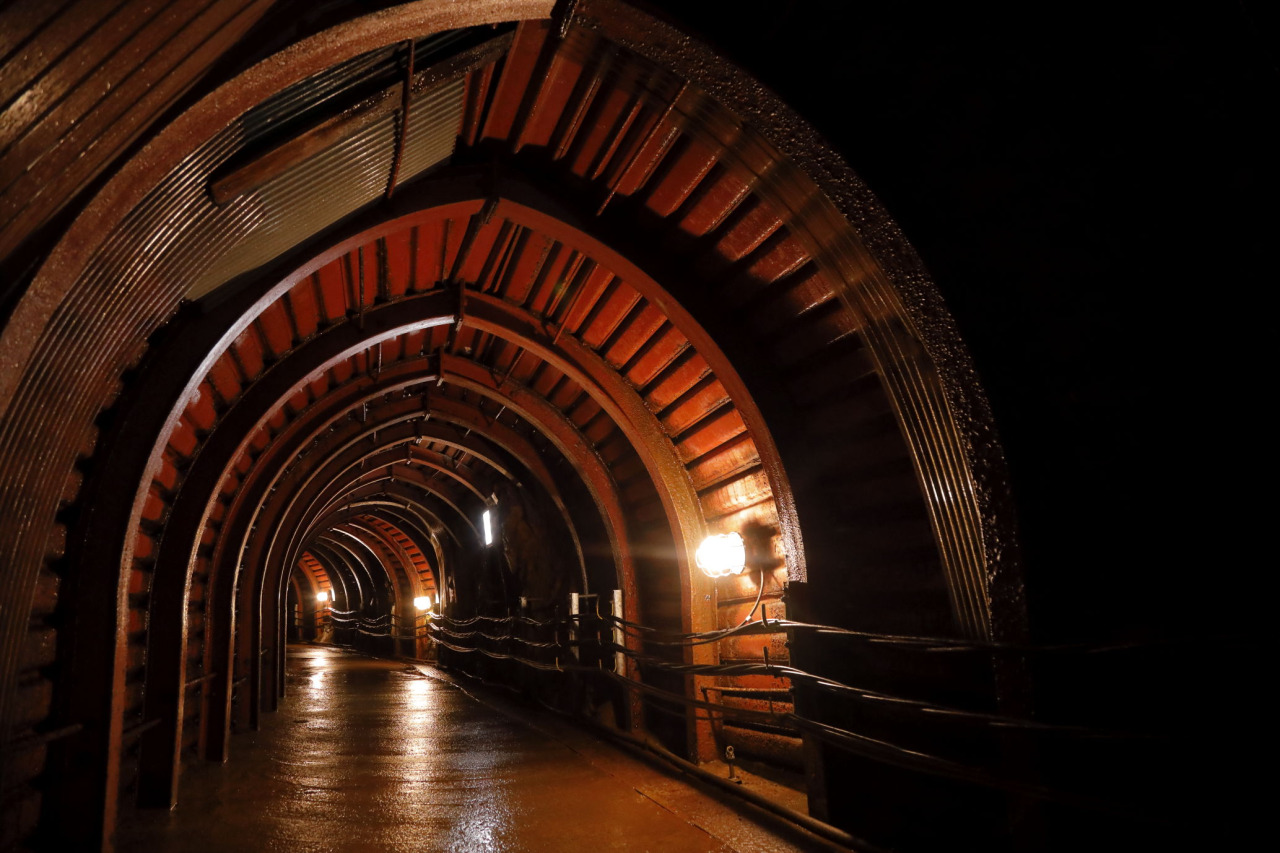
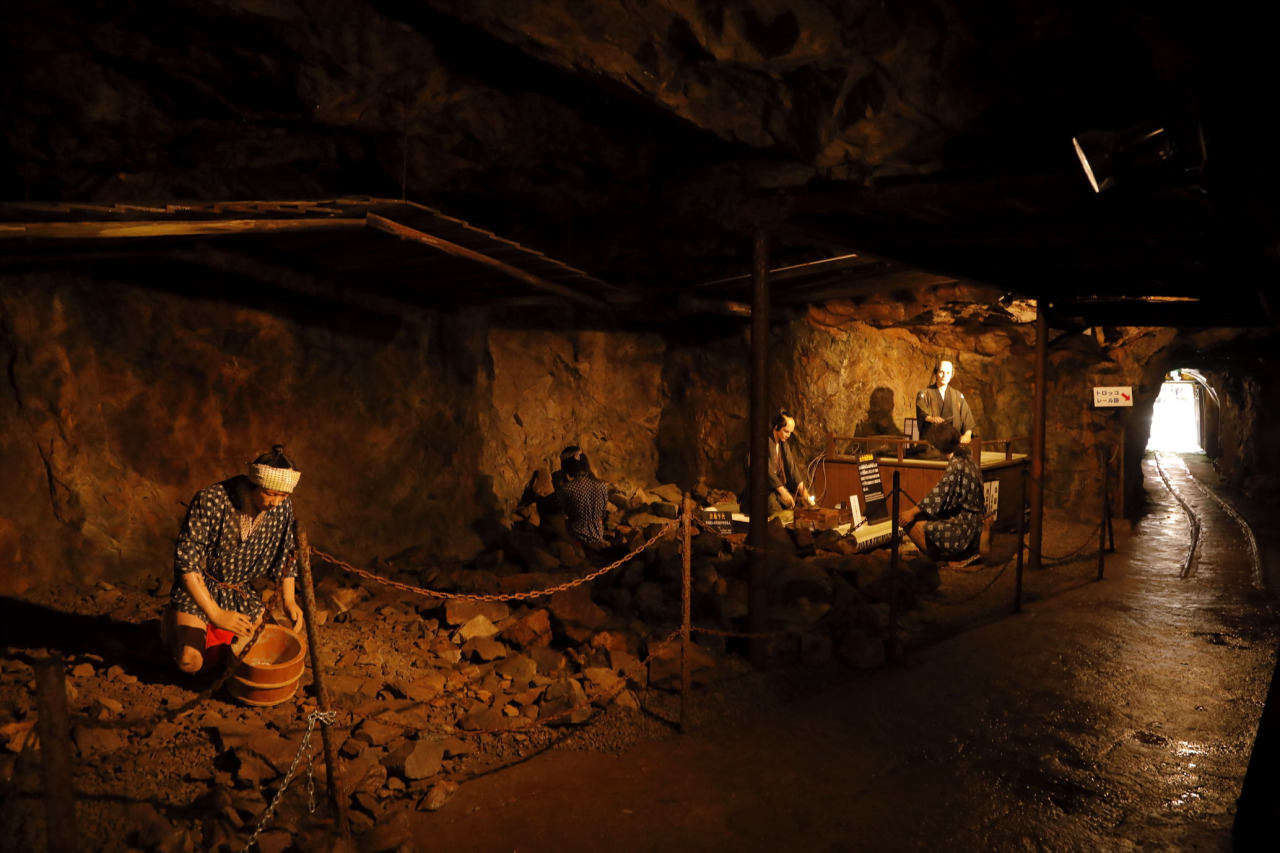
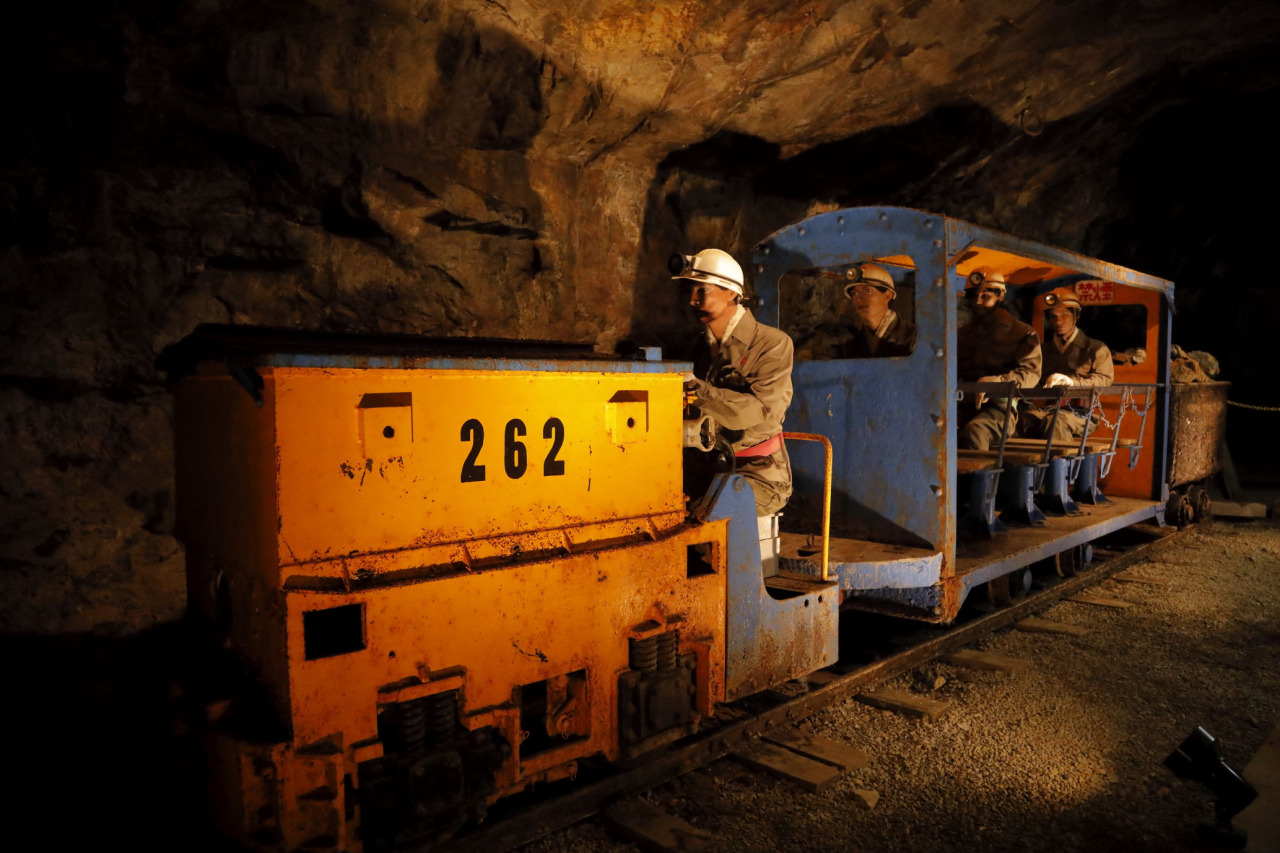
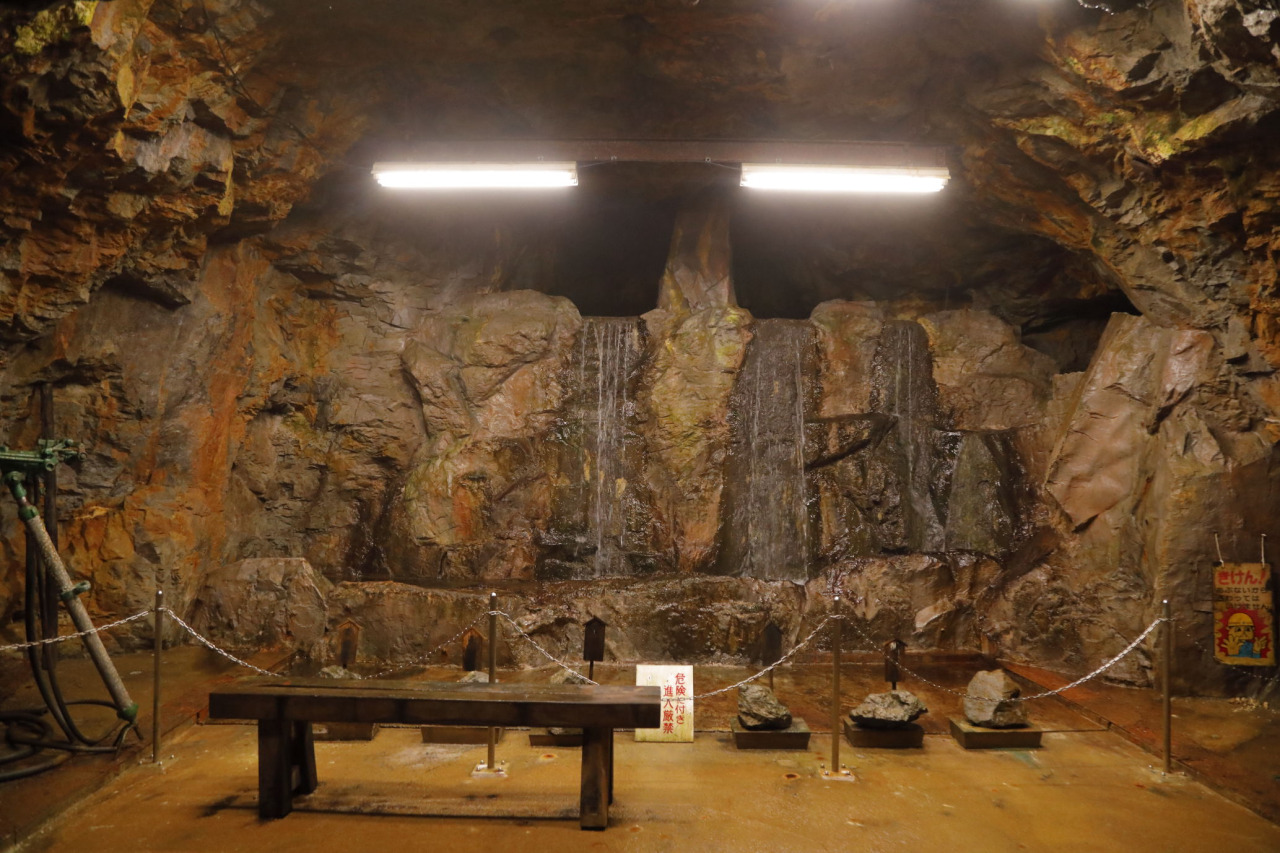
One of the greatest reasons for visiting Ikuno Ginzan is the ability to tour the mine by actually walking through the tunnels, as some of the vast 350-km tunnel network is open to the public.
You’ll discover the marks of hand-excavation from the Edo period (1603–1868), while modern machine-excavation is reproduced using realistic human models. Experience the harsh work environment of the people who worked in the mines in the past and the passion of the people who supported the development of industry in Japan.
The temperature in the tunnels is a bracing 13 or so degrees all year round, a feature that makes them a comfortable place to spend a cooling time on hot summer days.
Ikuno Ginzan has also been designated as Japan Heritage as “the Silver Mine Carriage Road (Gin no Bashamichi) and ore road running through Bantan.”
This refers to the approximately 75-km road that connects Ikuno Ginzan and Himeji Port in Hyogo Prefecture. The ore was carried down this road, and this designation recognizes its value as industrial heritage that supported the modernization of Japan.
During its long history spanning 1,200 years, Ikuno Ginzan has continued to greatly influence Japan’s economy and culture. Make sure you visit this once-prosperous mine.
Basic information
- Address
- 33-5 Ono, Ikuno-cho Asago-shi
- Telephone Number
- 079-679-2010
- Opening times
- April to October: 09:10–17:20 (last entry 16:40); November: 09:10–16:50 (last entry 16:10); December to February: 09:40–16:20 (last entry 15:40)、March: 09:40–16:50 (last entry 16:10)
- Closures
- Every Tuesday from December to February (the following day if Tuesday is a public holiday), Year-end/New Year
Mikobata Senkojo-ato (former Mikobata Processing Plant)
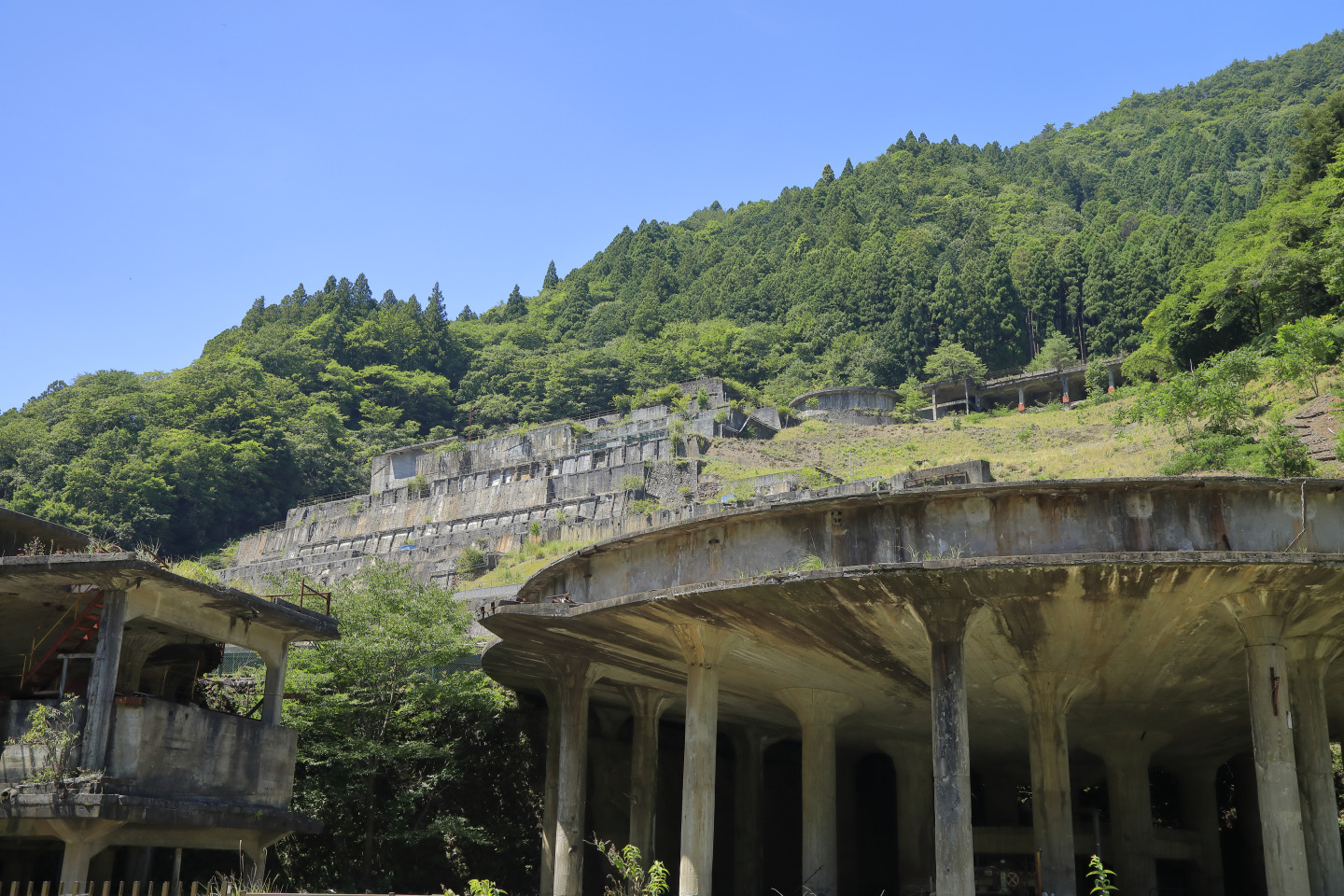
The remains of a modern industry, said to have been the best in the Orient
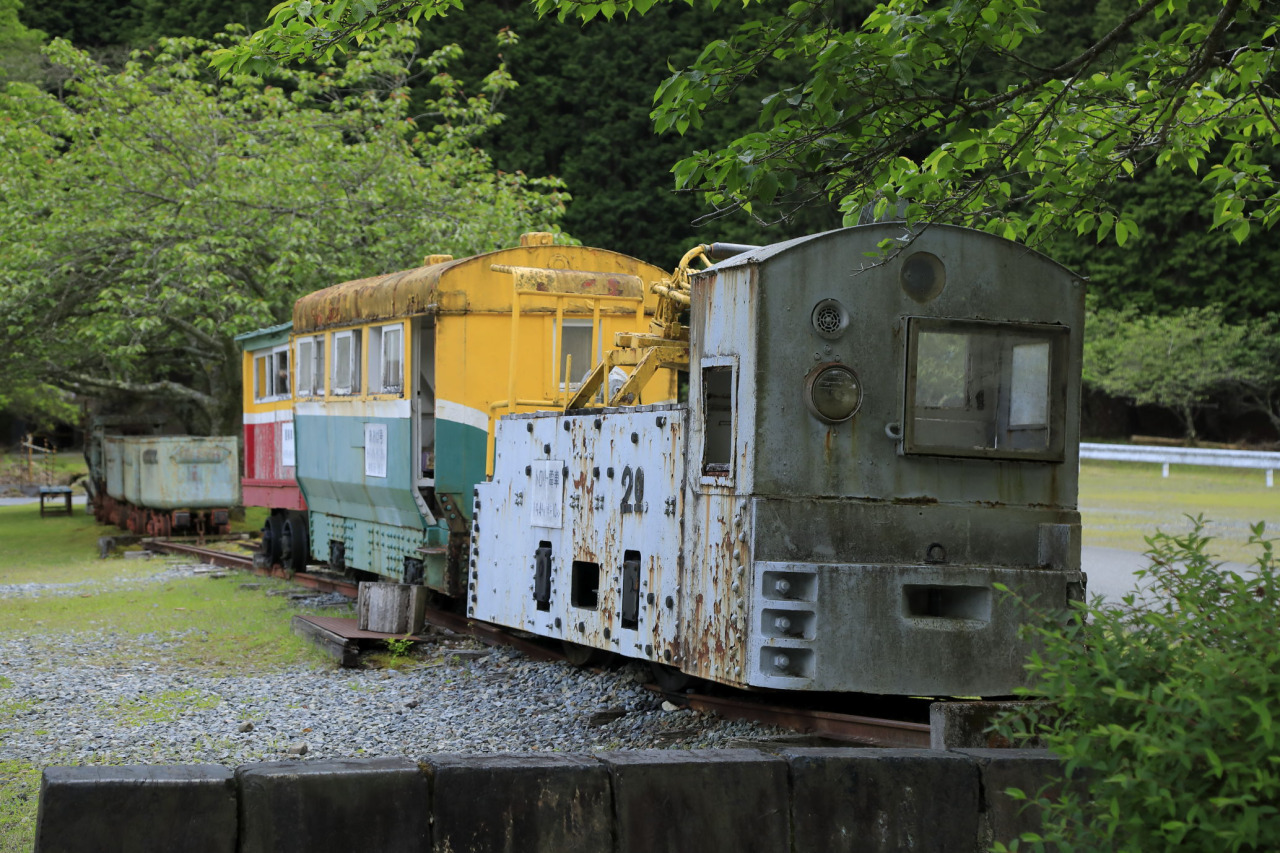
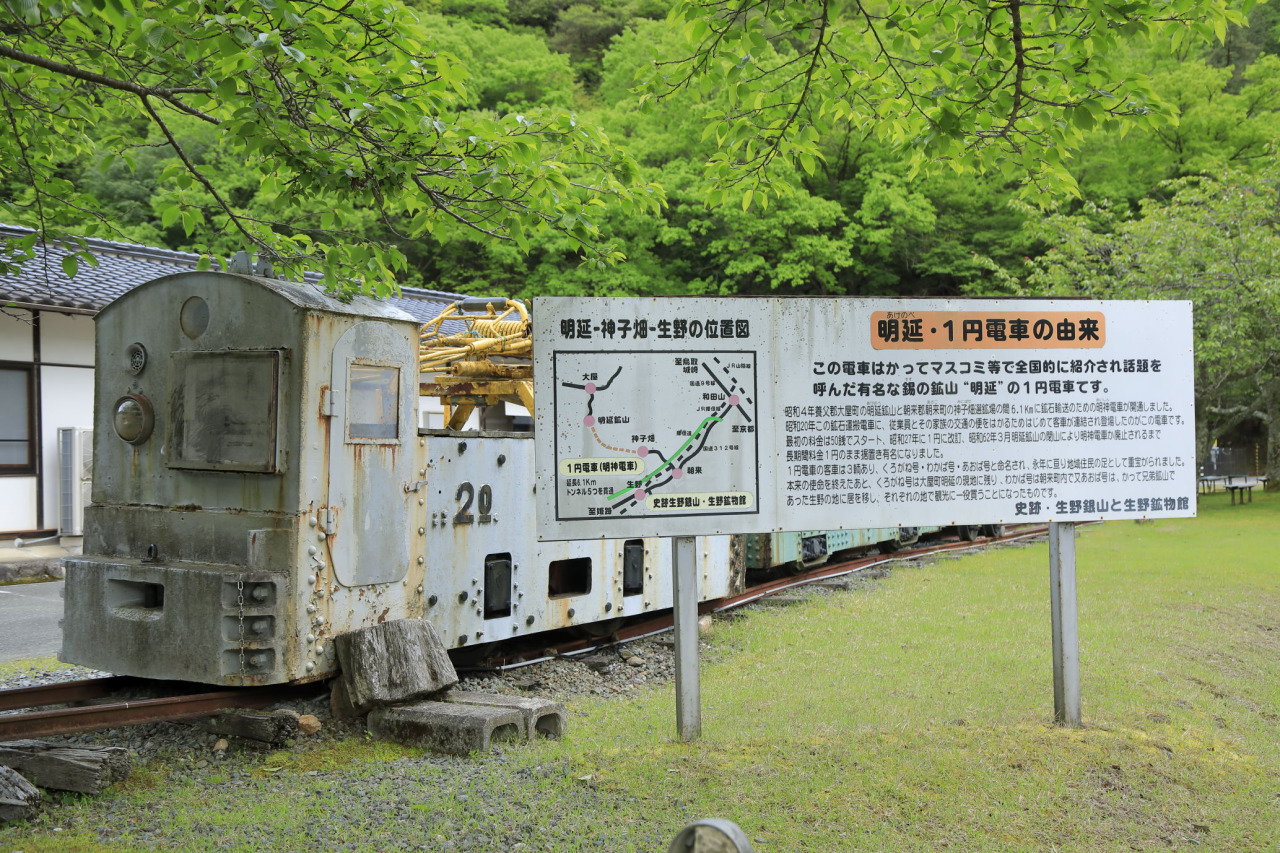
Mikobata was developed as a mine in around 800, but its mining flourished from around the 15th century. After this, it went from the control of the Meiji government to temporarily fall under the jurisdiction of the Imperial Household Ministry as a property of the Imperial Household. It was sold to Mitsubishi in 1896, and a large-scale ore processing plant was constructed in 1919. Ore from the Akenobe Mine (in Oya-cho, Yabu City), six kilometers away across the mountain, was carried here and separated into zinc, copper, and tin using specific gravity and buoyancy. The plant boasted the greatest output in the Orient. There was a huge building here that made use of the mountain slope, but it has now been partially demolished.
Basic information
- Address
- 〒679-3453 兵庫県朝来市佐嚢1842番地1
[Accommodation] A stroll through Takeda Castle town
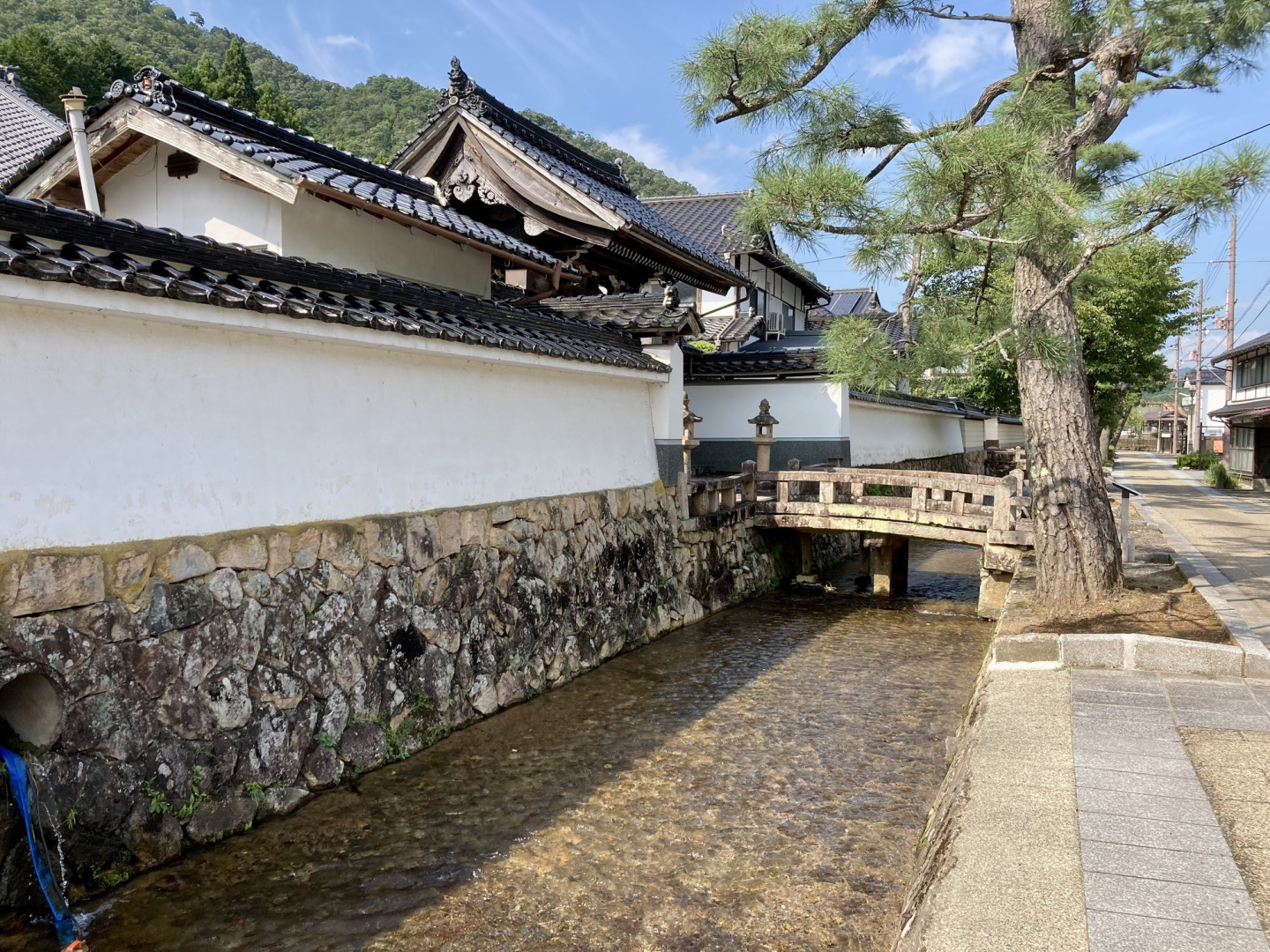
Nostalgic streetscapes where you can take great pictures anywhere
Located near Takeda Station on the JR Bantan line, the Takeda Castle Ruins, known as the “castle in the sky,” bustle with visitors. And there’s more than just the castle ruins—the castle town lying at the foot of Mount Kojo is steeped in history and is also a highlight.
Basic information
- Address
- 〒669-5252 兵庫県朝来市和田山町竹田
Takeda Castle Ruins
You might even see the cloud sea at dawn
Did you know that there’s a place called the “castle in the sky” in Hyogo Prefecture?
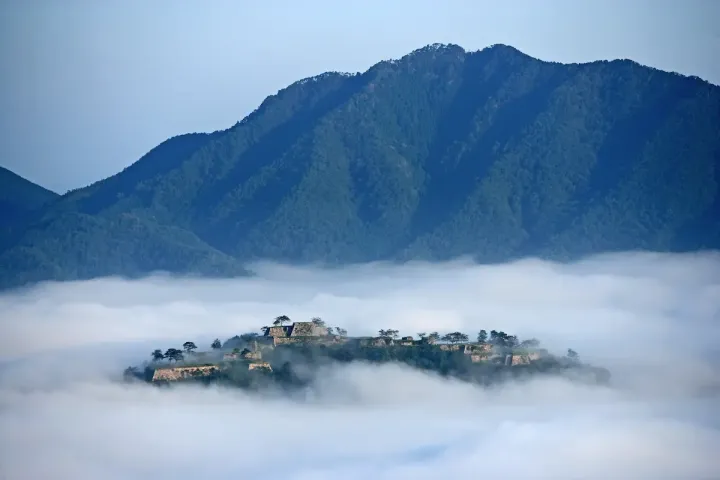
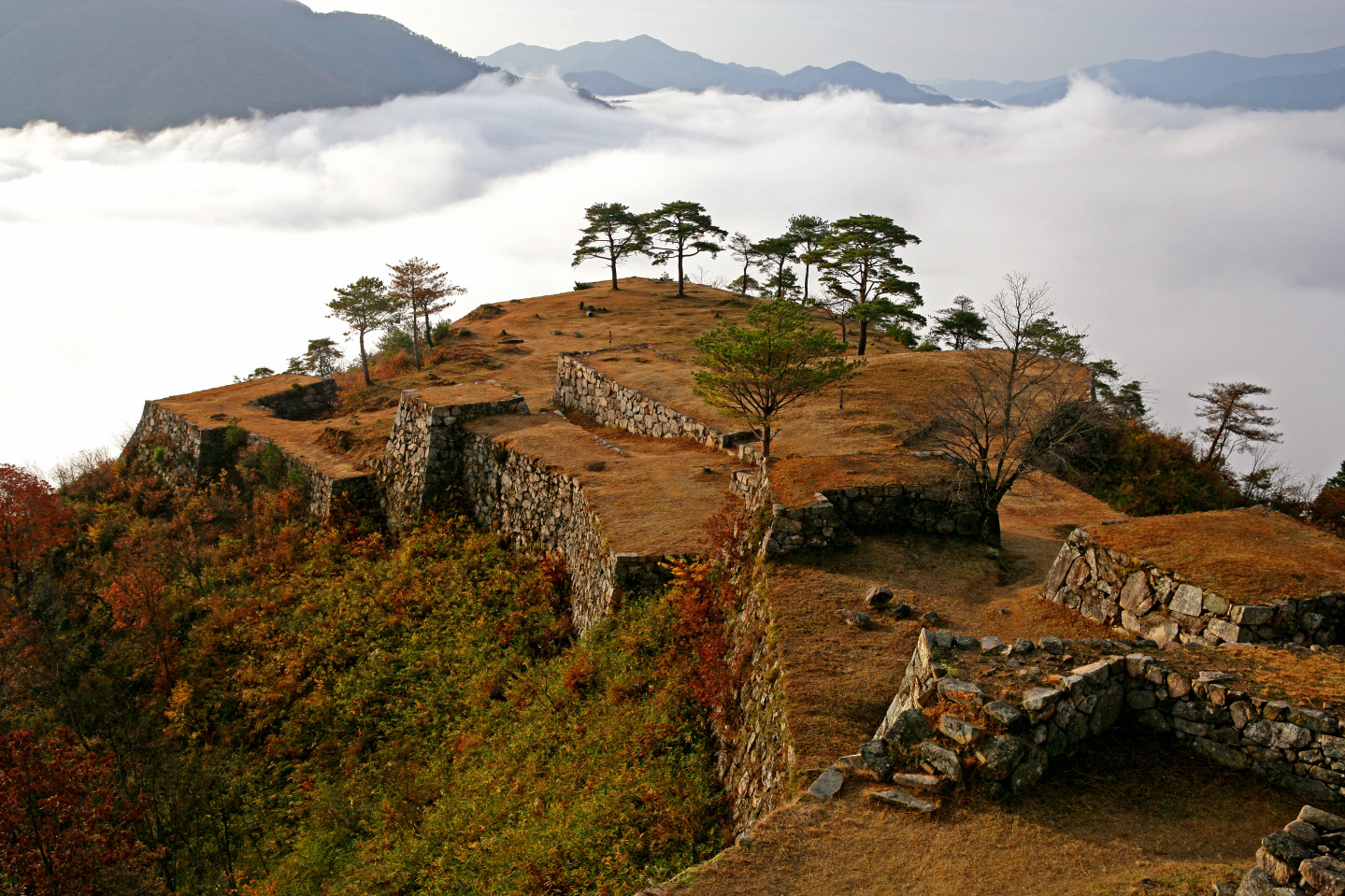
In the early morning of a late autumn day, shrouded by a thick morning mist, the castle ruins on top of the 353-meter-high mountain appear as a solitary island floating in a sea of clouds. This magical vista that has captivated so many people has led to the castle being known as “the castle in the sky” and “the Machu Picchu of Japan.”
You’ll see this wondrous view from late September when the temperature is particularly low to early December. Fine, cold mornings offer the opportunity to discover the cloud sea. For the best way to appreciate the castle ruins floating in the clouds, we recommend viewing them from a place called Ritsuunkyo, located across the way.
However, Takeda Castle’s charms don’t stop with the cloud sea. It appears completely different in each season. In spring, cherry blossoms bloom along the stone walls, enabling you to enjoy the contrast between the powerful stone walls and the brilliant flowers. In summer, you can see the imposing castle ruins against the backdrop of a blue sky as the greenery flourishes. Then there’s winter. On snowy days, the castle transforms into a snowscape. The monochrome scenery possesses a calm, mysterious beauty different to every other season.
The Takeda Castle Ruins are full of a historical spirit that will make you feel as though you’ve slipped back in time. Simply standing by the stone walls, which have carried the castle’s original appearance down over 600 years to the present day, enables you to feel the weight of their history and magnificent spirit.
Whichever season you visit, you’re sure to find unforgettable views. Why not choose Takeda Castle Ruins as a destination on your next trip?
Basic information
- Address
- 169 Kojozan, Takeda, Wadayama-cho Asago-shi
- Telephone Number
- 079-674-2120
- Opening times
- March 1 to end of May: 08:00–18:00 (last entry to the castle 17:30); June 1 to early December: 05:00–17:00 (last entry to the castle 16:30); Early December to January 3 the following year: 10:00–15:00 (last entry to the castle 14:30) *It is not possible to enter the castle from January 4 to the end of February. You may also be unable to enter during bad weather. See the official website for details.
- Closures
- January 4 to the end of February
[Lunch] Hamasaka Onsen hot spring resort
Seafood delights from the Sea of Japan and famous hot springs in a port town
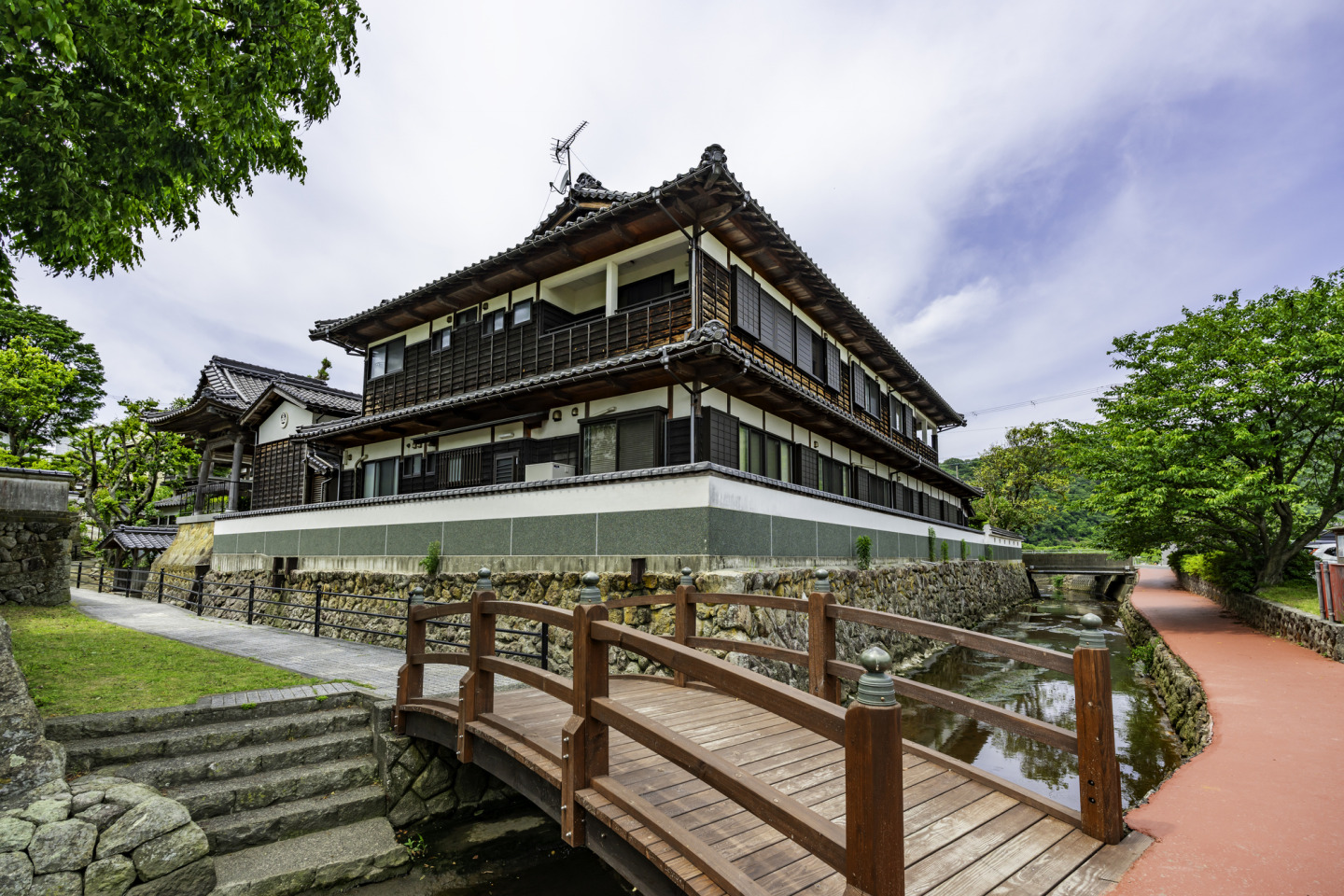
This is the collective name for three hot springs—Hamasaka Onsen, Shichikama Onsen and Futsukaichi Onsen—that have been designated a national hot spring health resort. They are characterized by their abundant water, which is distributed not only to hot spring inns but also regular housing. Hamasaka Port also catches seafood such as Matsuba crabs, jiebi shrimp, and squid, so you can savor cuisine made with freshly caught seafood in nearby accommodation.
Remains of Ashiya Castle
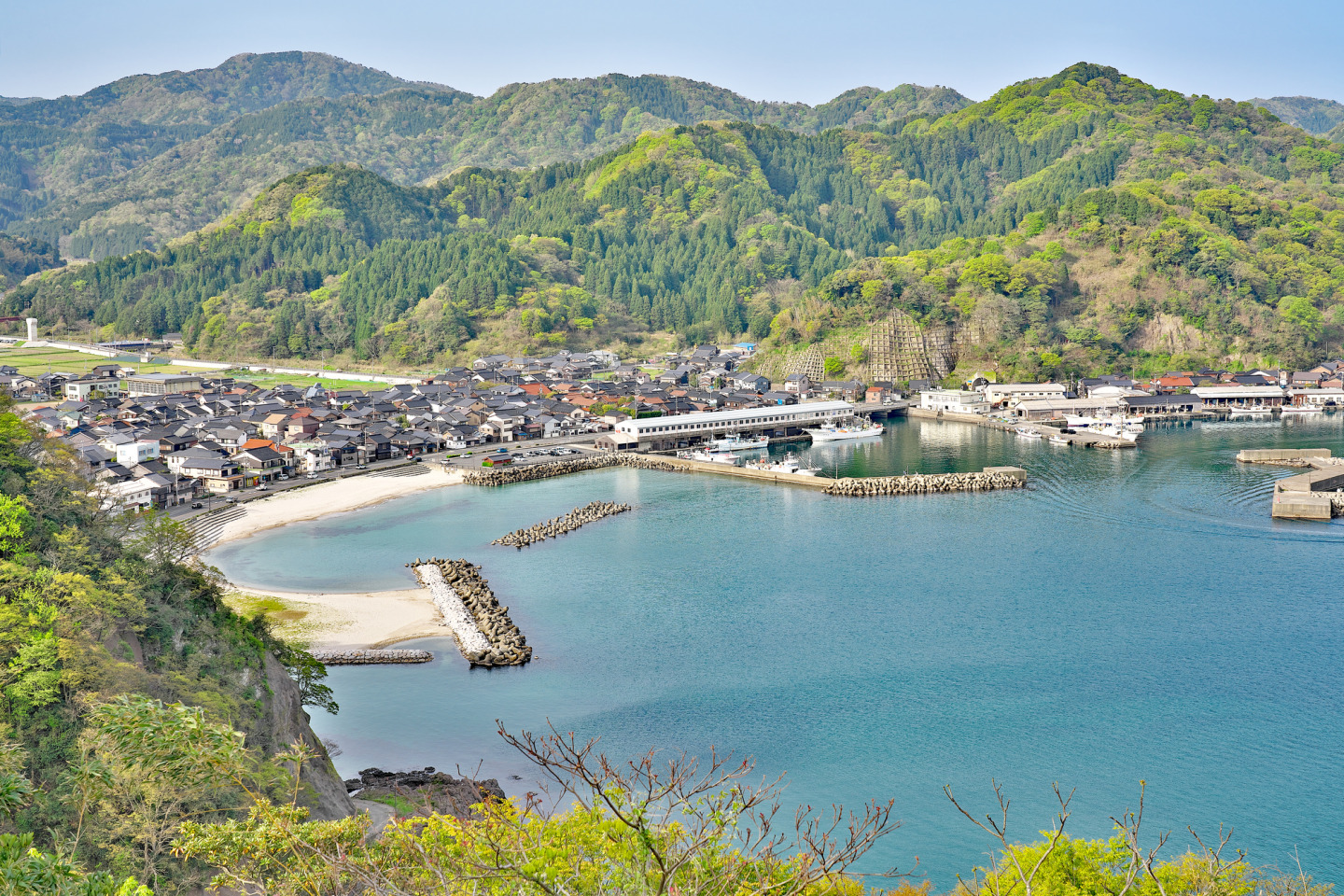
The remains of a castle with stunning views of the sea off Hamasaka
The remains of Ashiya Castle are an ideal hiking spot, up the mountain from Shiroyama Park. Enjoy the beautiful views as you walk, until you reach the superb panorama of Hamasaka Bay from the mountain peak!
The natural stone that covers the mountain surface is extraordinary, and is said to make it a natural stronghold. The castle no longer exists, but you can experience where this impregnable fortress once stood on this spot full of historic romance.
Basic information
- Address
- 〒669-6701 兵庫県美方郡新温泉町芦屋
Yumechiyokan
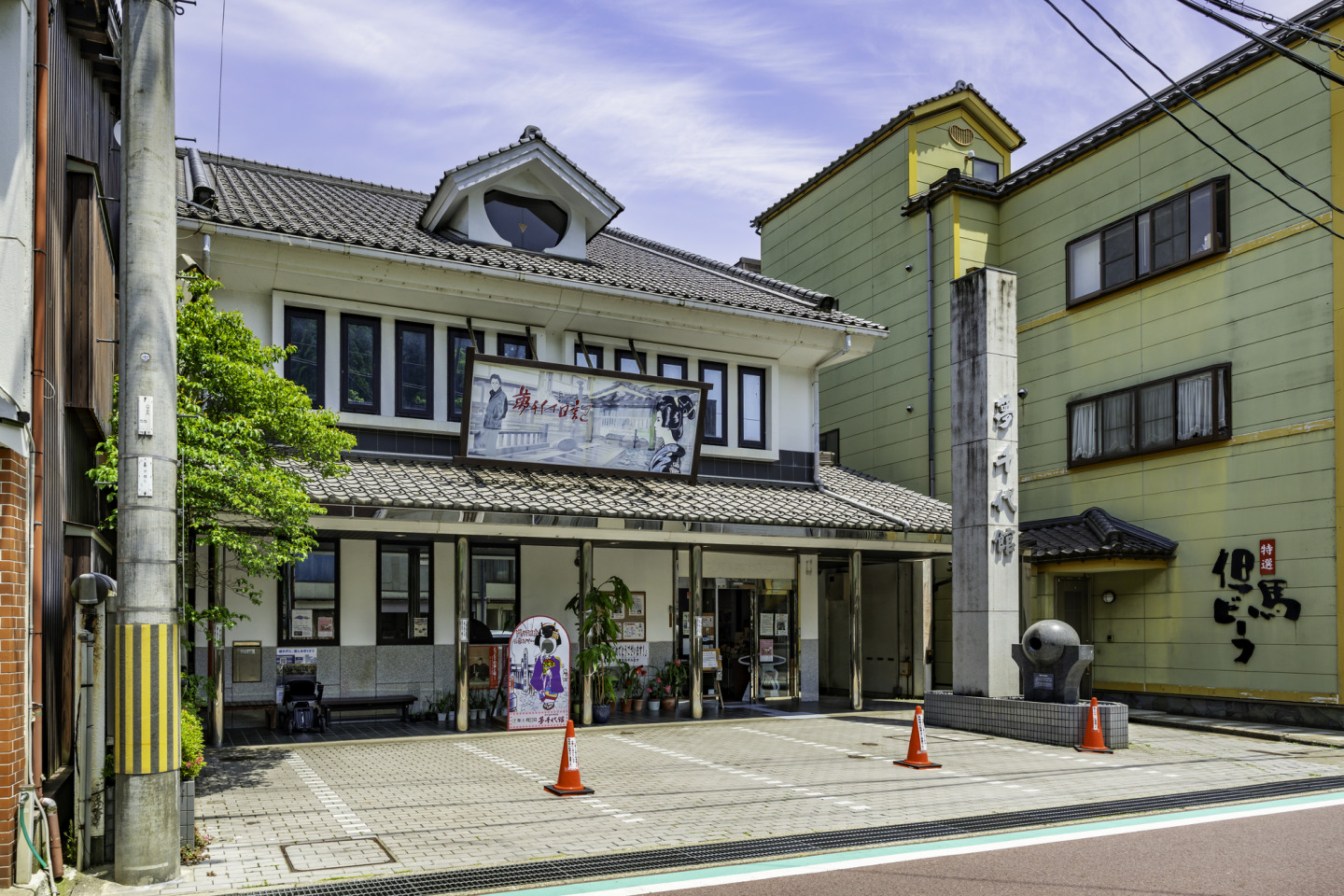
A location with a photogenic Showa-era streetscape
This museum recreates the setting and era of the NHK drama "The Diary of Yumechiyo," starring Sayuri Yoshinaga and set in Yumura Onsen. It offers the nostalgic and heartwarming sight of a Yumura shopping street from the mid-1940s to the mid-1950s, including the geisha house and ryokan inn that appeared in the drama. Why not write down your dreams and hopes for the future and create your own “yume (dream) letter” to be sent in one year’s time?
Basic information
- Address
- 〒669-6821 兵庫県美方郡新温泉町湯80
[Accommodation] Yumura Onsen
Make the most of moments of nostalgia together with steam
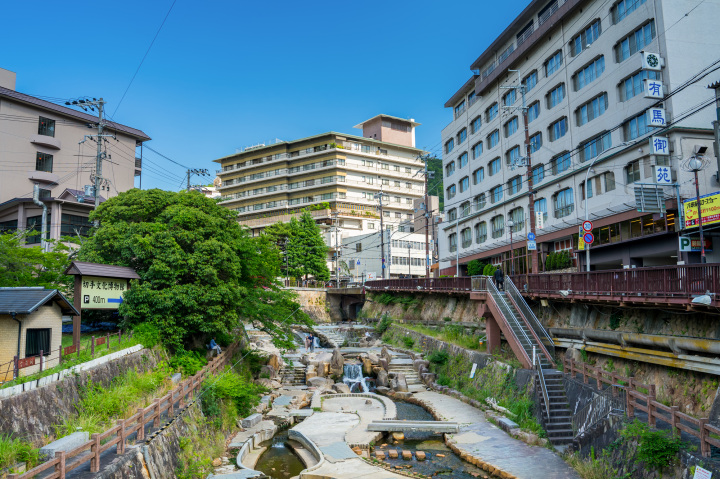
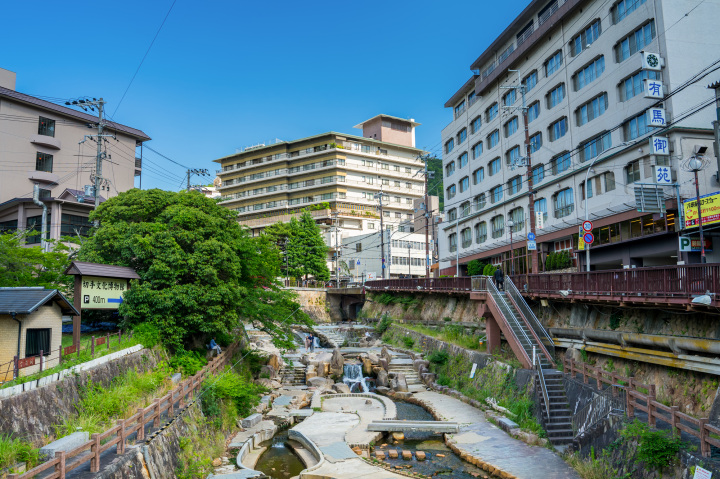
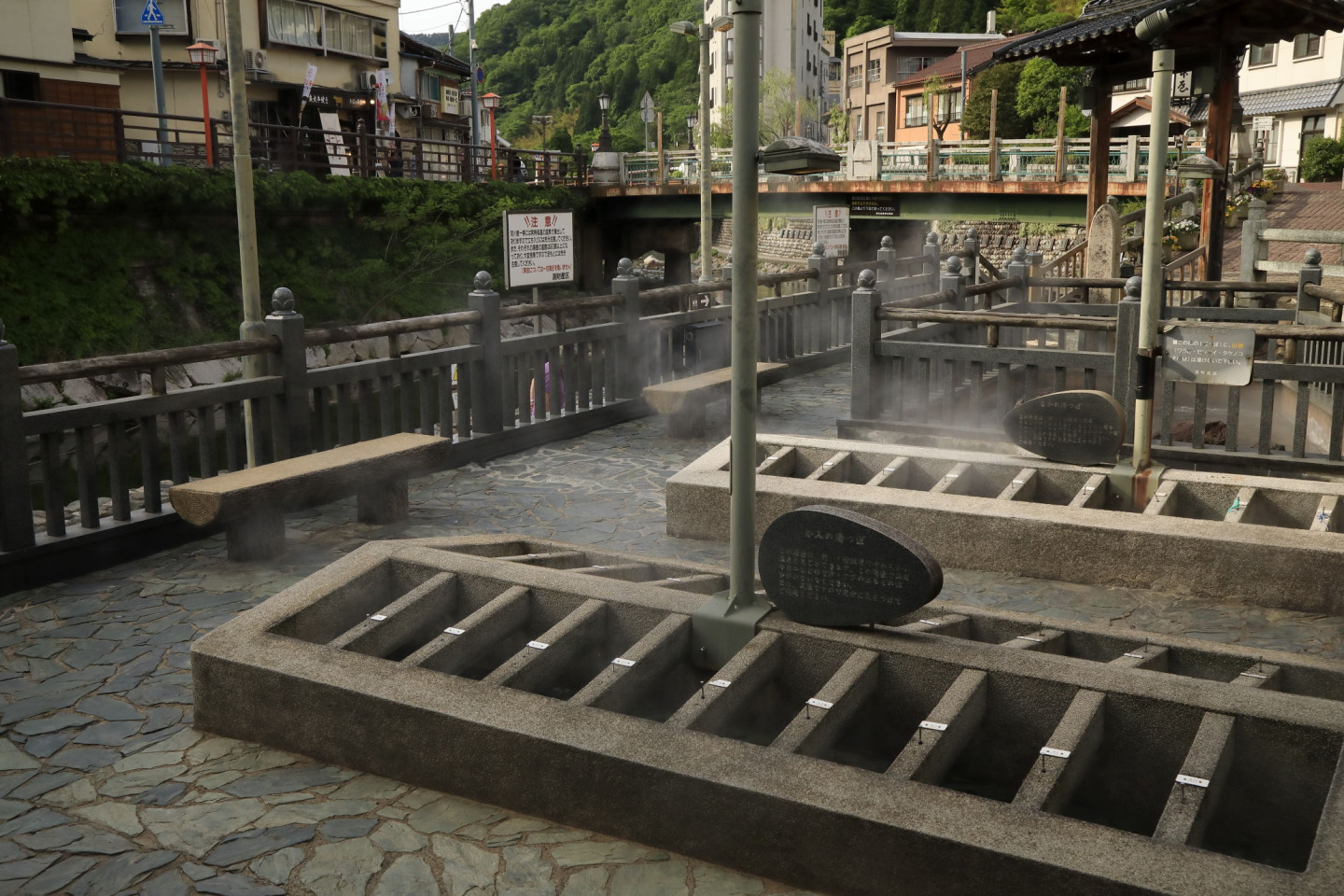
These hot springs were opened around 1,200 years ago by Jikaku Daishi (also known as Ennin, a famous Japanese monk who lived in the late 8th and 9th centuries). The 98-degree hot waters from the center of this hot spring resort are known as “Arayu,” and flow out at a rate of 470 liters per minute—they are also used to boil “onsen eggs” and vegetables. We also recommend the footbath located along the river in the town. Yumura Onsen also attracted fame as the setting for the NHK drama “The Diary of Yumechiyo” in the 1980s.
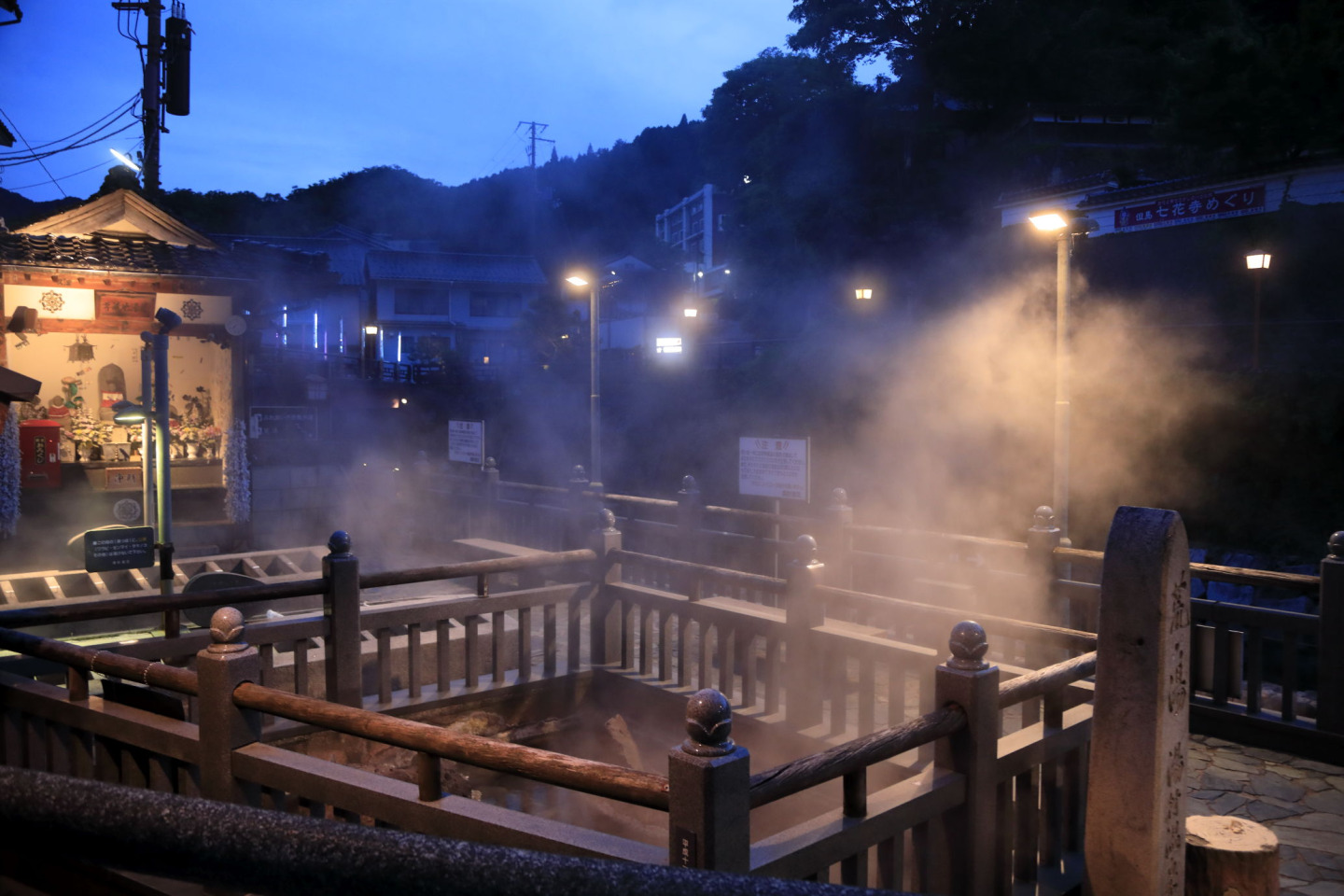
A stroll through Yumura Onsen
Experience specialty products on a retrospective walk along the river
The waters of Yumura Onsen flow from the source at a high temperature, making this resort famous for its “yugaki” culture of boiling food. You can experience boiling various ingredients here, including eggs and corn. Why not take a stroll around the spots offering such experiences? We also recommend taking a break at the footbath located along the river.
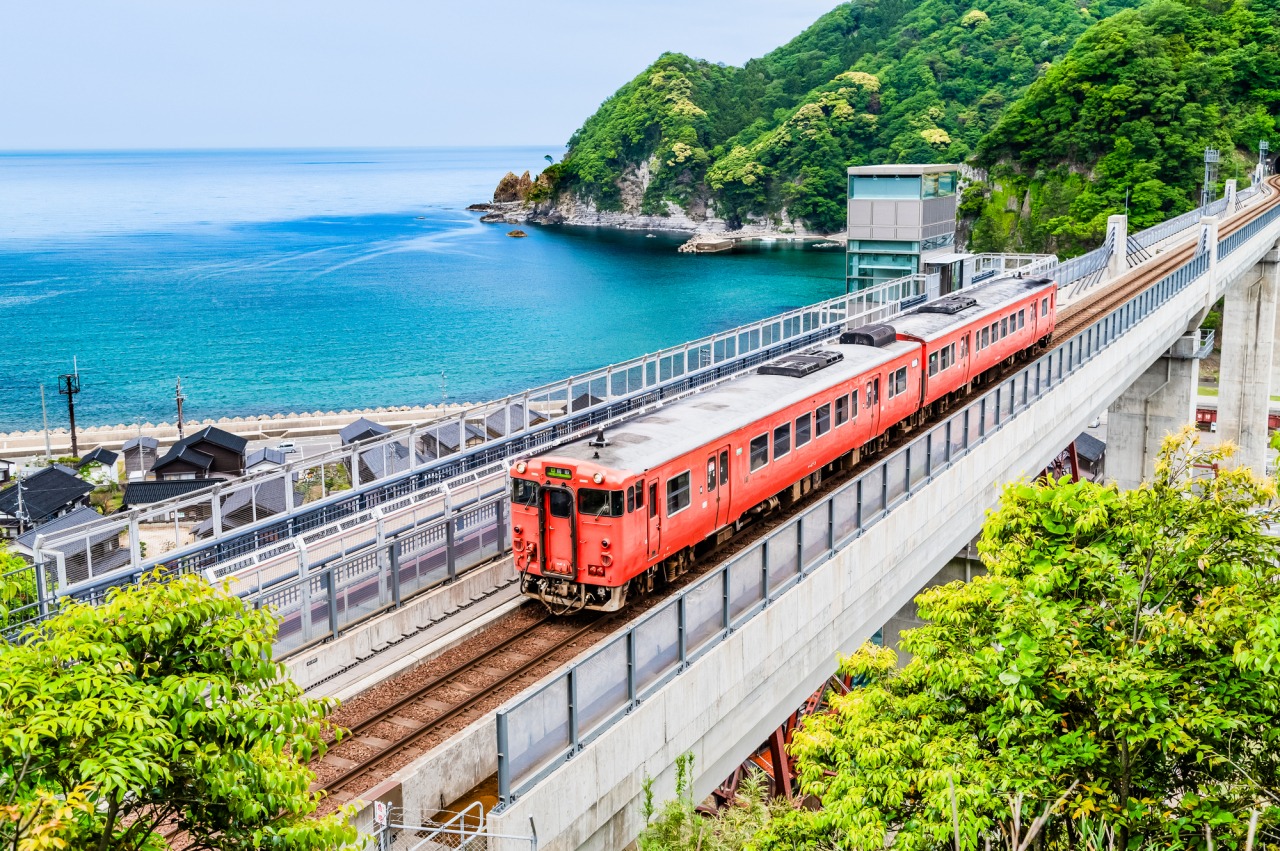
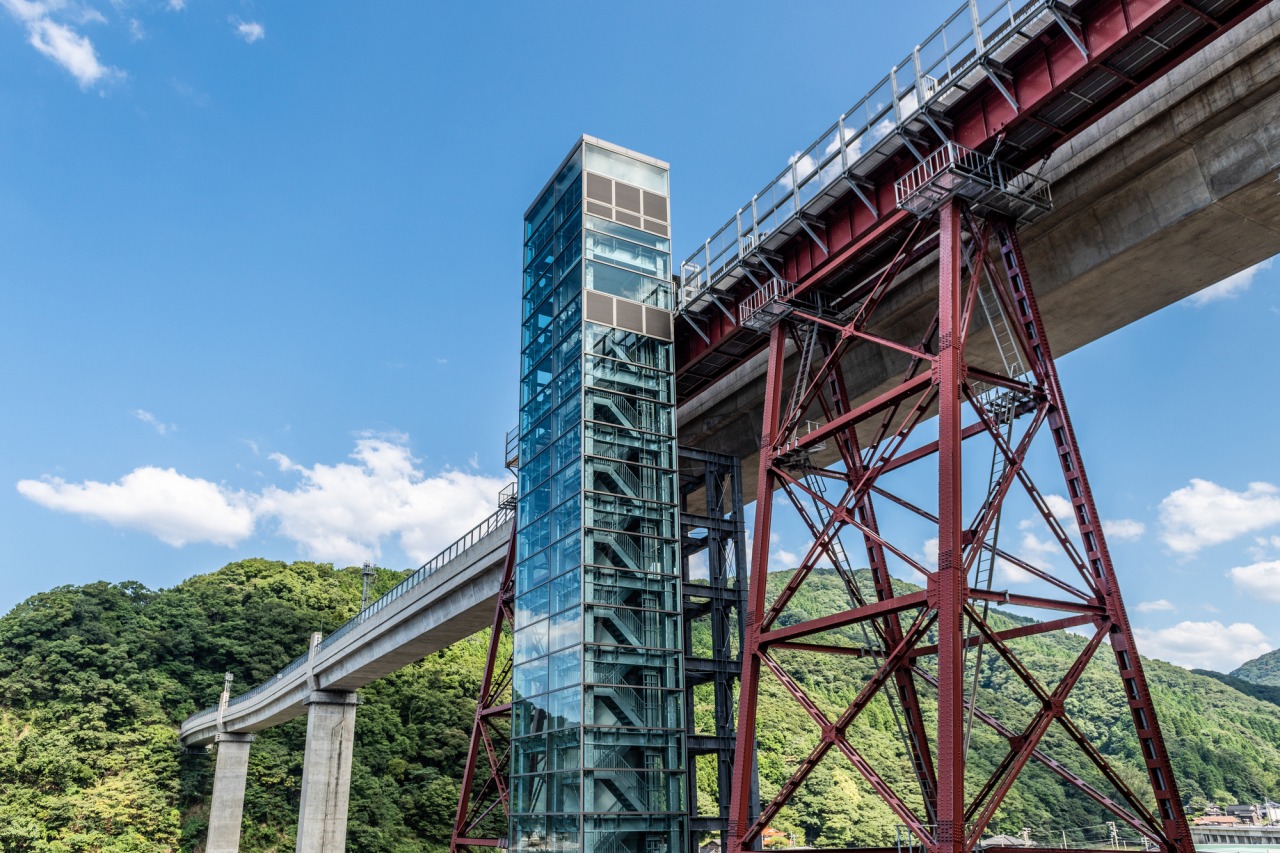
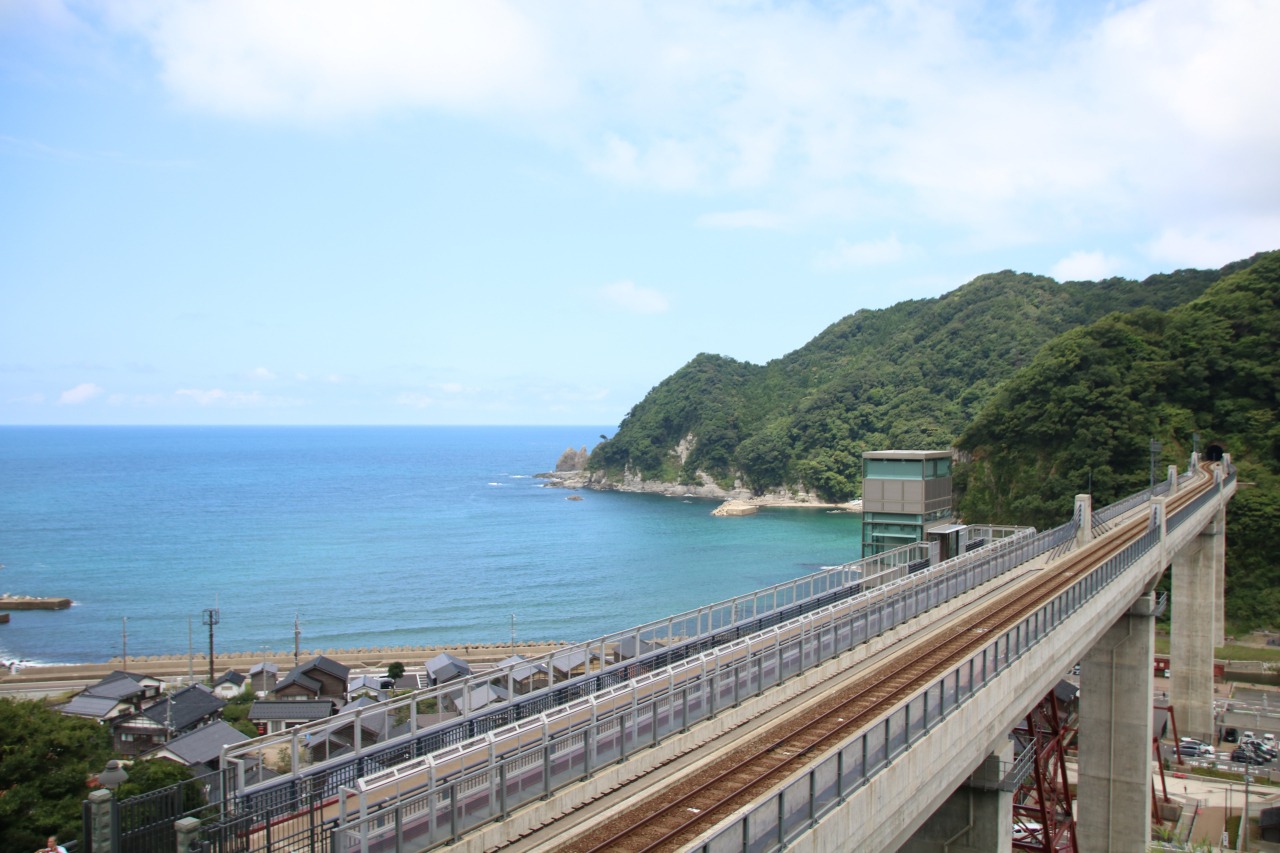
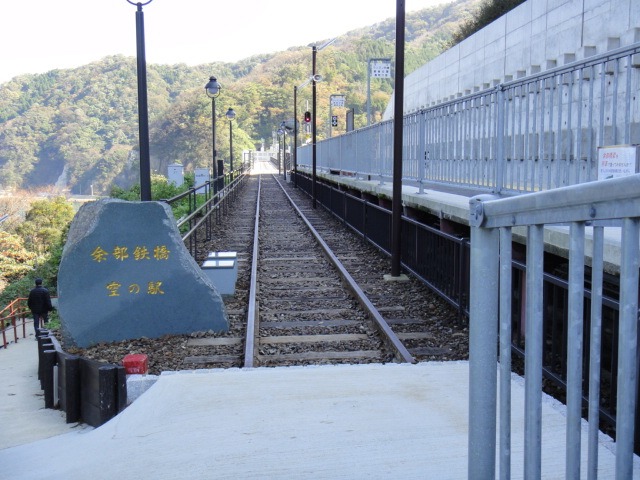
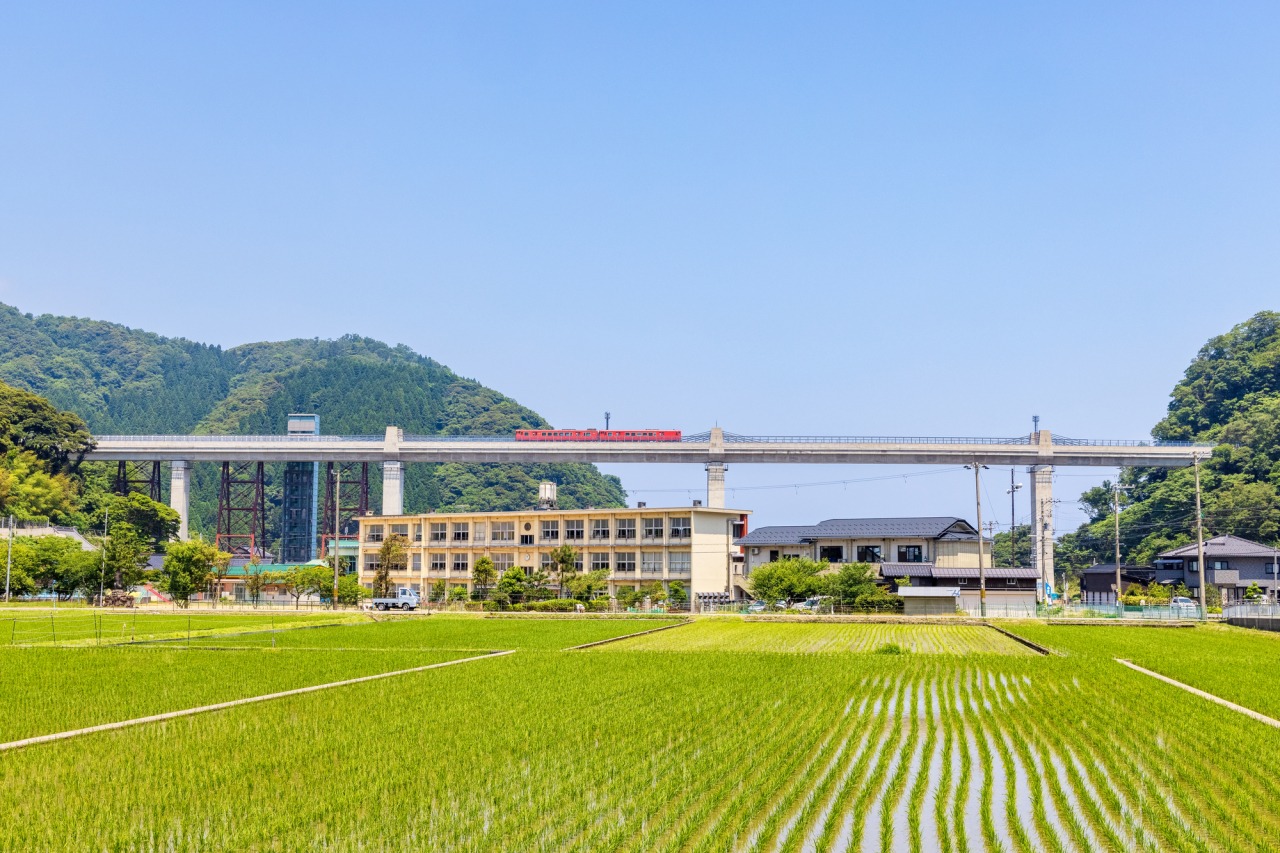
Amarube Railway Bridge "Sky Station"
Enjoy lunch in a place around sweeping views of the Sea of Japan
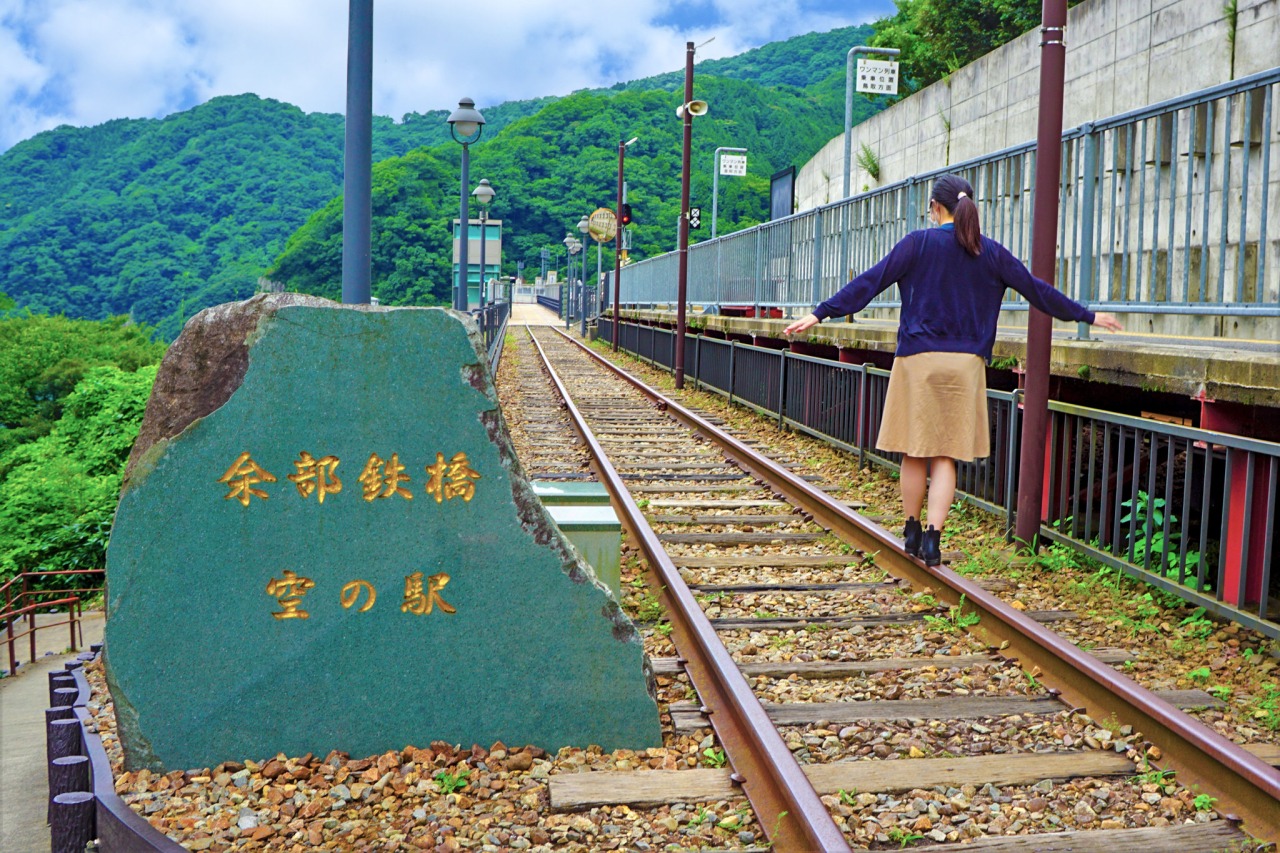
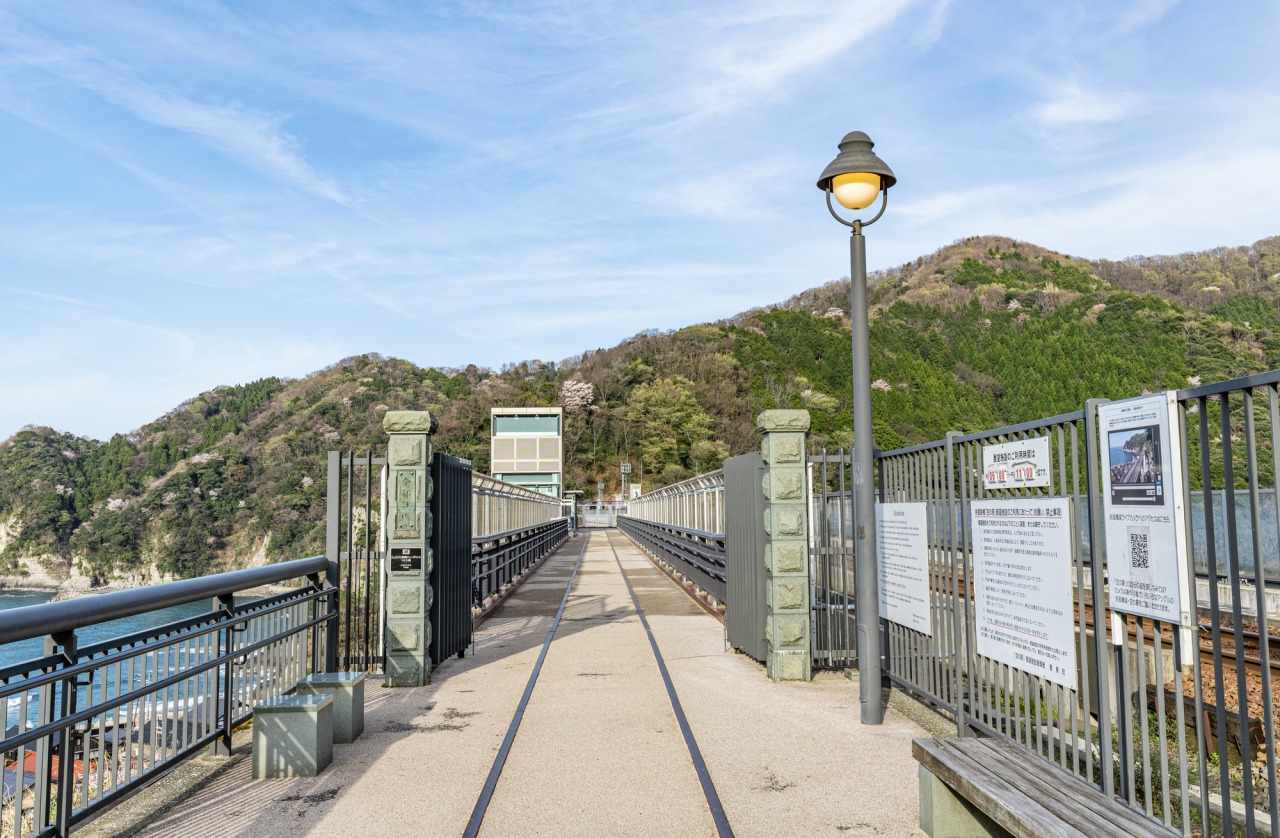
This Sky Station looks out onto the vast Sea of Japan. You can also see the combination of the trains that travel over the new bridge and the sea. The railway tracks of the old bridge were used for the viewing platform, so you can touch the actual rails and sleepers! Feel the sea breezes as you try walking on a line that would normally be inaccessible.
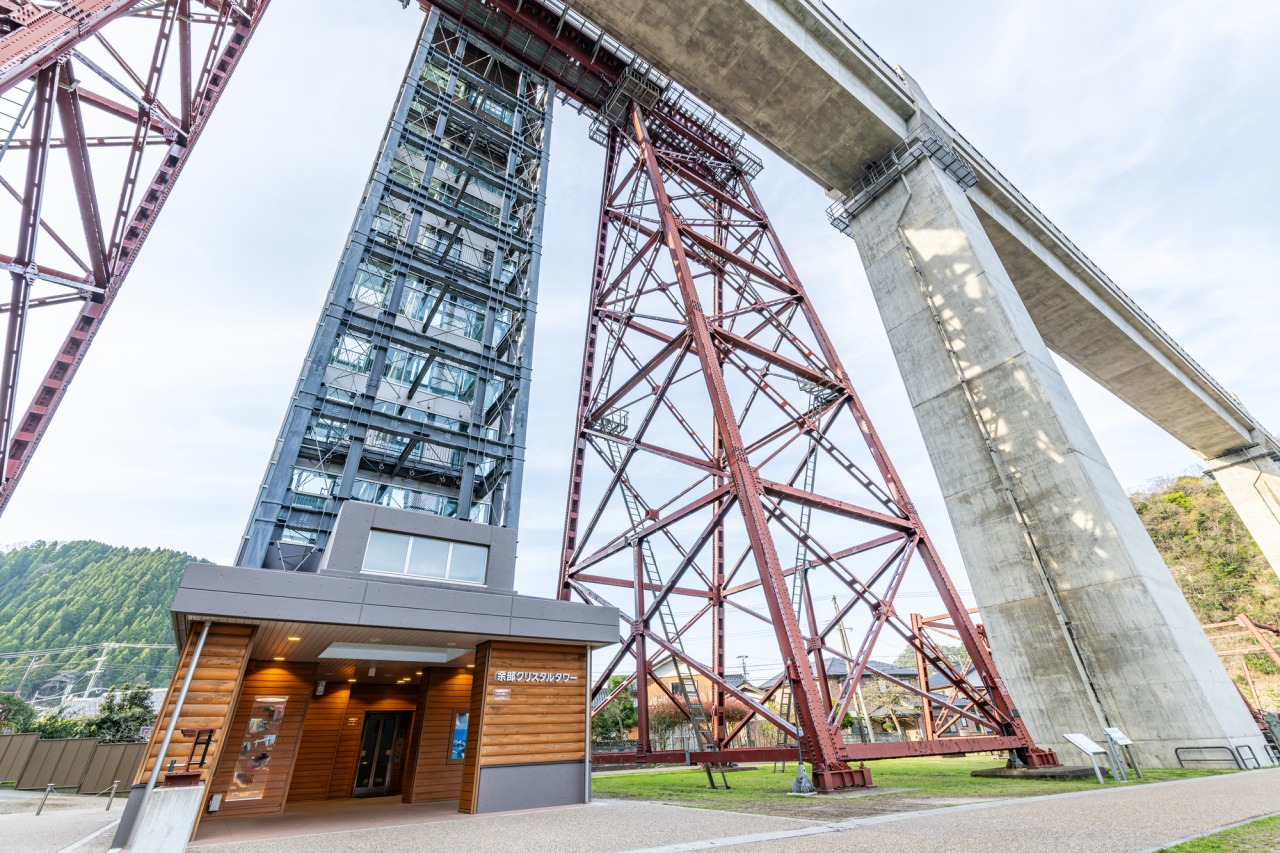
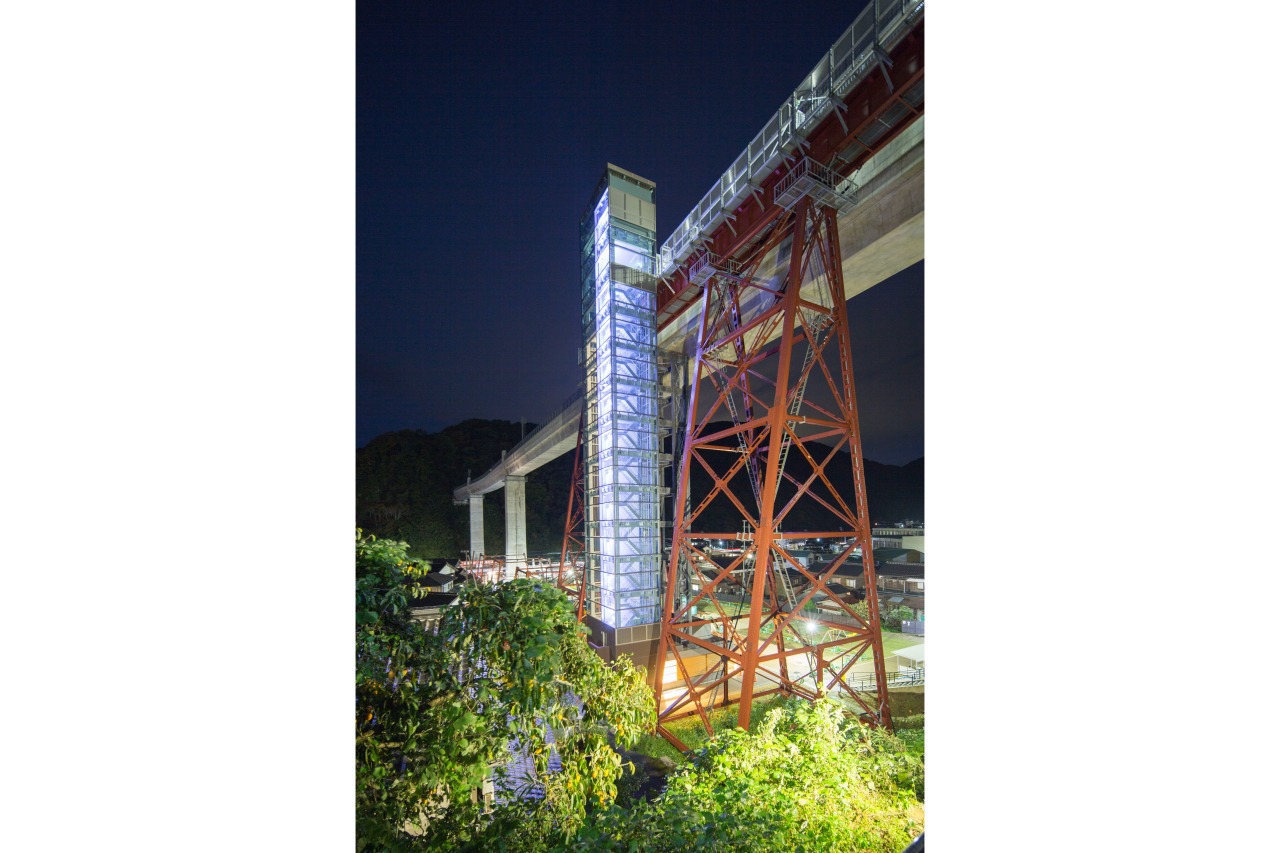
The Amarube Crystal Tower glass-sided elevator is the most convenient way to access the viewing platform. An approximately 45-second trip through the air enables you to enjoy the view as you ascend and descend safely. At night, the crystal tower is illuminated by fantastical lighting. This has different colors depending on the season and events, so you can make the most of a romantic atmosphere that is somewhat different to the daylight. Lucky visitors get to see the rainbow illuminations!
In the park below the Sky Station, you’ll also find the home of Sora-chan, the tortoise station master of Sky Station, so why not have a peek inside?
The roadside station Michi-no-Eki Amarube also stands at the foot of the Sky Station. This offers a plentiful array of fresh, locally caught marine products and specialty goods, and you can savor dishes made using local ingredients in the restaurant. There are even very popular Sora-chan goods.
After enjoying the views, why not look for a reminder of your trip in the Michi-no-Eki?
Basic information
- Address
- 1861-2 Amarube, Kasumi-ku Kami-cho, Mikata-gun
- Telephone Number
- 0796-20-3617
- Opening times
- 06:00–21:30 *Changes depending on the season and the weather

![[Awaji] Zen Wellness and Traditional/Cultural Inheritance Journey : Appreciation of Folk Performing Arts and Hyogo’s Food Culture](/lsc/upfile/course/0000/0102/102_1_m.webp)
![[Tajima] Walking tour of Yumura Onsen town, with beauty hot springs and taste rich nature and local food](/lsc/upfile/course/0000/0099/99_1_m.webp)