[Three days, two nights] Kobe and Awaji for first-time visitors
Look around a brewery in Mikage-go, one of the districts of Japan’s top sake-brewing area Nadagogo. You can taste unpasteurised sake, fresh from the warehouse, here. After you feel pleasantly relaxed from the drink, immerse yourself in the world of art at the Hyogo Prefectural Museum of Art, famously designed by Tadao Ando, and the Kobe City Museum, housed in an attractive, nostalgic building. Then, once you’ve had your fill of the different foods in Nankinmachi, one of Japan’s three largest Chinatowns, enjoy shopping in Meriken Park in the Kobe bay area.
On day two, walk through Hyogo-no-Tsu, Japan Heritage that once flourished as the ancient port of Owada-no-Tomari. Its intricate alleys and small workshops are full of the friendly atmosphere of a traditional downtown area. Next, cross one of the world’s longest suspension bridges to reach Awaji Island. See a historic streetscape as you stroll through Sumoto Retro Komichi, one of Awaji Island's old-style streets. Soothe the tiredness of your travels with a leisurely soak in Sumoto Onsen, overflowing with plentiful hot spring sources.
Experience moments of wonder on day three, on an Uzushio Cruise where you can see some of the world’s greatest whirlpools—more than 20 meters in diameter! After experiencing the culture of Awaji Ningyo Joruri puppet theater, a traditional Japanese performing art with 500 years of history, enjoy a seafood rice bowl, lavishly topped with fresh marine produce caught from the Seto Inland Sea, in Fukura Marche.
- Time needed
-
- 3-day itinerary
- Transport
-
- Public Transport
- Area
-
- Settsu (Kobe) area
- Awaji area
![[Three days, two nights] Kobe and Awaji for first-time visitors](/lsc/upfile/course/0000/0017/17_1_l.jpg)
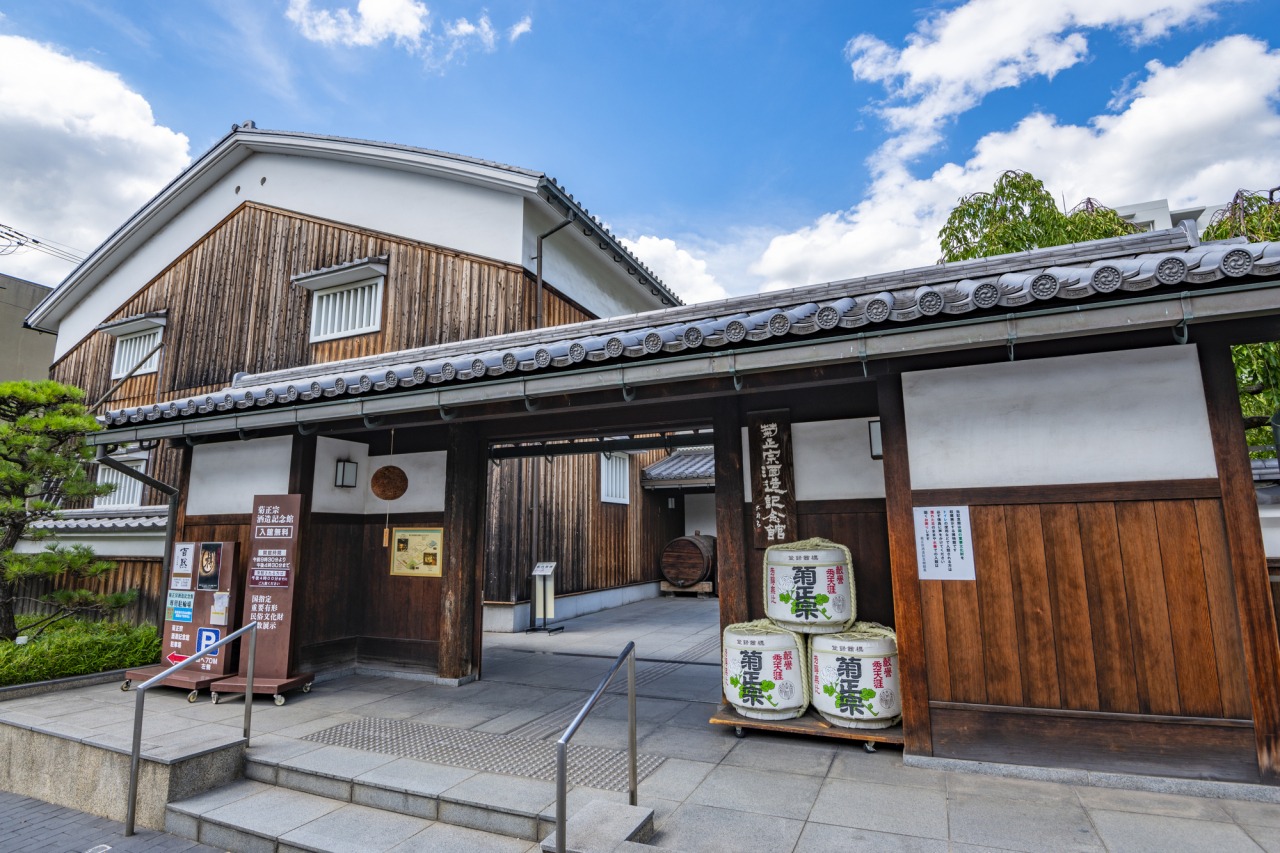
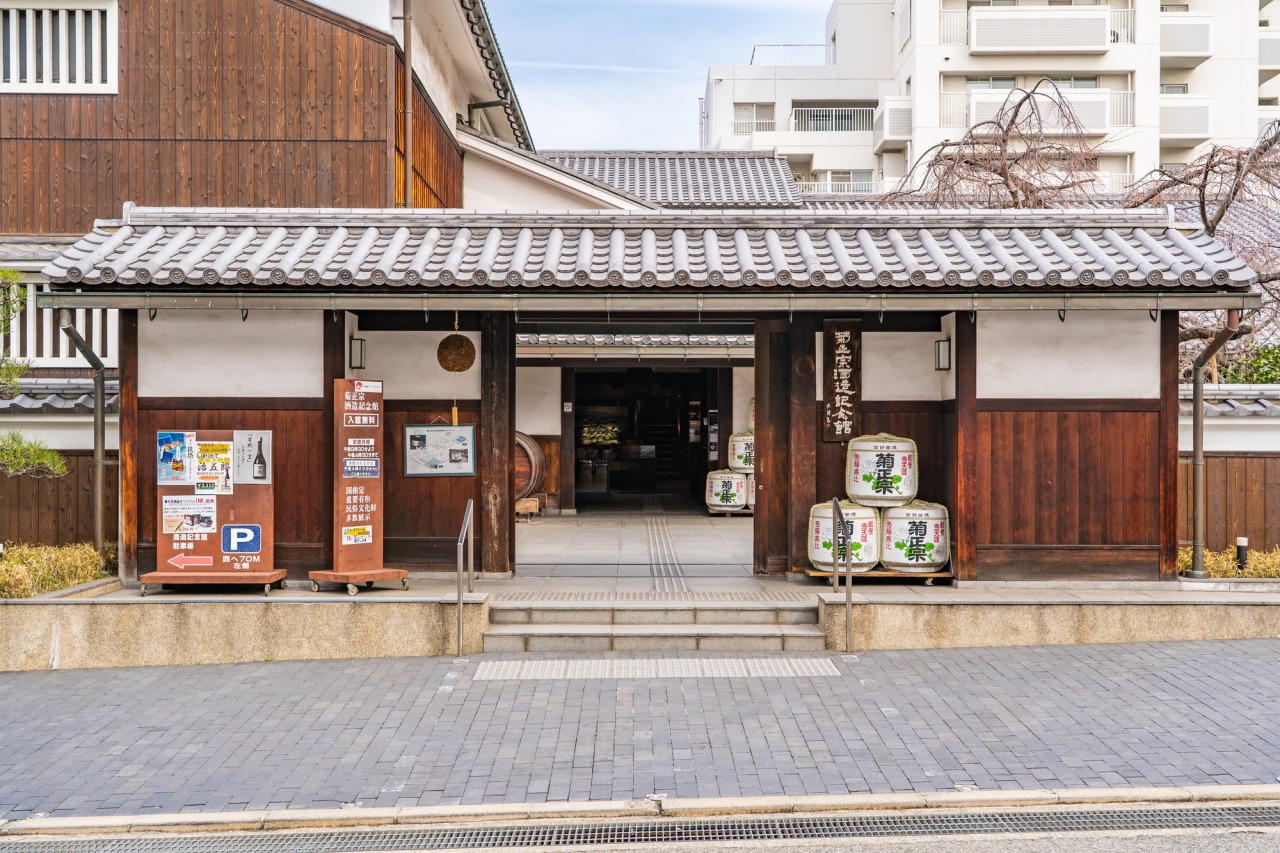
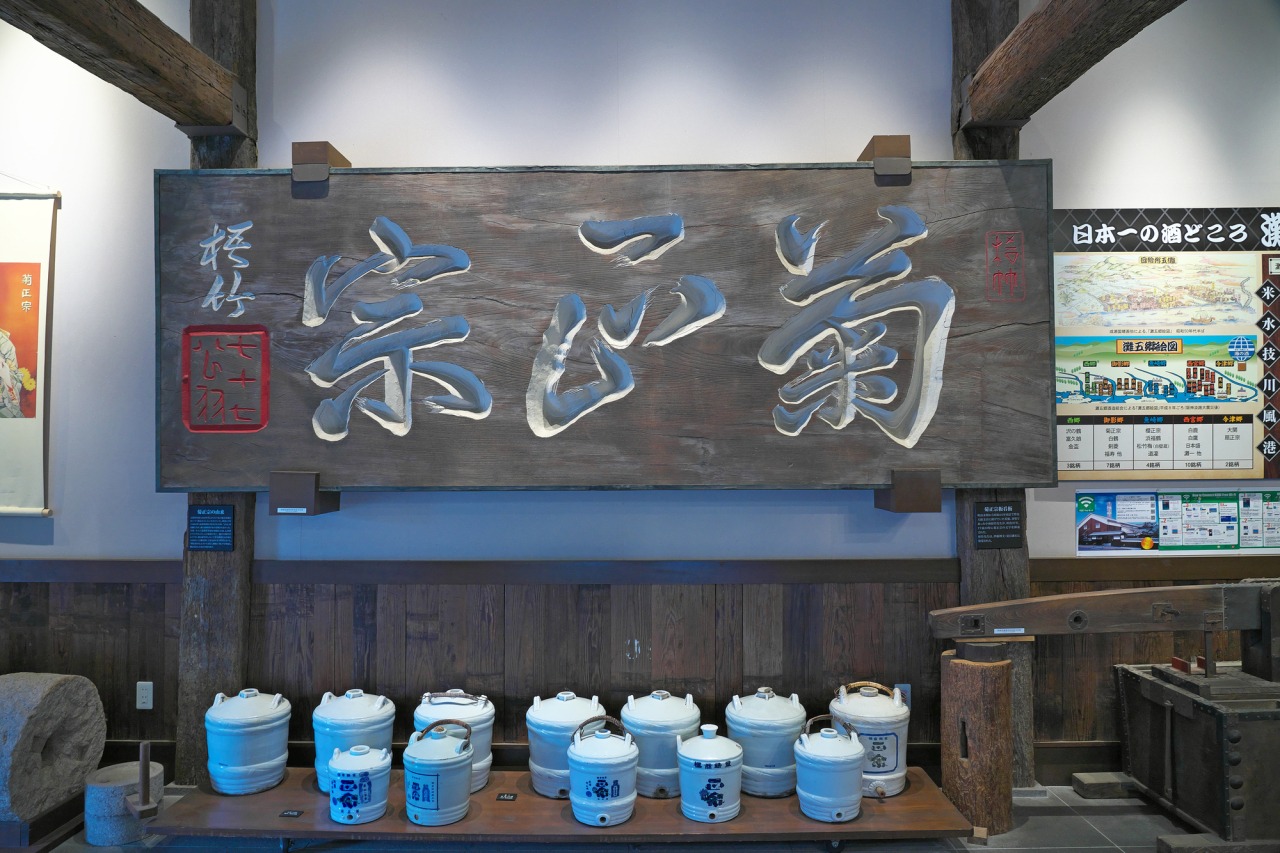
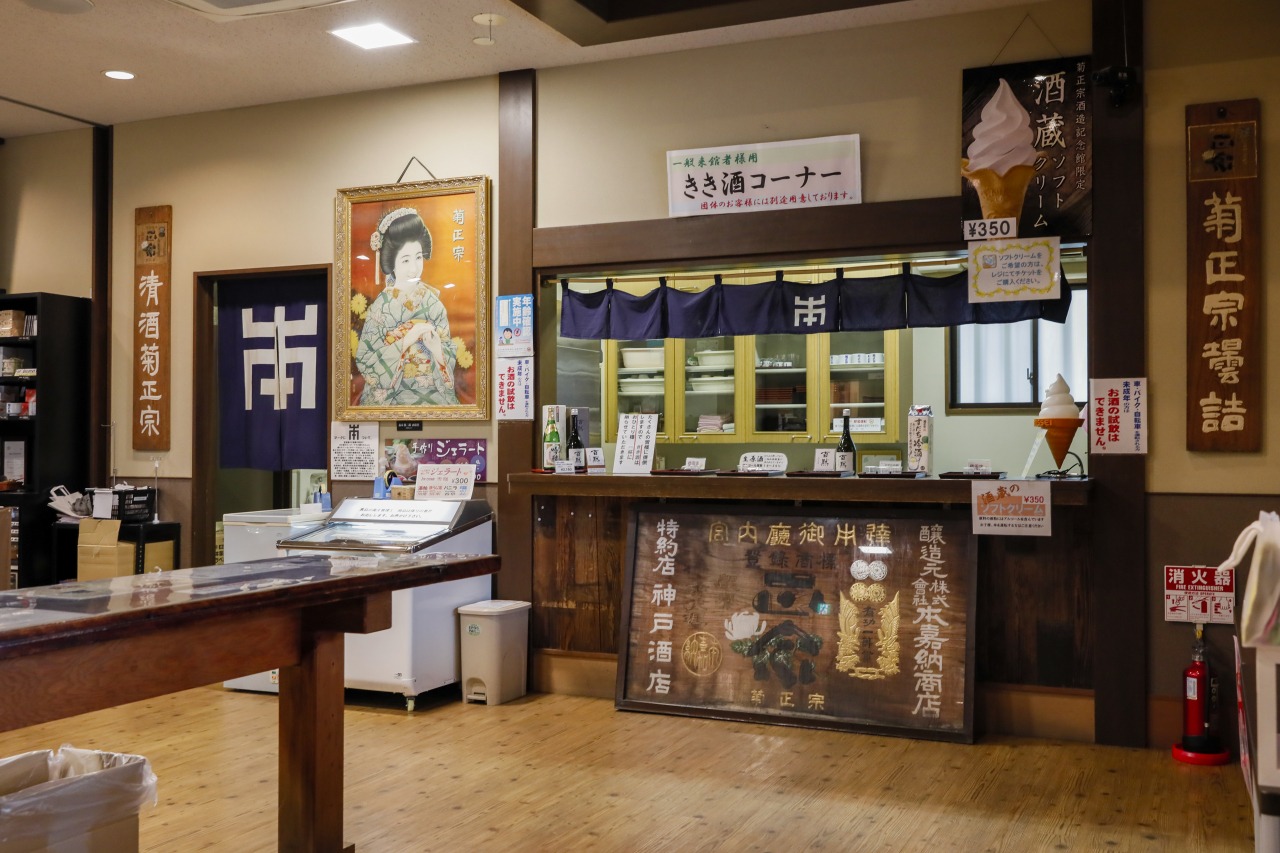
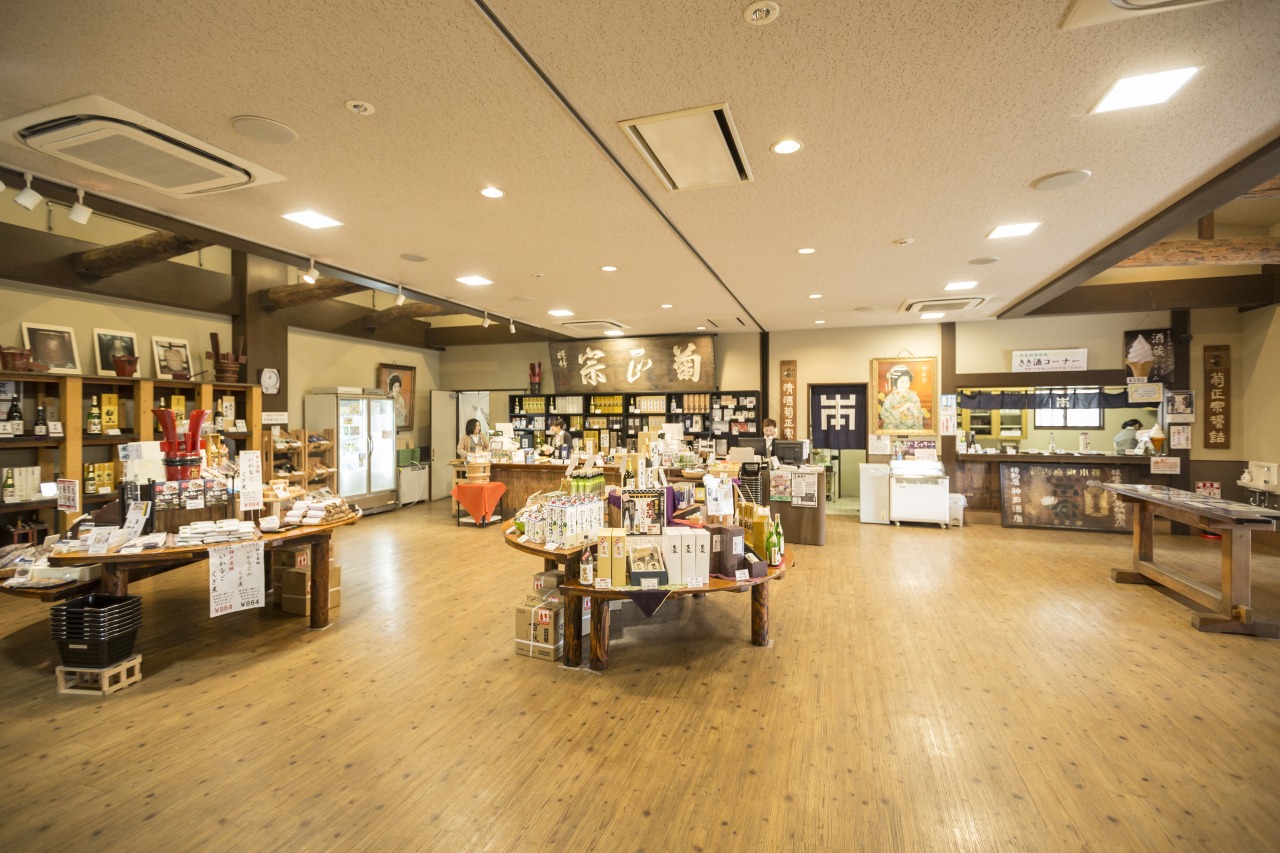
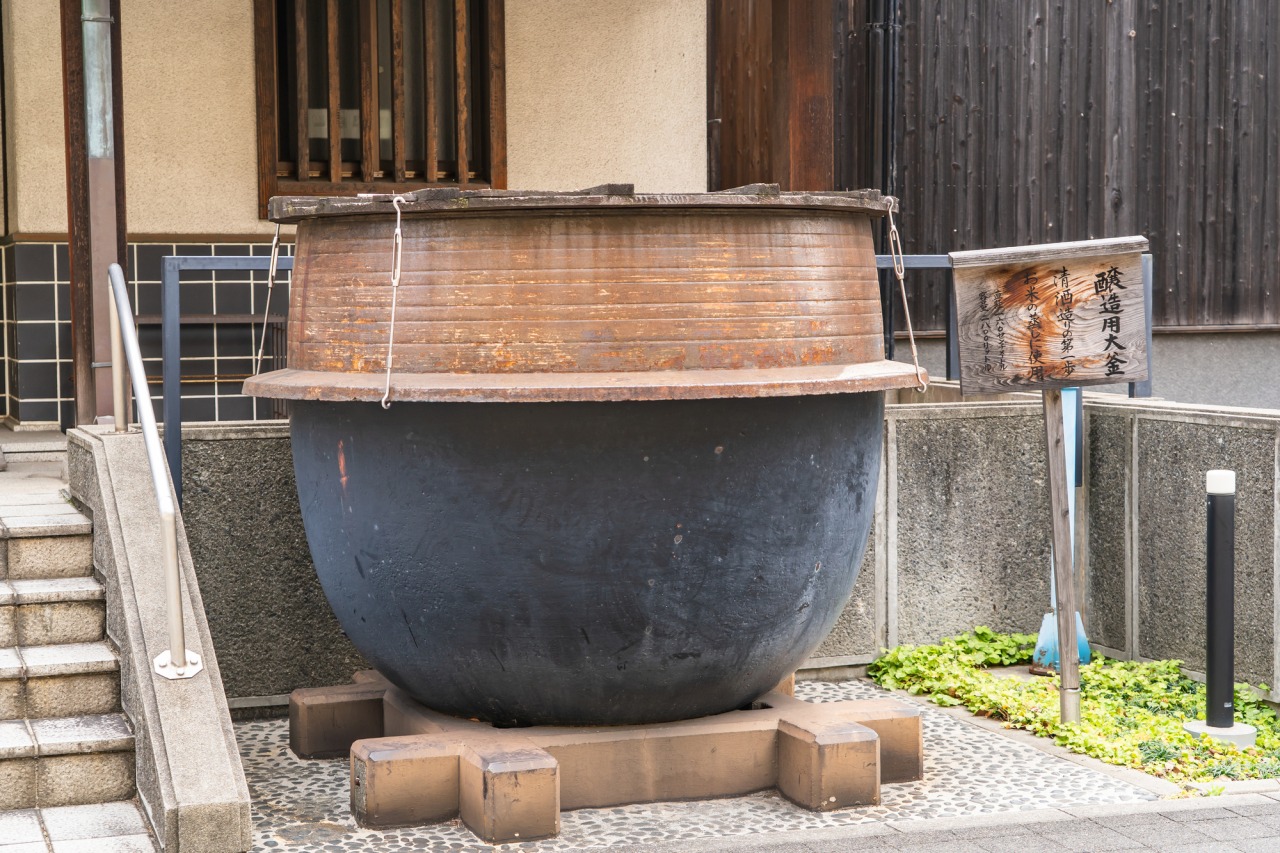
Kiku-Masamune Sake Brewery Museum
Devoted to dry sake. Learn about the origins of sake brewing and experience the history of Nada with all your senses in this museum.
Kiku-Masamune is a refined sake, and this is a museum of Kiku-Masamune sake-making located on the site of its maker’s brewery. It is an important location, where the history and tradition of 350 years of sake brewing are passed on to the present day. Entry is free, making it easy to drop in when sightseeing around Kobe.
The Sake Brewing Exhibit Room displays rows of Nada sake-making equipment that was once in actual use, all of which is designated as important tangible folk cultural property by the government. Experience the historic way of making Japanese sake for yourself through traditional equipment, including huge sake barrels and koshiki tubs used to steam rice.
After looking around, head to the area where you can try various types of Kiku-Masamune sake, including pure, unblended sake. Their well-loved Sake Brewery Soft Ice Cream is so popular that it sells out! In the adjacent shop, you’ll find a plentiful array of limited products from this classic brand that you can only enjoy here. There’s even sakamanju (steamed buns) made using junmai ginjo sake—perfect for souvenirs.
Basic information
- Address
- 1-9-1 Uozakinishi-machi, Higashinada-ku Kobe-shi
- Telephone Number
- 078-854-1029
- Opening times
- 9:30–16:30 *Closing time may change on the last day of the year
- Closures
- Year-end/New year
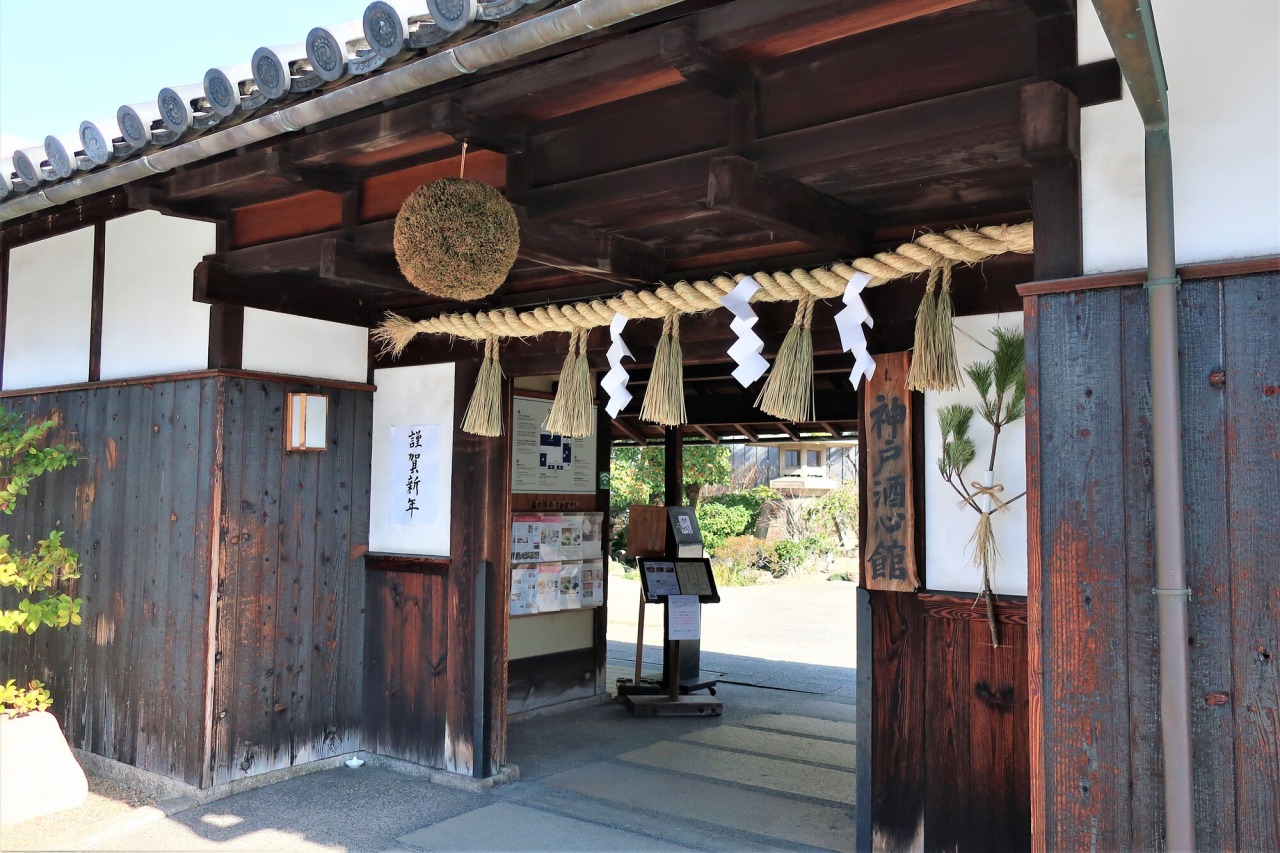
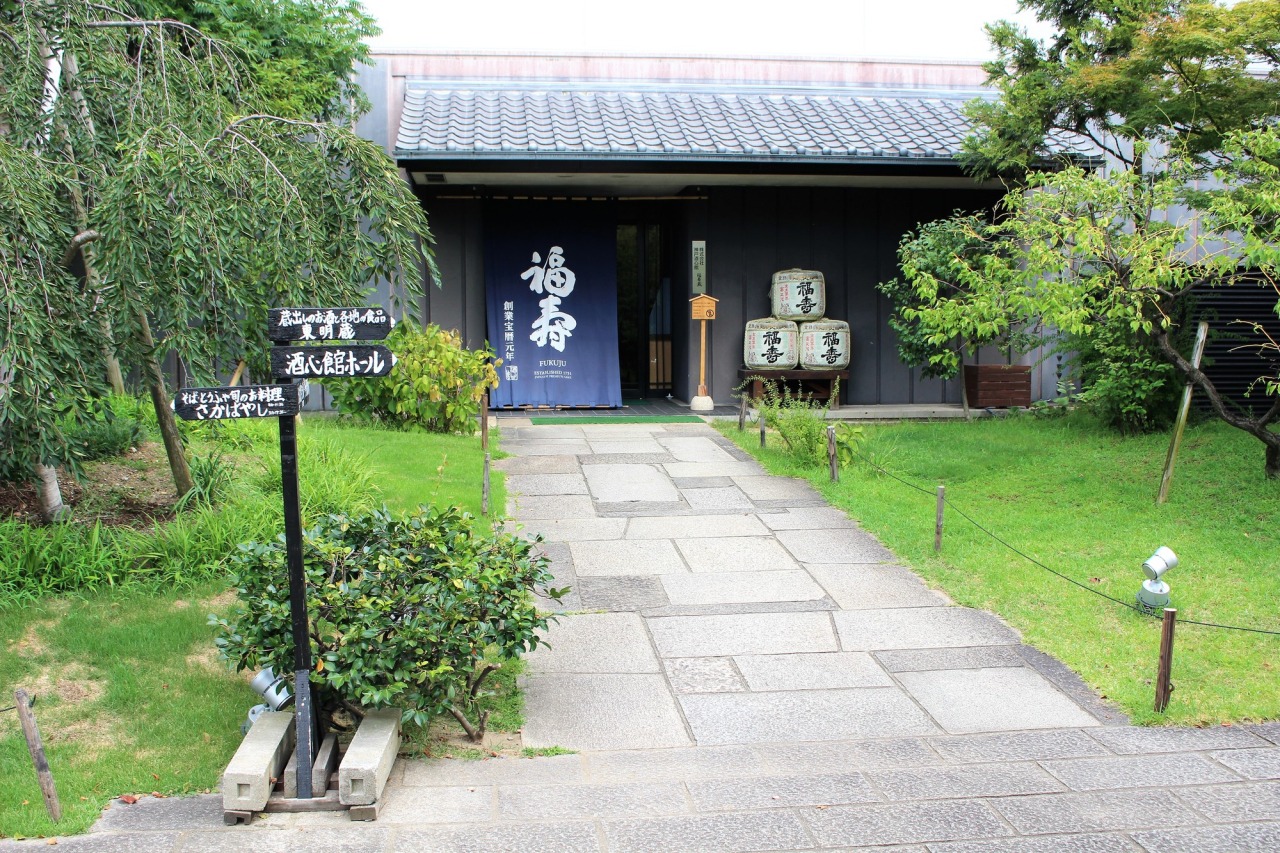
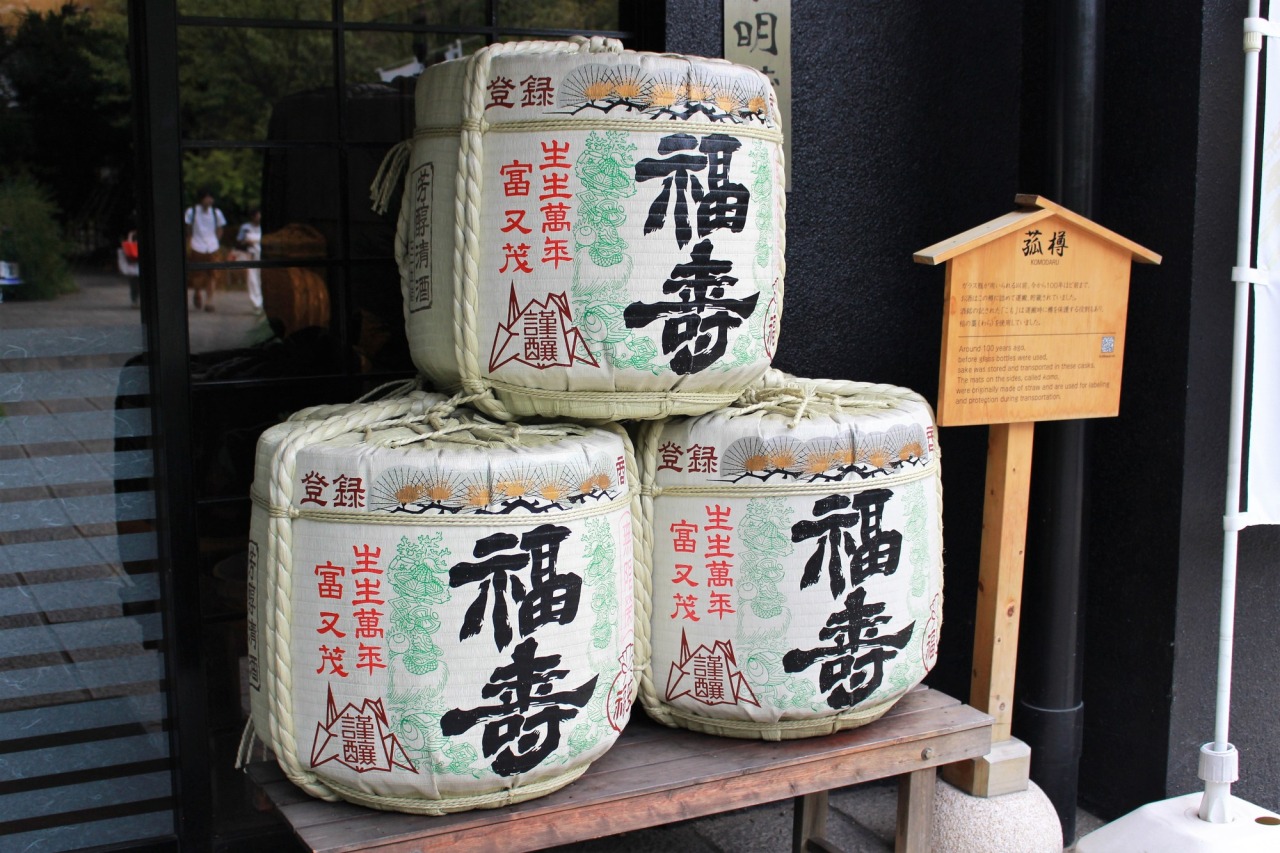
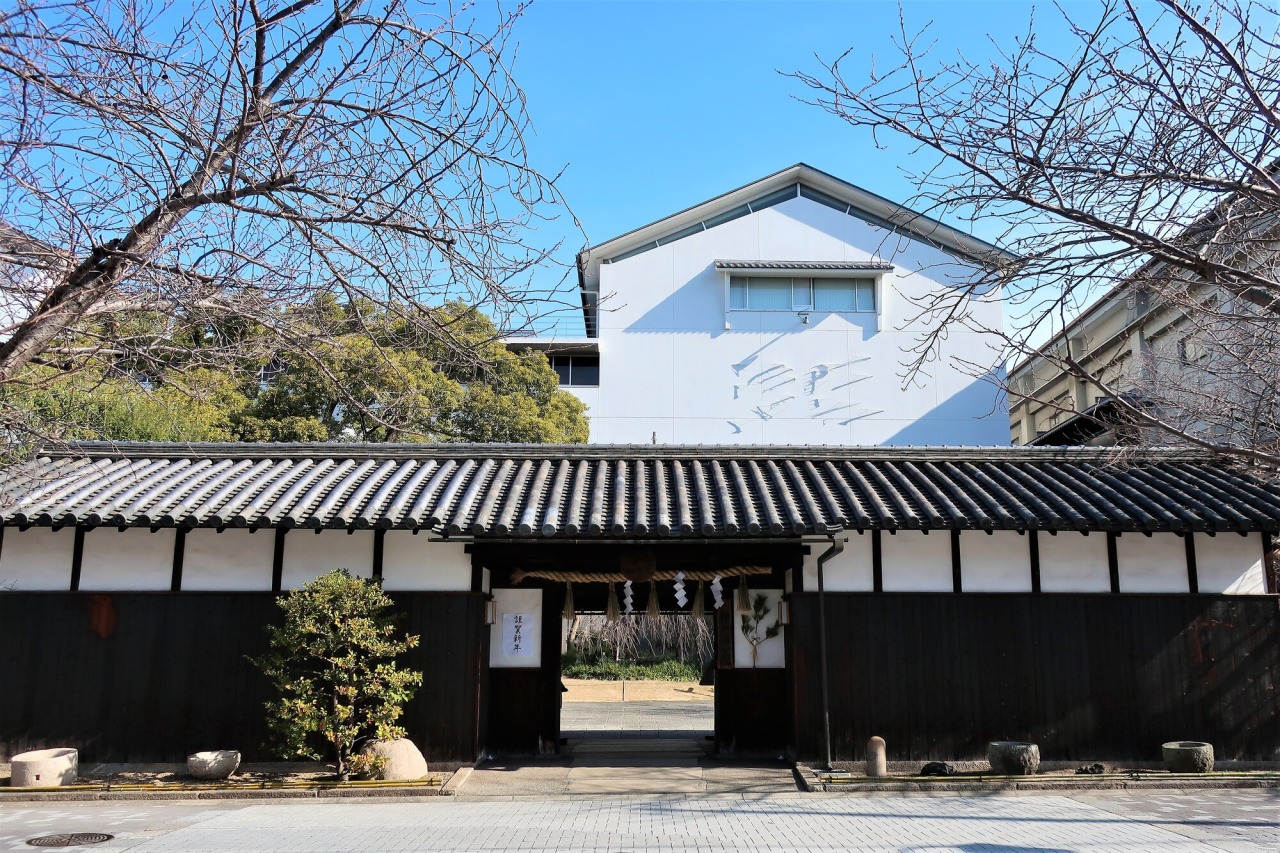
Kobe Shushinkan Brewery (Fukuju)
Taste a world-class drink and experience the profound nature of Japanese sake
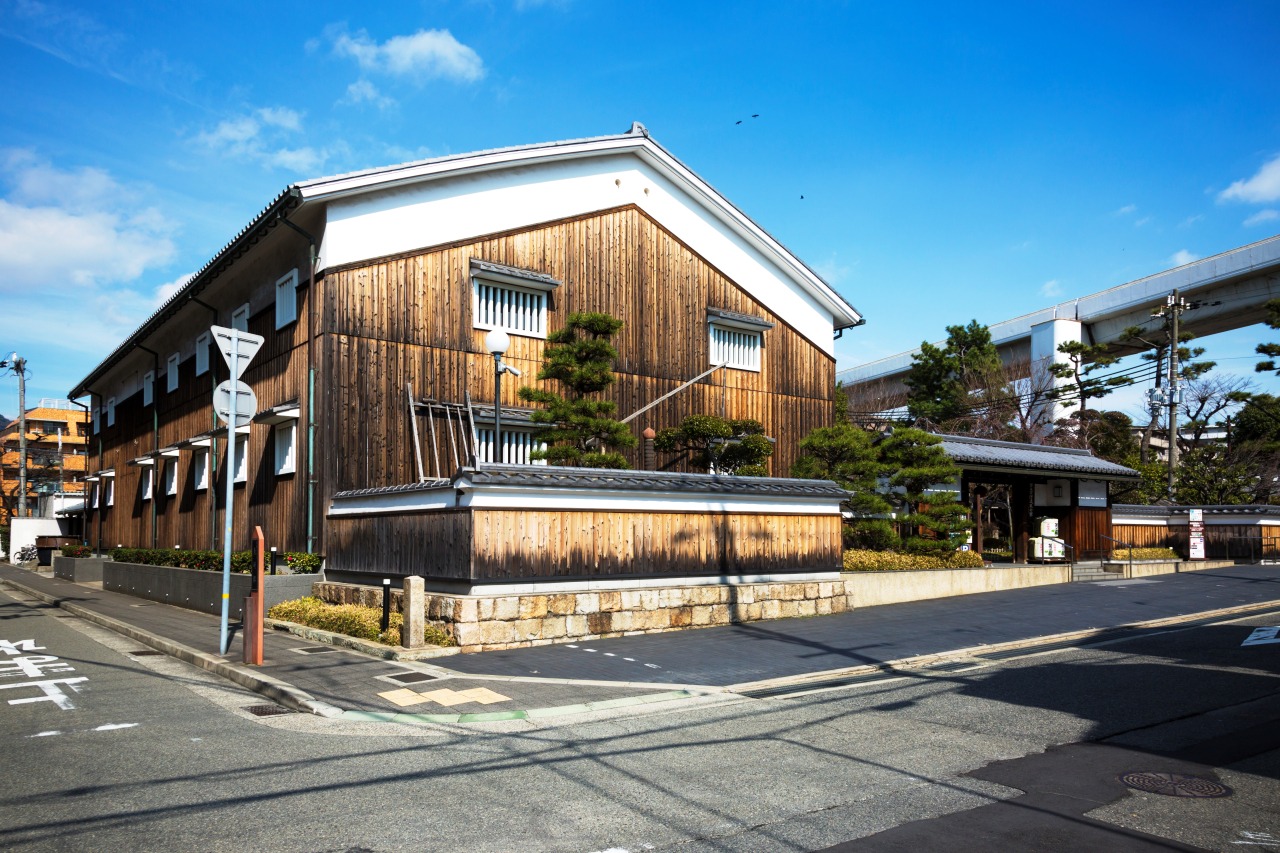
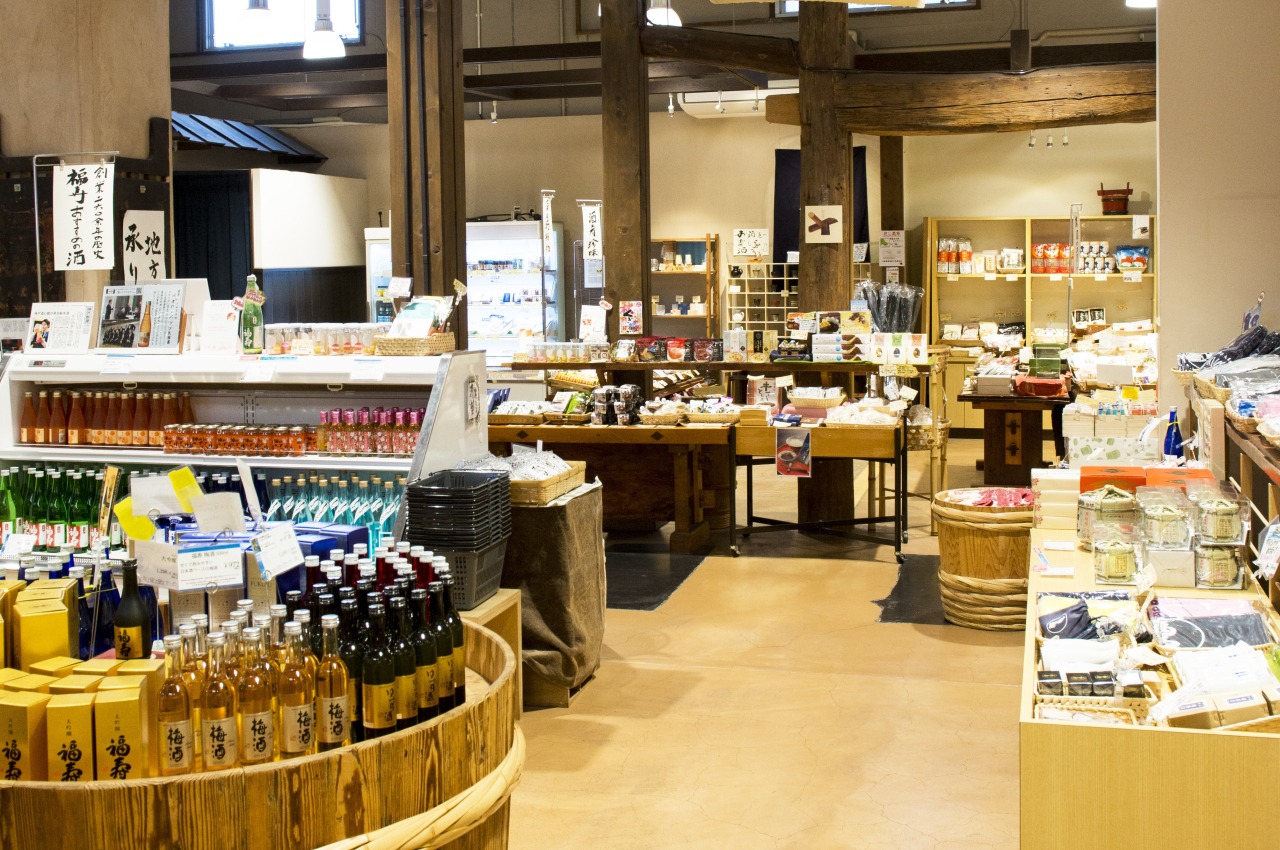
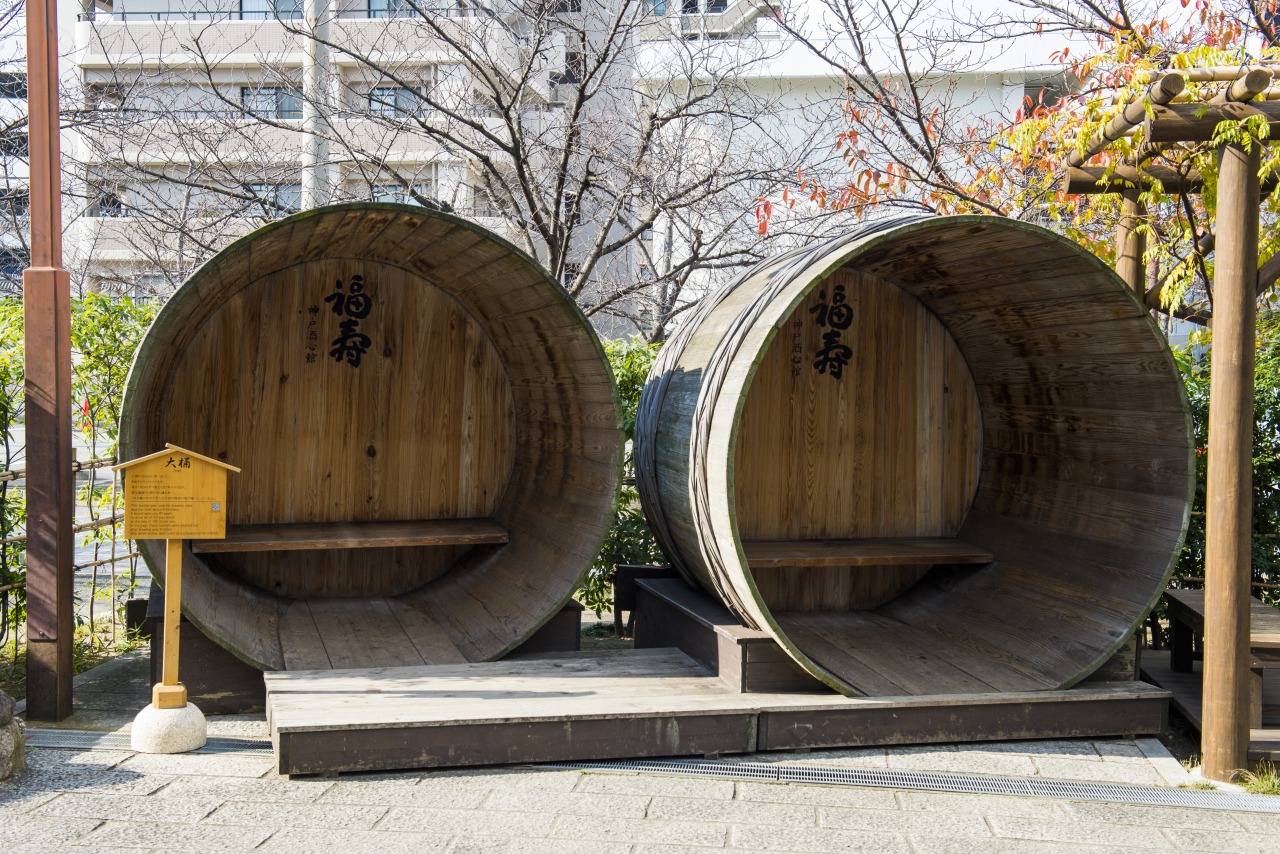
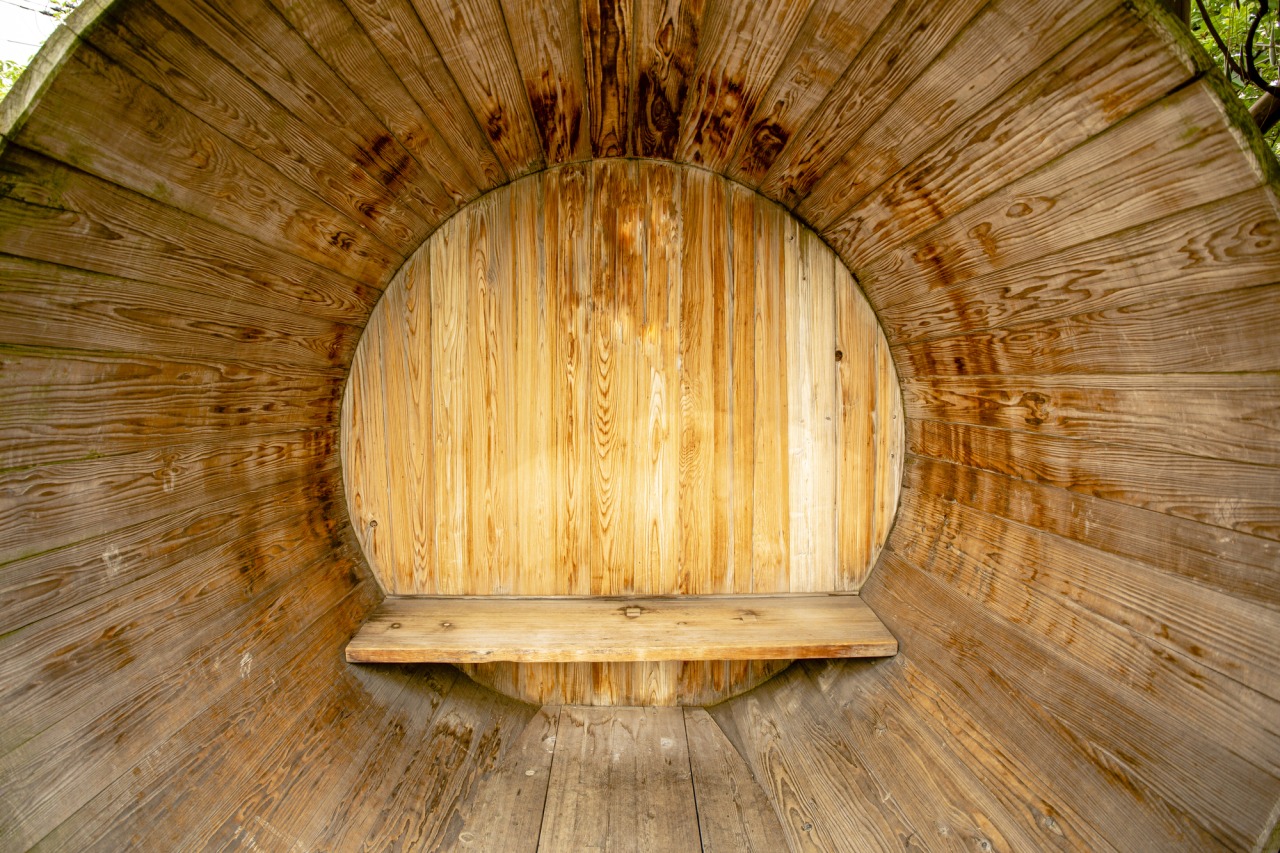
Kobe Shushinkan is well-known as the original brewer of the refined sake “Fukuju,” and this brewery stands in a corner of Nadagogo. It is made up of four buildings, including a brewery, and visitors to this facility complex that shares the traditions and culture of sake-brewing can experience the charms of Japanese sake and warm hospitality.
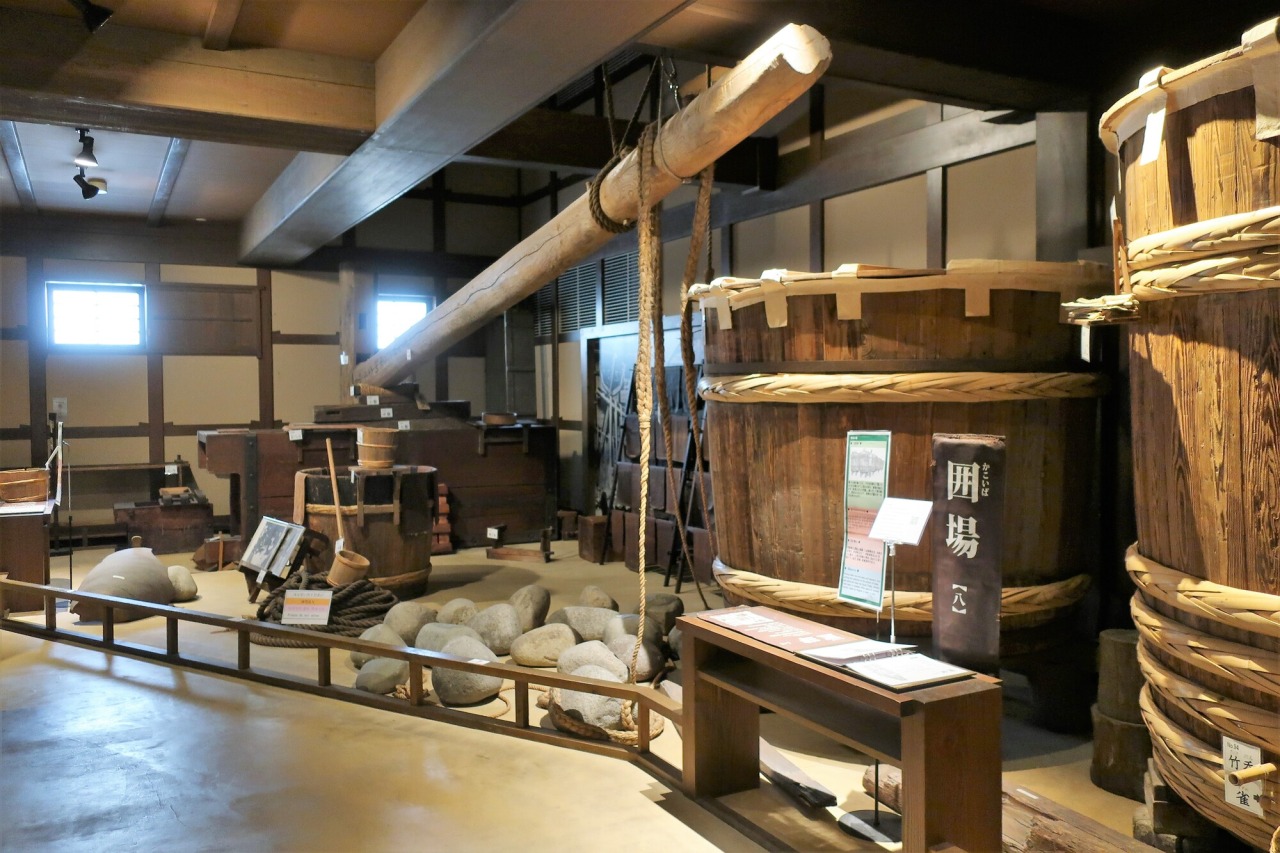
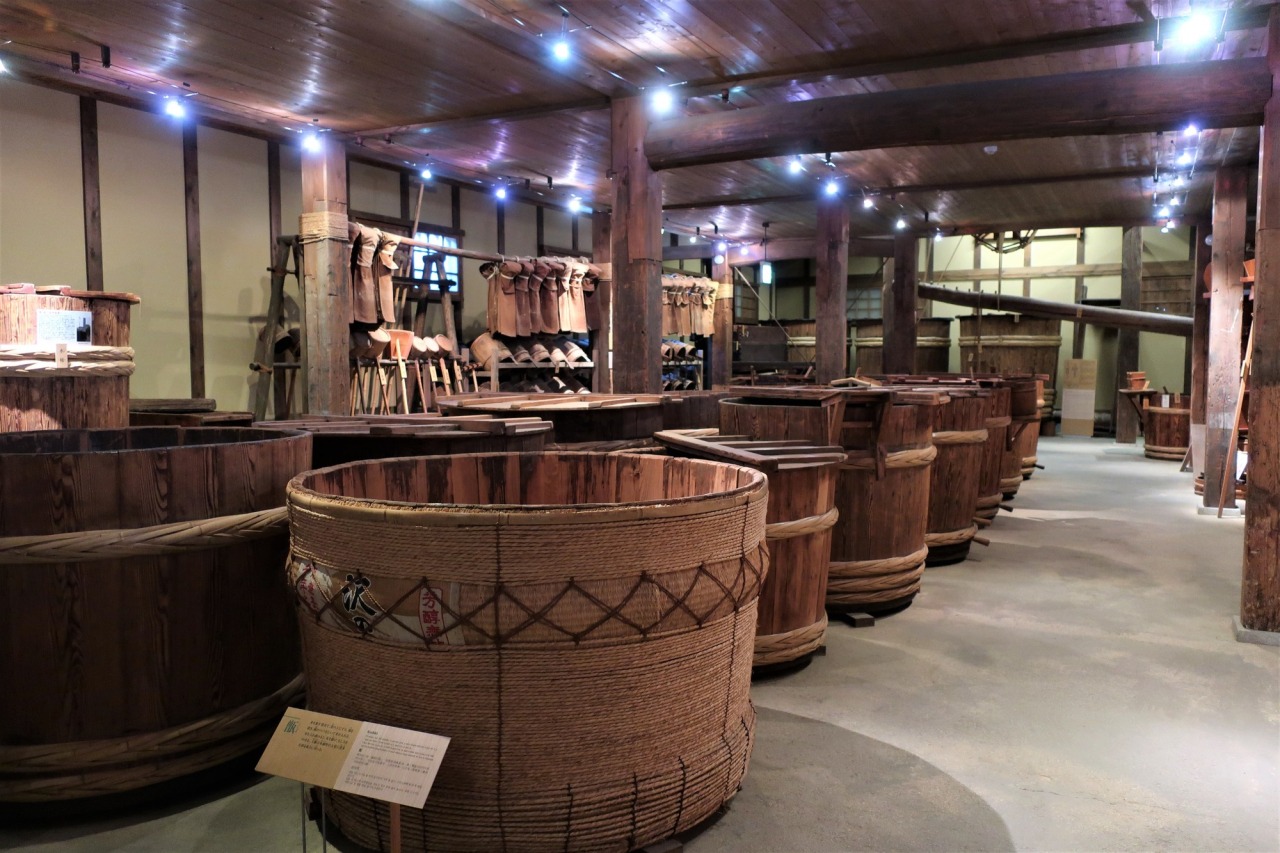
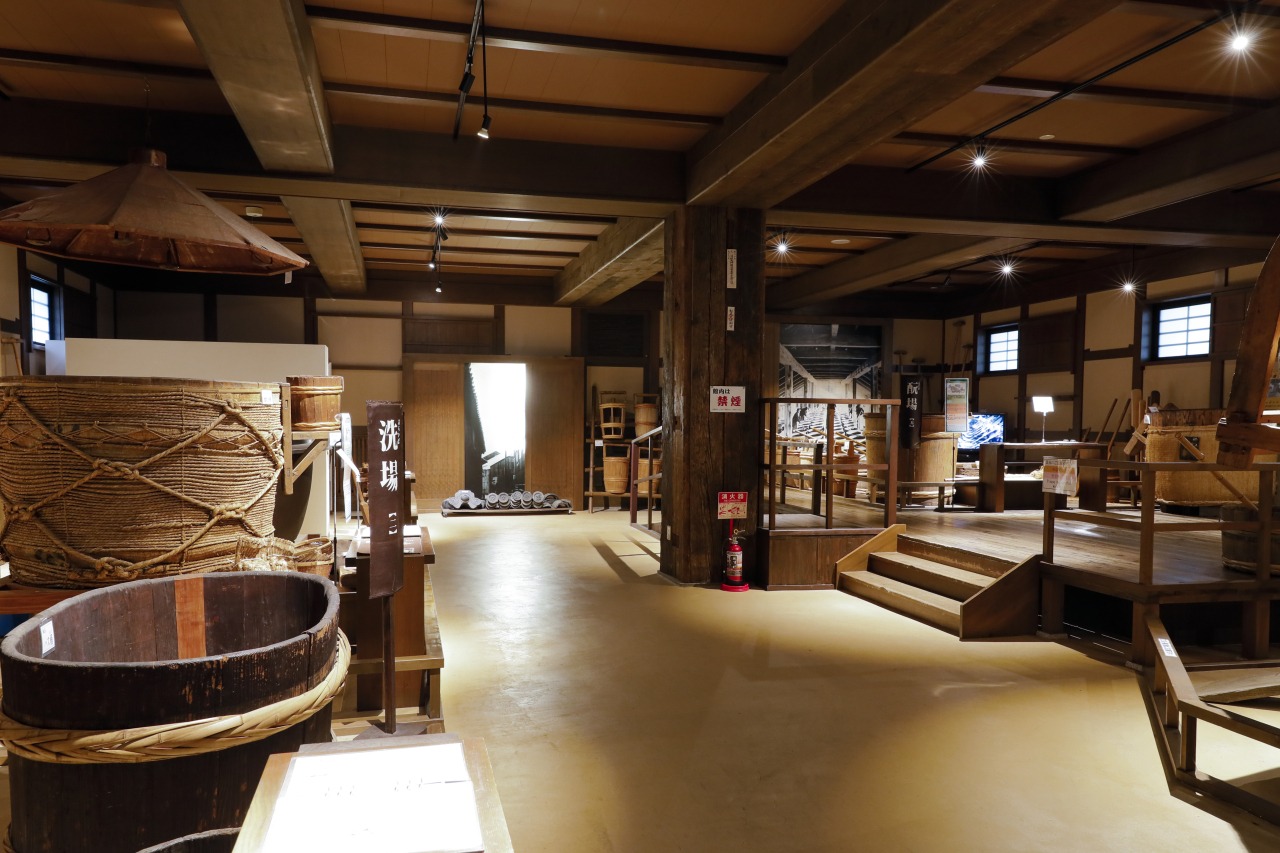
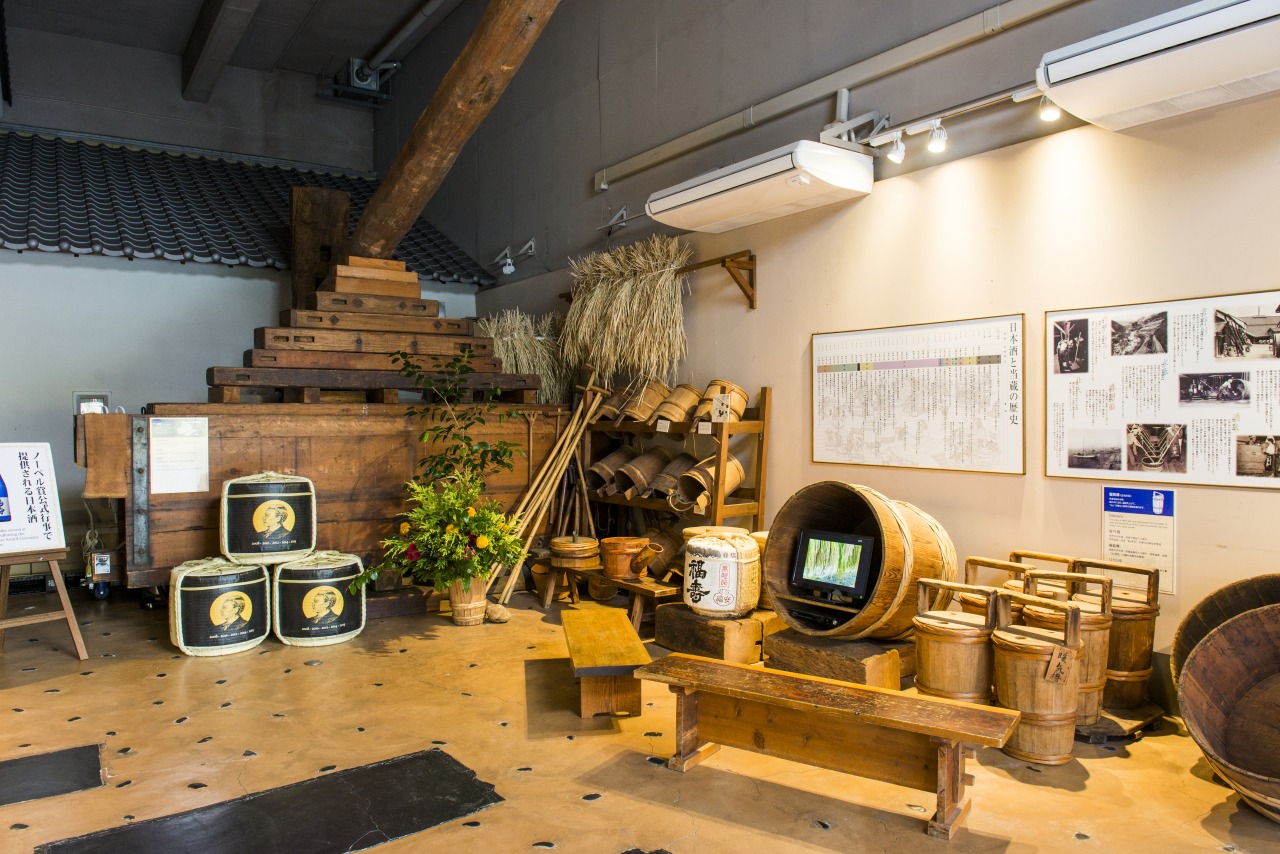
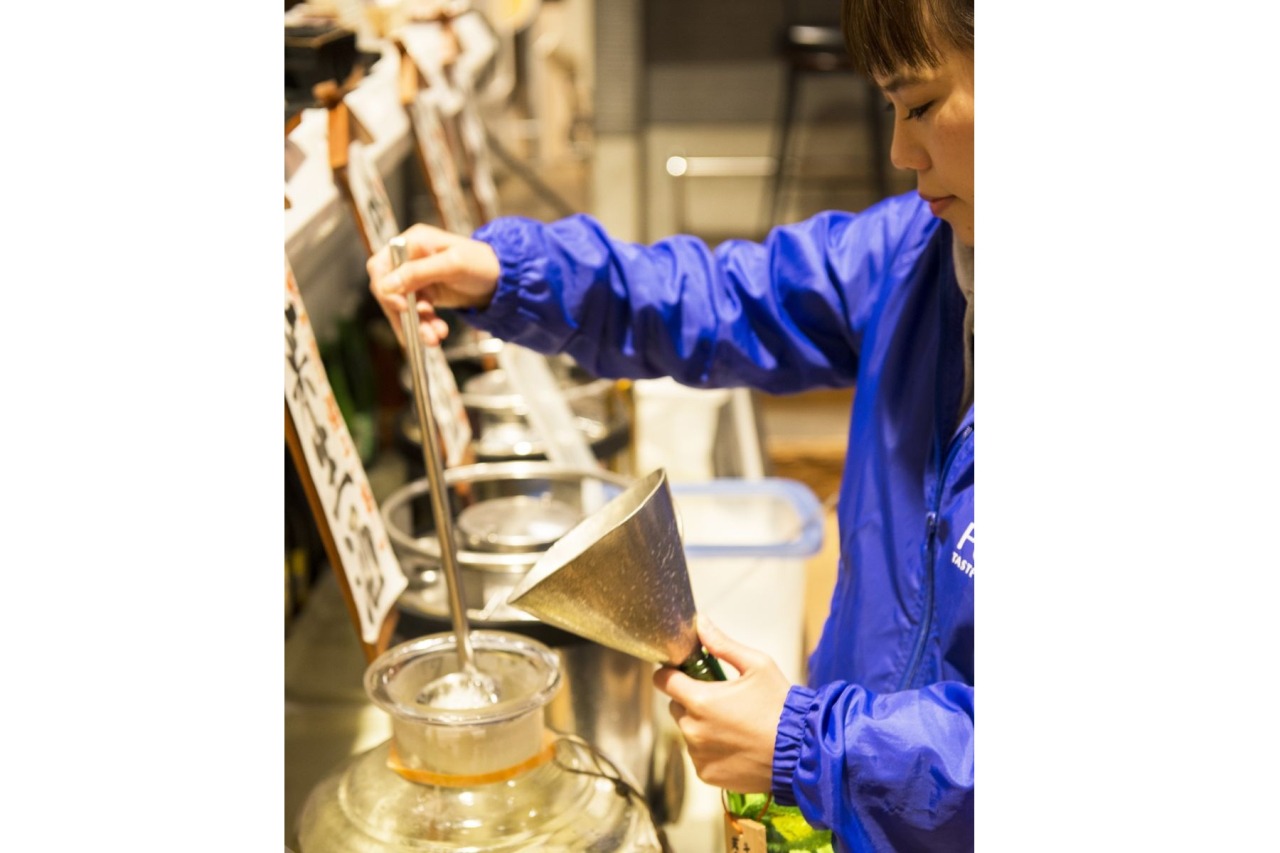
In the Fukujugura, where sake is made, you can learn about the processes of sake-brewing through images and window glass free of charge in a way that is easy to understand. The Tomyogura next door houses the brand’s shop, where you can taste and buy all kinds of Fukuju products, including limited drinks that can only be tried here. You can also enjoy confections such as specially made soft-serve ice cream and sweet treats made using sake lees, making this perfect for selecting a souvenir.
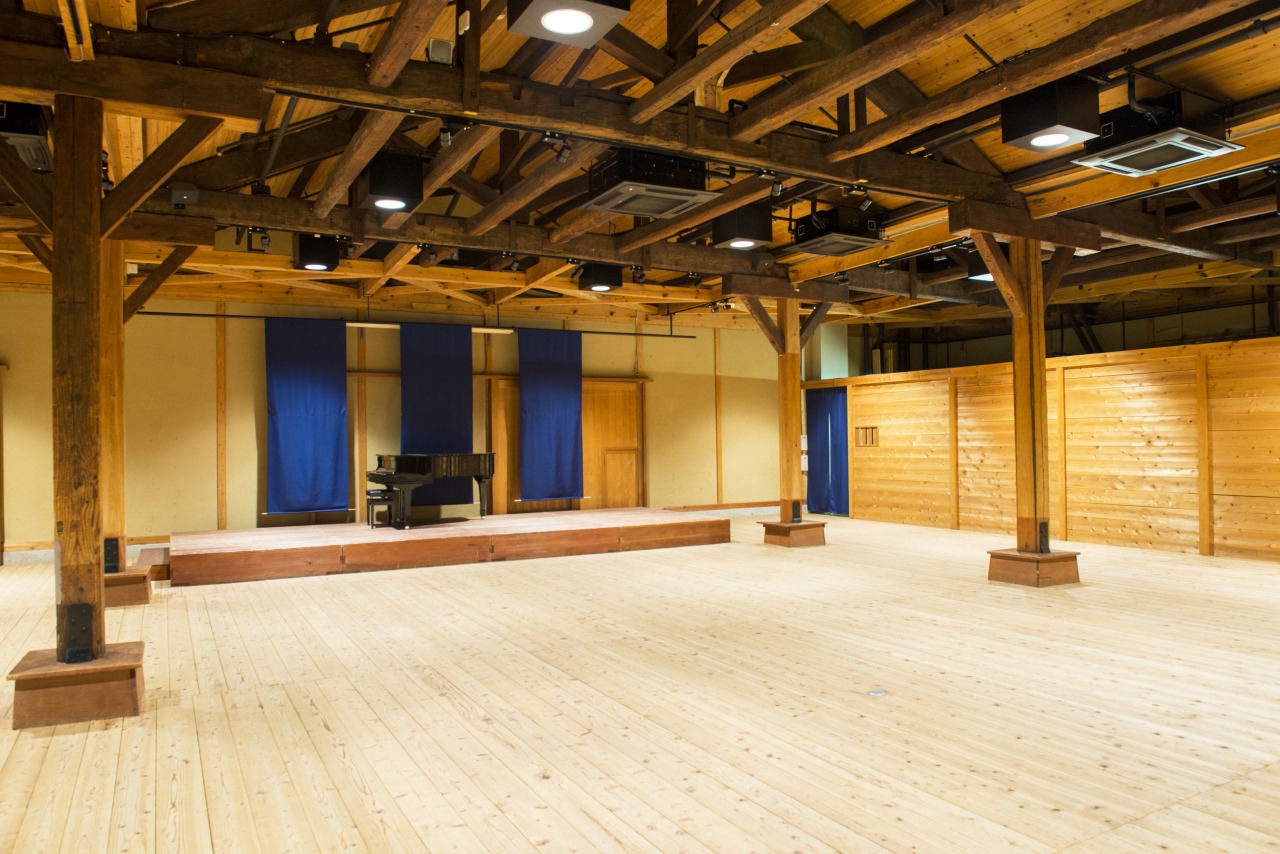
Enjoy an exquisite traditional multicourse “kaiseki” dinner, made using local ingredients and home-made tofu, in the brewery ryotei restaurant Sakabayashi (Suimeigura). The seasonal ingredients and pairings with Japanese sake offer extraordinary flavors. Shushinkan Hall (Homeigura), once used as a brewery, is now a multi-purpose hall characterized by unique acoustics and the wonderful warmth of wood. Events such as Rakugo (a form of Japanese verbal comedy) and concerts are held here, so you can spend time combining tradition and performance.
Kobe Shushinkan offers a rich visit during which you can experience the traditions of sake-brewing and savor delicious sake and cuisine. We recommend it not only for lovers of Japanese sake, but even for people who are not so fond of alcohol.
Basic information
- Address
- 1-8-17 Mikagetsuka-machi, Higashinada-ku Kobe-shi
- Telephone Number
- 078-841-1121
- Opening times
- [Brewery tours (reservations required at least 2 days in advance)] Mondays, Tuesdays, Fridays 11:00–16:00 Other: 10:00–16:00 [Tomyogura] 10:00–18:30
- Closures
- January 1–3
Hyogo Prefectural Museum of Art
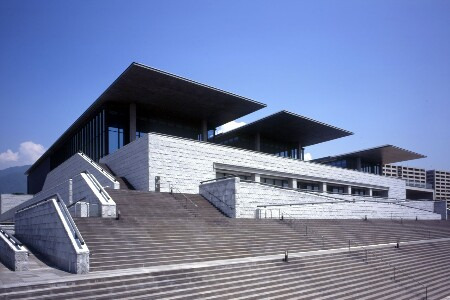
Designed by world-famous architect Tadao Ando, this multifunctional art museum reopened in 2002 in HAT Kobe. Its vast grounds contain an Art Information Center, galleries, a restaurant, a cafe, and more. It also holds a wide range of events, including lectures, information sessions, workshops, and concerts.
Basic information
- Address
- 神戸市中央区脇浜海岸通1-1-1 兵庫県立美術館
Kobe City Museum
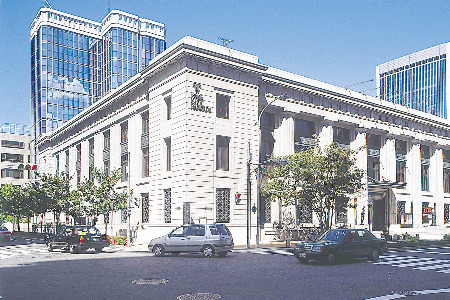
This museum stands in the former foreign settlement area. It possesses approximately 40,000 items, including National Treasures and Important Cultural Properties. It even holds a collection of historic maps and historic documents relating to Kobe. The museum is housed in the old Kobe branch building of the former Yokohama Specie Bank (present-day MUFJ Bank), said to be a masterpiece of Showa architecture.
Basic information
- Address
- 神戸市中央区京町24
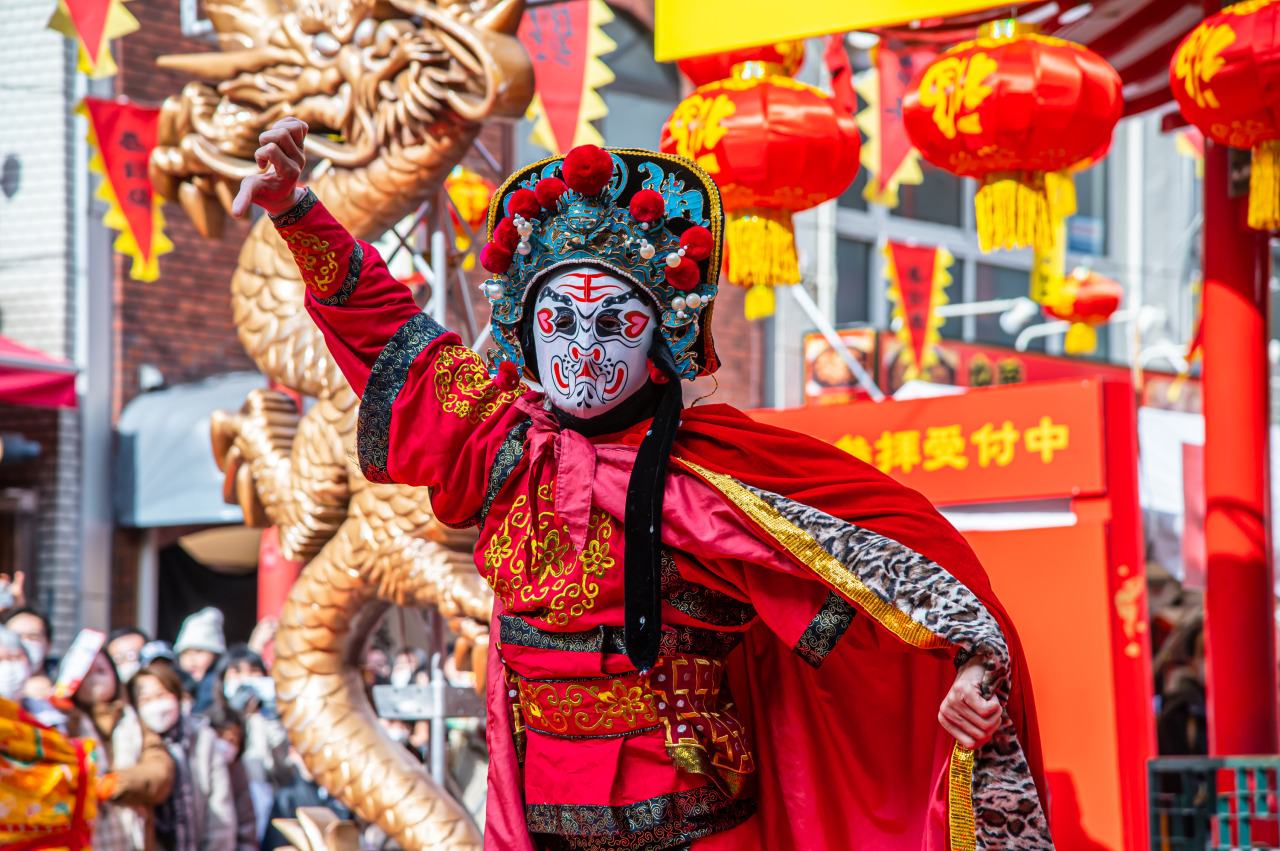
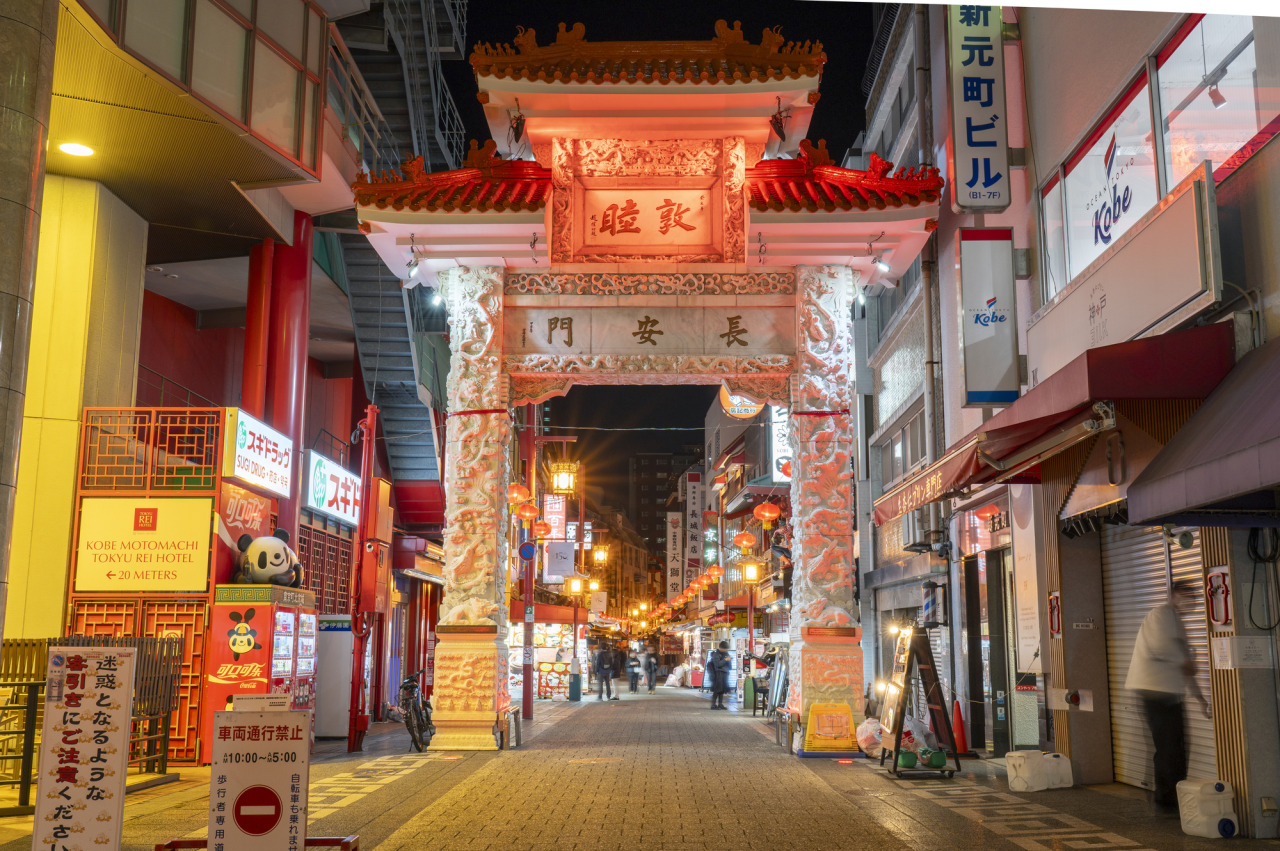
Nankinmachi
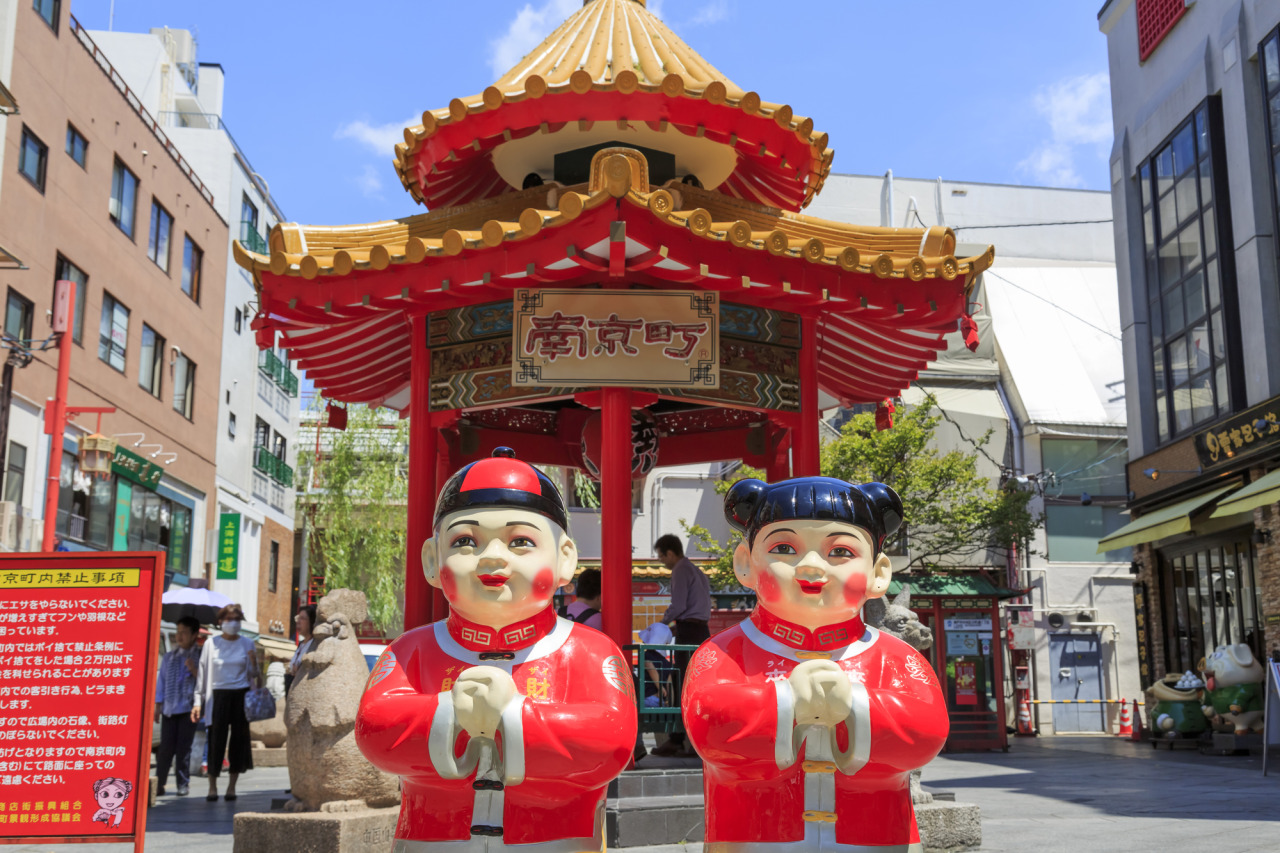
Try the different foods and enjoy the exotic atmosphere in one of Japan’s three largest Chinatowns
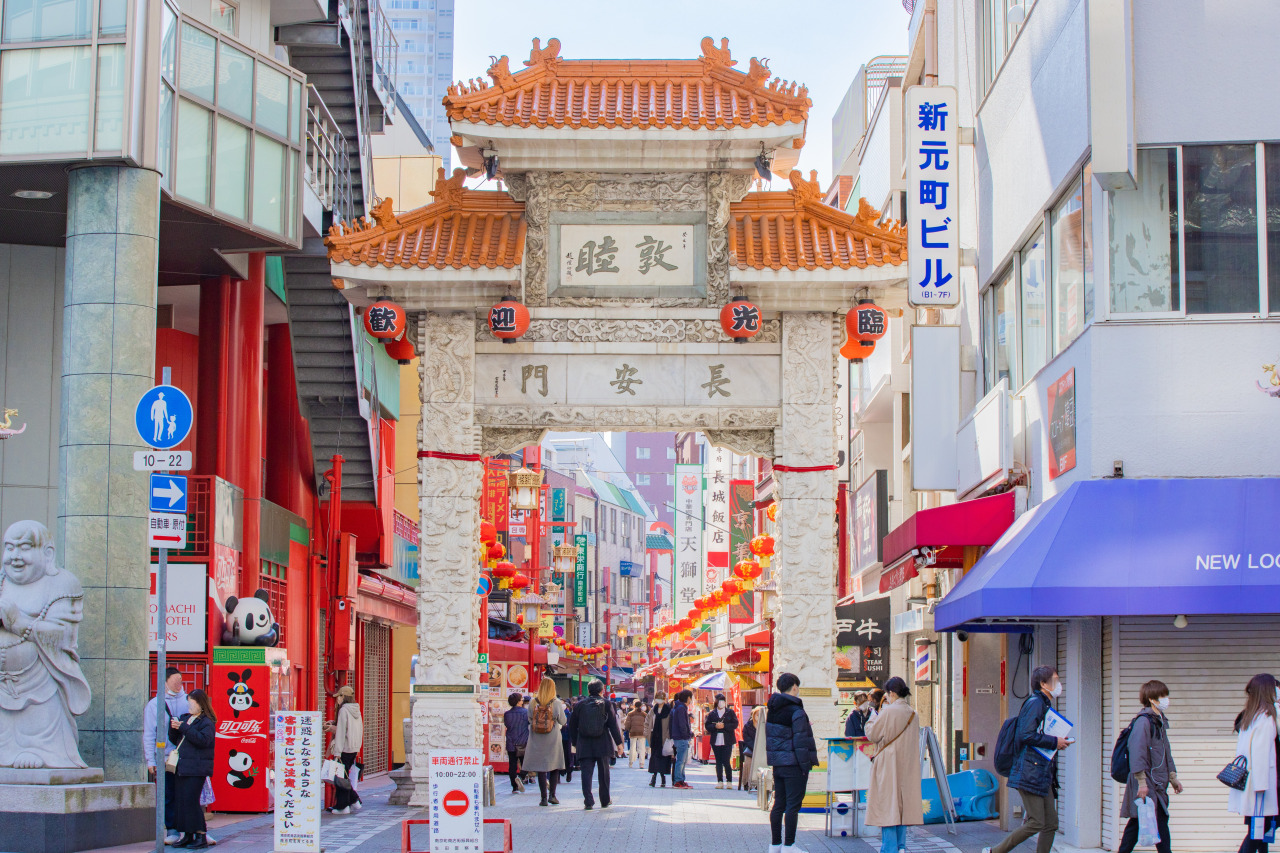
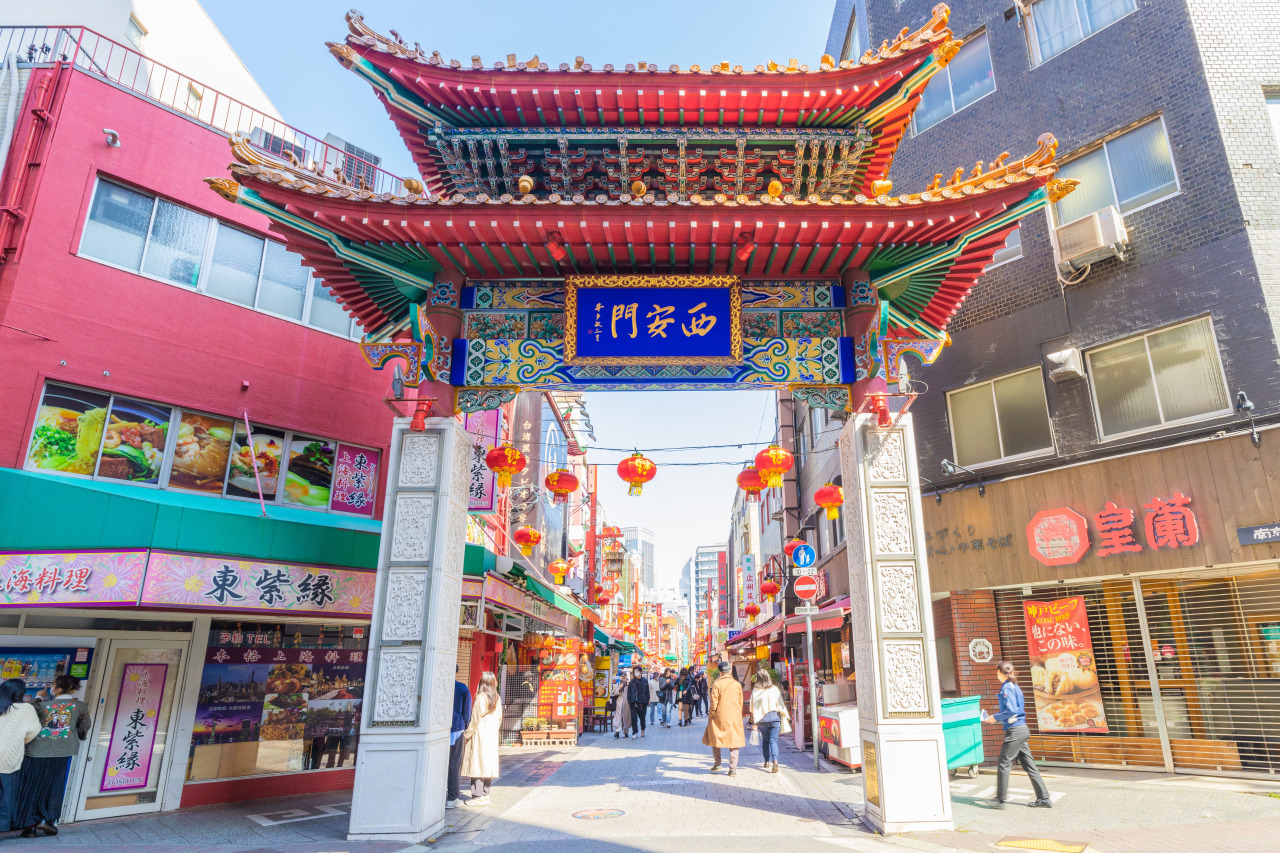
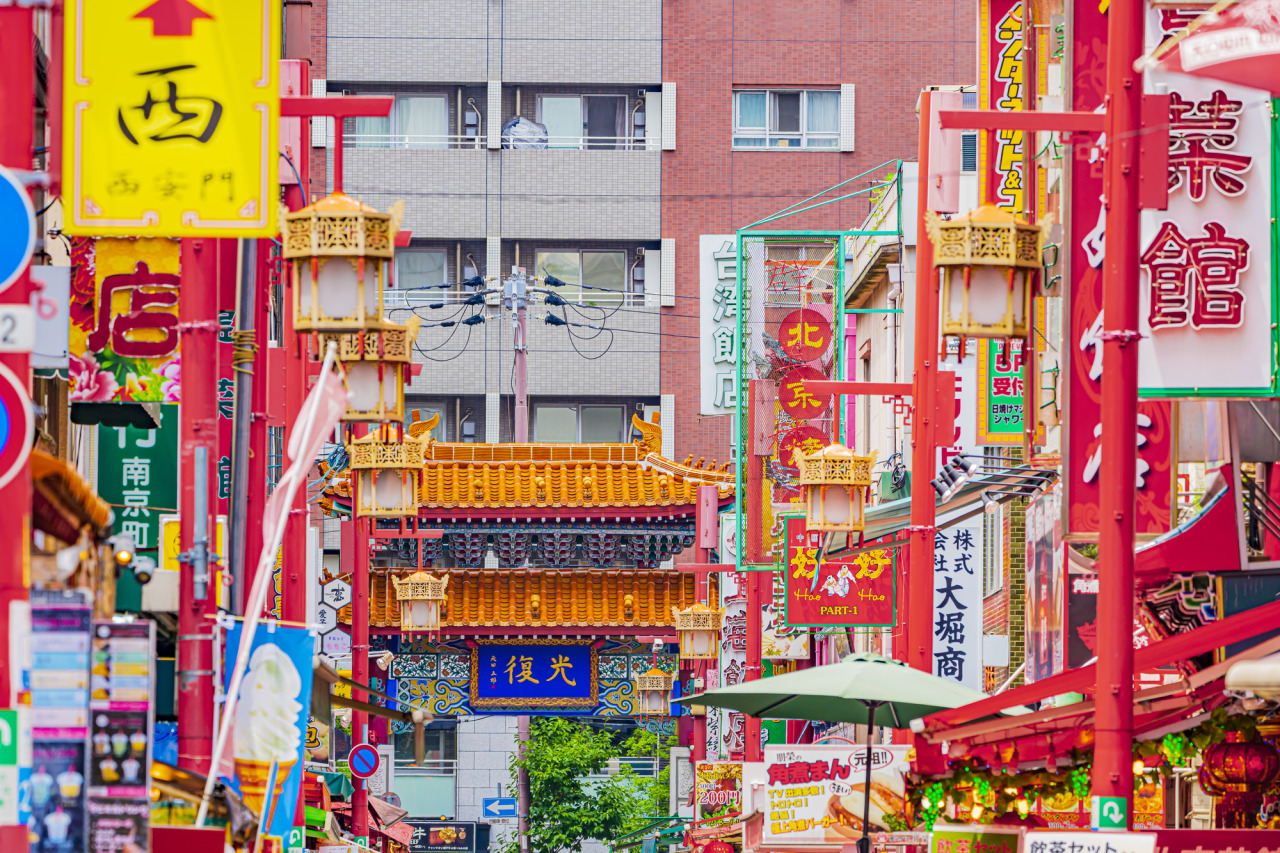
Kobe’s Nankinmachi is one of Japan’s three big Chinatowns, together with Yokohama Chinatown and Nagasaki Shinchi Chinatown. Located in an area measuring 270 meters east-west and 110 meters north-south that is a quick walk away from JR/Hanshin Motomachi Station, the lively streets of Nankinmachi buzz with Chinese eateries and general goods stores. The historic streetscape was built by people who came to Japan from China with the opening of the Port of Kobe in the Meiji period (1868–1912), and remains today.
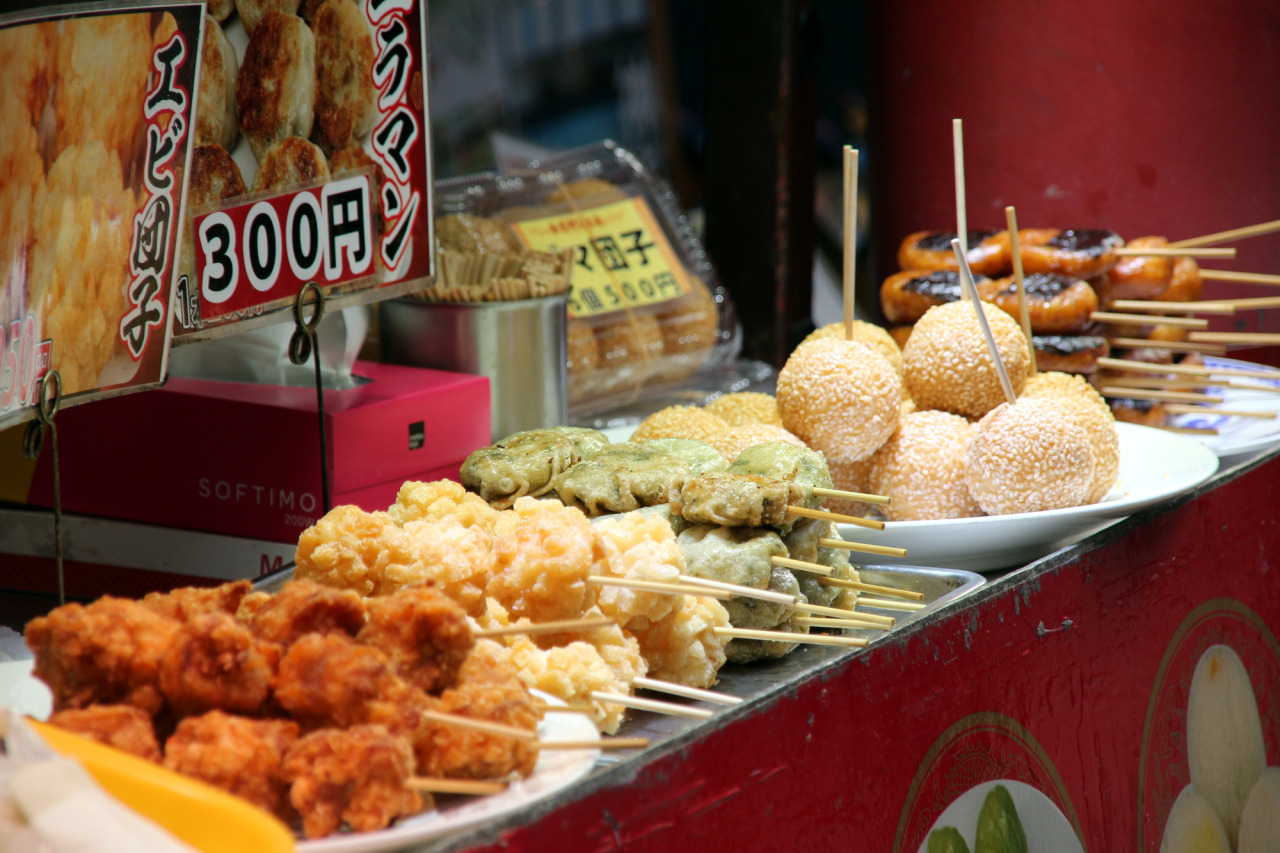
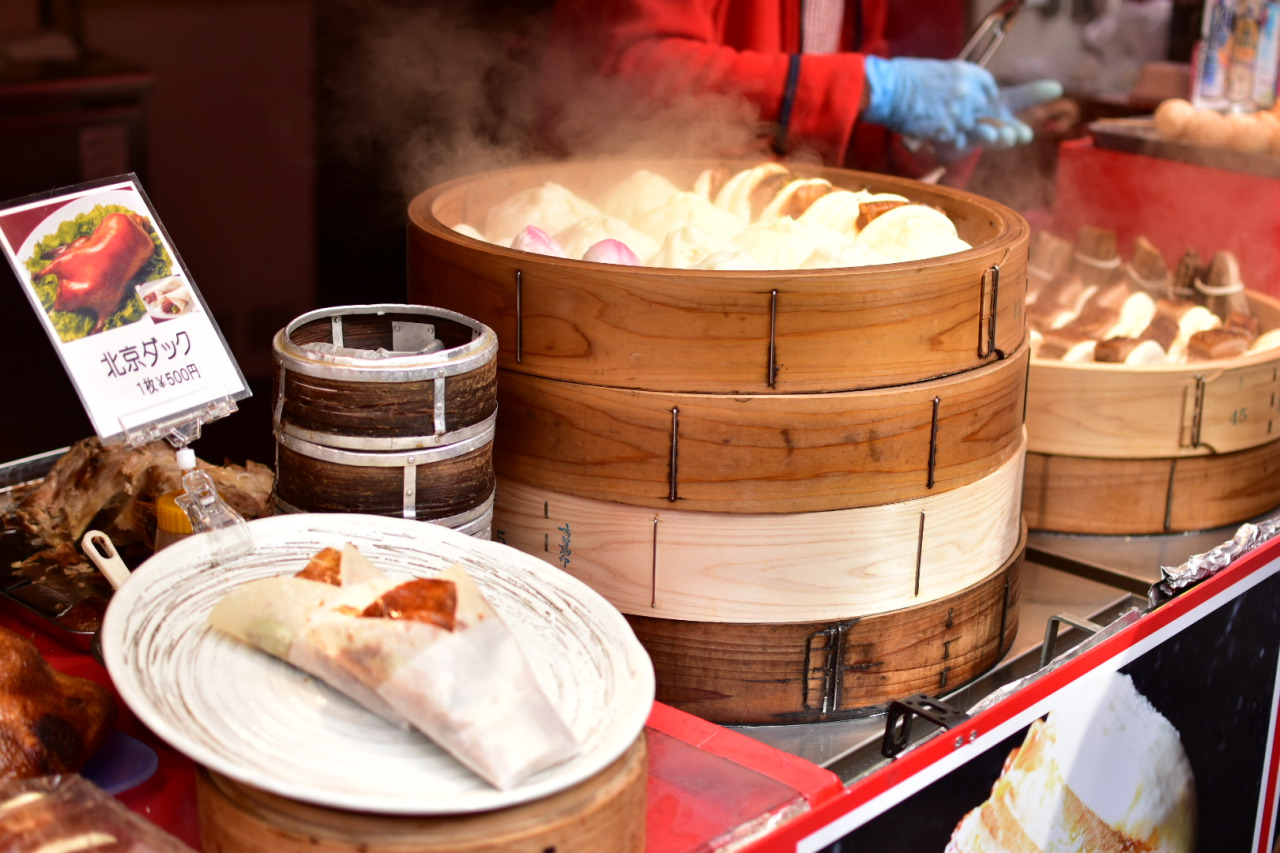
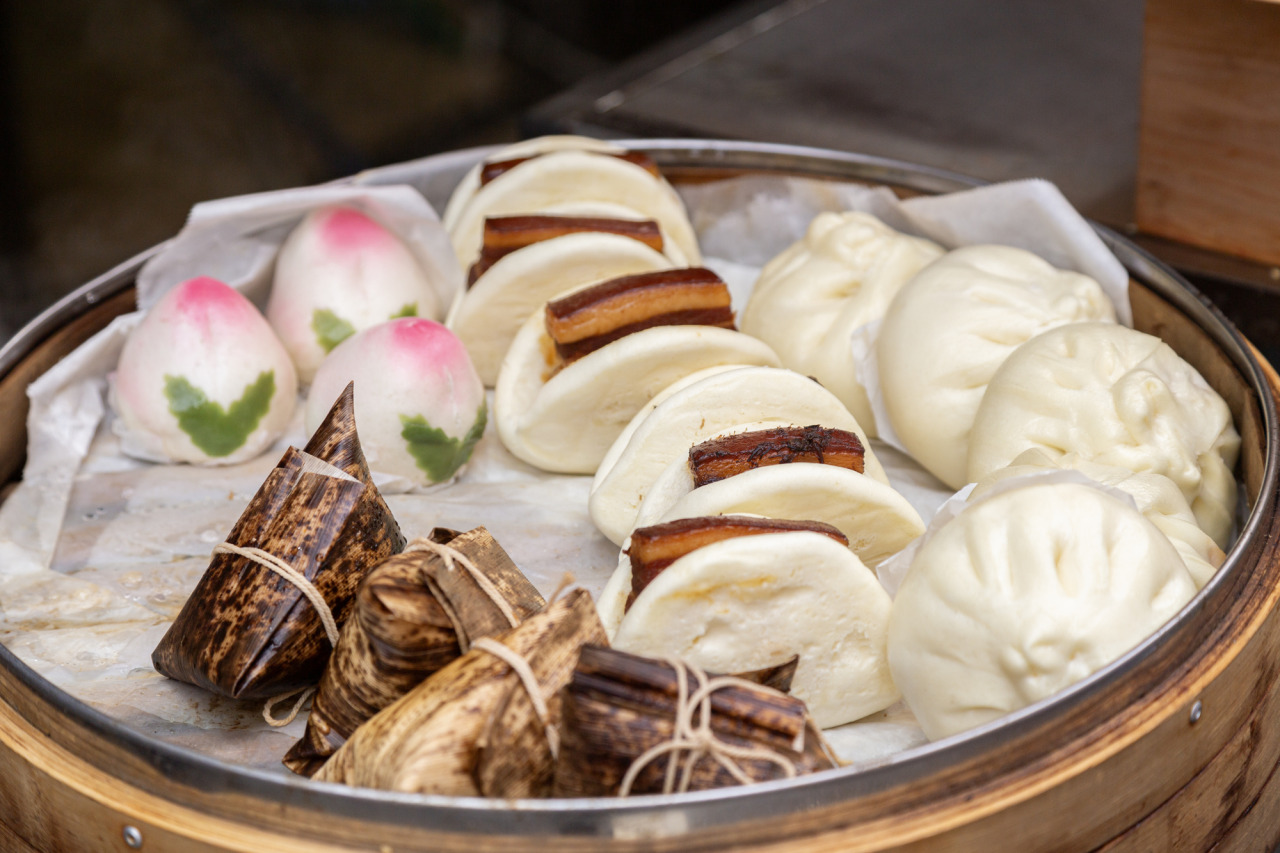
Nankinmachi’s greatest appeal has to be trying the different foods! Appetizing aromas drift from the stalls along the road, and you can easily enjoy authentic Chinese gourmet dishes, including butaman steamed pork buns, xiaolongbao soup dumplings, Peking duck, and shark fin soup here. Stores you’ll especially want to visit are the long-established Roushouki, said to have sold the first butaman in Japan, and the YUNYUN, offering popular fried xiaolongbao.
Crimson gates and lanterns line the streets, and taking in this Chinatown’s exotic ambiance is a fascinating experience. The central Nankinmachi Square is a perfect place for a commemorative photograph.
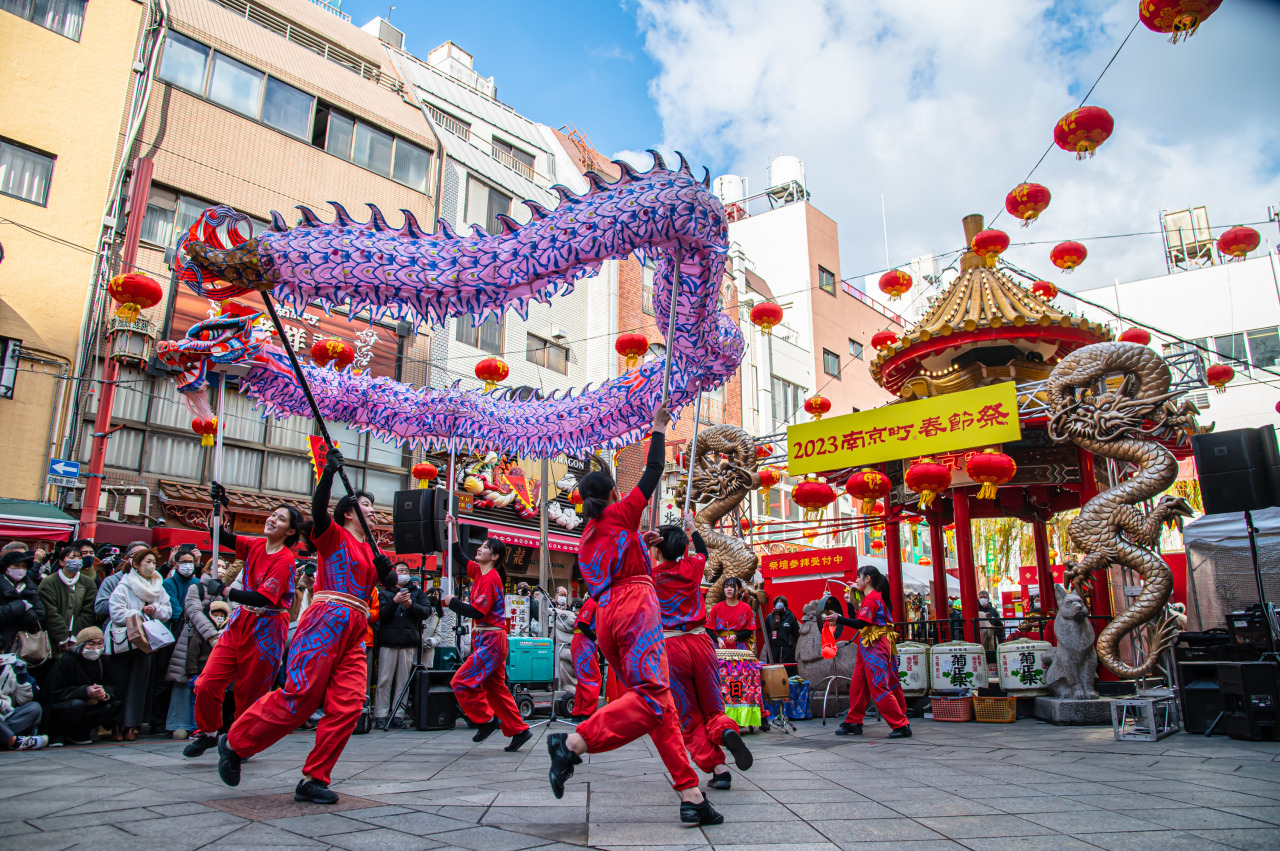
This Chinatown holds plenty of events—in addition to Shunsetsusai, the celebration of the lunar new year, and the mid-Autumn festival, which celebrates the harvest moon, you can also enjoy the December Lantern Fair, with magical lamps. It's a destination that is lively throughout the year.
*Please don't eat/drink as you are walking around
Basic information
- Address
- 1 to 2 Motomachi-dori and 1 to 2 Sakaemachi-dori, Chuo-ku Kobe-shi
- Telephone Number
- 078-332-2896
- Opening times
- Differs depending on the store.
- Closures
- Differs depending on the store.
Meriken Park
A calming waterfront area with the sound of ships' whistles and pleasant sea breezes
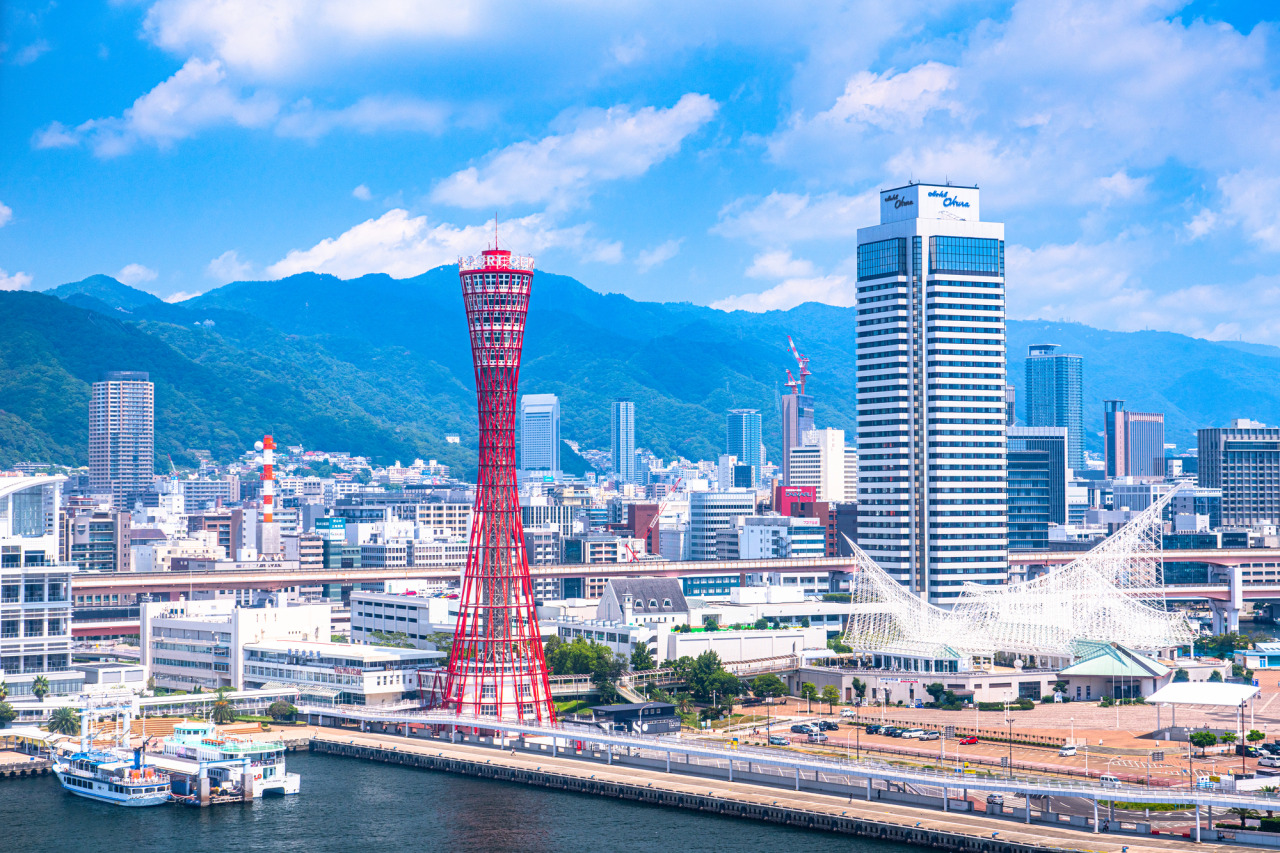
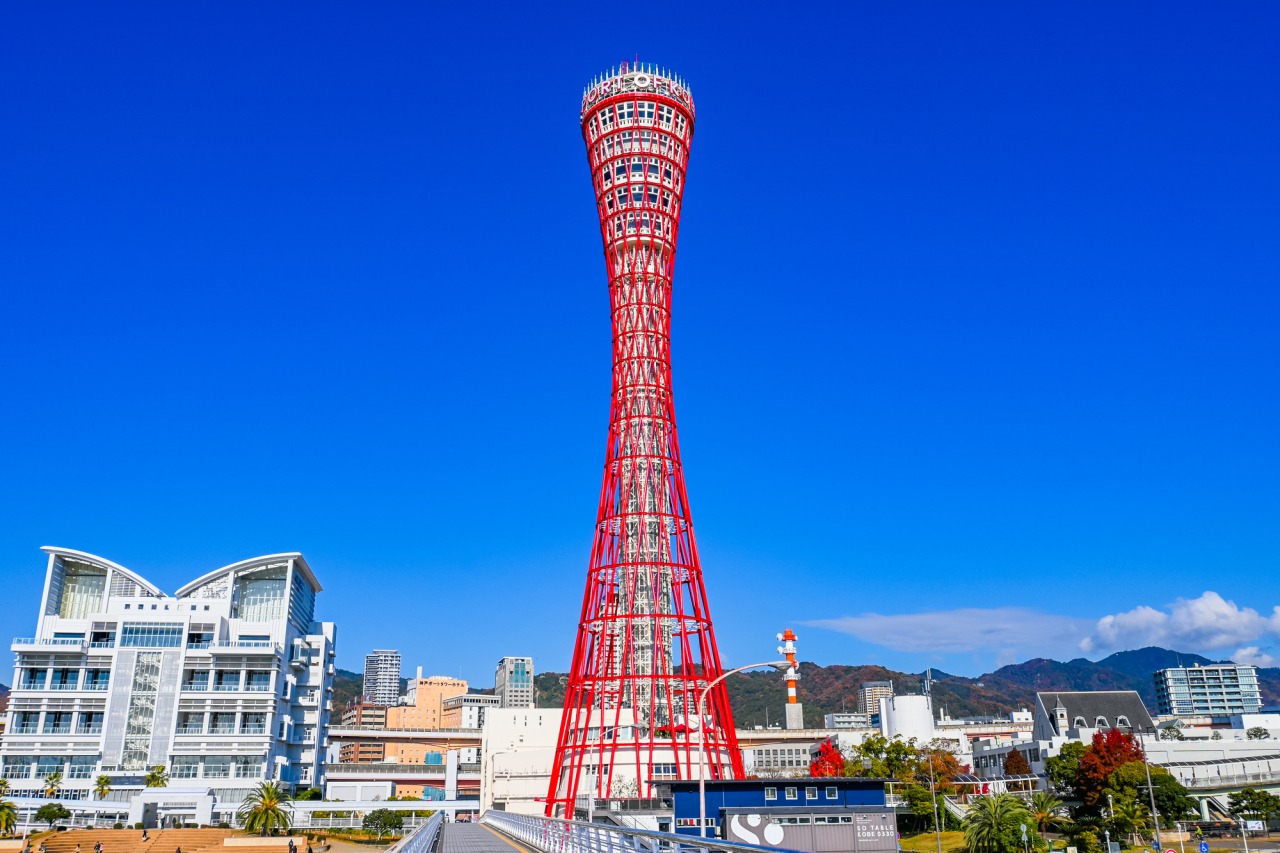
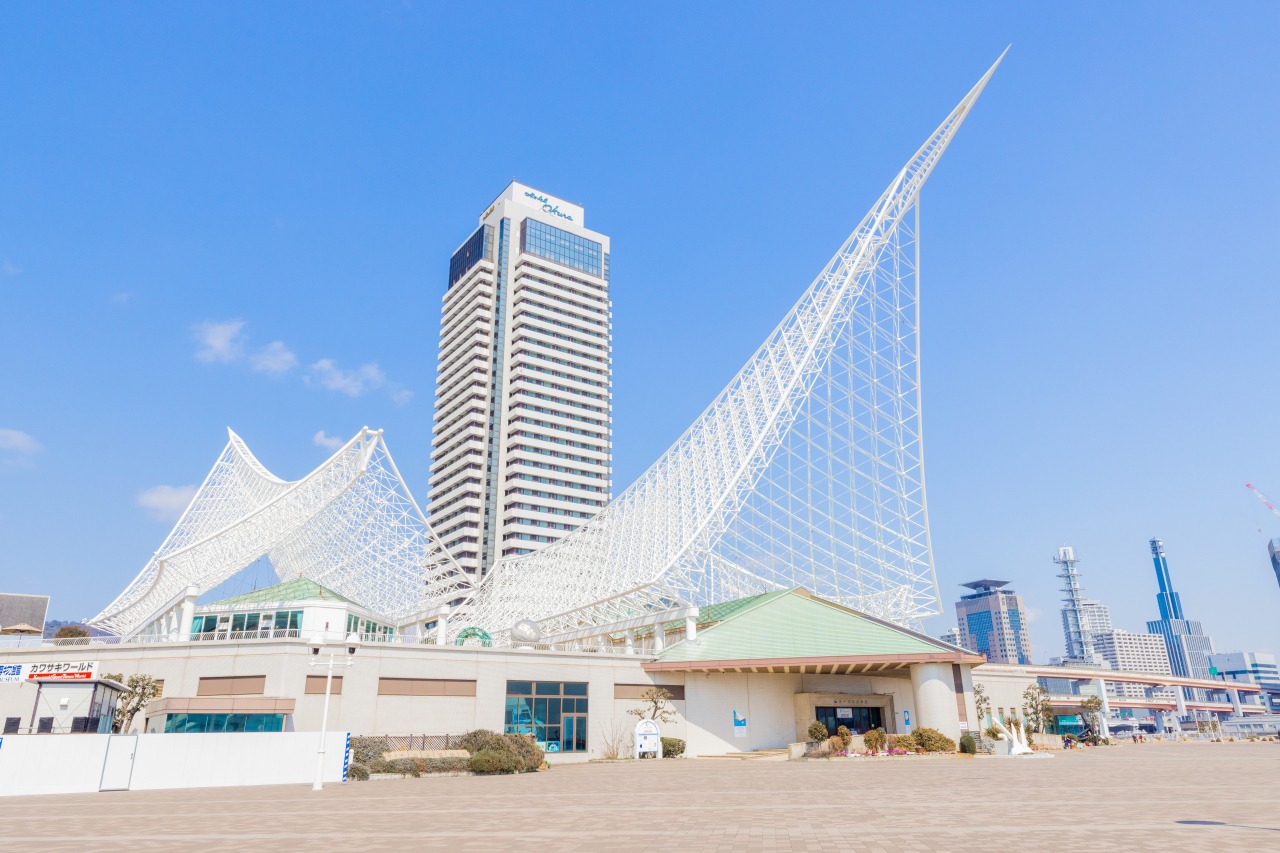
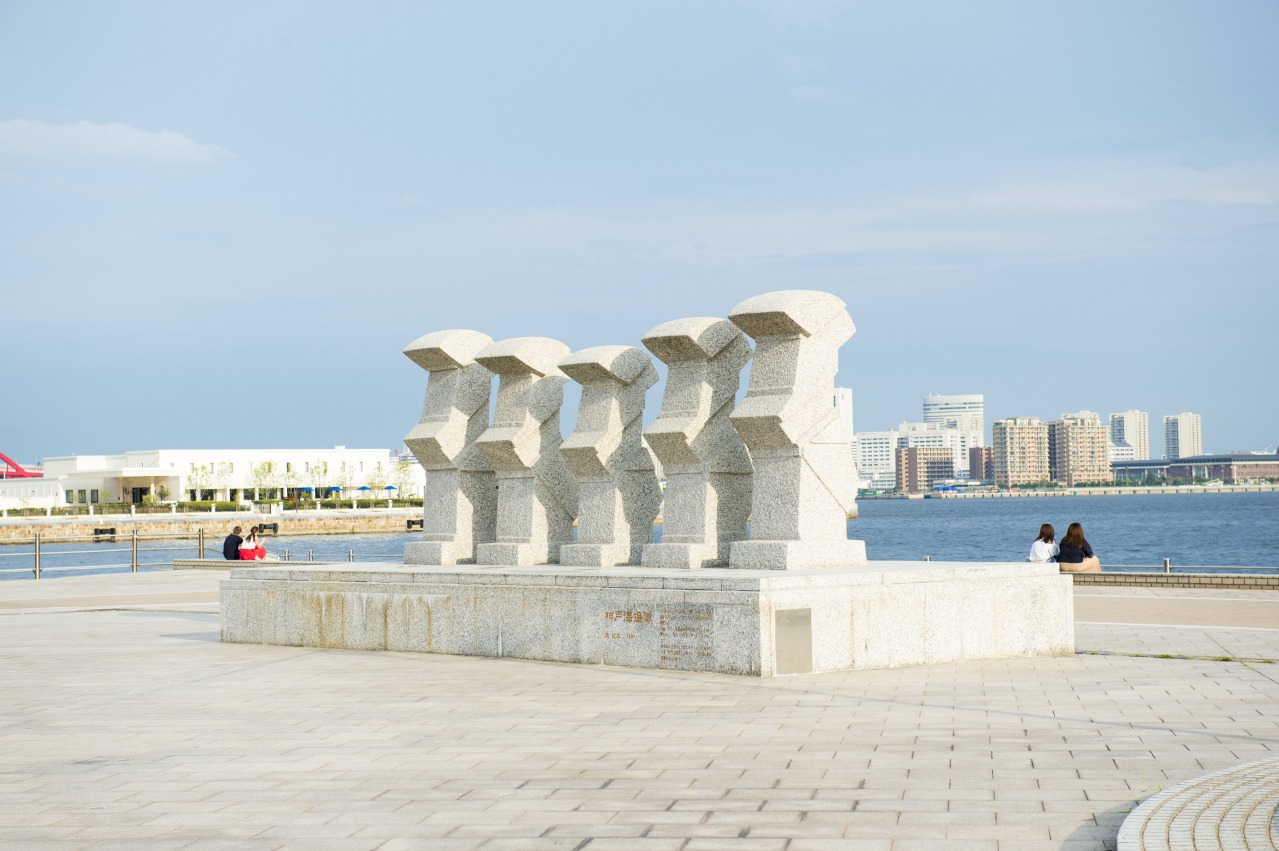
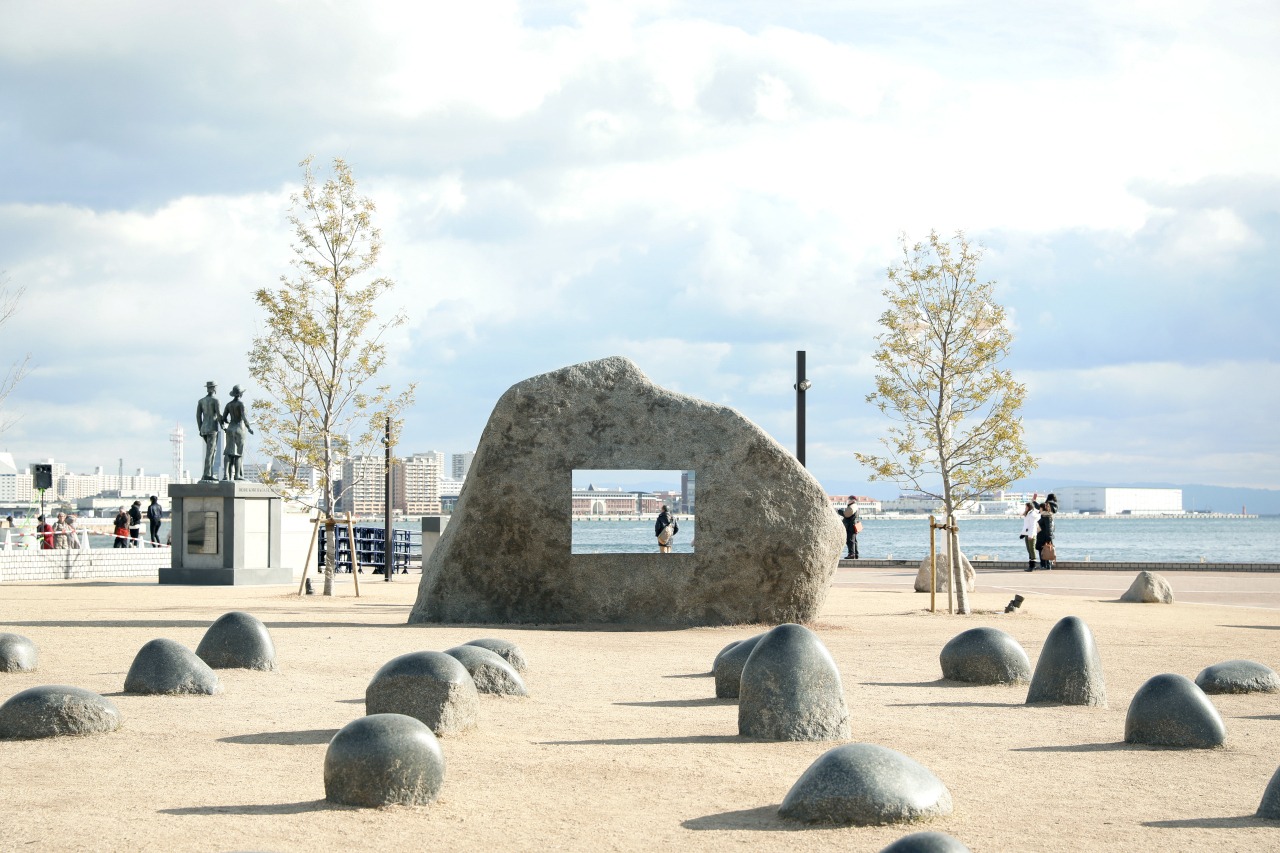
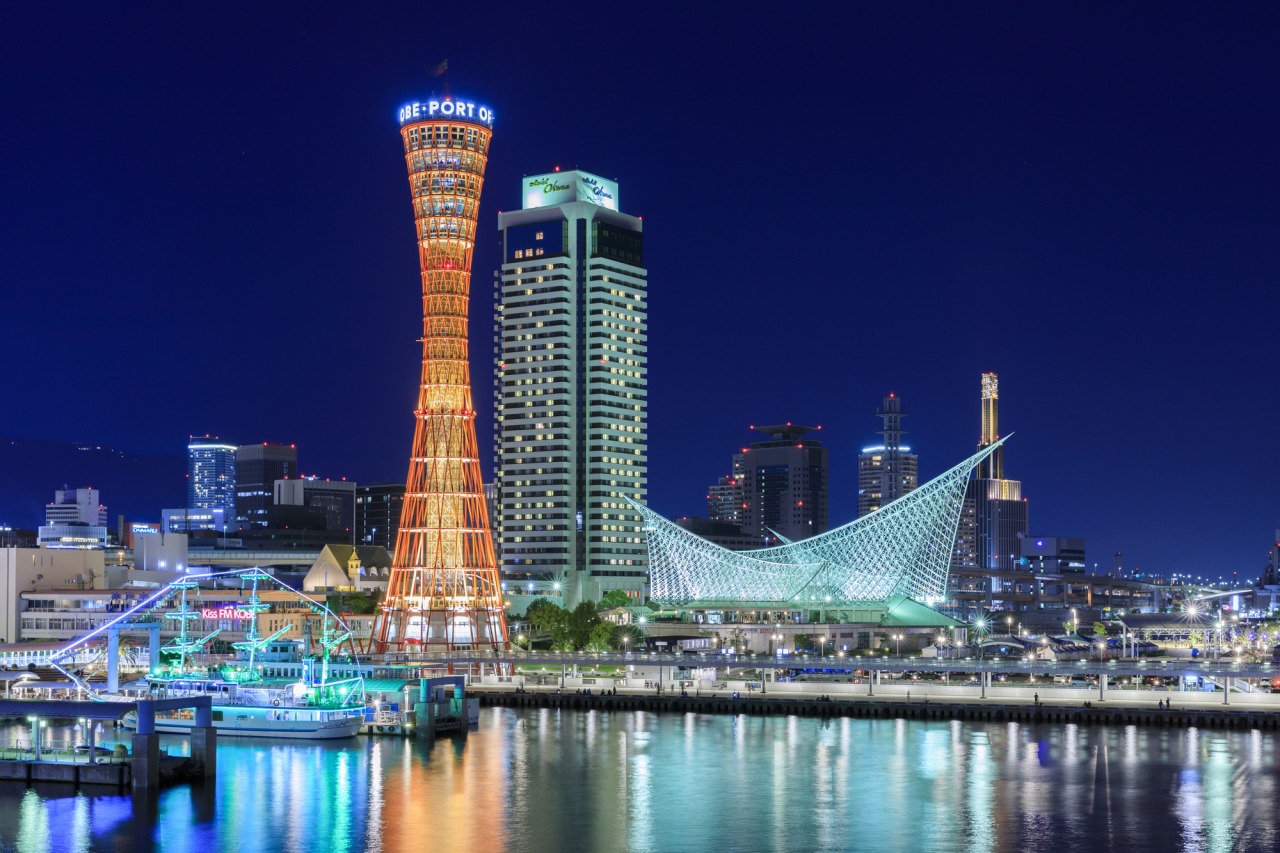
Meriken Park, with its pleasant sea breezes, is home to many of the symbols of the Port of Kobe. This waterfront area is a representative part of Kobe, made up of the once-bustling Meriken Wharf (derived from “American Wharf”) and the reclaimed land of Japan’s first modern quay.
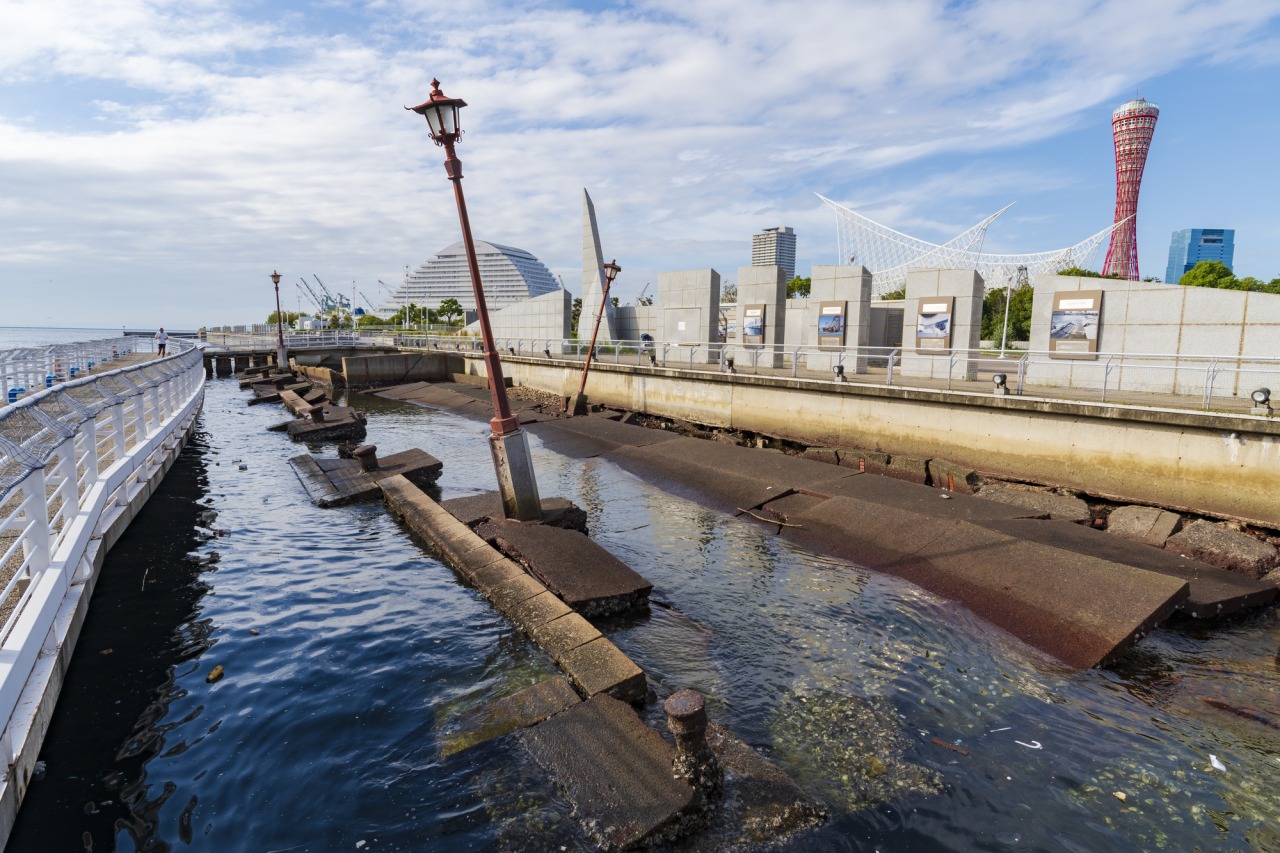
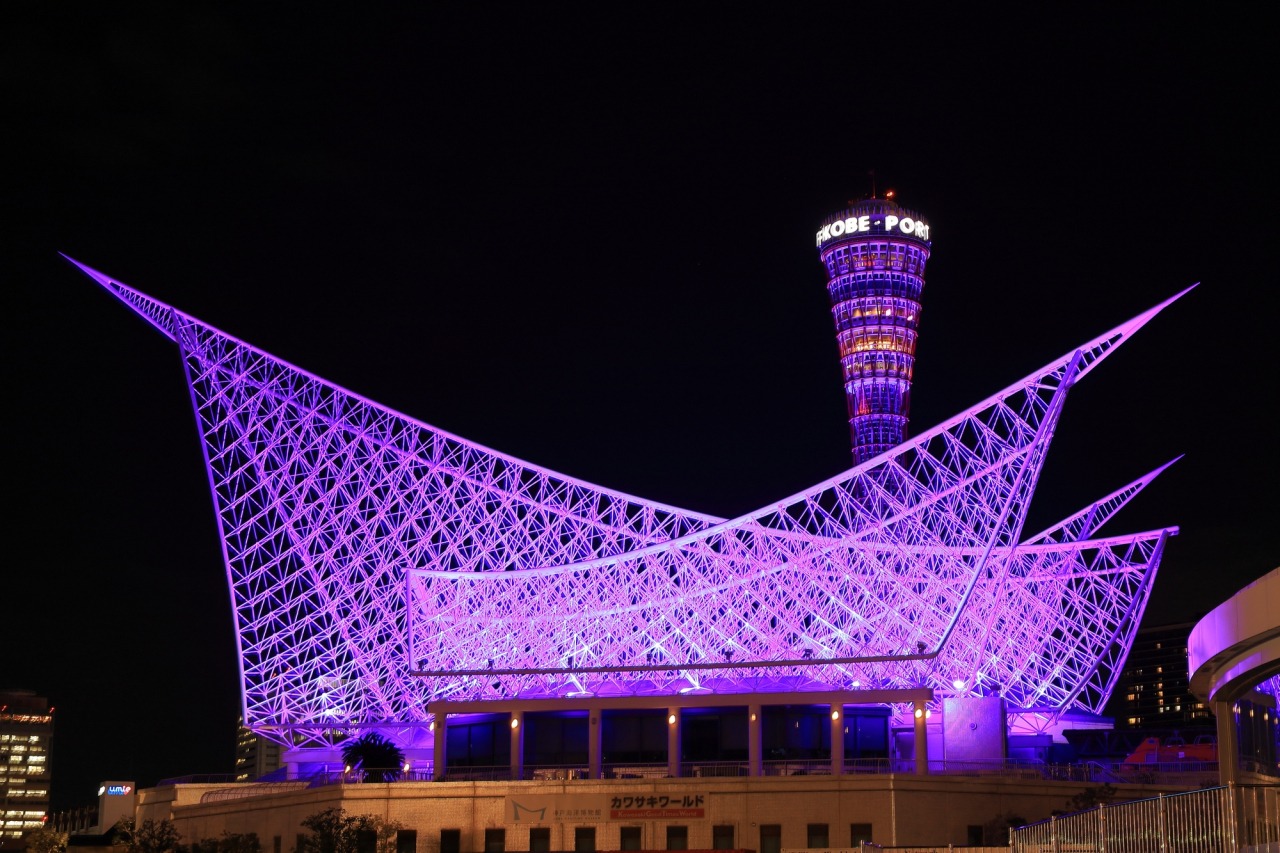
It is full of highlights, including the Port of Kobe Earthquake Memorial Park, which informs visitors of the damage caused by the Great Hanshin-Awaji Earthquake; Kobe Port Tower, with panoramic views of the streets of Kobe; and the Kobe Maritime Museum, created in the image of a white sailing ship!
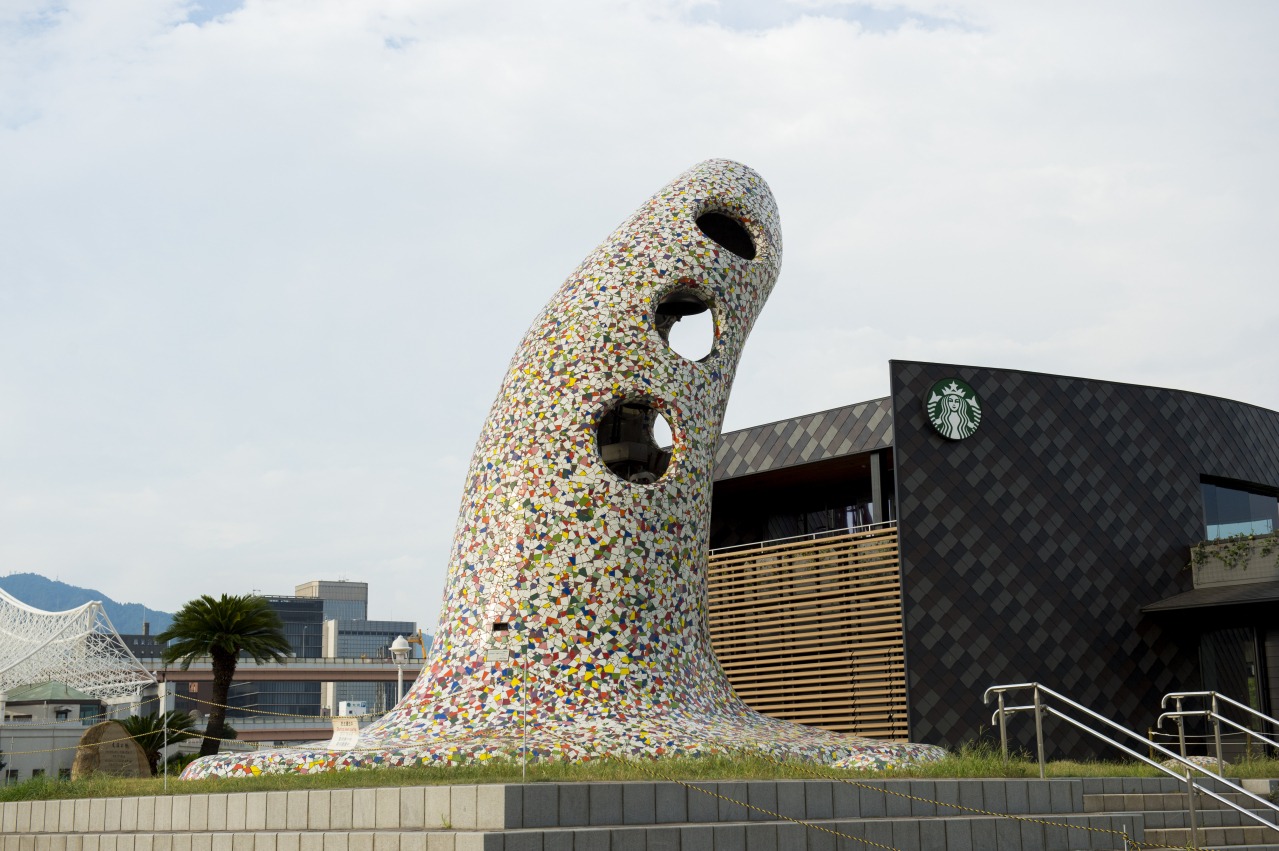
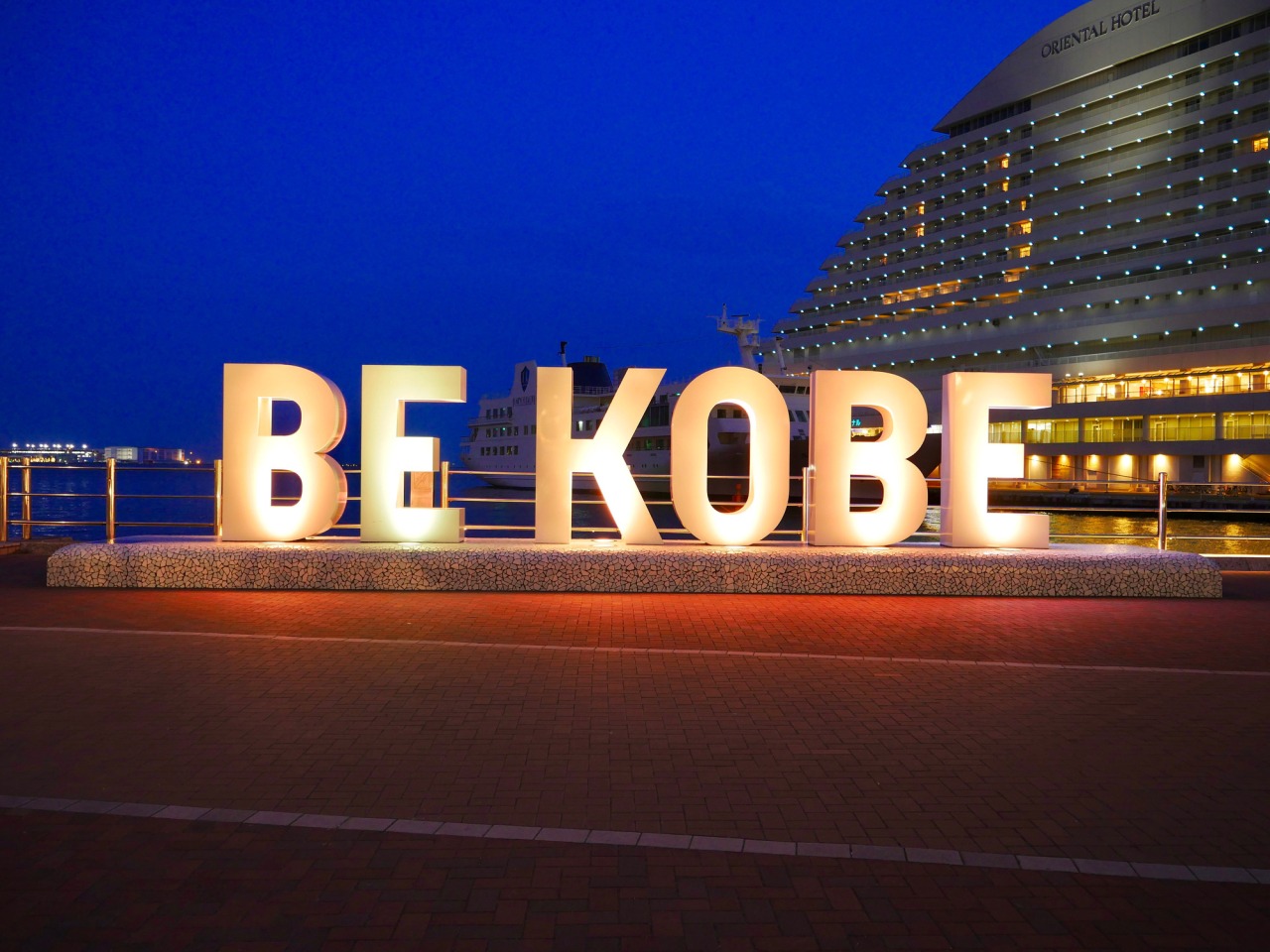
Within the park, the “BE KOBE” monument is a particularly popular photo spot. It is lit up at night, so you can make the most of a fantastical atmosphere that merges into the port’s nightscape. The wide lawn area is a great rest spot for enjoying a picnic or stroll. The largest Starbucks in western Japan is also located here, and we recommend spending some leisurely moments there as you gaze out at the sea.
Basic information
- Address
- 2 Hatoba-cho, Chuo-ku Kobe-shi
- Telephone Number
- 078-321-0085
Stay overnight in Kobe City
Kobe Information Center offers information about sightseeing in Kobe City and the municipal government involved in tourism, etc.
*As a general rule, this center only handles inquires
Basic information
- Address
- 神戸市中央区雲井通8丁目
Nofukuji Temple [Hyogo Daibutsu]
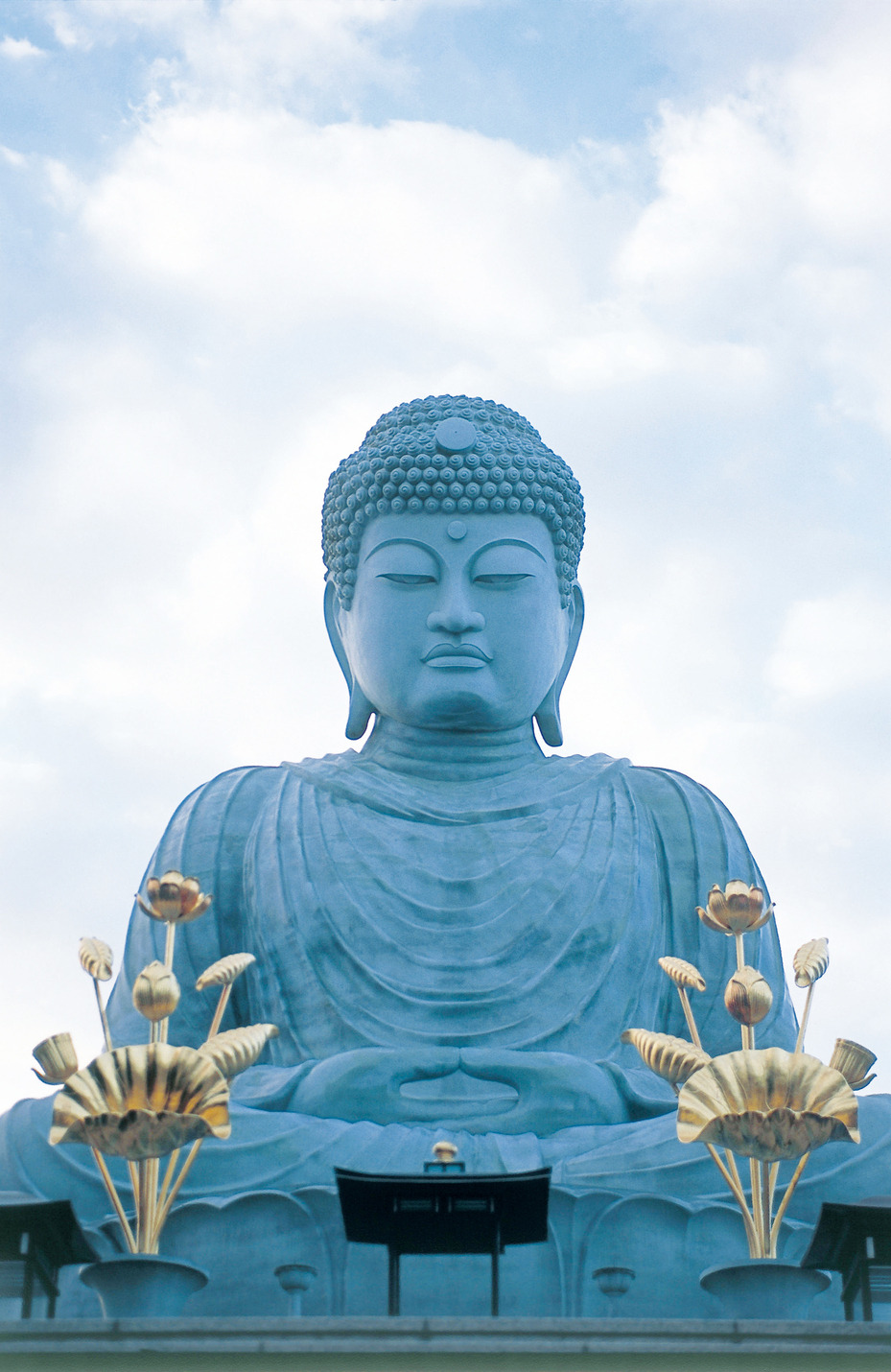
At 11 meters tall, the Hyogo Daibutsu is one of Japan’s three great Buddha statues, towering impressively against the blue sky. Its impactful presence alone seems to bring blessings to those who are paying their respects. The first great Buddha statue, built in the Meiji period (1868–1912), was given to be melted down for metal during wartime, so the current version is the second, rebuilt in 1991. Nofukuji Temple is an ancient temple of the Tendai school, and its grounds hold many historic remains, including a memorial for Taira no Kiyomori (a famous military leader and political figure of the 12th century) and a monument for Taki Zenzaburo, a retainer of Bizen who was ordered to commit ritual suicide after the Kobe Incident of 1868, in which there was a violent altercation between samurai of Bizen domain and residents of the foreign settlement.
Basic information
- Address
- 神戸市兵庫区北逆瀬川町1-39
Akashi Kaikyo Bridge・Maiko Marine Promenade
A suspension bridge that welcomes you with stunning scenery each time you cross
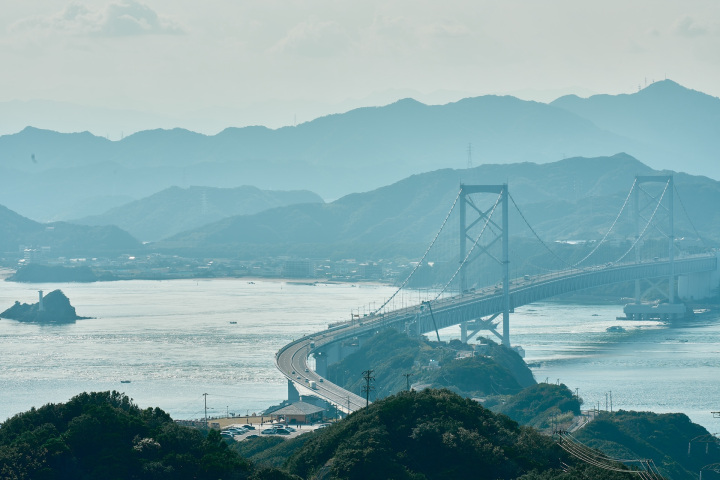
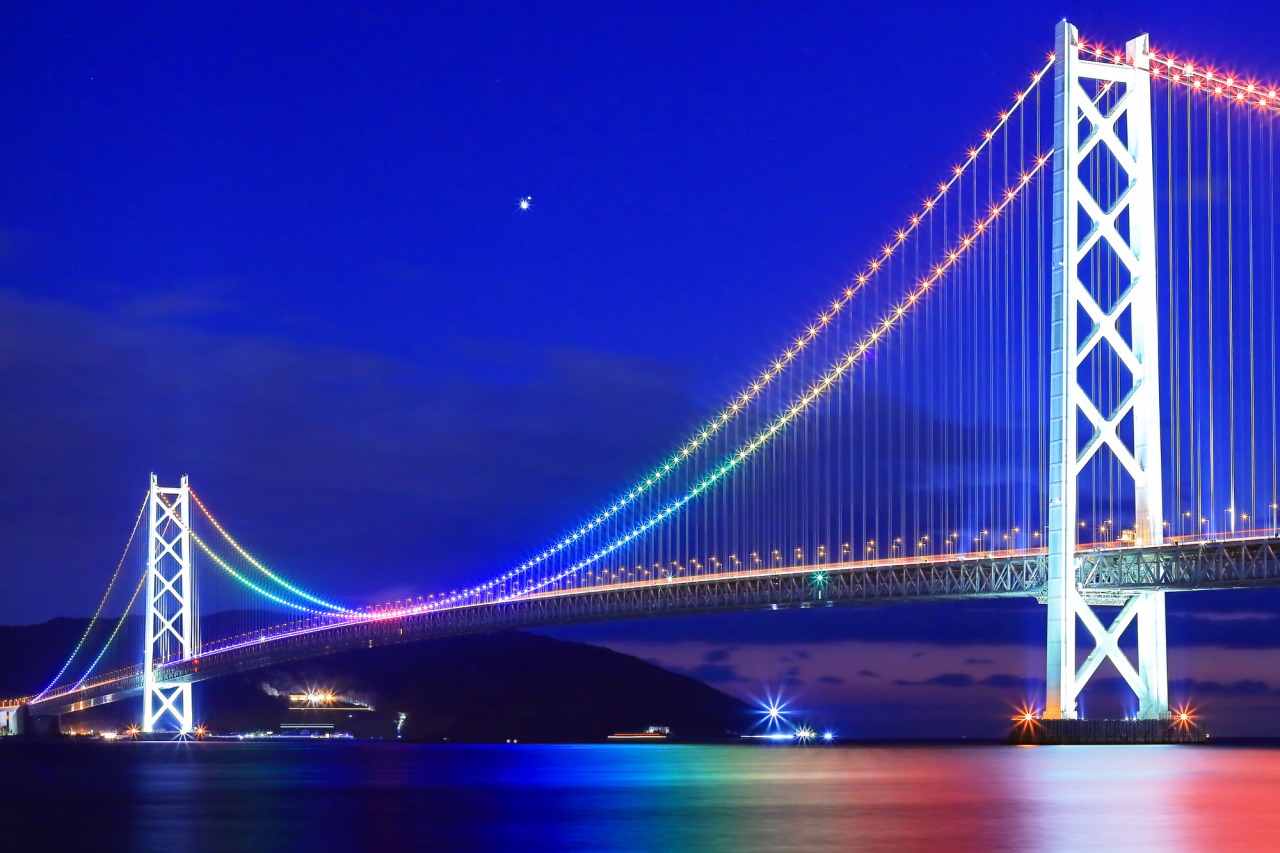
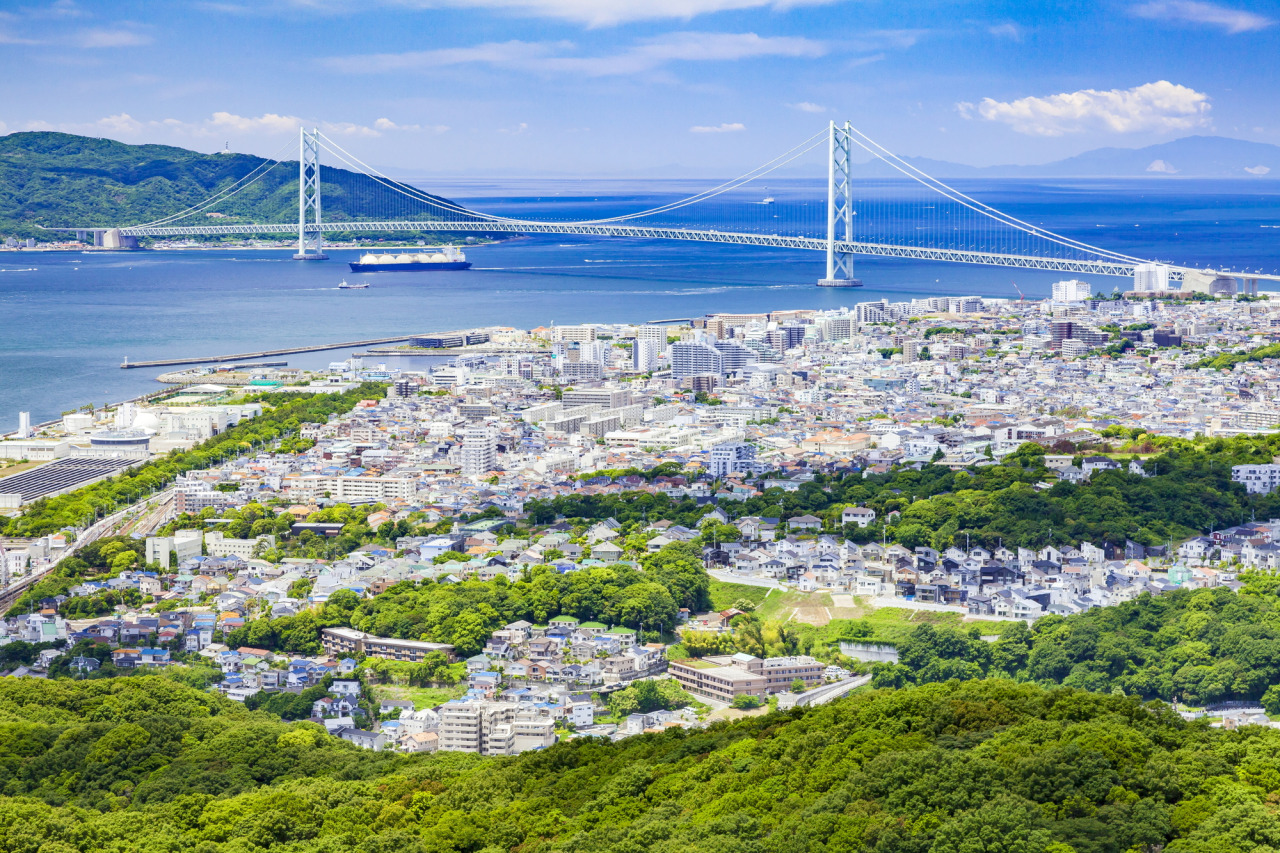
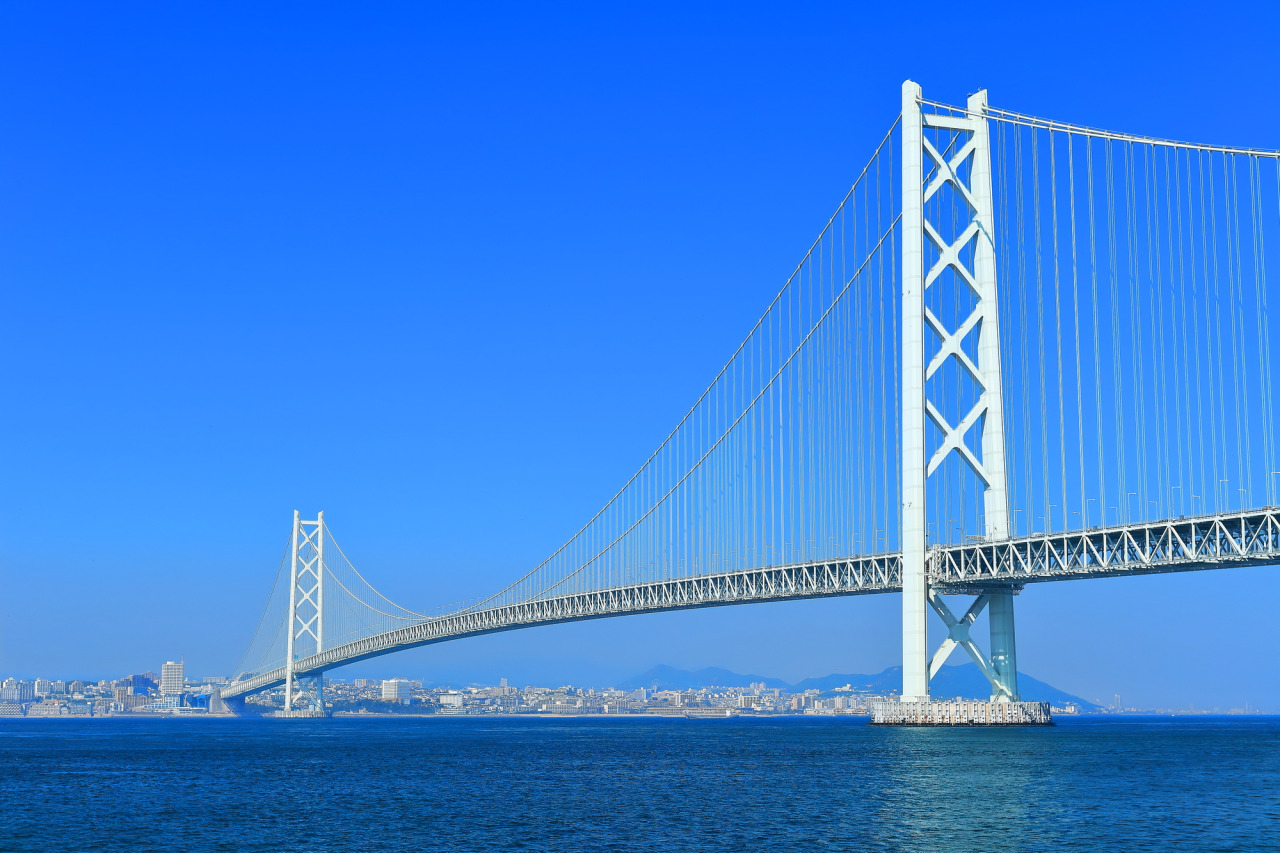
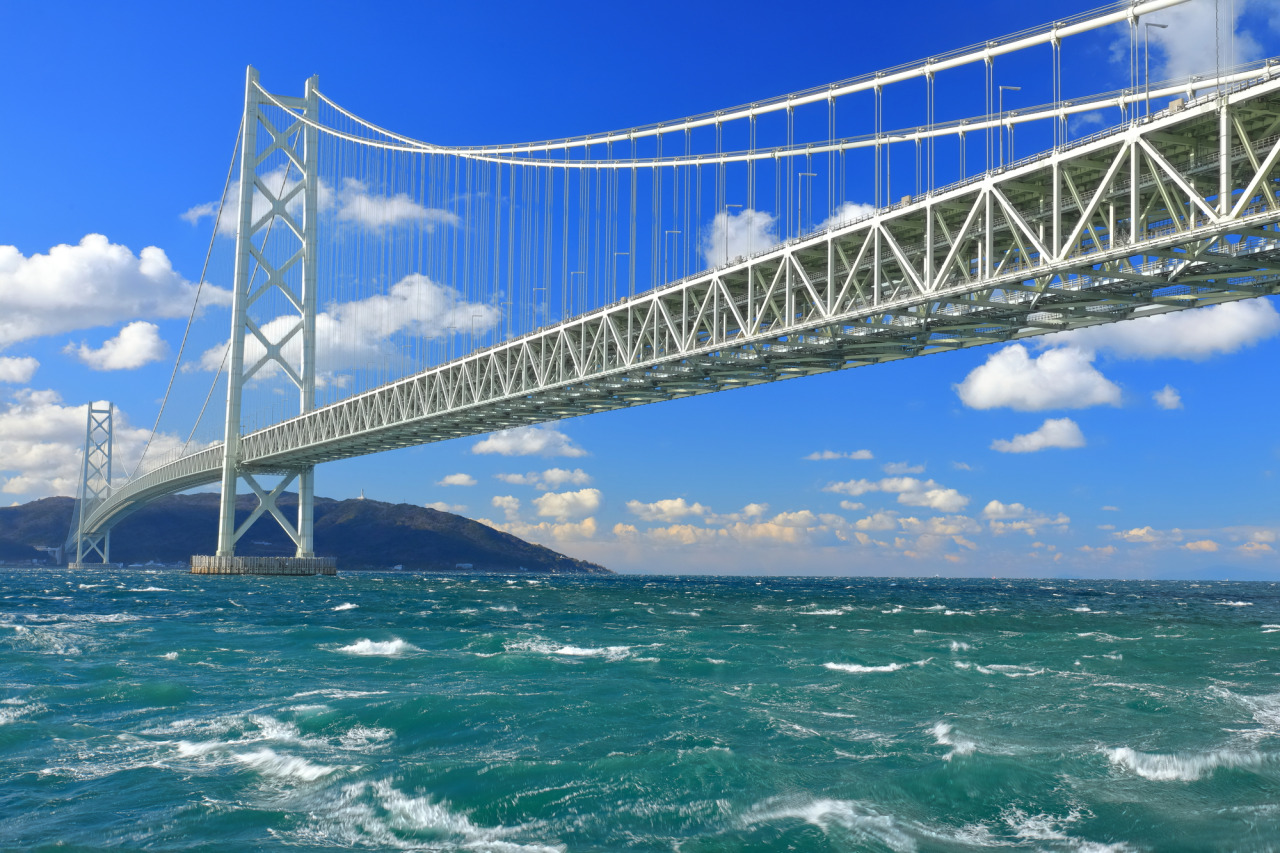
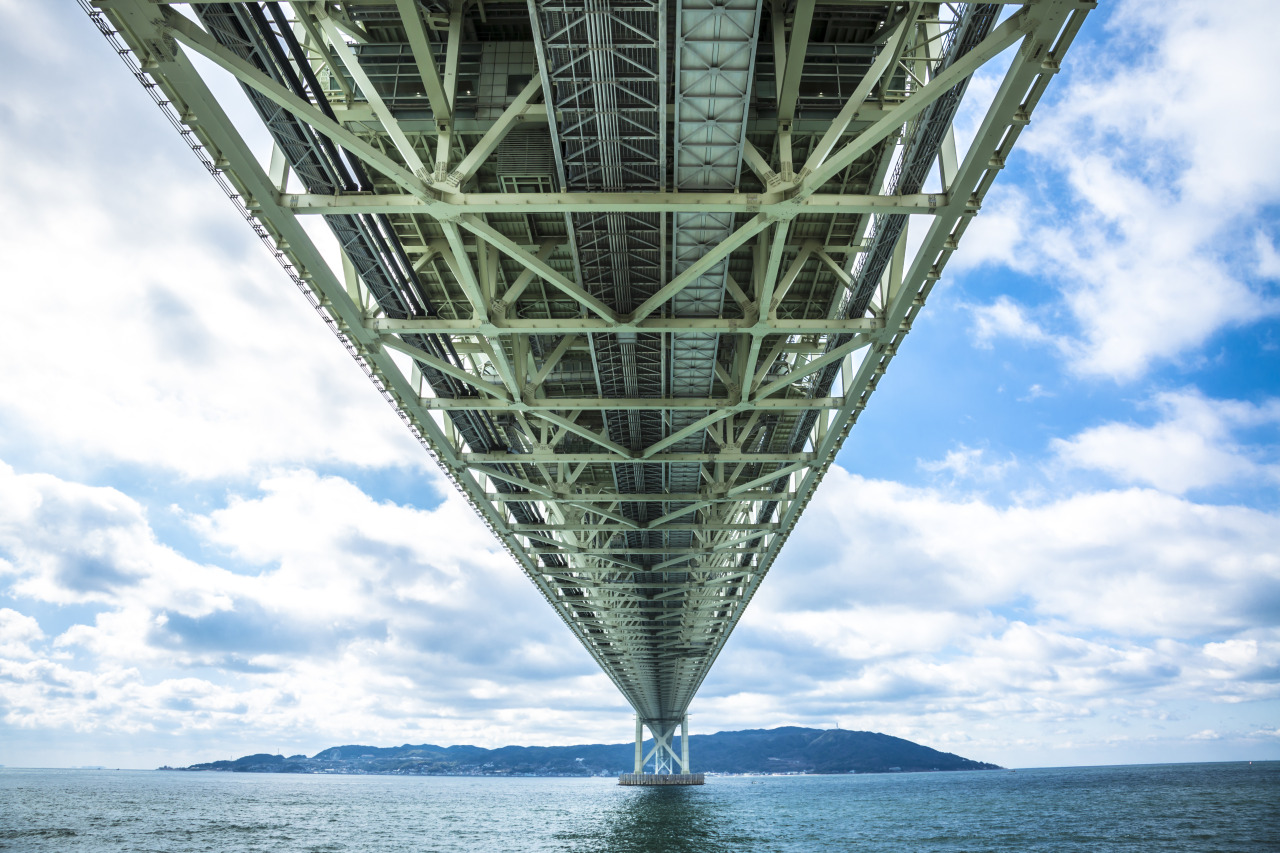
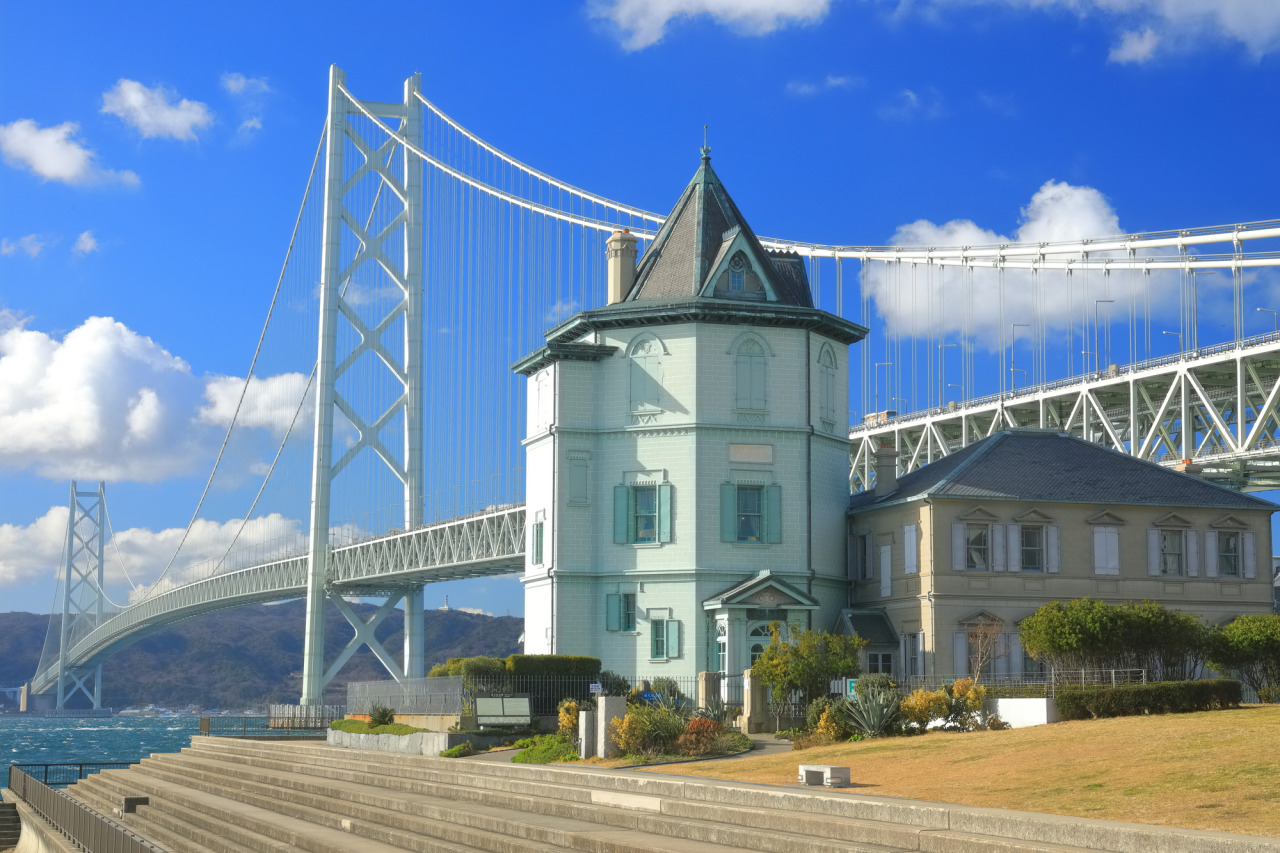
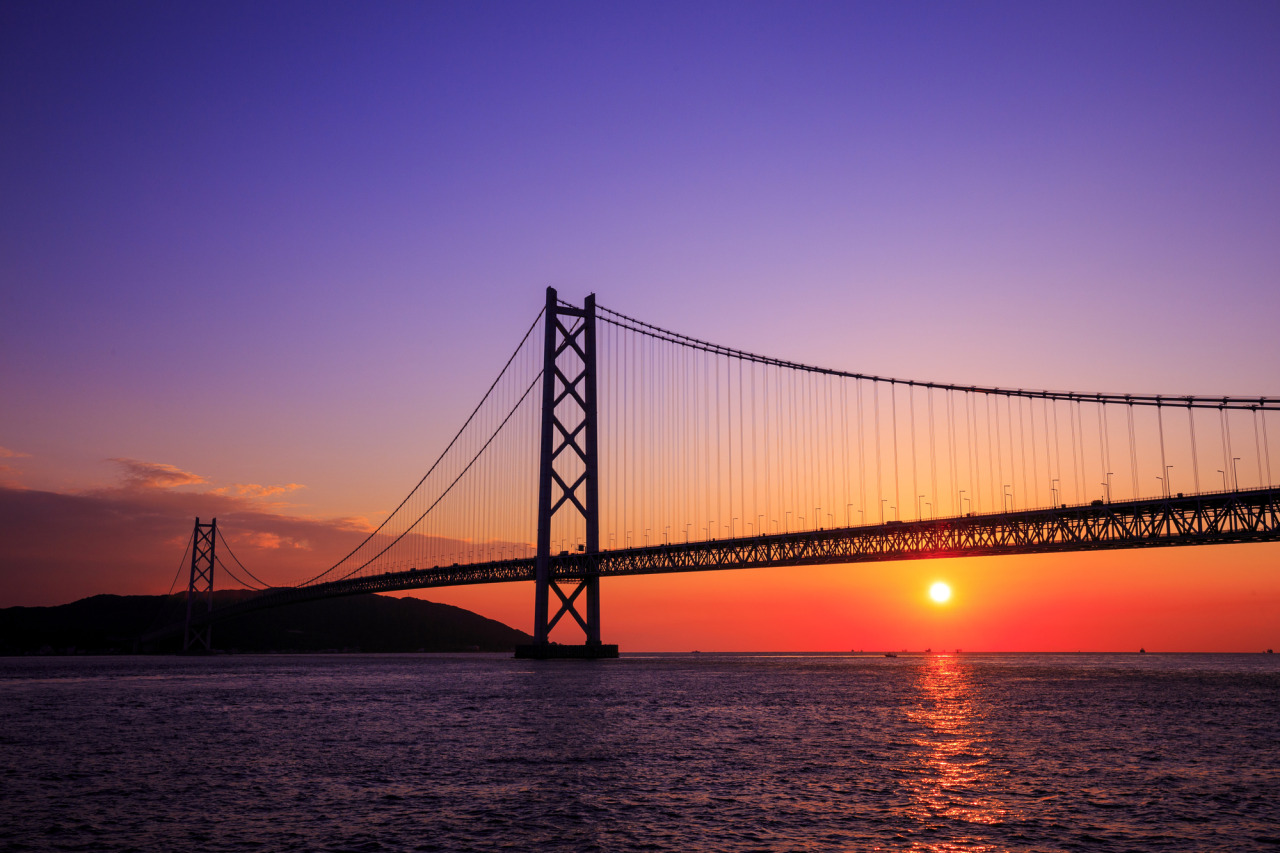
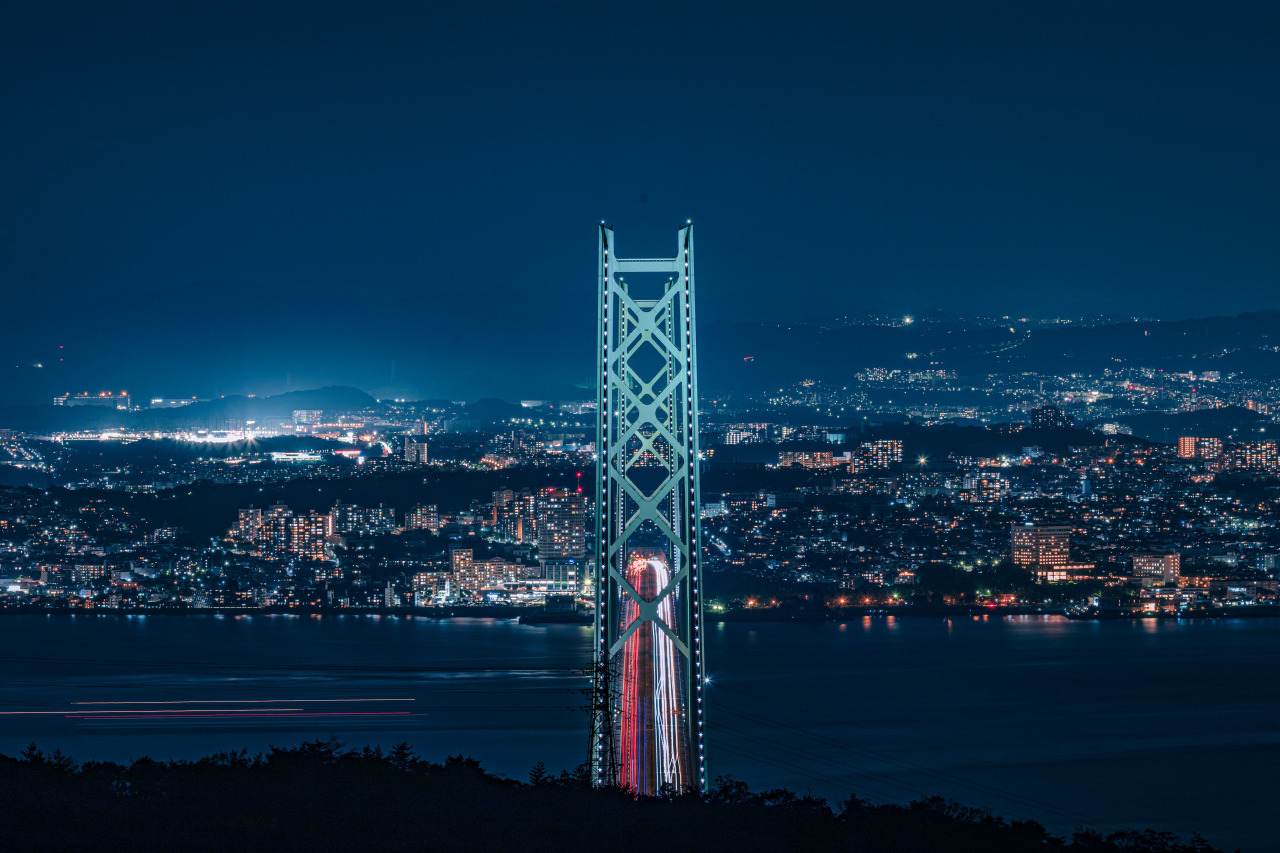
This is one of the world’s longest suspension bridges, connecting Awaji Island with Kobe. It is an impressive 3,911 meters in length, and while it serves as an important traffic route linking Honshu and Awaji Island, it also has a distinct presence as a tourist spot that fascinates visitors.
The whole bridge is illuminated at night, creating a magical form totally different from the daytime. Different lighting is used in each season and for events, making it a great place to enjoy a romantic atmosphere.
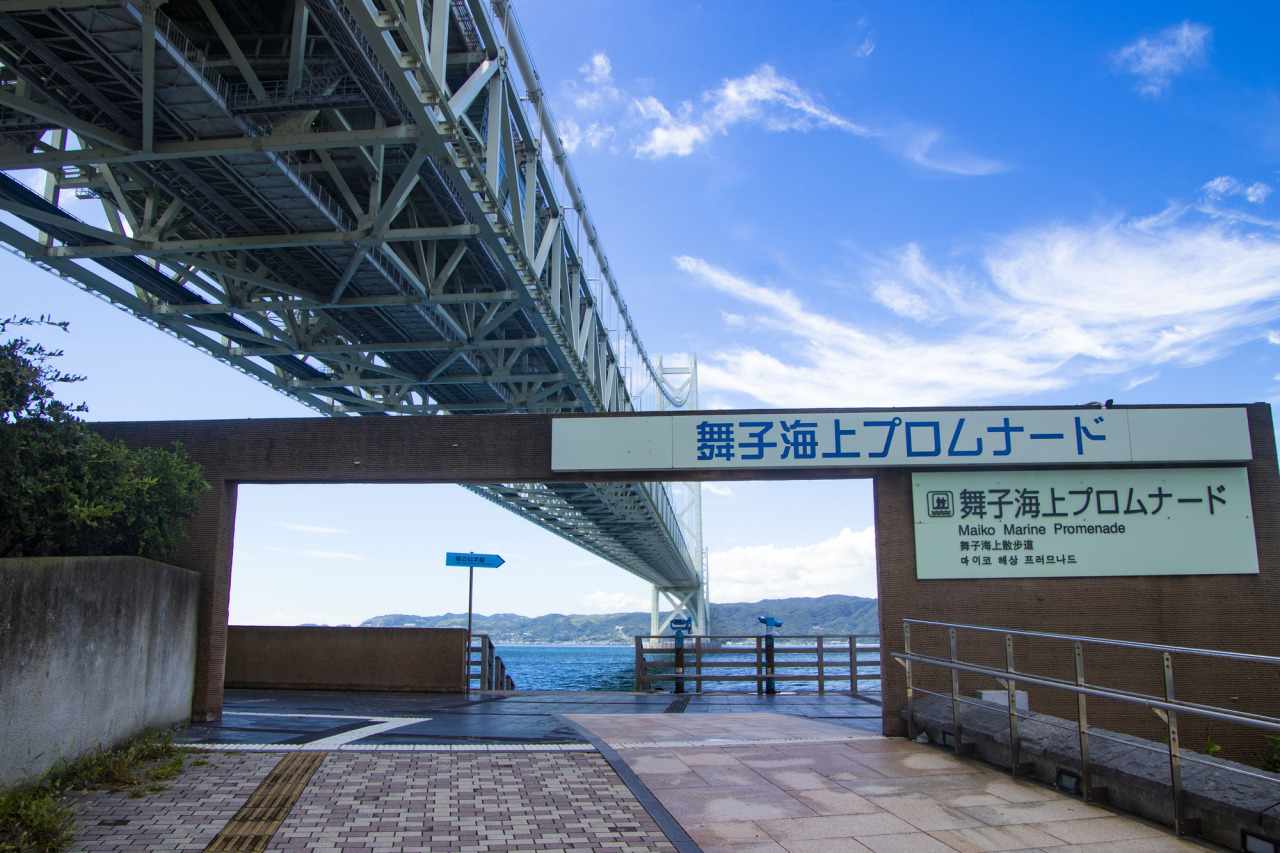
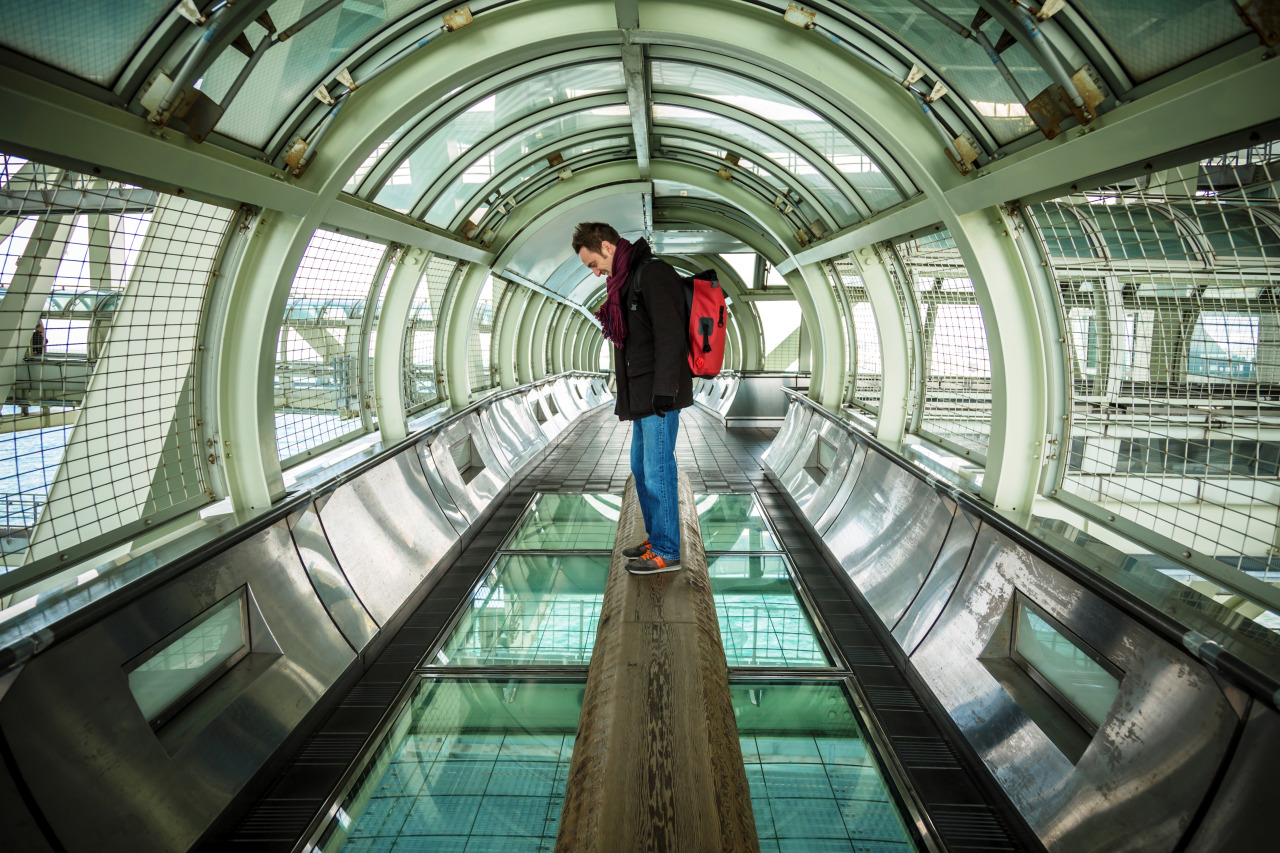
Maiko Marine Promenade on the Kobe side of the bridge is a round-trip walkway approximately 47 meters above the sea and around 150 meters from the land. The great bridge pier, towering over Maiko Park, serves as the entrance, and this promenade offers a thrilling experience of walking through the air, seeing the expanse of sea directly below through the glass floor. The facility also holds a cafe where you can relax and enjoy the scenery and an exhibition of materials that explain the construction of the bridge in a way that is easy to understand.
If you want an even more special experience, we recommend Akashi Kaikyo Bridge’s Bridge World. This tour takes you on a walk along the normally inaccessible maintenance routes and you can climb to the very top of the bridge. From 300 meters above the sea, you can see the ships sailing through the Akashi Strait and the streets stretching out in the distance. This tour, which enables you to experience the massive scale of Akashi Kaikyo Bridge for yourself, will surely leave you with unforgettable memories.
Basic information
- Address
- Higashimaiko-cho, Tarumi-ku Kobe-shi
- Telephone Number
- 078-291-1033
- Opening times
- [Akashi Kaikyo Bridge] Accessible 24 hours a day [Maiko Marine Promenade] [Year-round] 09:00–18:00 (last entry 17:30) [Golden Week/summer vacation] 09:00–19:00 (last entry 18:30)
- Closures
- [Maiko Marine Promenade] [April to September] None [October to March] Second Monday of the month (the following day if Monday is a public holiday) December 29–31
Sumoto Retro Komichi
Sumoto Retro Komichi is a small shopping street in Sumoto City on Awaji Island, Hyogo, made up of a collection of shops in traditional townhouses and vacant houses along a narrow street. You’ll find art galleries and retro restaurants dotted around this nostalgic townscape that still stands in Sumoto, a former castle town. Try taking a leisurely stroll around the shops, overflowing with individual character!
Basic information
- Address
- 洲本市本町6丁目1−37 洲本レトロこみち
[Accommodation] Sumoto Onsen (evening meal: three-year-old tiger pufferfish (torafugu))
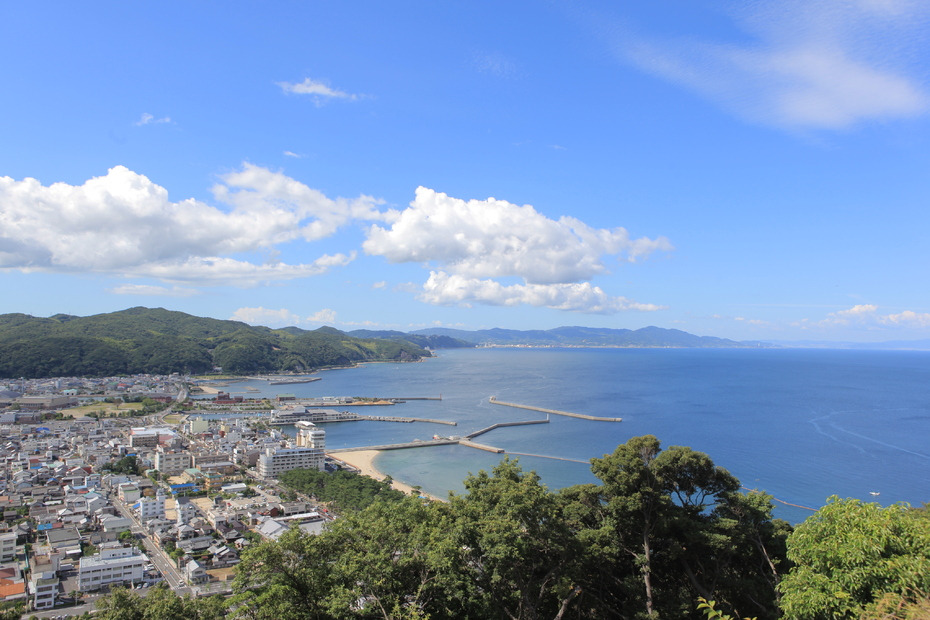
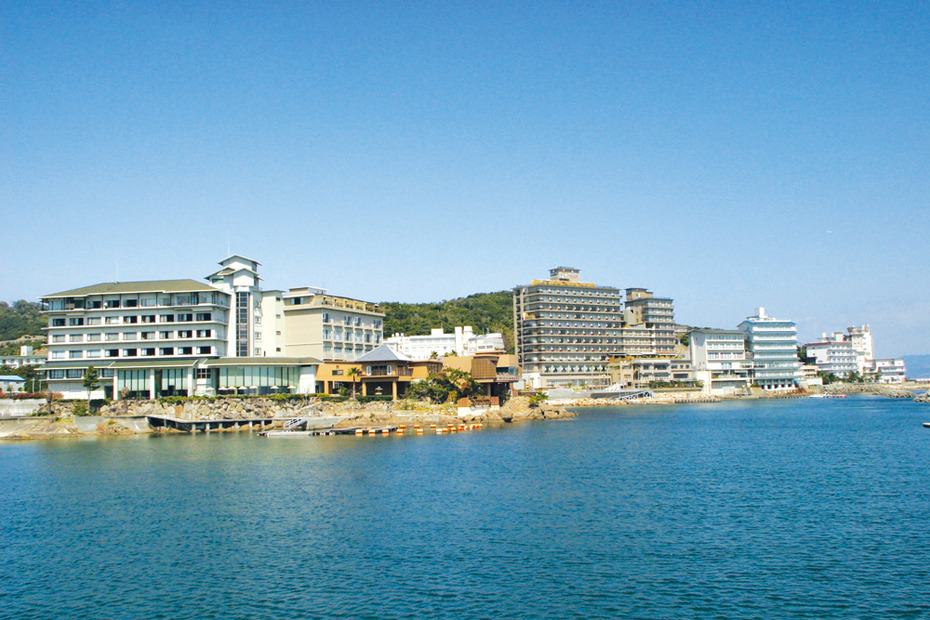
You’ll find Awaji Island’s largest hot spring resort among the streets of Sumoto City, which once flourished as a castle town. Numerous well-established, high-class ryokan inns line the coast, attracting guests with their outdoor baths boasting ocean views. Recently, the area has seen the opening of the high-quality Uruoi no Yu.
Basic information
- Address
- 兵庫県洲本市山手 大浜海岸・古茂江海岸ほか
Uzushio Cruise
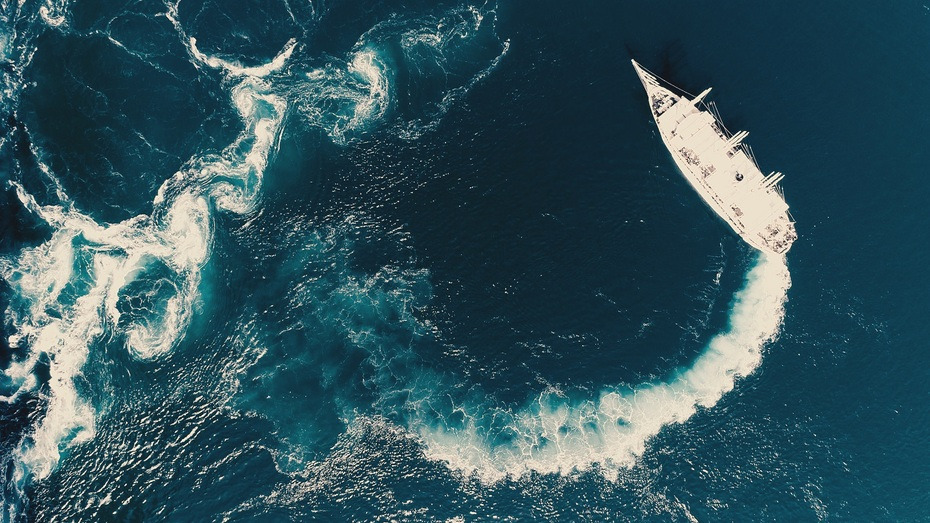
The Kanrin Maru is a reproduction of Japan’s first steam ship, which crossed the Pacific Ocean to America. Board this ship to experience an Uzushio Cruise, setting sail from Fukura Port on Awaji Island and passing the whirlpools of the Naruto Strait so you can see them up close. Many people have found themselves captivated by this fantastic spectacle.
Basic information
- Address
- 南あわじ市福良甲 うずしおドームなないろ館
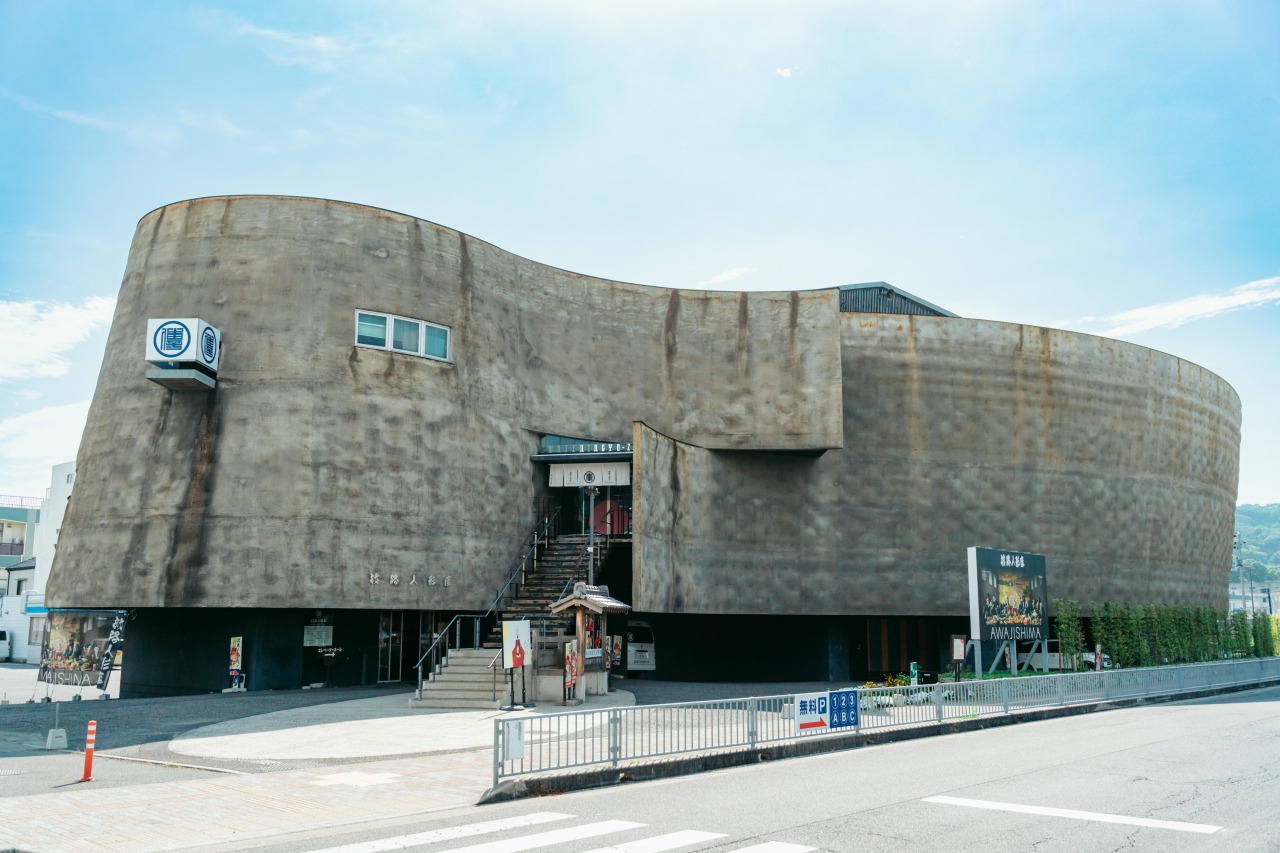
Awaji Puppet Theater
Breathtaking puppets with souls: Enter Awaji Island's vaunted world of traditional performance, with 400 years of history
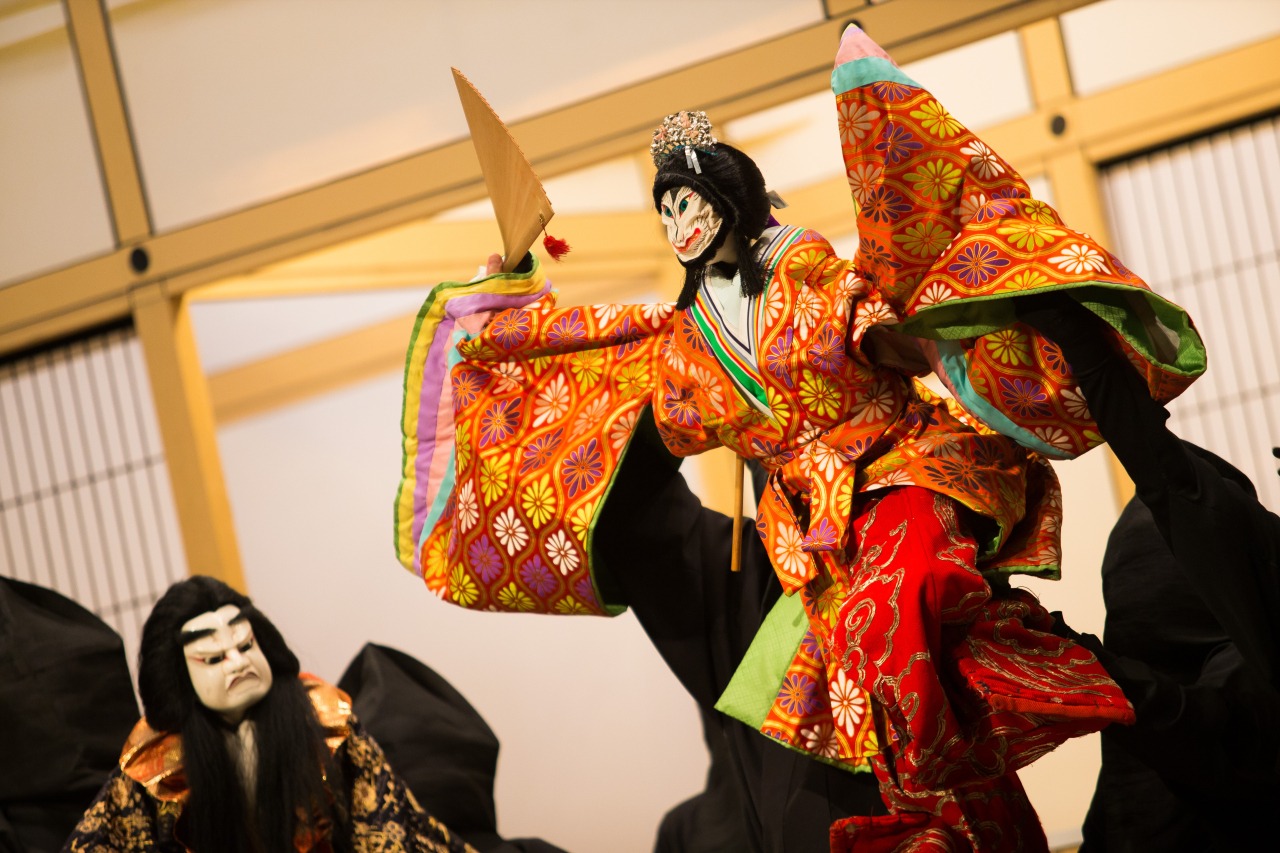
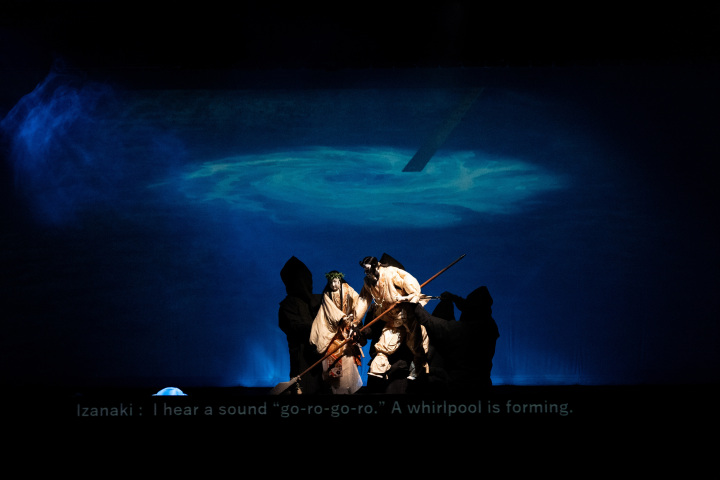
Awaji Ningyo Joruri puppet theater, designated as a nationally important intangible folk cultural property, is one of Japan’s vaunted performing arts.
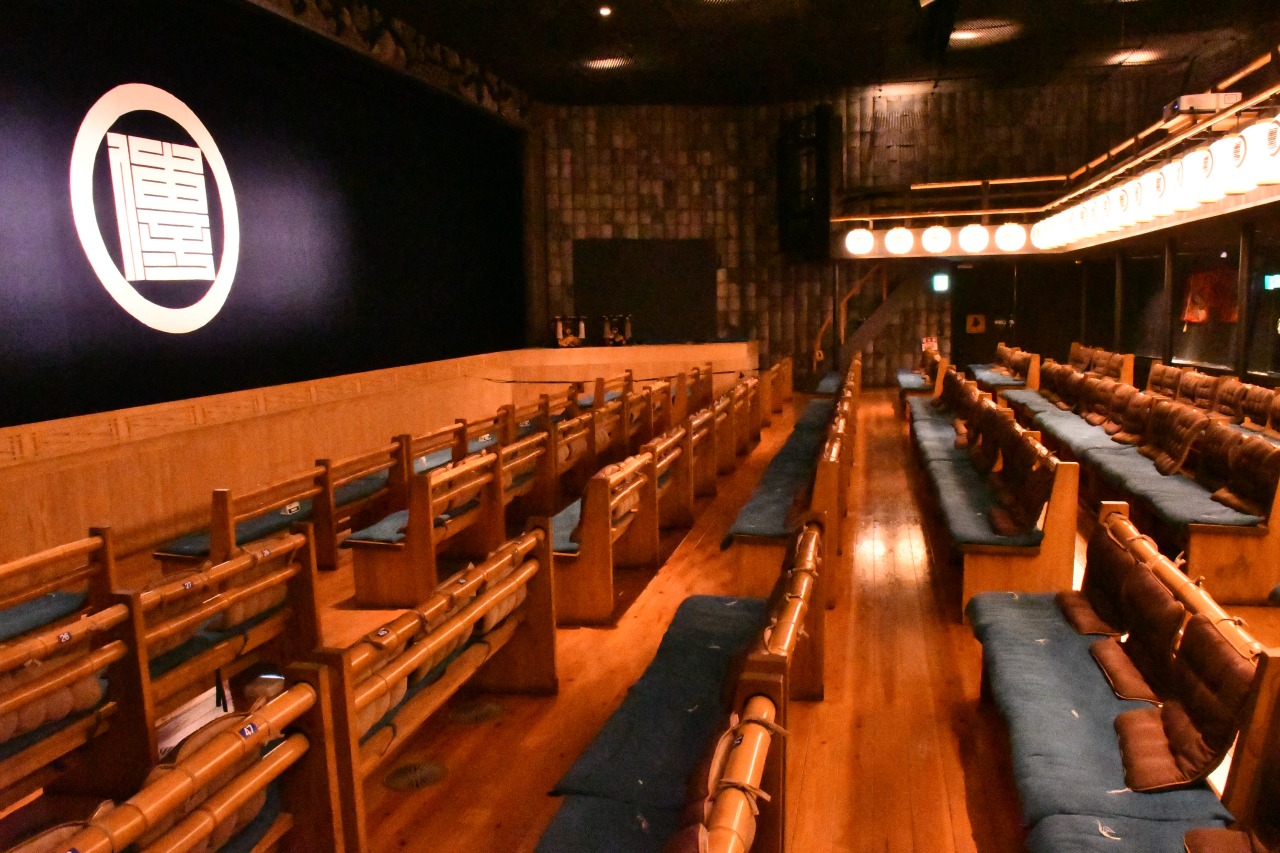
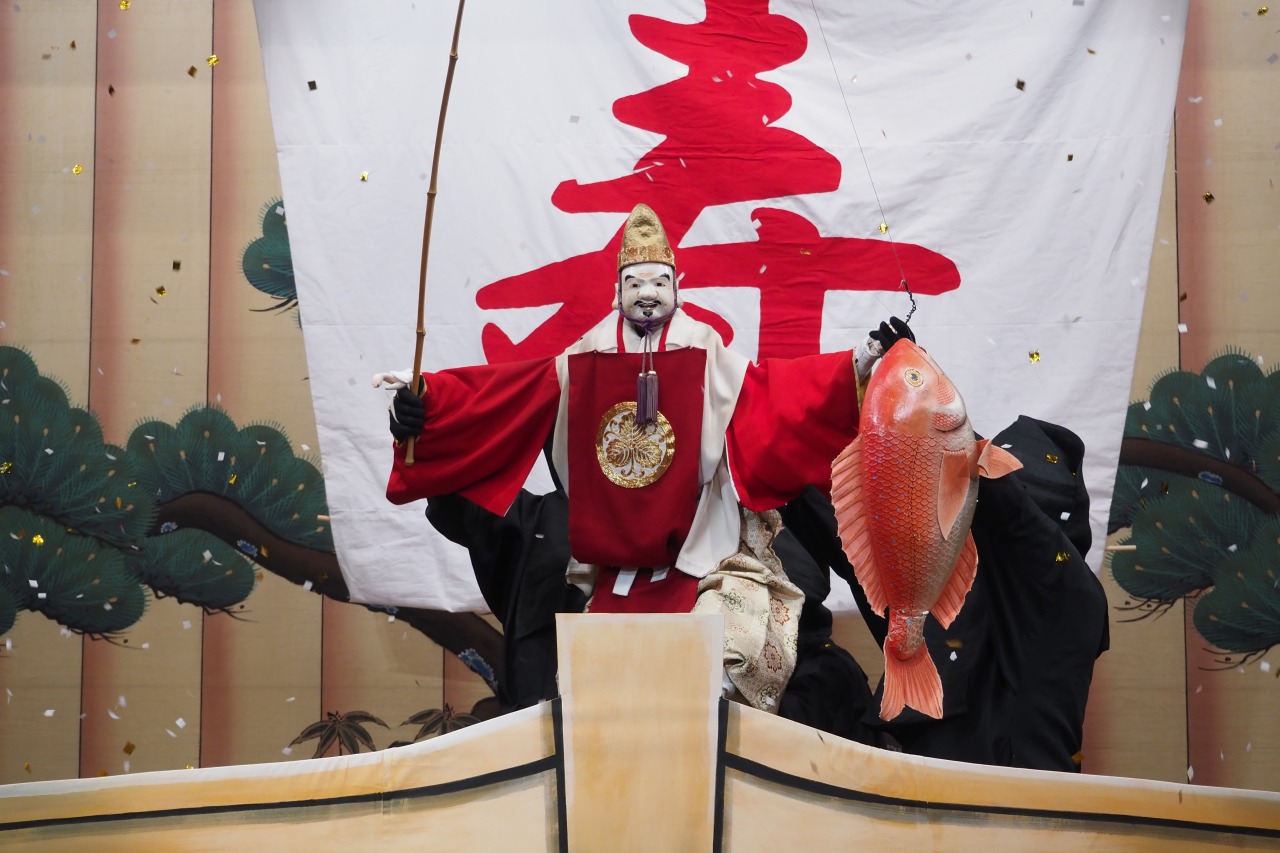
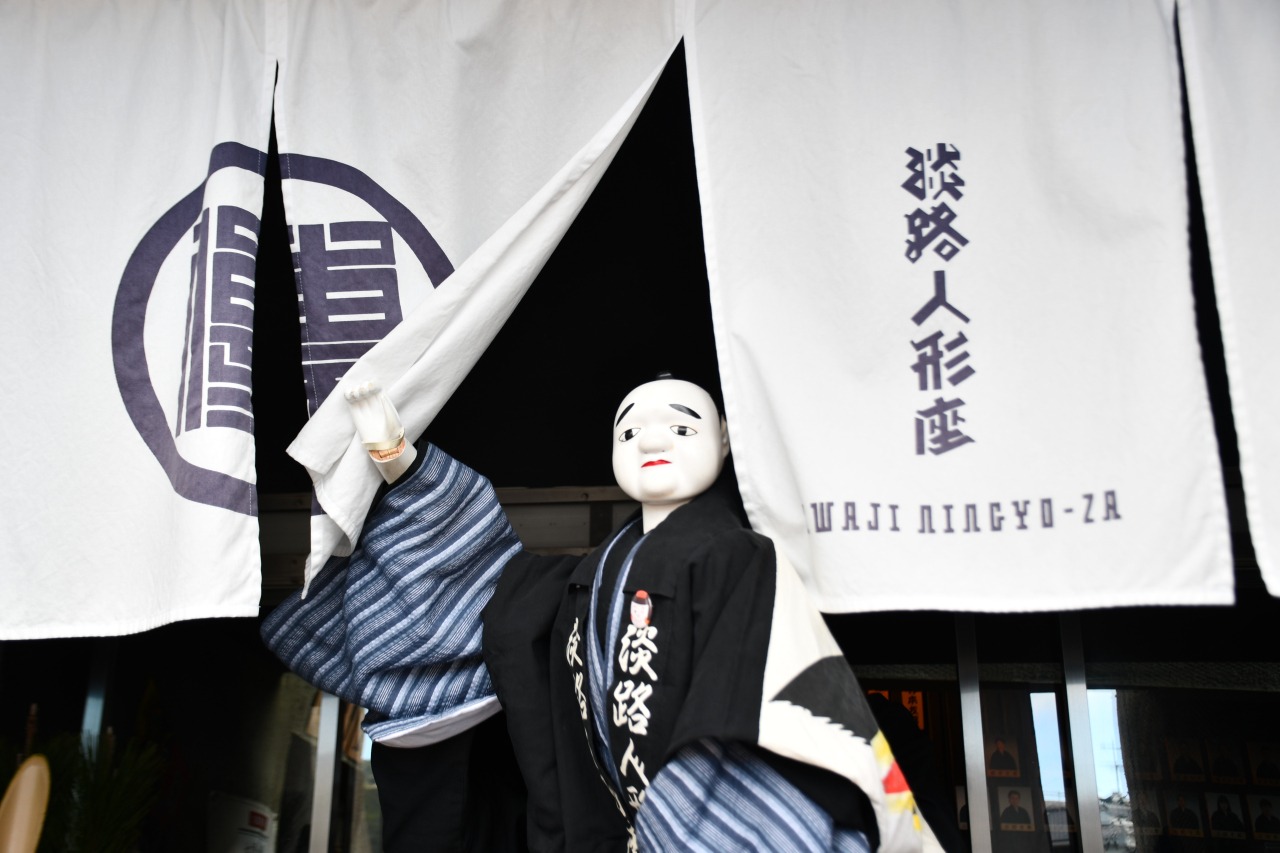
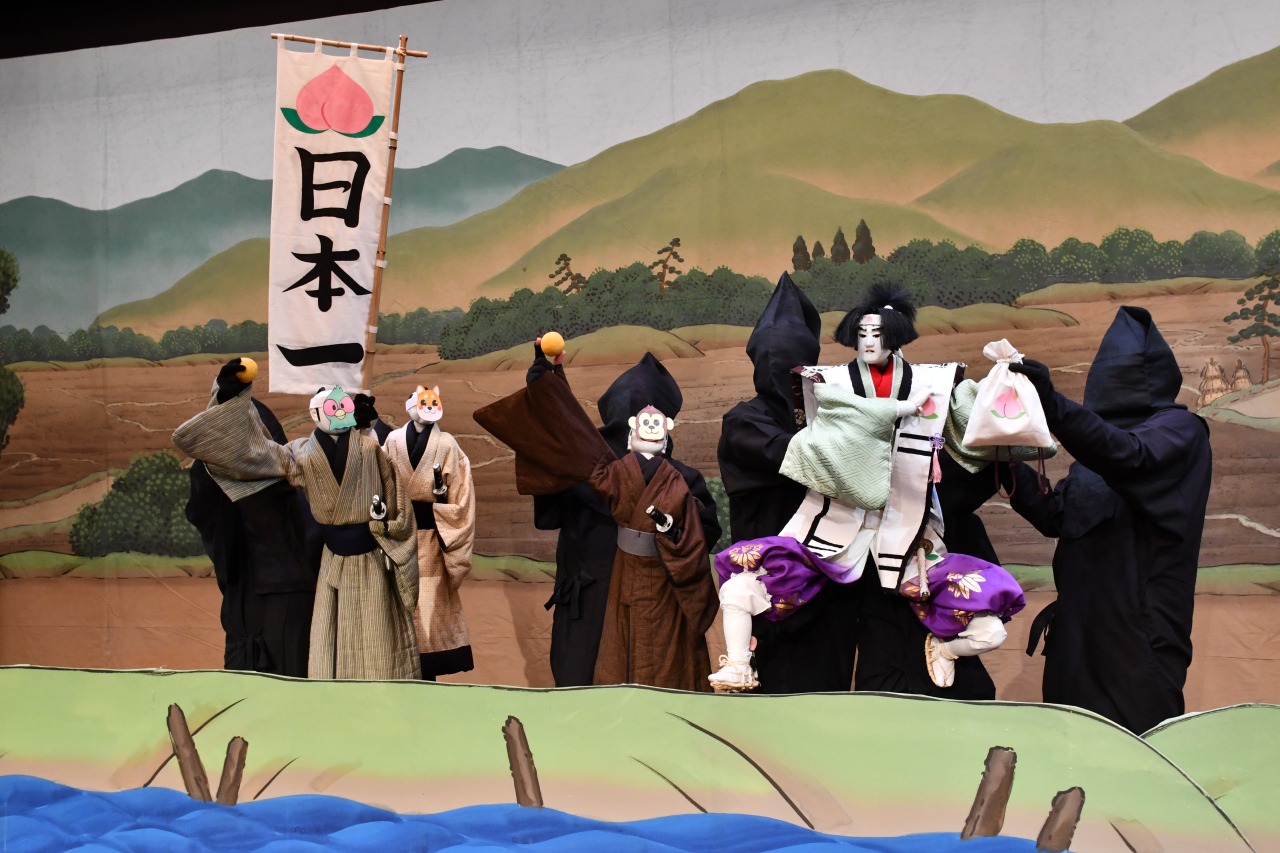
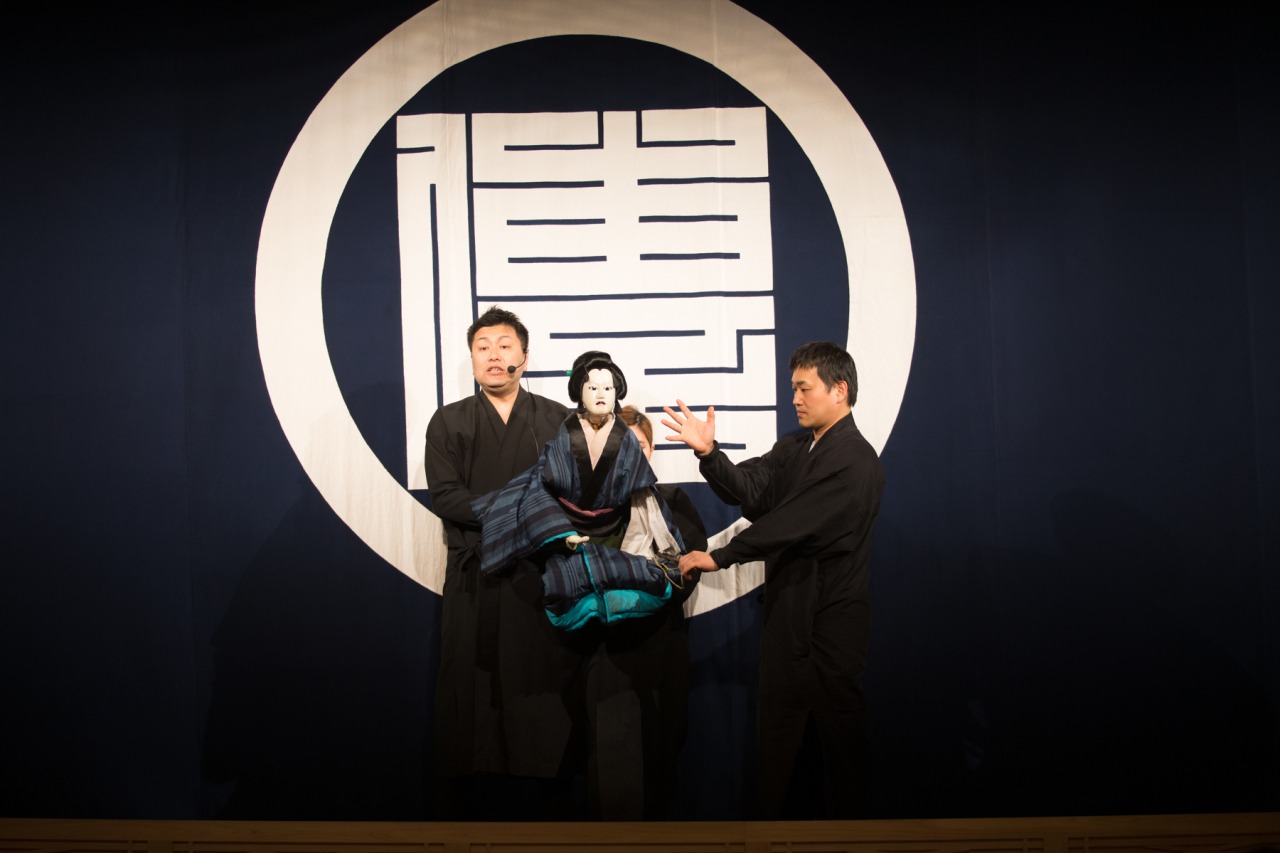
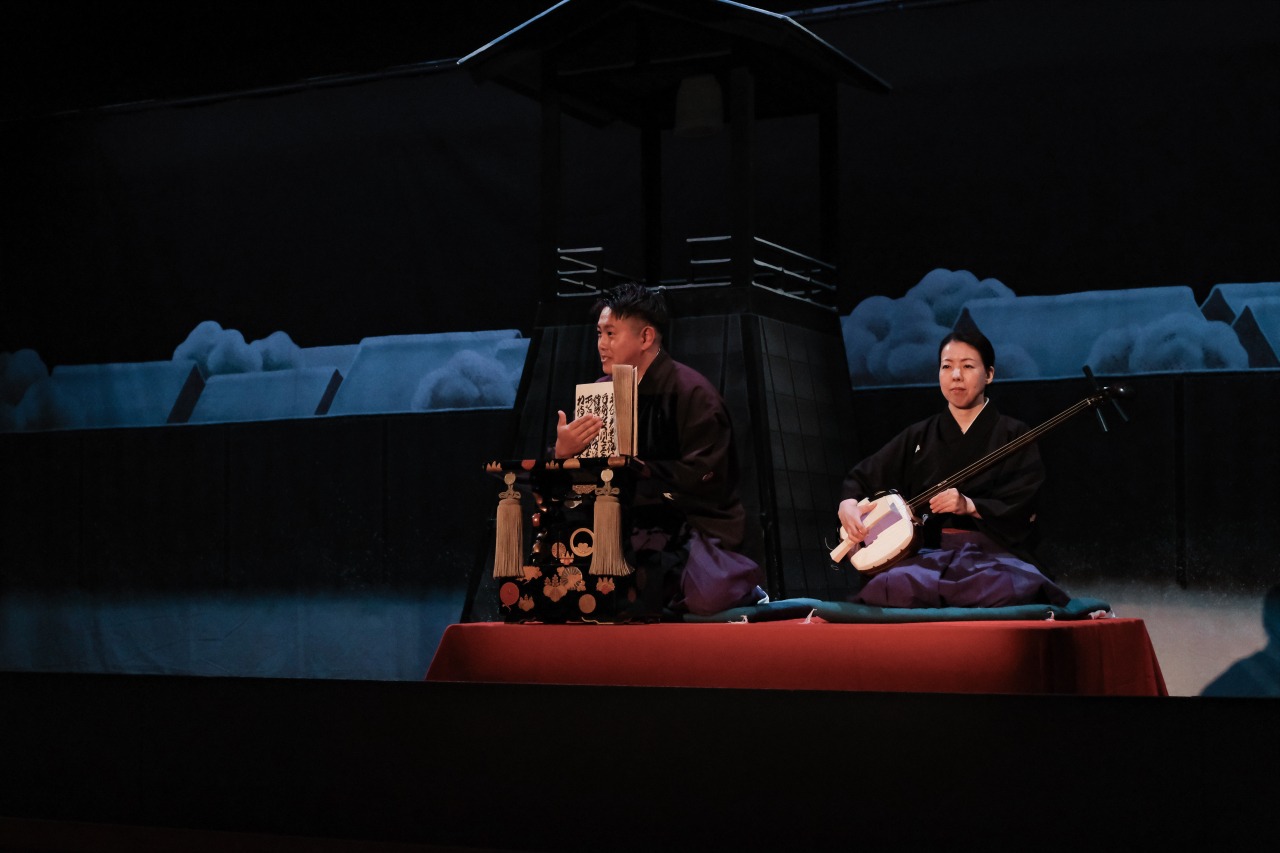
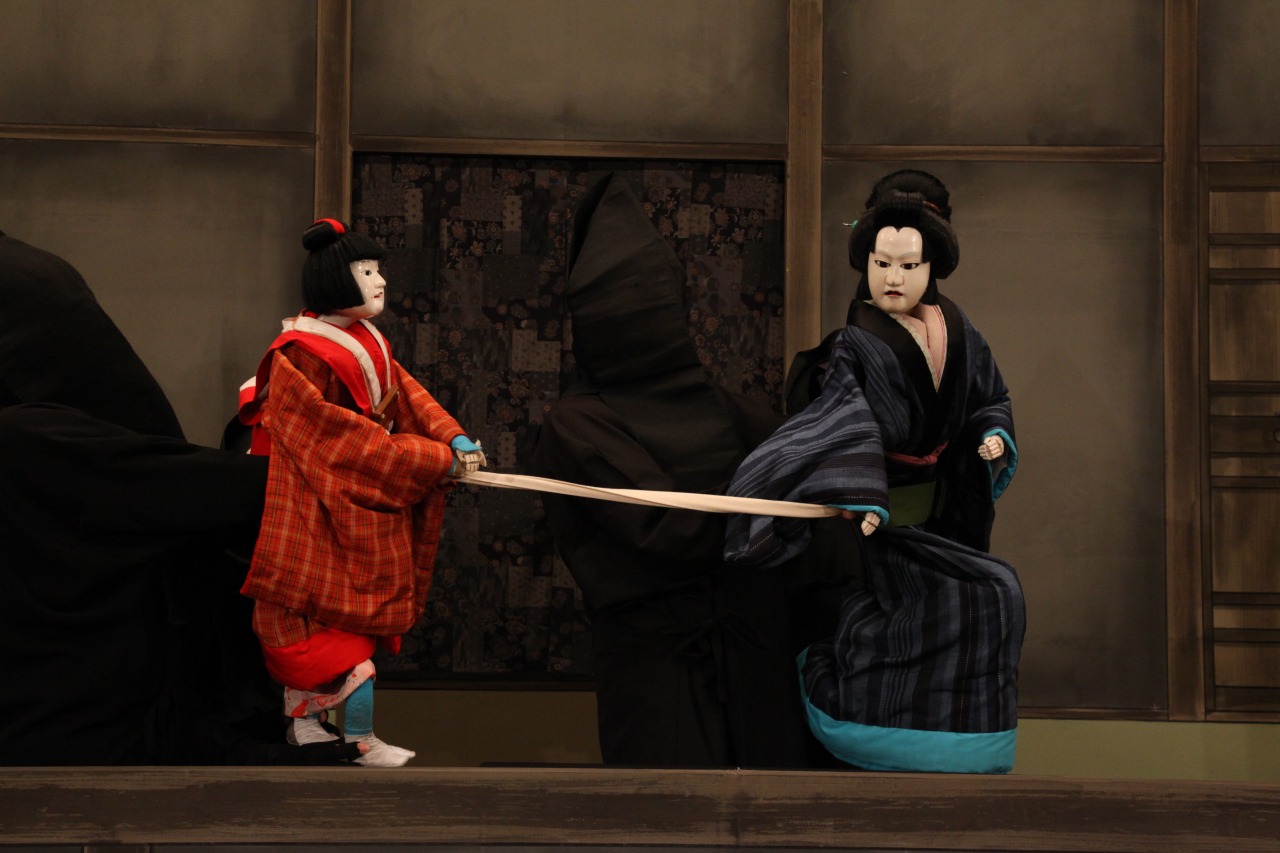
The Awaji Puppet Theater has passed down this tradition since the Edo period (1603–1868), keeping its torch burning until the present day. The ningyo-tsukai puppeteers who manipulate the puppets, the tayu who narrate the story, and the shamisen players come together to create this art. They spin a story on the stage, seeming to breathe life into the puppets and offering an unforgettable experience.
The Ningyo Joruri passed down on Awaji Island evolved in a unique way, slightly different to the bunraku puppet theater of Osaka.
First, you may be surprised to learn that these puppets are a size larger than those of bunraku, with a heavy sense of presence. This is a remnant of the ingenuity of the creators, who were ensuring that even the far-away audience members sitting in the wide open air could see clearly in an era without electricity.
The very flashy performances that grab the attention of the audience are also a point of note. With techniques such as ningyo no hayagawari, a very quick change of costume on the stage, and odogu-gaeshi, a complete change of setting, Ningyo Joruri puppet theater is filled with magic tricks! The passion of the people of the past has been passed to the present.
And it is the existence of practitioners, regardless of gender, who support this tradition. Women also play important roles in Awaji Ningyo Joruri, and the local people have come together to preserve and cultivate this art.
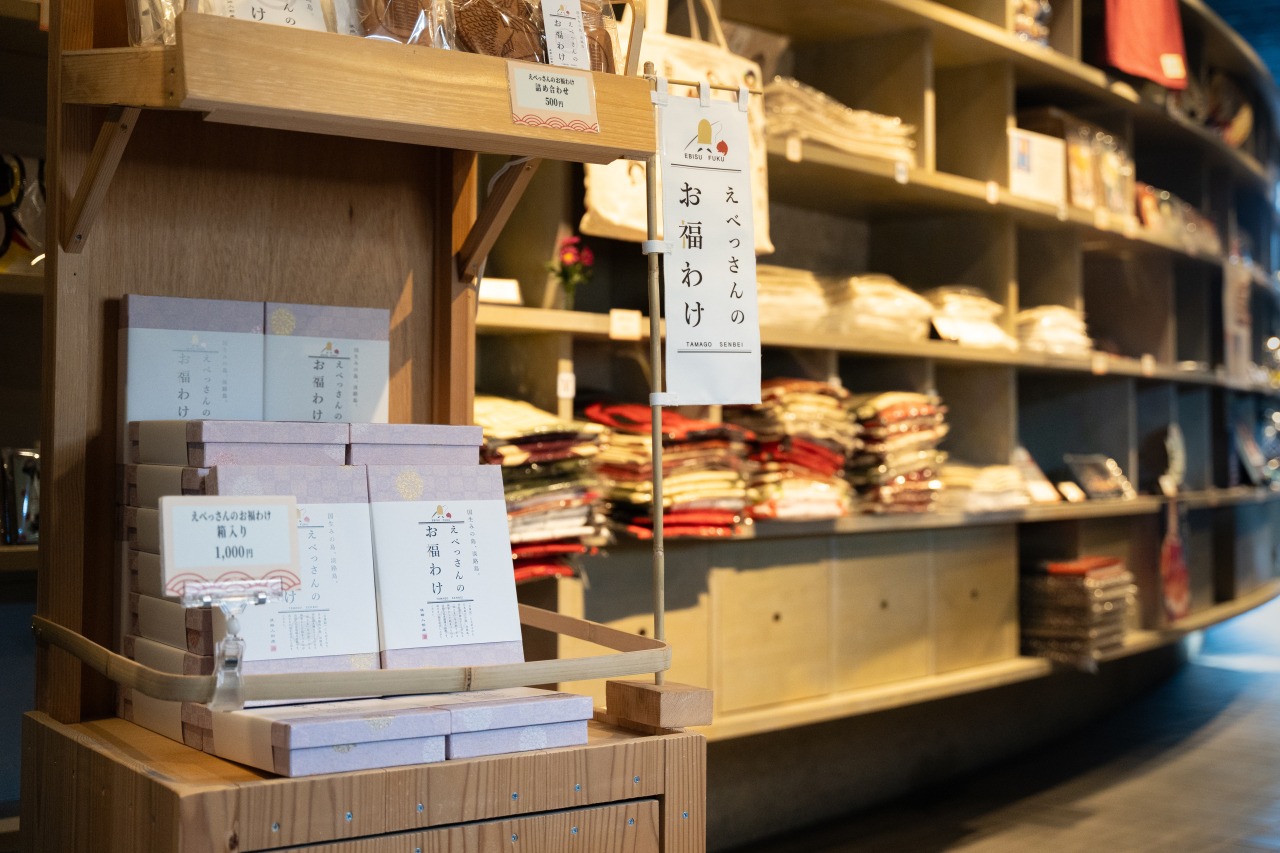
After immersing yourself in a performance at the Awaji Puppet Theater, make sure you drop into the shop and look for an item that will become the perfect memory of your trip, such as exclusive original Denjiro Konfeito candy and Ebessan no Ofukuwake egg senbei.
Basic information
- Address
- 1528-1 Fukurako Minamiawaji-shi
- Telephone Number
- 0799-52-0260
- Opening times
- 9:00–17:00
- Closures
- Wednesdays (open if Wednesday is a public holiday, to be closed the following day), December 31–January 1 *See the official website for information about other temporary closures.
Fukura Marche
“The delicious dishes of Awaji Island, all in one place!”
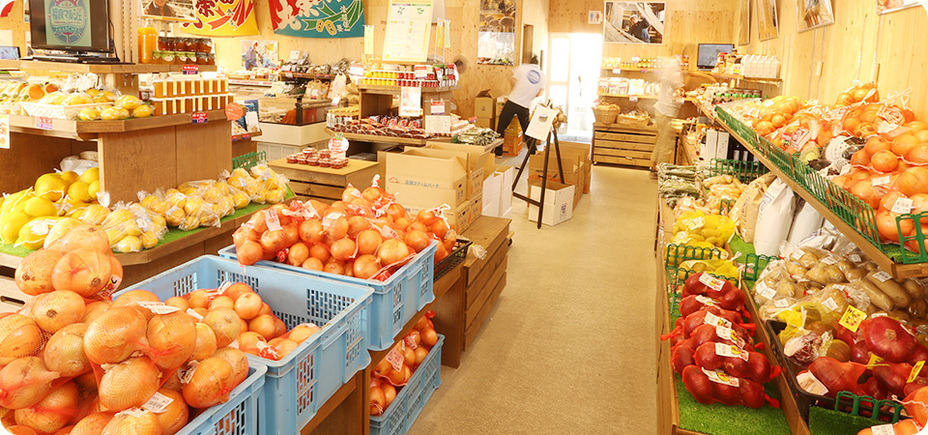
The Marche brings together ingredients from Awaji Island, a famed treasure trove of food. It offers abundant agricultural produce—including locally grown onions—seafood, and processed items.
Basic information
- Address
- あわじ市福良甲1530-2
![[Awaji] Zen Wellness and Traditional/Cultural Inheritance Journey : Appreciation of Folk Performing Arts and Hyogo’s Food Culture](/lsc/upfile/course/0000/0102/102_1_m.webp)
![[Tajima] Walking tour of Yumura Onsen town, with beauty hot springs and taste rich nature and local food](/lsc/upfile/course/0000/0099/99_1_m.webp)