Where City Meets Nature: A Gentle Introduction to Hyogo Prefecture
Where City Meets Nature: A Gentle Introduction to Hyogo Prefecture
After living in Japan for several years, I still can’t believe I’d never actually visited Hyogo prefecture. Of course, I’d stopped at Kobe Station for work and walked around a little, but I never really had the chance to “see the sights,” as they say.
That finally changed when I recently spent a full day exploring Hyogo, visiting lots of fun and interesting places that I’m really excited to share with you now!
A Perfect Start: Coffee, Conversation, and an Easy Morning
The day began quietly at a small cafe “greenery” just a few minutes’ walk from the station in Kobe. It was easy to get to, but what stayed with me most was the atmosphere—warm, relaxed, and genuinely friendly.
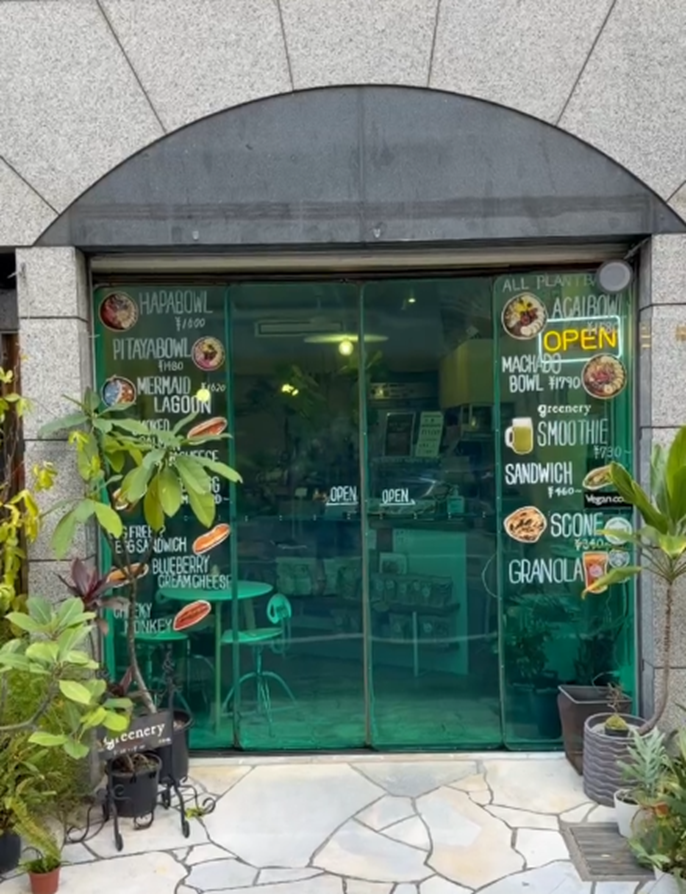
I tried both a veggie ham sandwich and a “salmon” sandwich. Both were excellent.
The “salmon,” made from thinly sliced carrots, was so well done that I wouldn’t have guessed if I hadn’t been told.
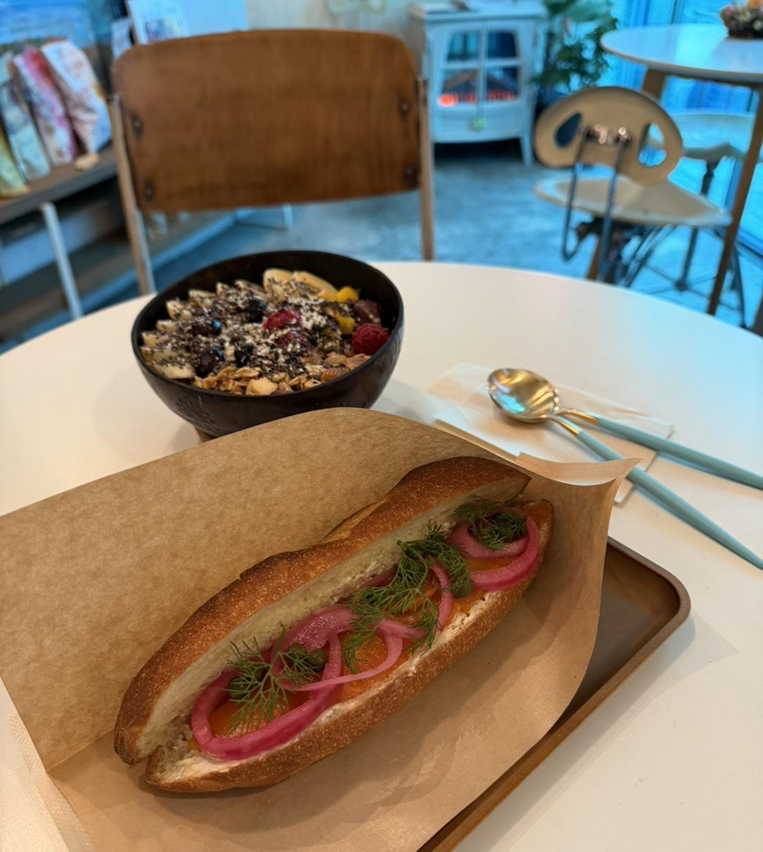
What stood out was how naturally these options were offered. Nothing felt like a special accommodation—it was simply part of the menu. That understated inclusiveness set the tone for the rest of the trip.
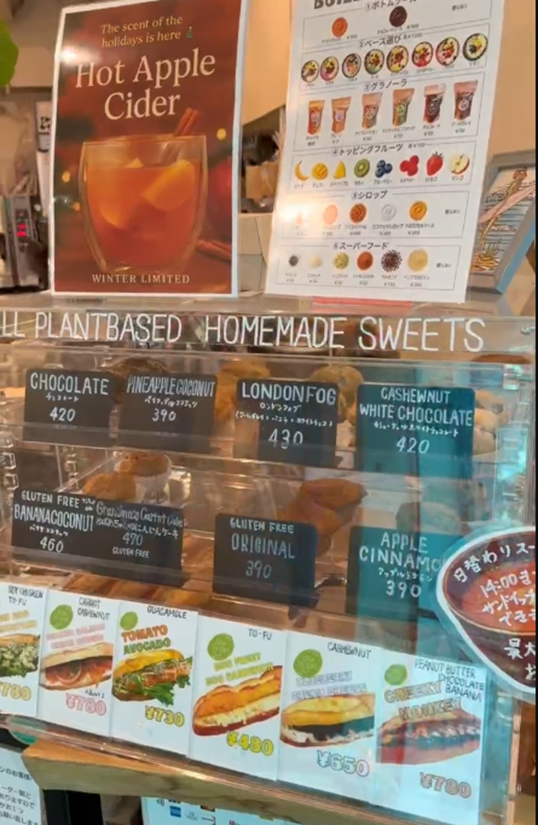
PLACE: greenery(Kobe)
Address:4-5-6, Kaigandori, Kobe Shi Chuo Ku, Hyogo, 650-0024, Japan
Access: About an 8-minute walk from JR/Hanshin Motomachi Station (also walkable from Kobe station).
Opening Hours:
Official Website: https://greenerykobe-jpn.com/
City on One Side, Sea on the Other: Kobe’s Waterfront
From there, I headed to Meriken Park and the Kobe Port Tower, where Hyogo’s identity as a port region became instantly clear.
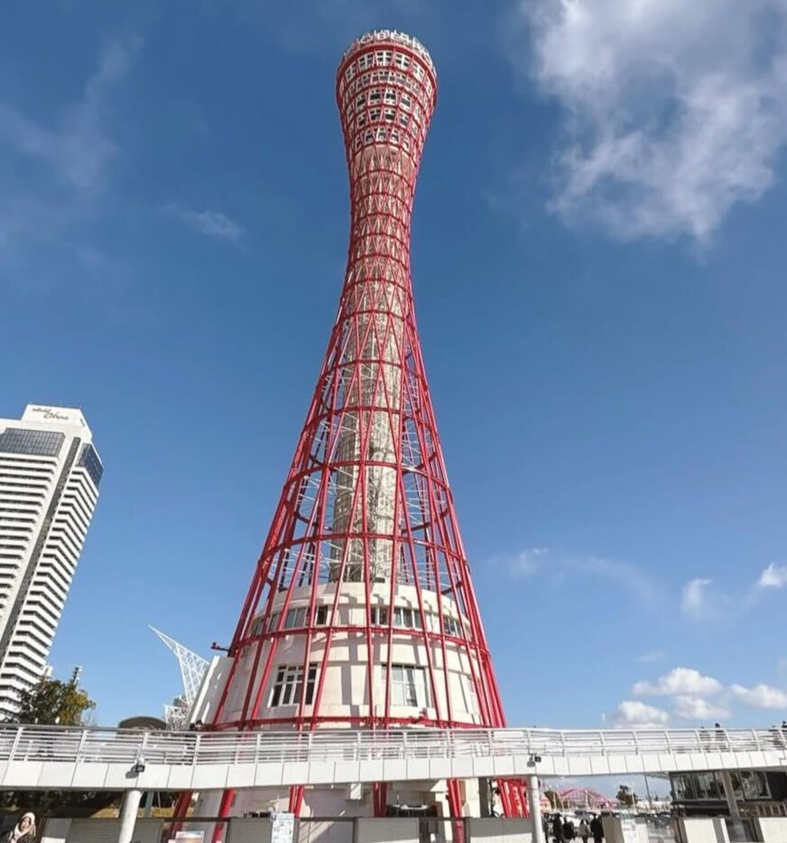
From the observation deck, the view is striking:
the city stretching out on one side, the sea opening up on the other.
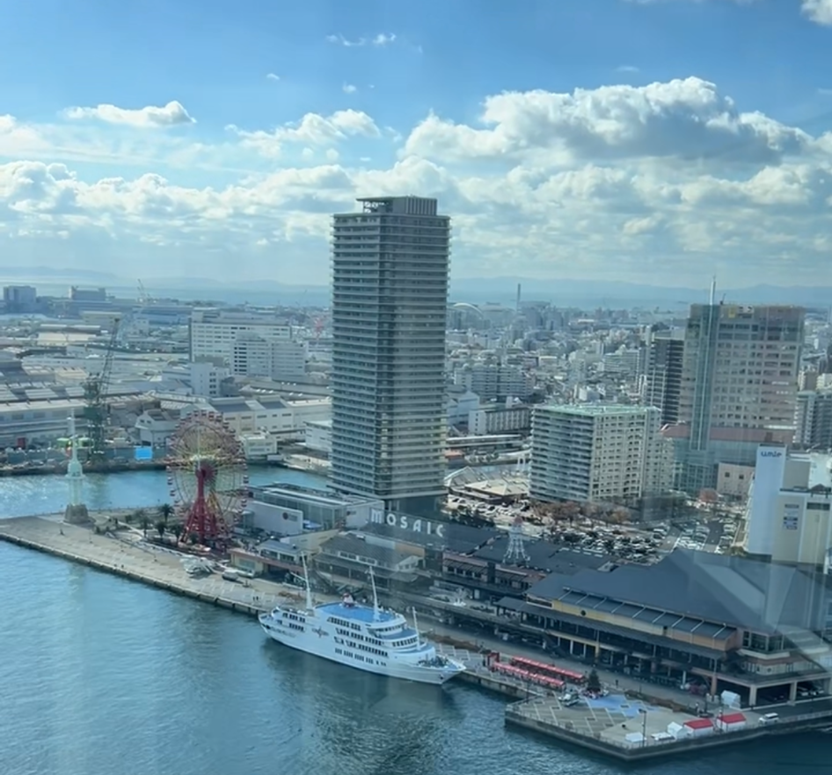
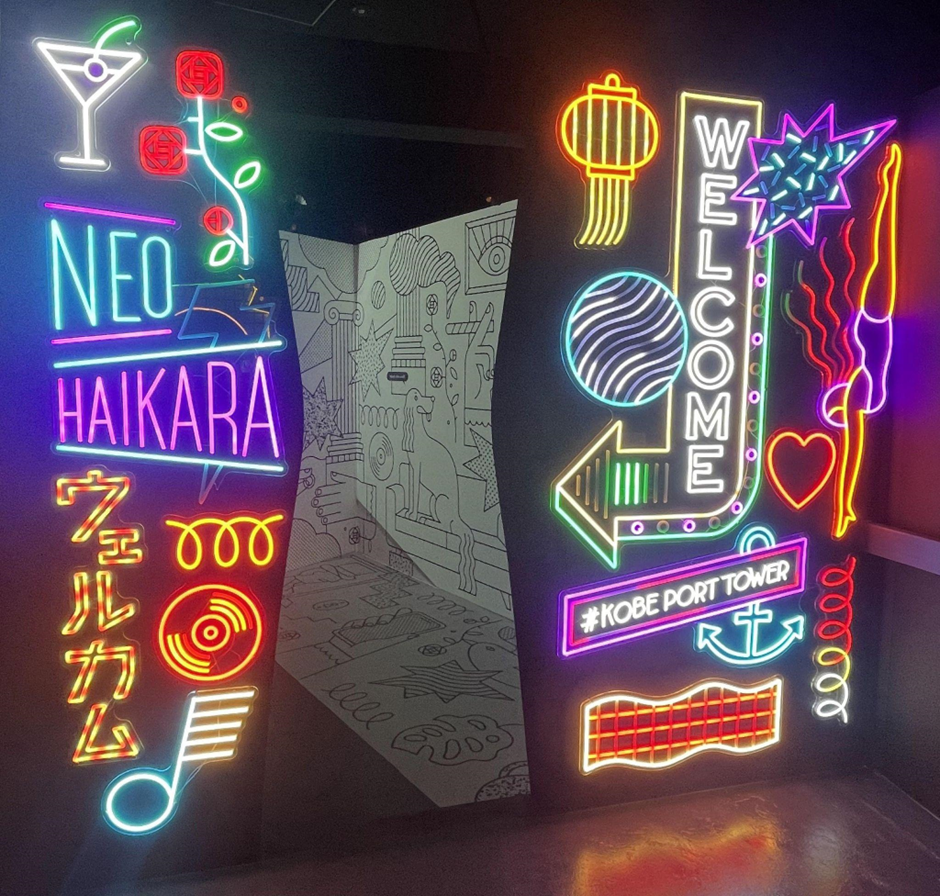
What I appreciated most was that the experience didn’t end with the view. Indoor and outdoor decks, cafés, small shops, and museum-like spaces with subtle digital elements made it a place you could wander without a plan.
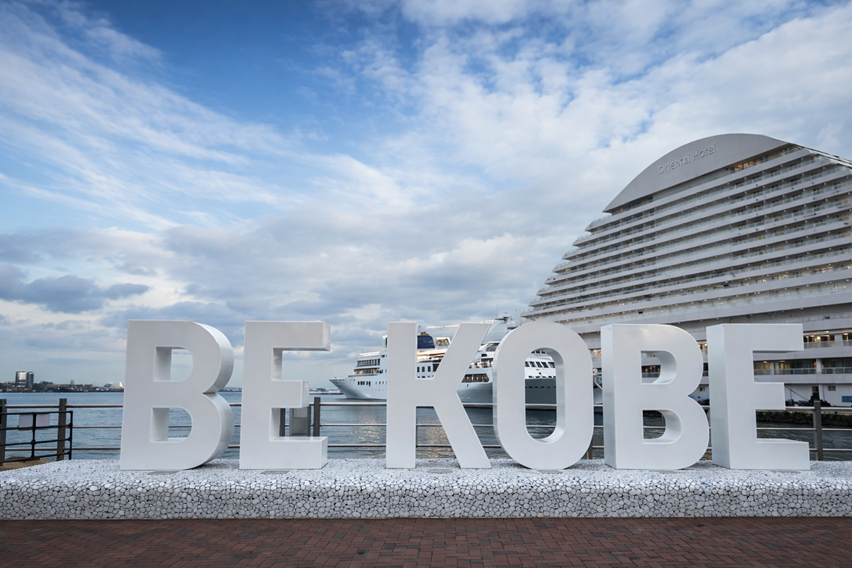
With the Port Tower, the Oriental Hotel, and the iconic BE KOBE sign all in one frame, it’s a snapshot of Kobe—but also an important gateway to understanding Hyogo as a whole.

PLACE: Kobe Port Tower(Kobe)
Address:5-5 Hatoba-cho, Chuo-ku, Kobe, Hyogo 650-0042, Japan
Access:About 15-minutes walk from JR Kobe Station.
5-minute walk from Exit 2 of Minato-Motomachi Station.
Opening Hours:
- 9:00 AM – 11:00 PM (Last admission: 10:30 PM)
Admission:
Adults:¥1,200 (Observation Floor + Rooftop Deck) ,¥1,000 (Rooftop Deck)
Elementary–Jr High:¥500 (Observation Floor + Rooftop Deck) ,¥400 (Rooftop Deck)
Preschool Child:Free
Official Website: https://www.kobe-port-tower.com/
北野異人館街(Kitano Ijinkan Gai)
The moment I arrived at Kitano Ijinkan-gai, one thought immediately crossed my mind—
“Is this really Japan?”
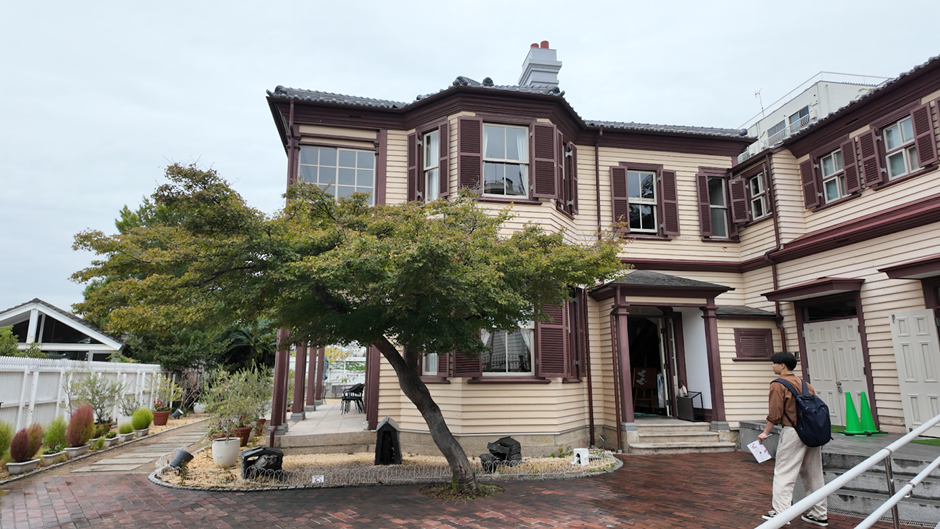
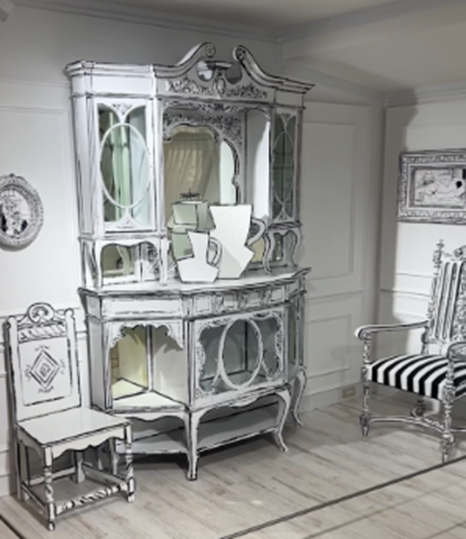
What I discovered instead was a series of European-style houses, all decorated with interesting memorabilia and exhibitions.
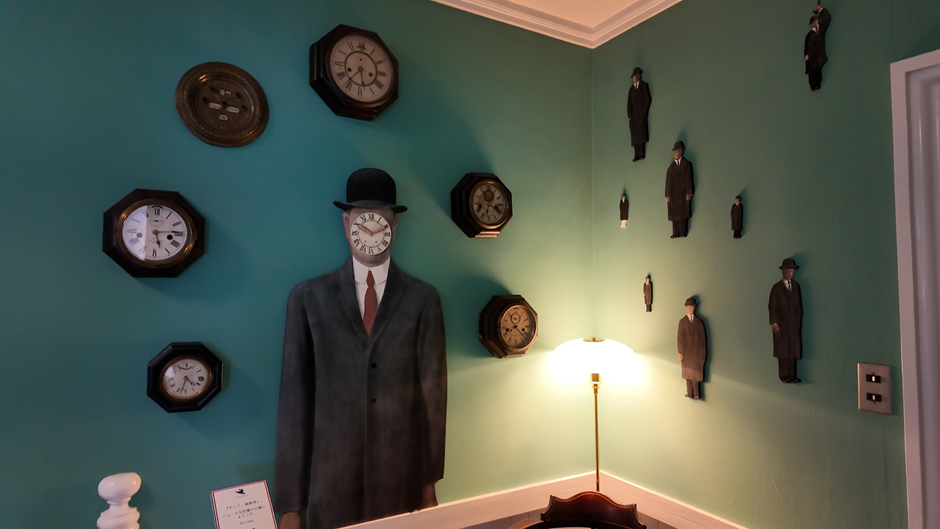 There were several residences, apparently former homes of foreign merchants, diplomats, and doctors who moved up the hill after Kobe opened to the world, built from the Meiji era into the early 1900s. Today they’re preserved as themed mini-museums—like the red-brick Weathercock House, the pale-green Moegi House, and the stone-slate Uroko House—each showcasing the distinct European tastes of their original owners.
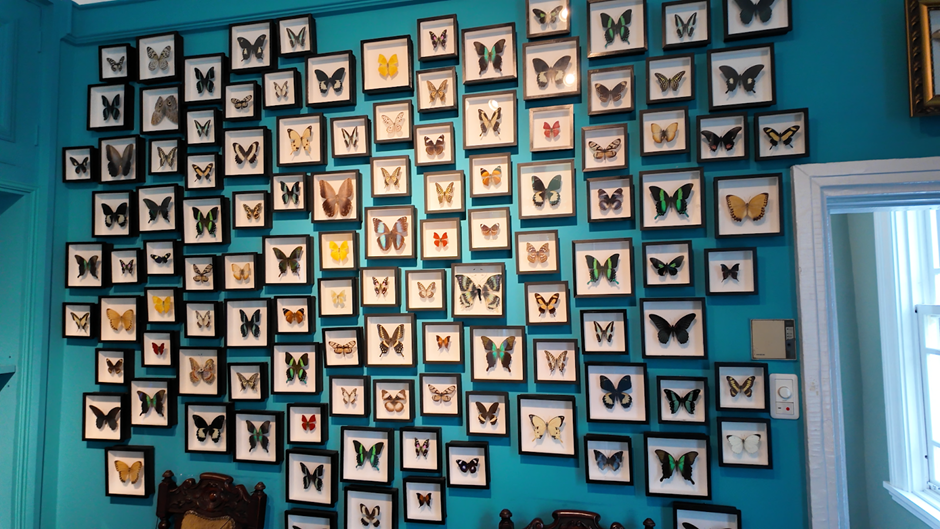
All the residences were fascinating to explore, and after finishing one, I always found myself eager to begin exploring the next.
Even though I was on a tight schedule and there were quite a few houses to get through, we somehow managed to visit all of them!!
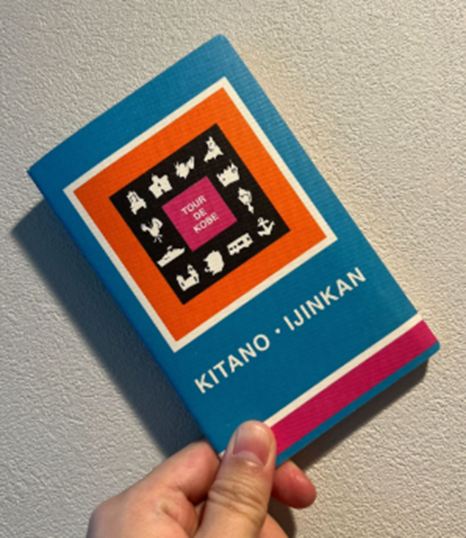 PLACE: Kobe Kitano Ijinkan-gai (Foreigners’ Residence District)
Area: Kitano-cho / Yamamoto-dori hillside neighborhood, Chuo Ward, Kobe
Access:
- Walk uphill about 15 min from JR/Hankyu/Hanshin Sannomiya (Kobe-Sannomiya) Station.
- Also walkable from Shin-Kobe Station (Shinkansen/subway).
Hours / Admission:
- The streets/area are open anytime.
- Individual houses are museums/cafés with their own hours and entry fees (many open roughly daytime hours).
Official info: https://www.kobeijinkan.com/en
Visiting the Kobe Maritime Museum & Remnants of the Great Hanshin Earthquake
For our next stop, we visited the Marine Museum.
Kobe’s port history began as an important medieval harbor known as Hyōgo-no-tsu / Ōwada no Tomari. In 1868, when the Port of Kobe (Hyogo Port) officially opened to international trade, the city transformed into a gateway connecting Japan with the rest of the world. This history is one of the reasons Kobe still feels internationally connected today.
You can get a glimpse of that history in the museum, which is exactly why I decided to go. You don’t need much time to fully tour it, but inside you’ll see some amazing ship models, and you can even enter the Kawasaki area right next door.
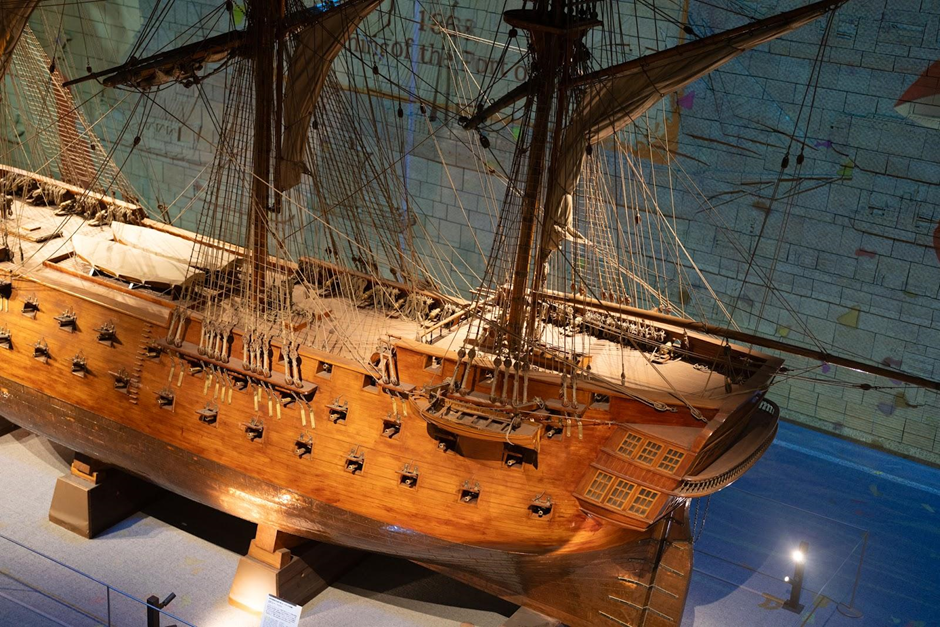
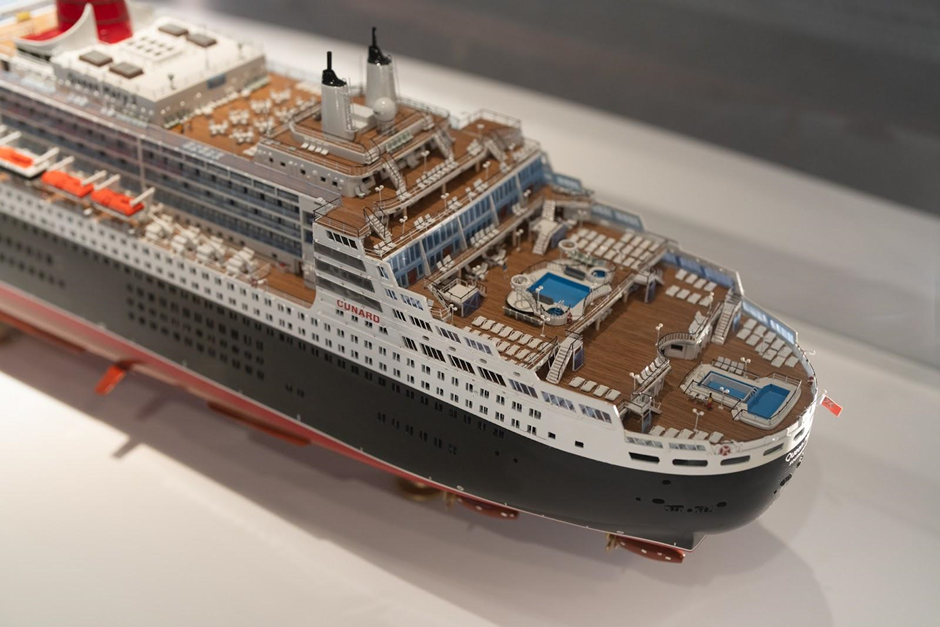 After exiting the museum, you’ll come out much more knowledgeable about the city’s rich past, and if you have time, you can even stop by the remnants of the old port that were left after much of it was destroyed by the Great Hanshin Earthquake on January 17, 1995. It was a terrible tragedy that claimed thousands of lives and caused structural failures in bridge piers and elevated motorways. I wasn’t born yet when this earthquake happened, but I still felt the weight of the event—it all felt very real, standing right where so much of the damage took place.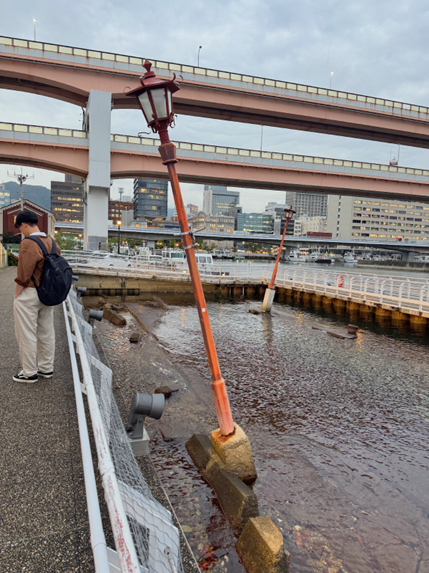
PLACE: Kobe Maritime Museum (Kobe Kaijo Hakubutsukan)
Address: 2-2 Hatoba-cho, Chuo-ku, Kobe (inside Meriken Park)
Access:
- ~10–15 min walk from JR/Hanshin Motomachi Station
- ~5–8 min walk from Subway Kaigan Line Minato-Motomachi Station.
Opening Hours: 10:00 AM – 6:00 PM (last entry 5:30 PM)
Closed: Mondays (or the next day if Monday is a national holiday), plus New Year’s holidays.
Admission: Adults ¥900, Elementary–High School ¥400.
Official Website: https://kobe-maritime-museum.com/english.html
A Hands-On Workshop with a Personal Touch
One of the most memorable parts of the trip was a moss terrarium workshop in Inagawa Town, about a 60-minute drive from central Kobe.
The studio was a very homey, welcoming space, and the instructor was incredibly knowledgeable about all things moss, and so kind too. Even their family made us feel comfortable as we pieced together our very own terrarium to take home.
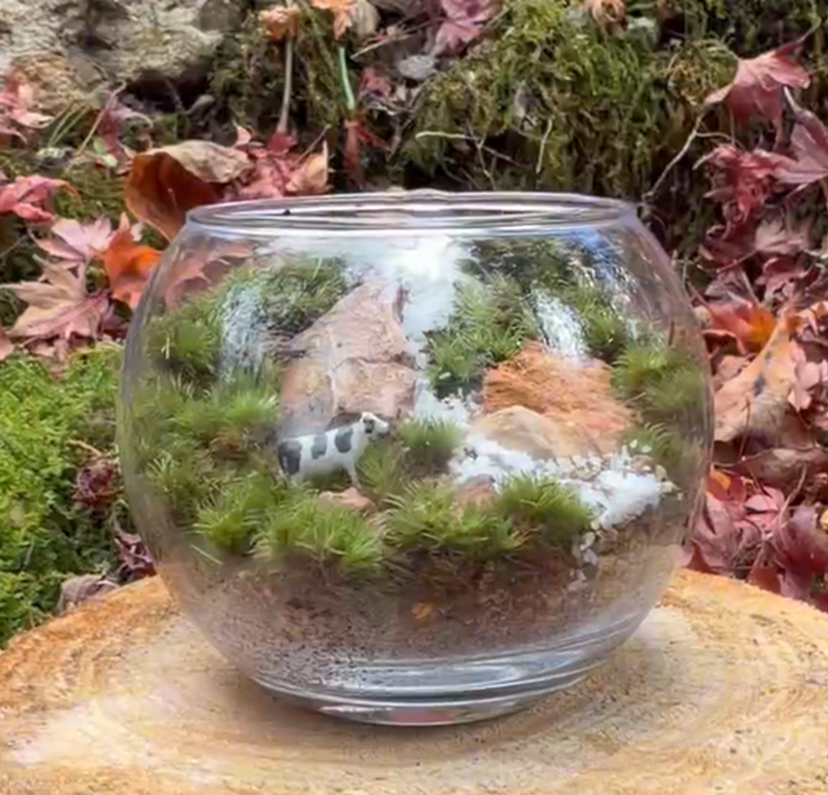
My personal tip that I would leave if you plan on trying this workshop out is to be very careful when transporting your moss terrarium home. The moss terrarium is surprisingly delicate and can easily shift whilst moving.
PLACE: Kokerium Workshop Inagawa
Address: 10-6 Higashiyama, Kizu, Inagawa Town, Kawabe District, Hyogo 666-0225, Japan
Opening Hours: 10:00 AM – 5:00 PM
Closed: Wednesday, Sunday
Admission: ¥3,500/hour
Official Instagram : https://www.instagram.com/kokeriumkoubouinagawa/
Another Side of Hyogo | Kinosaki Onsen
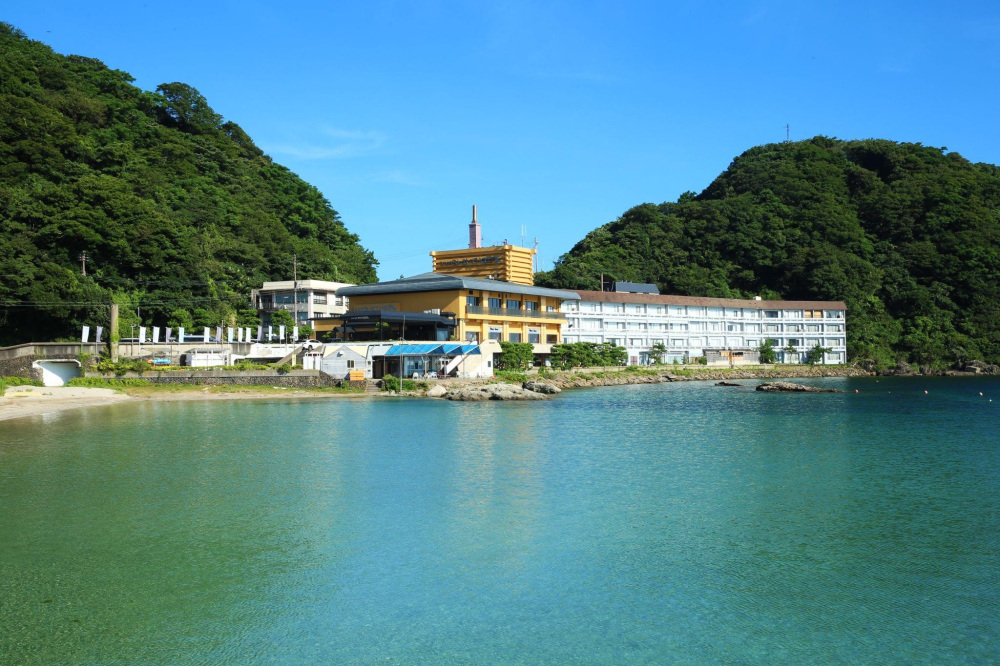
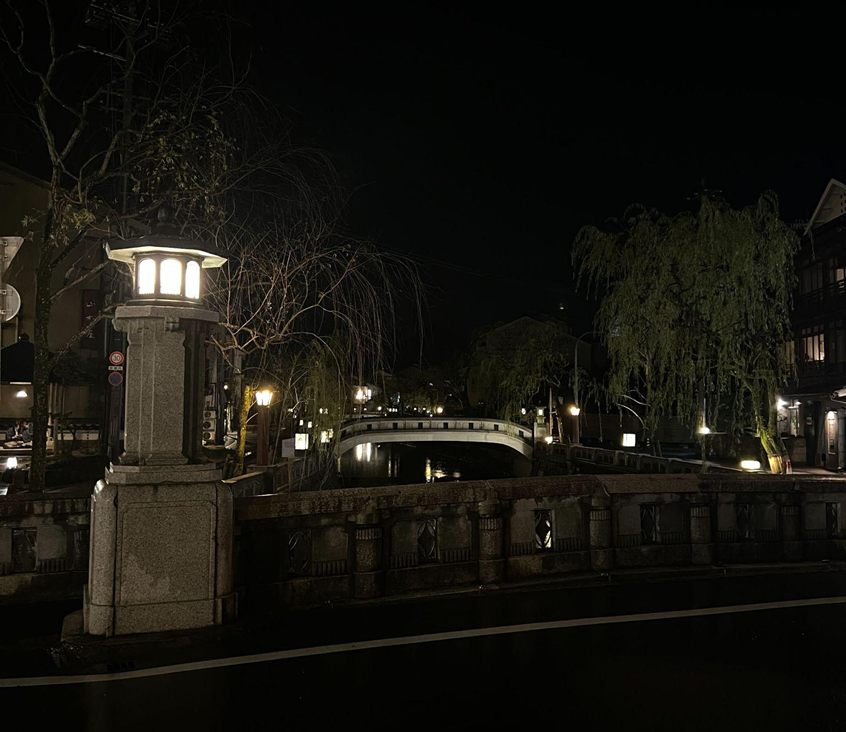
My journey continues to Kinosaki Onsen, in the northern part of Hyogo Prefecture.
Kinosaki Onsen completely won me over. It has that classic Japanese onsen-town feel, but it’s not too quiet or overly touristy. It just feels right.
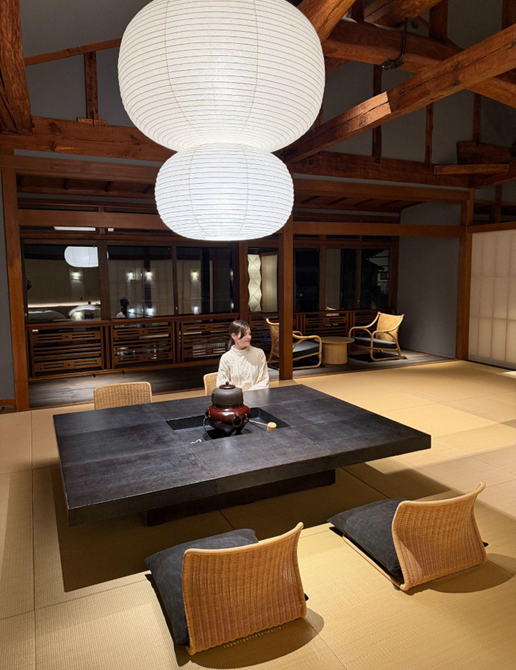
There are seven public bathhouses around town, and the hotel we stayed at Kobayashi-ya provided a free pass to visit all of them in addition to access to the hotel’s onsen. Being able to enjoy each bathhouse and compare my favourites was a rarity that I was happy to take part in.
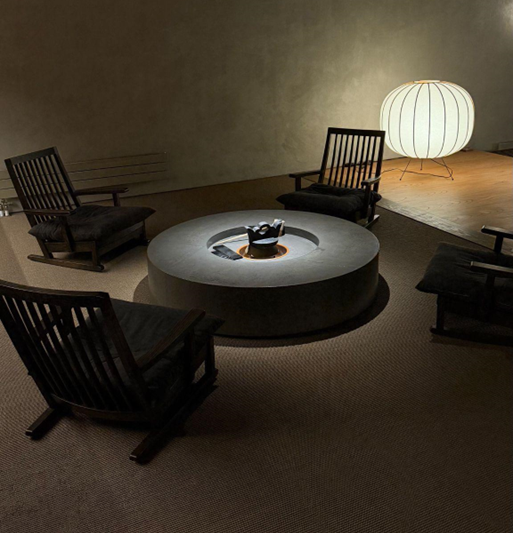
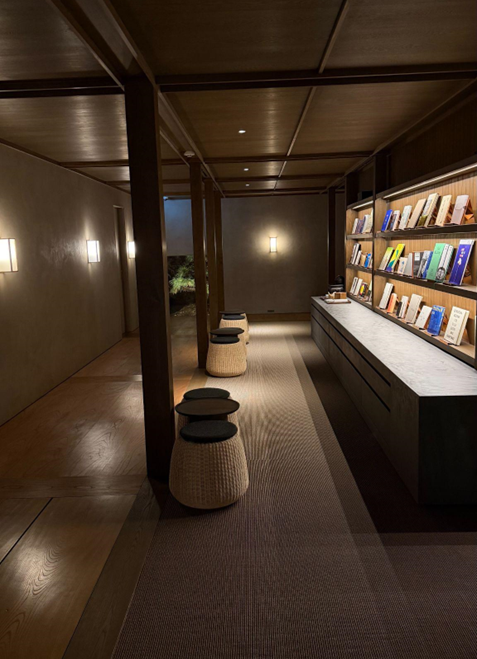
The facilities were nothing short of outstanding, but what made them really stand out was the thought, care, and hospitality driven by the hotel manager’s passion. The staff’s love for the hotel was practically tangible, and I would absolutely go back and stay there to experience it all over again.
I was also delighted by how many vegetarian and vegan-friendly options there were around town. Some places were even offering halal meals if you contacted them in advance, which was wonderful to see.
PLACE: Kobayashi-ya
Address: 369 Yushima, Kinosaki-cho, Toyooka-shi, Hyogo 669-6101, Japan
Access: About a 5-minute walk from JRKinosaki Onsen Station
Check-in: 3:00 PM / Check-out: Until 10:00 AM
Official website:https://kobayashiya.co.jp/
A Relaxing Break at a Footbath Café
Just steps from the station exit, you’ll find Imo to Canelé Kinosaki Ashiyu Café, a perfect place to stop by at the beginning or end of your trip—or even in between visits to the public bathhouses.
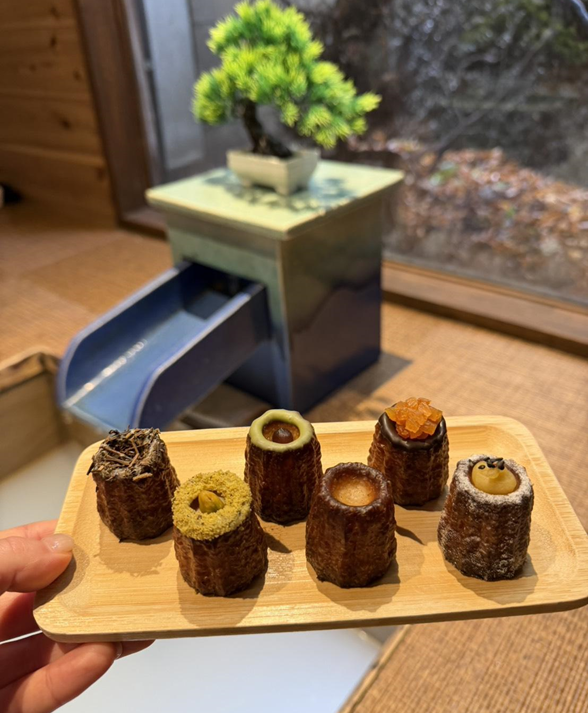
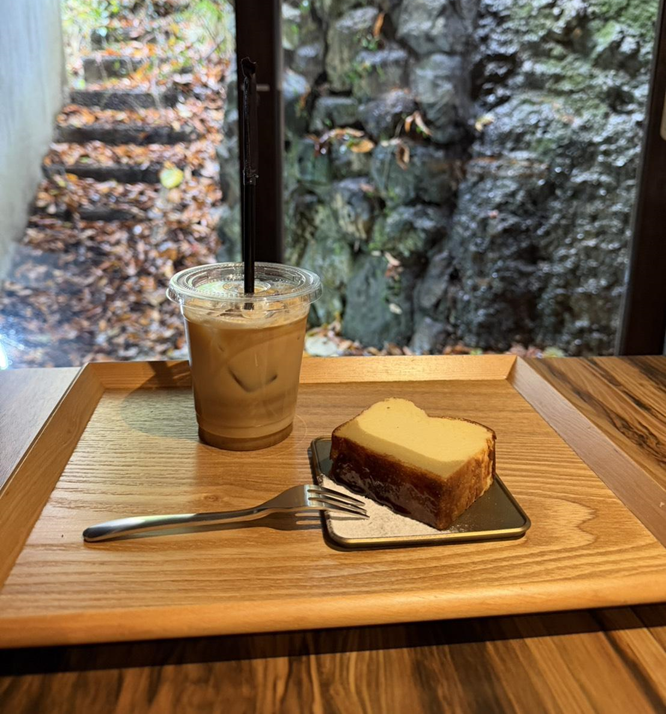
As the name suggests, the café specializes in sweets made with sweet potatoes, along with canelés. In addition to regular table seating, there is a footbath area where you can soak your feet in warm water while enjoying desserts and drinks, gently warming up as you take a well-earned break.
PLACE: Sweet Potato & Canelé – Kinosaki Footbath Café(Kinosaki)
Address: 86, Kinosakicho Yushima, Toyoka Shi, Hyogo, 669-6101, Japan
Access: About a 1-minute walk from JRKinosaki Onsen Station
Opening Hours:
Official Instagram:https://www.instagram.com/kinosaki.ashiyu.cafe/
The Lunch I Keep Thinking About
Lunch ended up being my favorite meal of the entire trip. It cost ¥4,500, which I would consider a very decent price for the plates we were served.
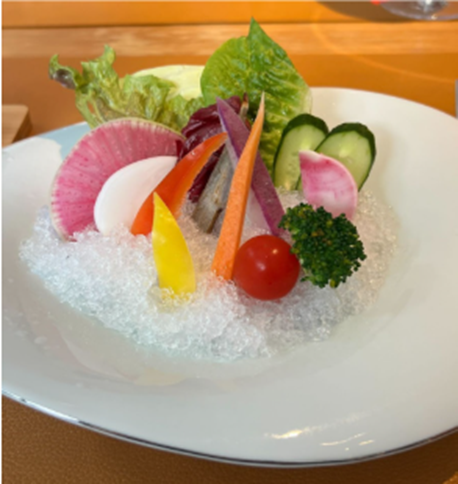
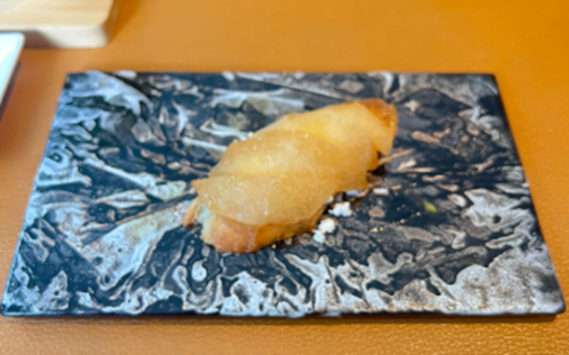
The courses were well thought out, and they offered both a regular course and a vegetarian course, which I really appreciated. The staff were clearly experienced with different types of dietary requirements, and they even checked with us whether butter or milk was okay.
The restaurant felt elegantly upscale without being intimidating, and the hotel lobby featured a beautiful indoor waterfall, which felt incredibly luxurious.
PLACE: Restaurant Ricca(Kinosaki)
Address:3F, Nishimuraya Hotel Shogetsutei 1016-2 Yushima, Kinosaki-cho, Toyooka, Hyogo 669-6101, Japan
Access: About a 25-minute walk from JRKinosaki Onsen Station or 10 min by Shuttle Bus
Opening Hours:
- Lunch:11:30 AM – 2:00 PM (L.O. 1:00 PM)
Dinner:Start: 17:30 / 18:00 / 18:30(Closed:9:30 PM)
Reservations accepted until 14:00 on the same day
Closed:Lunch:Tuesday、 Dinner:Irregularly
Official Website: https://www.nishimuraya.ne.jp/shogetsu/meal/ricca.php
Summary
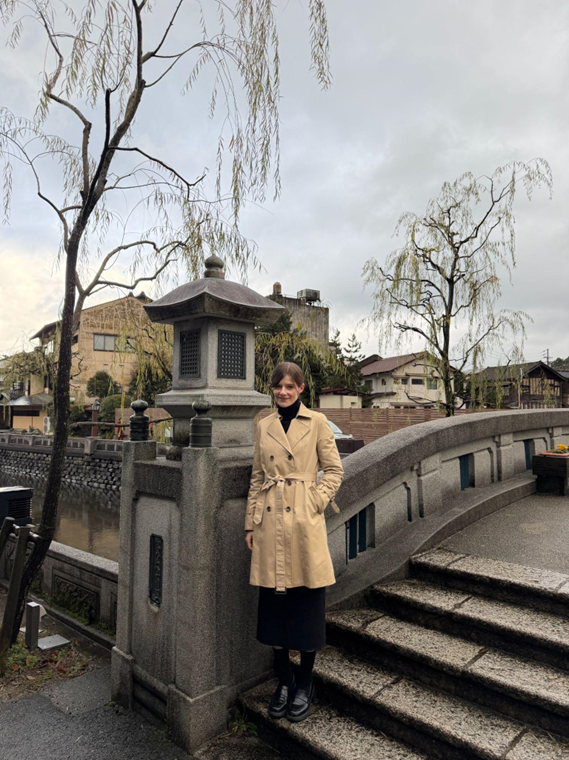
Many of my friends from Kobe often tell me they really enjoy living there because it strikes the perfect balance between being a lively city while still feeling peaceful and close to nature. After this journey—from Kobe’s portside streets to the onsen town of Kinosaki—I finally understood why.
I saw the quirky foreign residences up near the mountain, ate a lot of great food, visited the Maritime Museum and nearby department stores, and learned about the city’s rich history with the Port of Kobe.
I still can’t believe it took me eight years in Japan before I actually spent the time to properly visit Kobe, but I know I’ll be back soon.
Until next time!
- Date posted
- 2026.03.10
- Date last updated
- 2026.03.31
Alex Niwata is an American content creator and model living in Japan, showcasing everyday life, culture, and distinctive local experiences to a global audience of over 1.2 million followers.
![[ Undefined: article-review-plain ]](/lsc/upfile/article/0000/0739/739_2_m.jpg)

![The best of Kobe’s sightseeing spots, Kobe Port Tower, has been renovated [*Complete report]](/lsc/upfile/article/0000/0028/28_1_m.jpg)