
- Nature / Scenery
- History / Culture
- Gourmet
- Traditions / Performing Arts
- Experiences
Discovering Kinosaki Onsen A Timeless Onsen Town in Northern Hyogo
Long before “slow travel” became a trend, Kinosaki Onsen had already mastered the art of unhurried hospitality. Nestled between forested mountains and the expansive Sea of Japan, this onsen town unfolds at a gentle pace. Willow-lined canals, arched bridges, and wooden ryokan create a streetscape that feels unchanged by time, while centuries-old hot spring customs continue to shape daily life.
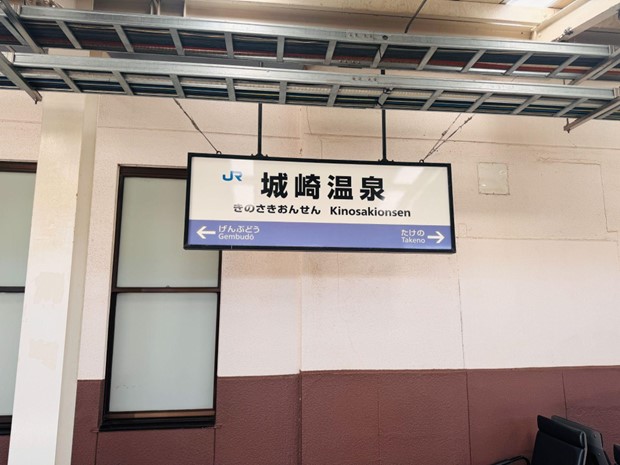
Access to Kinosaki Onsen: A Scenic Journey from City to Countryside
Reaching Kinosaki Onsen is part of the experience itself. From Kobe and the Kansai region, direct limited express trains connect the city with this onsen town in northern Hyogo. Services such as the Kōnotori Limited Express departing from Shin-Osaka Station and the Hamakaze Limited Express departing from Osaka Station transport travelers away from urban centers and into quieter landscapes, passing through river valleys, rural towns, and stretches of coastline along the way.
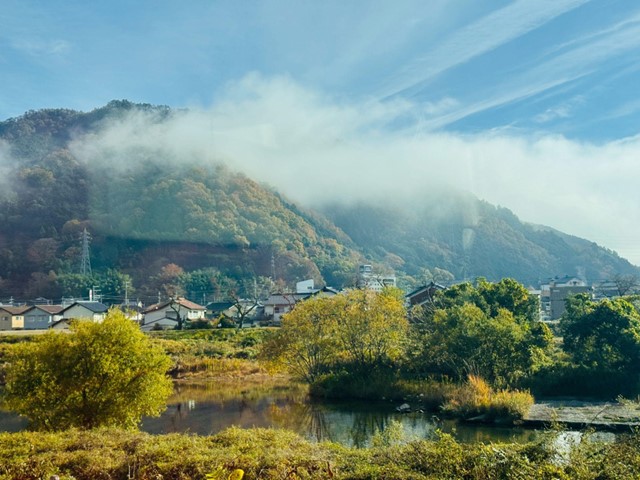
For international visitors exploring western Japan, the JR WEST RAIL PASS offers a convenient way to travel. Available exclusively to overseas travelers, the pass allows unlimited rides on designated JR West trains—including limited express and rapid services—across wide areas such as Kansai, San’in, Sanyō, and Hokuriku, making the journey to Kinosaki both flexible and seamless.
For those traveling from farther afield, including Tokyo or Osaka, flights via Osaka Itami Airport to Tajima Airport offer an alternative route, followed by a short bus ride to Kinosaki Onsen Station.
Whichever route you choose, the journey gradually softens the pace of travel, easing visitors from the energy of the city into the calm, nature-filled atmosphere that defines Kinosaki Onsen.
An Onsen Town That Welcomes You In
Stepping out of Kinosaki Onsen Station, the atmosphere shifts immediately into the classic old-landscape of ryokan town. From the station, Eki Street leads naturally into the heart of Kinosaki, lined with local shops, cafés, and small eateries, with green mountains rising gently in the background.
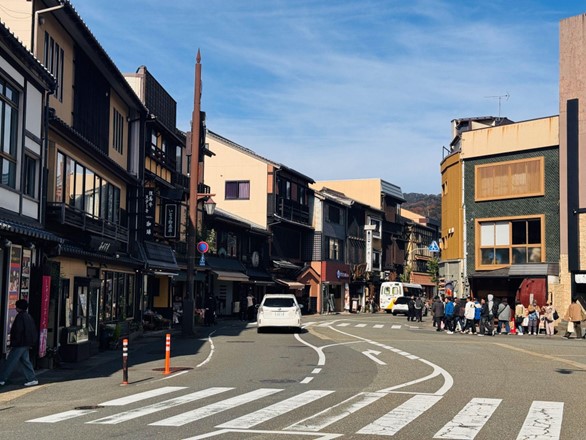
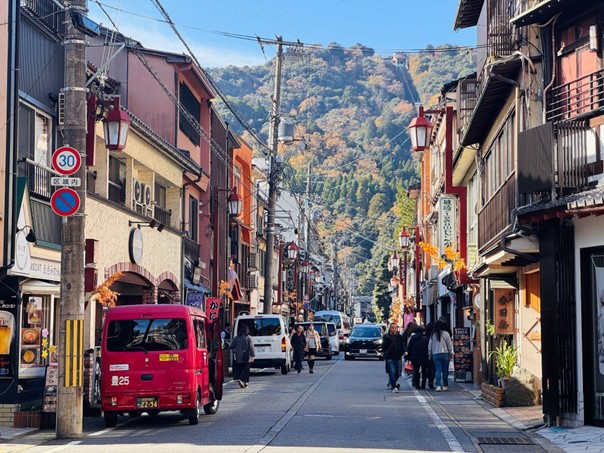
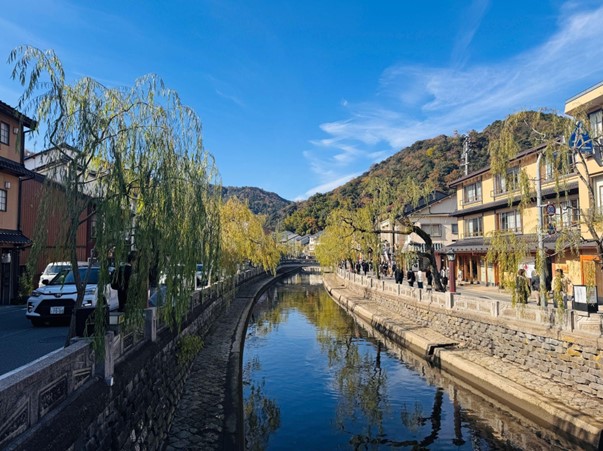
A short walk reveals the town’s most iconic scenery: willow branches swaying over the river, traditional wooden buildings reflected in the water, and stone bridges framing views that have drawn travelers here for generations.
Preserving Craft and Culture
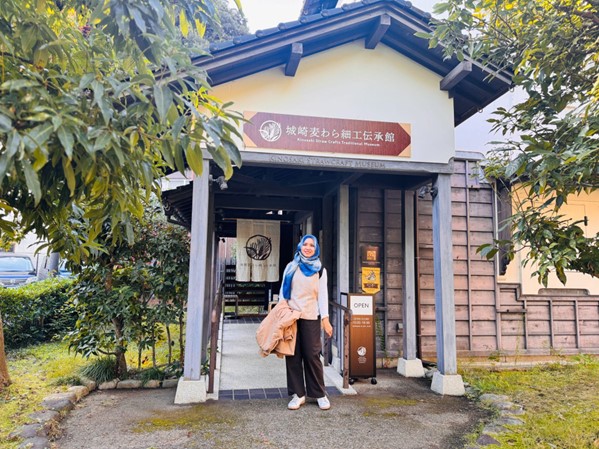
Beyond its hot springs, Kinosaki is also known as the home of mugiwara zaiku, a traditional straw craft unique in Japan. At the Kinosaki Strawcraft Museum, visitors can trace the origins of this delicate craft, from its beginnings in the 18th century to its modern expressions today.
Visiting Kinosaki Strawcraft Museum
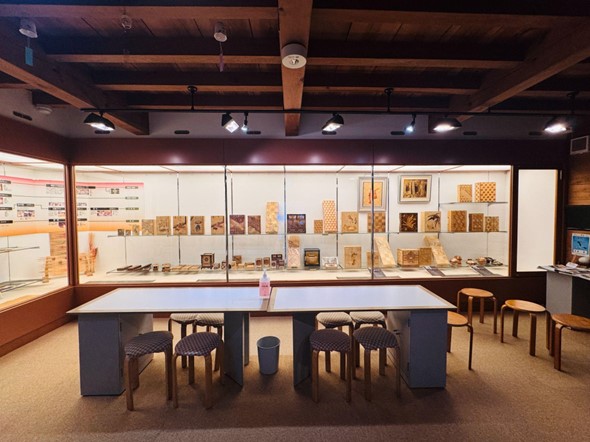
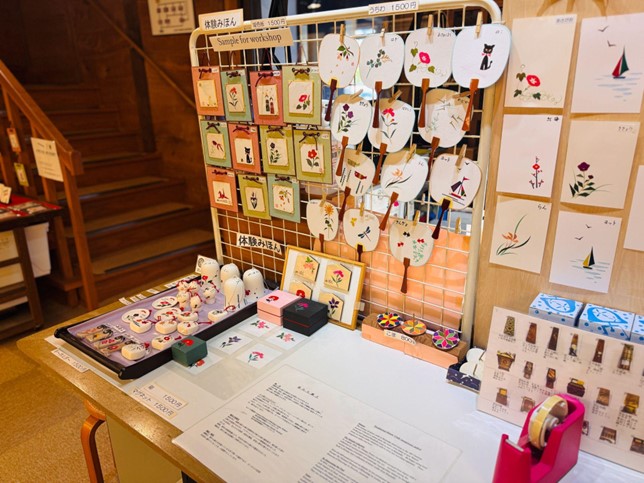
Tools, techniques, and finished works are displayed with care, offering insight into a quiet tradition that continues to define the region’s cultural identity. Hands-on workshops and small handcrafted souvenirs allow visitors to connect with this living heritage.
Views from Above: Mt. Daishi and the Ropeway
To see Kinosaki from a different perspective, the Kinosaki Onsen Ropeway ascends Mt. Daishi above the town. The short ride reveals a layered landscape: the river winding through the town, rows of wooden buildings forming a classic onsen silhouette, and beyond them, rolling mountains and the distant shimmer of the Sea of Japan.
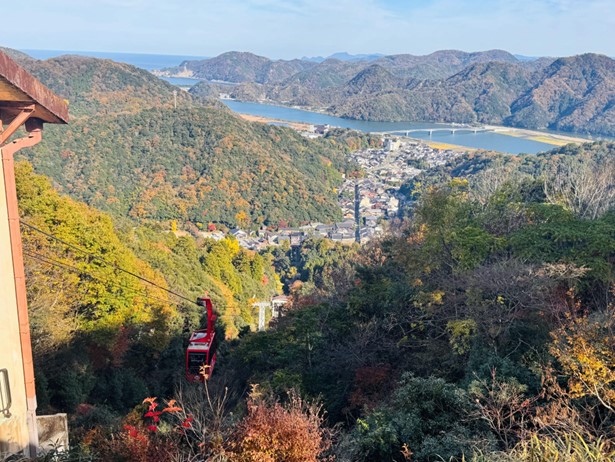
The view captures the essence of Kinosaki—compact yet expansive, intimate yet deeply connected to its surrounding nature. No wonder the scenery was awarded one star in the Michelin Green Guide Japan.
Nature’s Deep Time: Genbudo Park
Not far from Kinosaki lies Genbudo Park, one of Hyogo’s most striking natural sites. Formed by volcanic activity over 1.6 million years ago, its basalt caves display dramatic hexagonal rock formations, shaped as lava cooled and contracted. Recognized as part of the San’in Kaigan Geopark, the site reveals a different layer of northern Hyogo—where geological history, scientific discovery, and natural beauty intersect quietly.
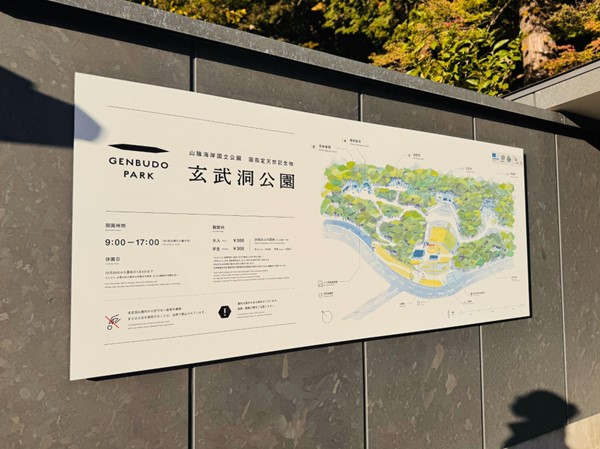
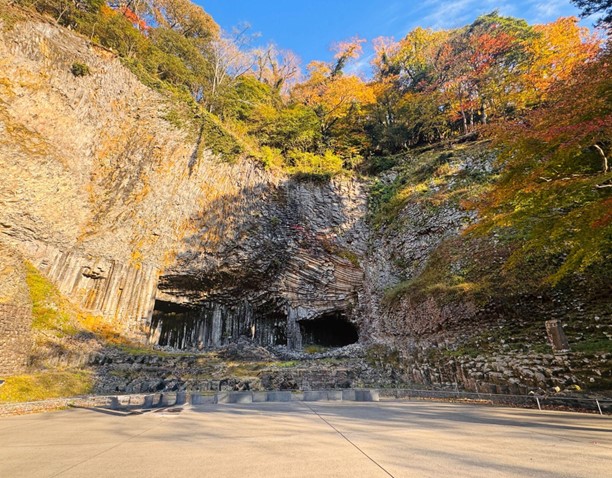
Genbudo Park is recognized by the UNESCO Global Geoparks, the San’in Kaigan Geopark, Geoparks Japan, and the Global Geoparks Network. In 2007, it was selected as one of the "Top 100 Geological Sites of Japan" and in 2022 as one of the "Top 100 Geological Heritage Sites of the World."
A Night by the Sea
As evening falls, the journey continues to the coastline. At Oku-Kinosaki Seaside Hotel, guests are welcomed into a calm, ocean-facing retreat on the Sea of Japan. Every room looks out over Takeno Beach, allowing sunrise and sunset to be enjoyed from the same place—a rare and memorable experience.
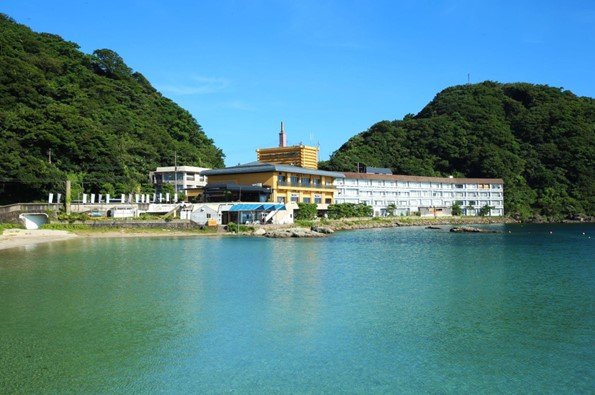
With the concept of “Tanjo” (birth), inspired by the local myth about the birth of a god on the peninsula, the hotel blends modern comfort with a sense of place.
Some rooms feature private open-air baths overlooking the sea, while halal-friendly dining highlights seasonal ingredients from northern Hyogo, prepared with care and respect for diverse dietary needs.
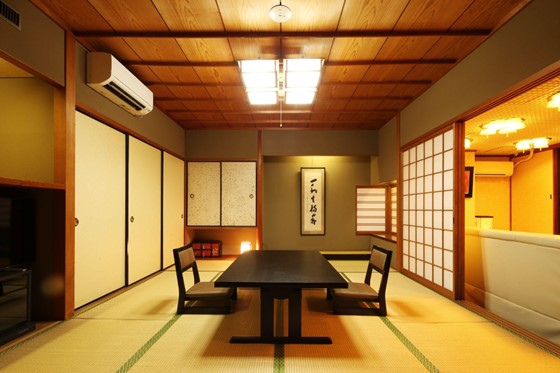
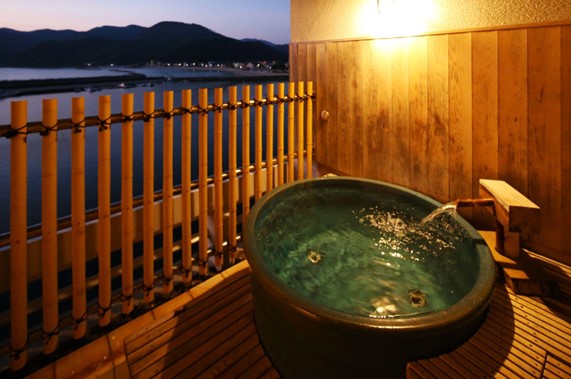
For a closer look at Oku-Kinosaki Seaside Hotel, including its approach to halal-friendly hospitality, please refer to the full review article linked here.
Where the Sea Meets Serenity: My Stay Experience at Oku-Kinosaki Seaside Hotel
https://www.hyogo-tourism.jp/world/reviews/56
A Destination That Lingers
From riverside streets and time-honored onsen culture to mountain views, geological wonders, and a tranquil seaside stay, Kinosaki Onsen offers a journey that unfolds gently, layer by layer. It is a place where nature and culture coexist in harmony—inviting travelers not only to visit, but to pause, stay, and carry its calm with them long after they leave.




 For Travel Agents