
- Nature / Scenery
- History / Culture
- Gourmet
- Experiences
- Buildings
Unfolding Kobe Where History, Culture, and the Sea Come Together
Set between the Rokko Mountains and the calm waters of the Seto Inland Sea, Kobe has long been a gateway between Japan and the world. As one of the country’s earliest international port cities, Kobe developed a character shaped by openness—where cultures, beliefs, and lifestyles quietly coexist.
For travelers seeking more than sightseeing, Kobe offers a rare balance: rich history, a welcoming environment, faith-friendly facilities, and a waterfront cityscape best enjoyed without rushing. Staying in Kobe allows visitors to experience how the city gently shifts its mood from morning calm to evening glow by the sea.
Getting to Kobe: Easy Access from Tokyo
Kobe's excellent connectivity makes it a seamless travel destination even from Tokyo.
The fastest and most convenient option is to take the Tokaido/Sanyo Shinkansen (bullet train) from Tokyo to Shin-Kobe station, which takes about 3 hours. 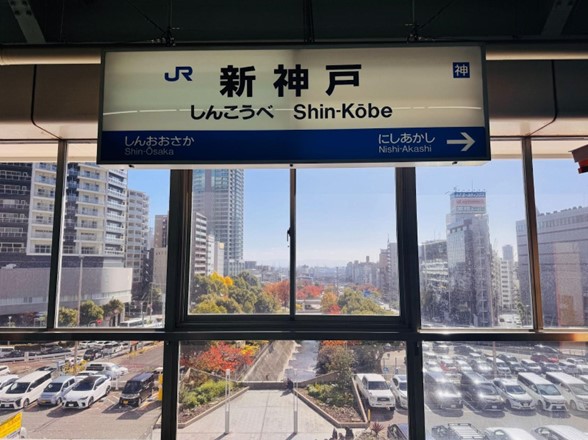
The Shin-Kobe station is conveniently located near the city center, with walking access to the Kitano Ijinkan area, and only one station stop to Kobe’s busy station, Sannomiya Station.
Kitano Ijinkan: A Window into Kobe’s Global Roots
Standing at the top of the hill, Uroko House offers one of the most striking introductions to the Kitano Ijinkan area. Clad in slate stone that resembles fish scales—giving the house its name—this former foreign residence looks out over Kobe Harbor, visually connecting the city, the sea, and its international past. Inside, antique furnishings, European porcelain, and curated artworks reflect the prestige once associated with life in Kobe’s foreign settlement, while the nearby observatory rewards visitors with sweeping panoramic views.
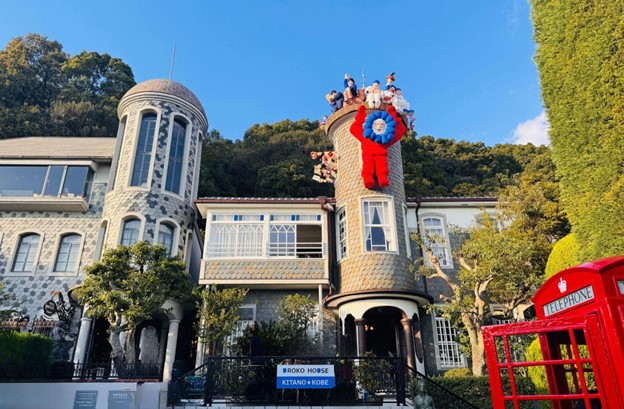
Descending from the hill, the broader Kitano Ijinkan district unfolds as a carefully preserved record of Kobe’s modernization. Once home to more than 300 foreign residences, the area today protects a select number of Western-style houses, fewer than 20 of which are open to the public. Recognized for its cultural value, Kitano was designated an Important Preservation District for Groups of Traditional Buildings in 1980.
Walking through the neighborhood reveals how overseas lifestyles blended naturally into Japanese daily life. The English House recreates the refined atmosphere of an early 20th-century British residence, with antique interiors and subtle cultural references. Nearby, Yokan Nagaya (French House) introduces French elegance through Art Nouveau glassworks and period furnishings.
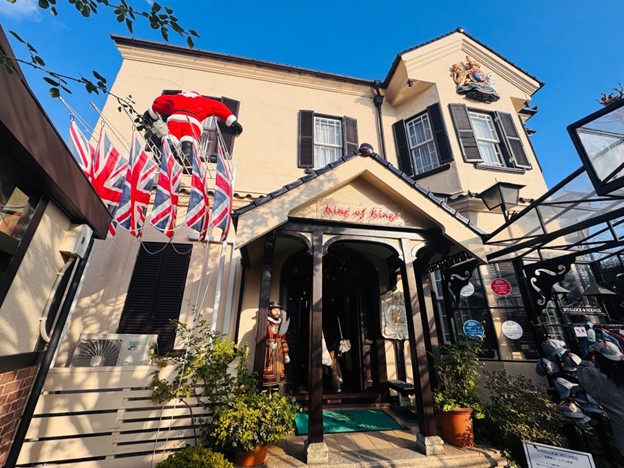
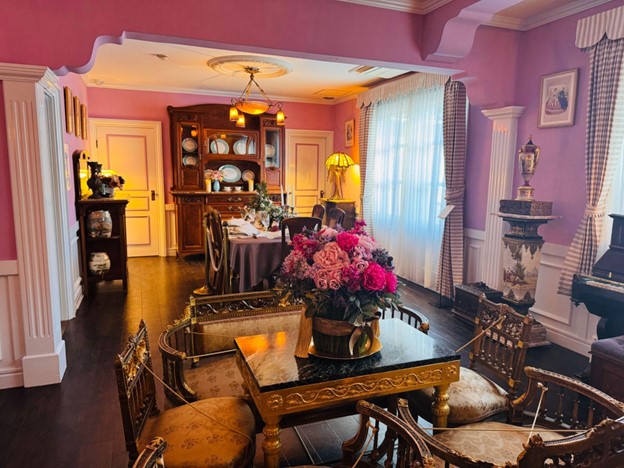
Together, these residences form a layered narrative of cultural exchange, best appreciated at a relaxed pace—while many other historic houses remain scattered throughout the district, inviting further exploration beyond those highlighted here.
Kobe Mosque: A Symbol of Coexistence
Just a short walk from Kitano stands the Kobe Mosque, the oldest mosque in Japan. Built in 1935, it is a powerful symbol of Kobe’s long-standing acceptance of diverse cultures and faiths.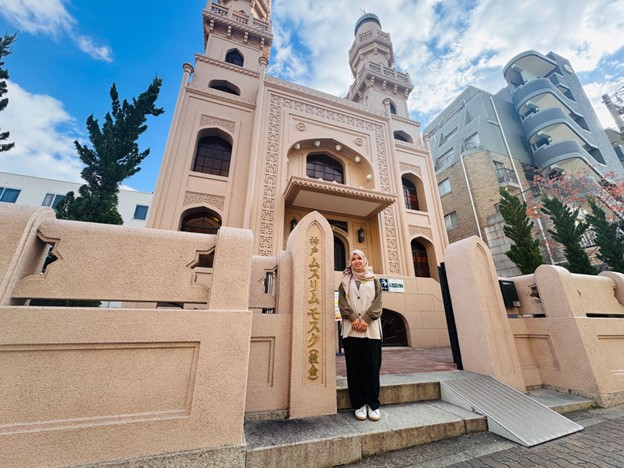
The mosque famously survived both World War II air raids and the Great Hanshin Earthquake, earning its reputation overseas as the “Miracle Mosque.” Today, it remains an active place of worship, with prayer spaces for men and women and a calm, dignified interior that welcomes respectful visitors.
The Waterfront: Kobe’s Rhythm from Day to Night
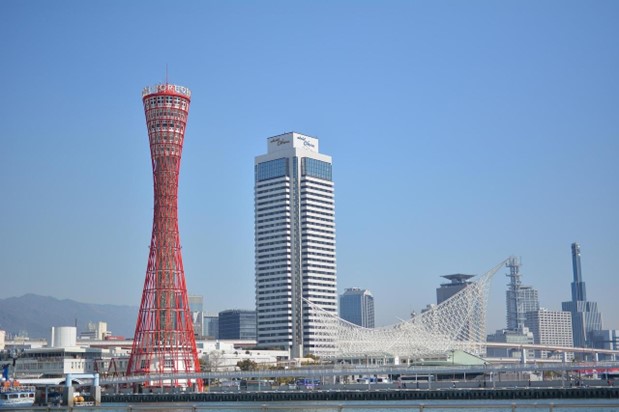
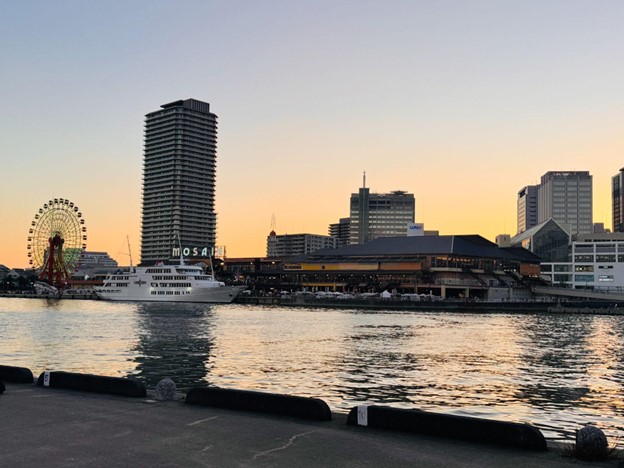
Kobe’s connection to the sea is best felt along its waterfront. Meriken Park opens toward the harbor with wide walkways, open skies, and a steady ocean breeze. Landmarks such as Kobe Port Tower and the Maritime Museum rise gently from the shoreline, reflecting the city’s maritime heritage.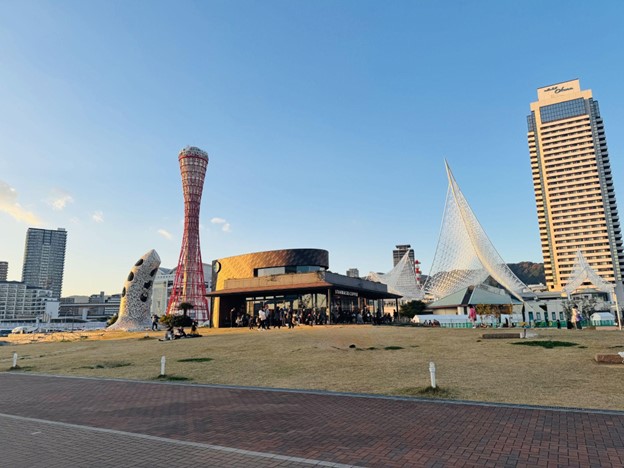
Nearby, the BE KOBE Monument captures the city’s spirit. Created as a message of civic pride and resilience after the Great Hanshin-Awaji Earthquake, “BE KOBE” expresses the belief that Kobe’s true charm lies in its people.
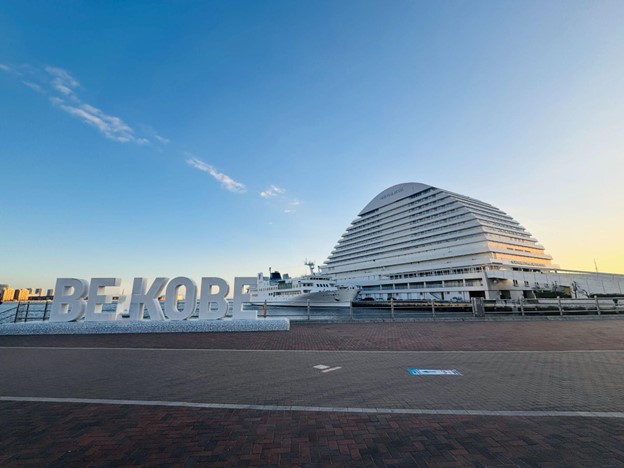
As evening approaches, Kobe Harborland transforms into a softly illuminated waterfront district. Ferris wheels glow, reflections shimmer across the water, and cafés and restaurants invite visitors to linger. Staying nearby allows travelers to experience this gentle transition—something easily missed without an overnight stay.
Inclusive Dining in Kobe
Kobe’s culinary scene reflects its international character, offering a welcoming range of dining options that accommodate diverse dietary needs—making the city especially comfortable for Muslim and plant-based travelers.
Plant-Based Comfort Food
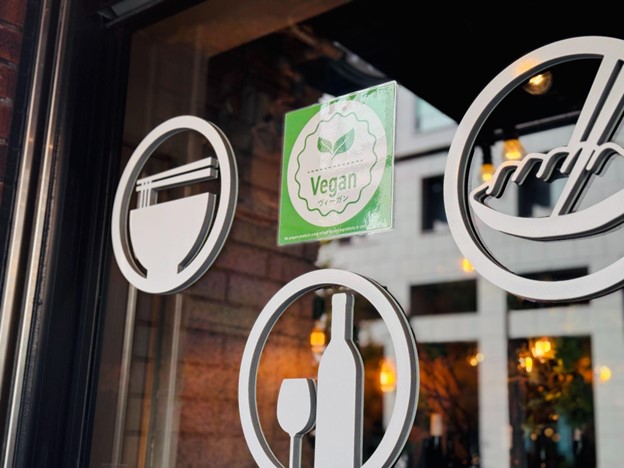
Kobe’s inclusive food culture is also reflected in its growing plant-based dining scene. One notable example is Isogami Gyoza Bar, a popular spot near Sannomiya that has gained attention for its creative vegan take on Japanese comfort food.
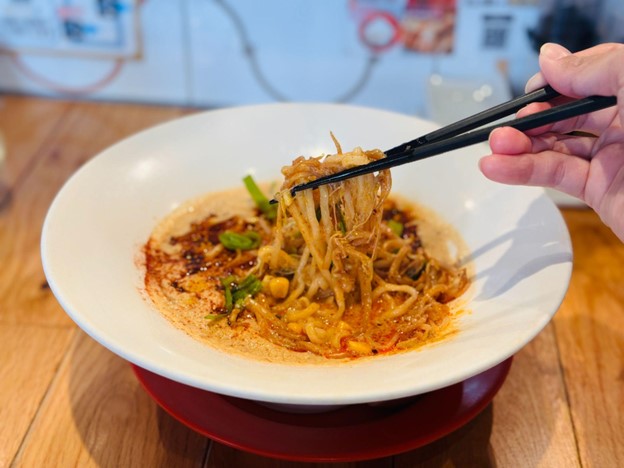
At Isogami Gyoza Bar, classic dishes such as gyoza and ramen are reimagined using plant-based ingredients, with depth and satisfaction.
The vegan ramen features a rich, umami-forward broth paired with chewy noodles and seasonal vegetables, while the gyoza are carefully seasoned and pan-fried to achieve a crisp exterior and flavorful filling—often surprising even first-time vegan diners.

Halal Kobe Beef Experience
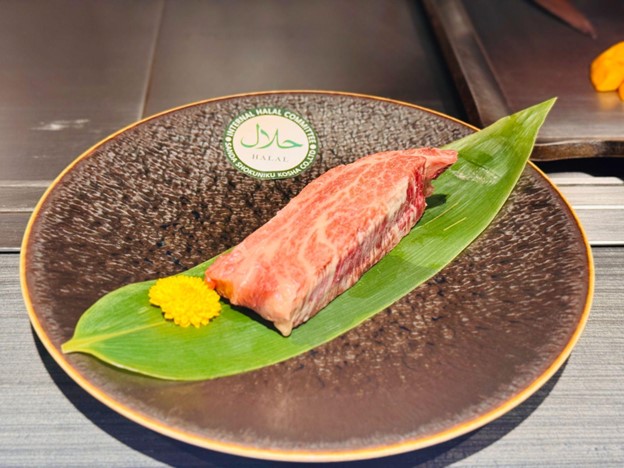
For Muslim travelers wishing to experience one of Japan’s most iconic delicacies, Kobe Beef Steak Sakura offers a rare and reassuring opportunity. Located in the birthplace of Kobe Beef, the restaurant serves certified halal Kobe Beef, prepared with strict halal procedures and careful separation in cooking and tableware. Guests can enjoy the renowned tenderness and flavor of authentic Kobe Beef teppanyaki with complete peace of mind.
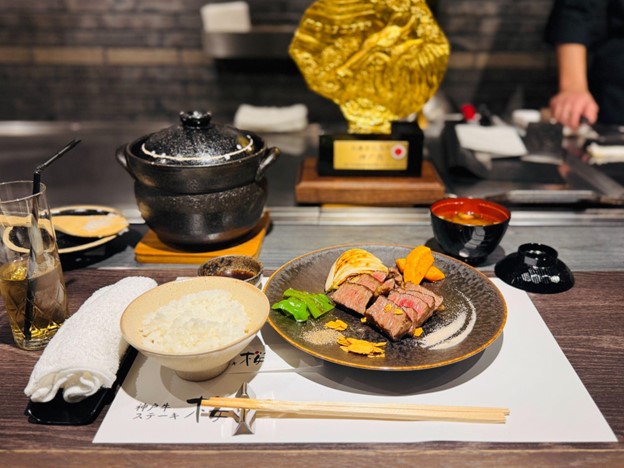
For details on halal menu courses, and the full dining experience, please refer to the full review article
Where the Sizzle Stays in Your Heart: My Halal Kobe Beef Journey at Kobe Beef Steak SAKURA
https://www.hyogo-tourism.jp/world/reviews/55
A Waterfront Stay at Meriken Park
For travelers wishing to stay close to the sea, Oriental Hotel Kobe Meriken Park offers an ideal base along the waterfront. Located directly beside Meriken Park, the hotel places guests within easy walking distance of the harbor promenade, Port Tower, and Kobe Harborland.
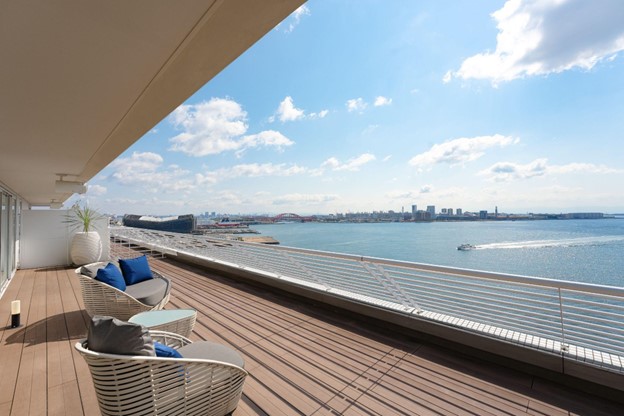
Many rooms feature wide windows or private balconies overlooking the port, allowing guests to experience Kobe’s changing atmosphere—from the soft light of early morning to the gentle glow of the city after sunset—without leaving their room. The calm seaside setting, combined with convenient access to cultural sites and dining areas, makes the hotel especially well suited for travelers who prefer a relaxed, unhurried stay.
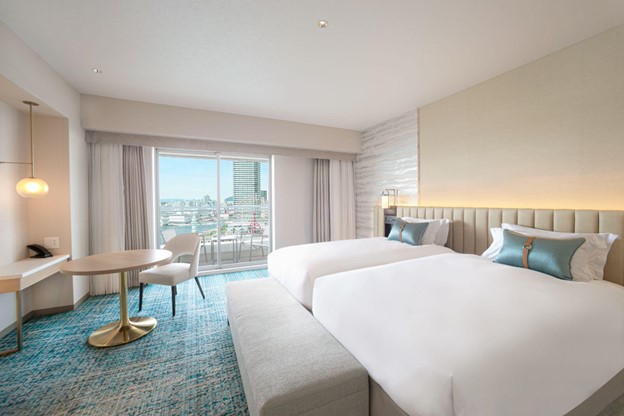
Kobe reveals its charm gradually. By staying overnight, visitors can enjoy quiet mornings overlooking the harbor, unhurried walks through historic neighborhoods, and evenings framed by city lights reflecting on the sea.
With its blend of cultural heritage, Muslim-friendly facilities, inclusive dining, and relaxed waterfront atmosphere, Kobe offers a welcoming and meaningful stay for travelers exploring Hyogo—inviting them not just to visit, but to settle in and experience the city’s open spirit.




 For Travel Agents