
- Gourmet
- Experiences
Vegan Food Guide to Hyogo: Discover Kobe & Himeji
Oh boy oh boy! As a vegan living in Japan for eight years, I’ve had my fair share of difficult food experiences, but I’d be remiss if I didn’t mention how great some of Japan’s vegan food can be. With a rich history of 精進料理, or “Buddhist vegetarian cuisine,” you’d be surprised to find that many of Japan’s famous dishes—okonomiyaki, yakisoba, monja, and more—are actually quite plant-based to begin with. In fact, many soup-based dishes such as udon, ramen, and soba can be made vegan simply by not including any meat or fish and by making sure the broth is plant-based as well.
With that said, Japan can still be difficult to navigate as a vegan, especially if you’re visiting for the first time and cannot speak or read Japanese. I recently had the opportunity to visit the Kobe area in Hyogo Prefecture and, of course, eat a ton of delicious vegan food. So let me take you through that journey and help you have a really fun time in Japan—even as a vegan.
First Stop - Modernark pharm cafe
After visiting the “Kitano Ijinkan Gai” in the morning, I made the 15-20 minute walk over to this cute cafe about halfway between Sannomiya and Motomachi station. The interior of the cafe was quite spacious, and there was quite a large variety of not just food items but also cakes and other baked goods. They also carry a selection of Japanese vegan food items, which could be fun to bring back as a souvenir or to buy for your hotel room if you plan on staying in Japan longer.
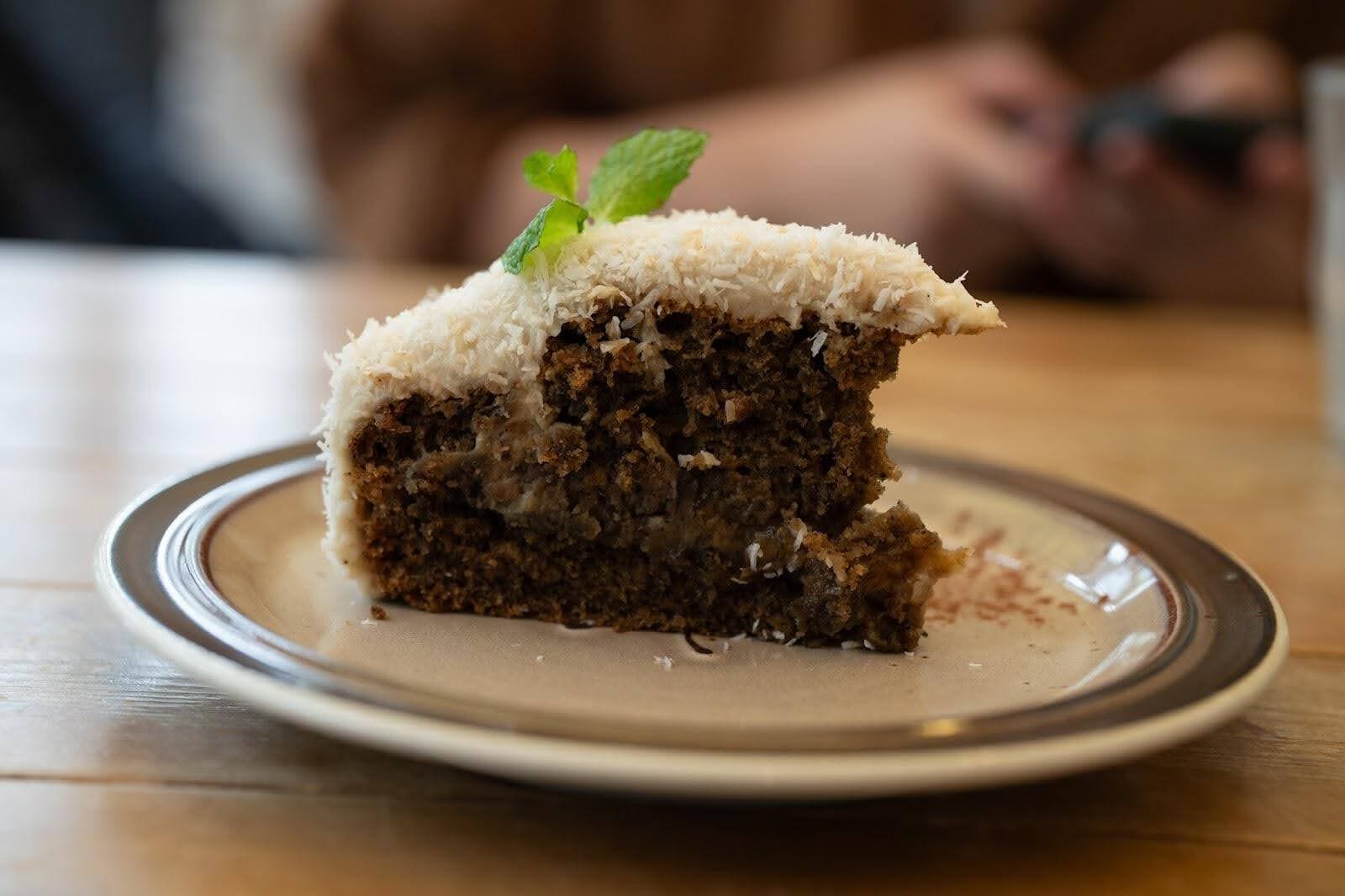

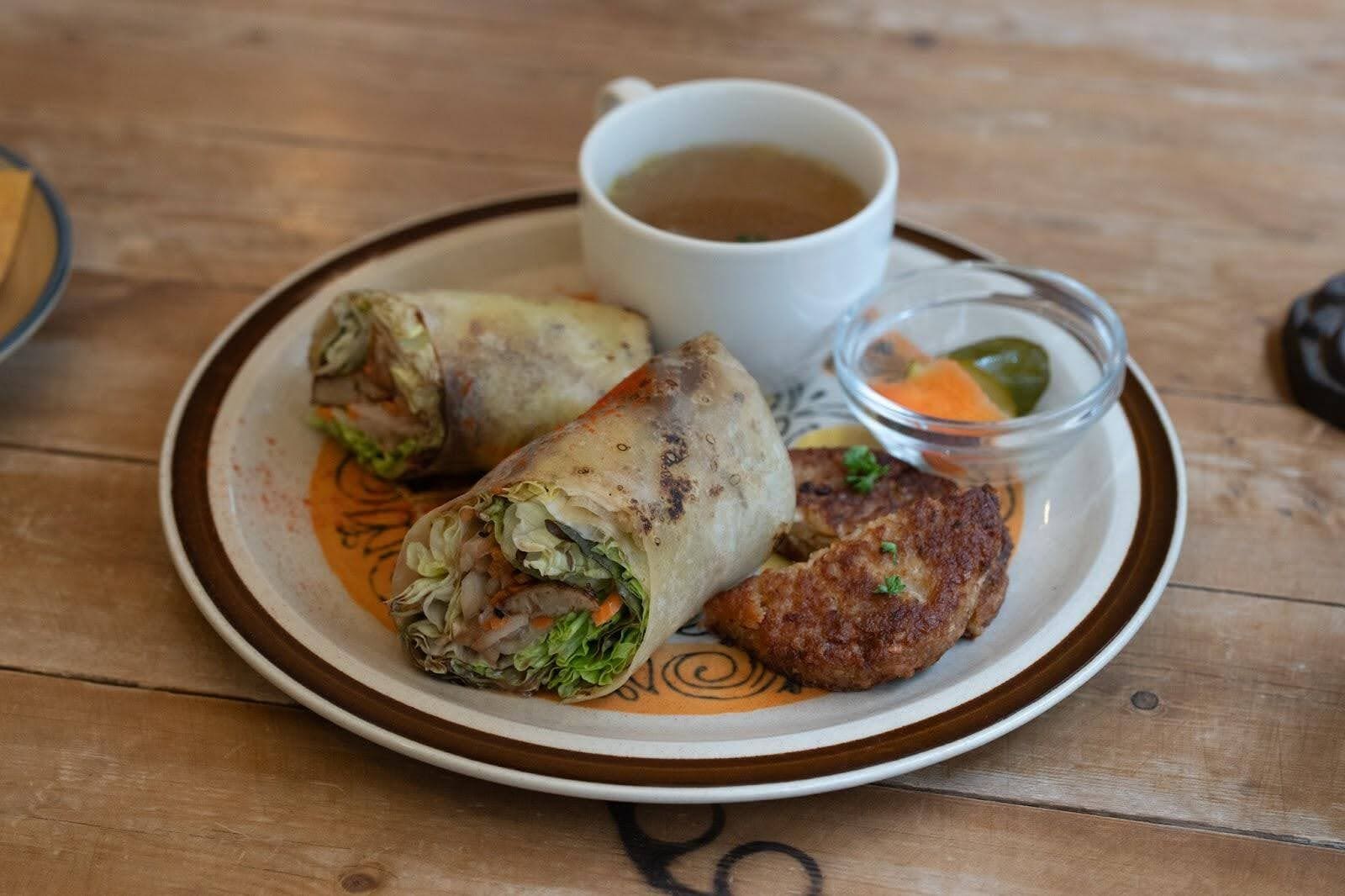
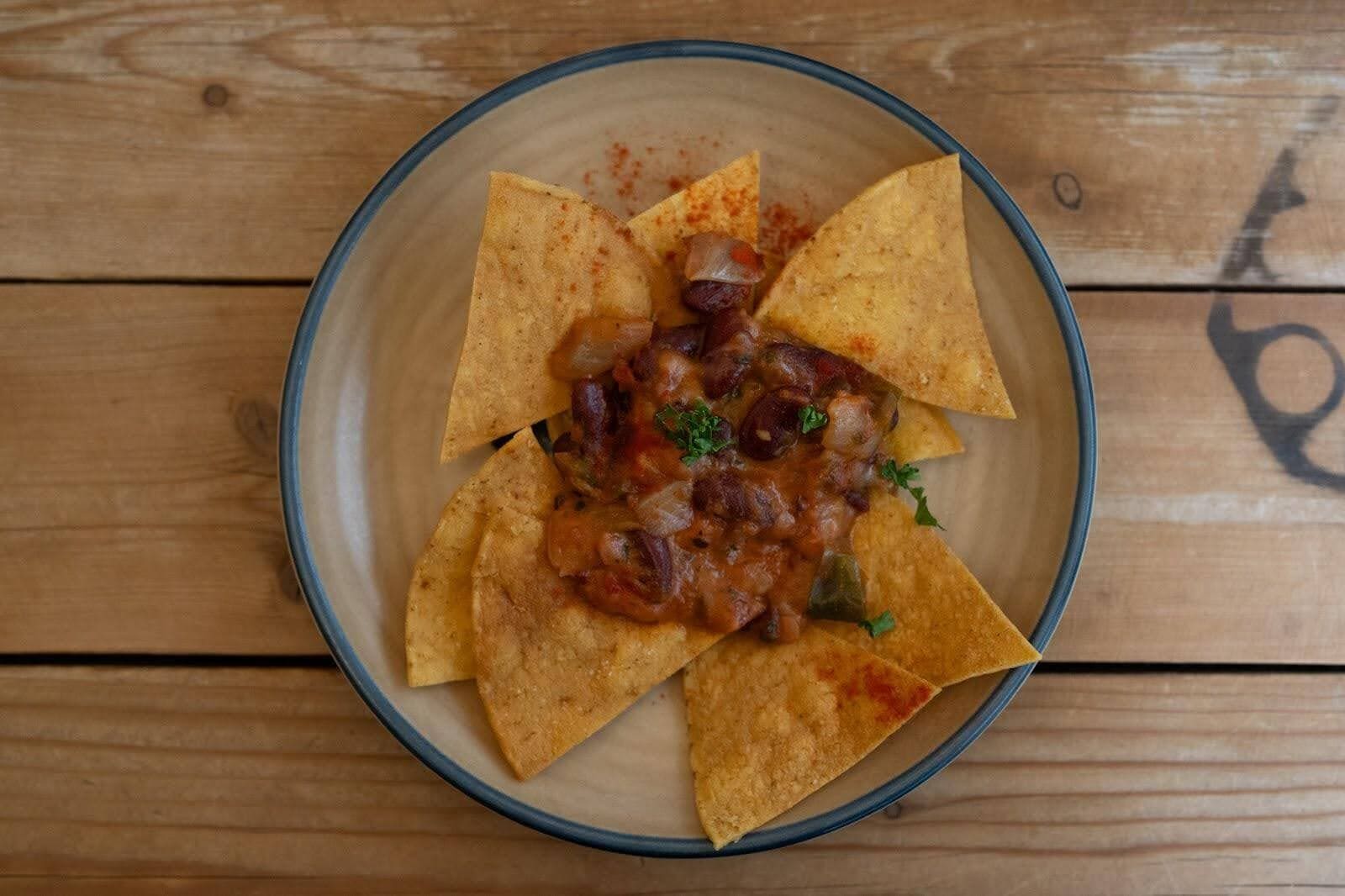
This time I went ahead and ordered the taco rice, the nachos, and 2 cakes!! All were very delicious!
PLACE: Modernark Pharm Café (Kobe)
Address: 3-11-15 Kitanagasadori, Chuo-ku, Kobe, Hyogo (Kobe Tsusho Building 1F / Tor West area)
Vibe: Cozy organic-style café known for veggie-forward, plant-based dishes and homemade sweets.
Access: About a 7-minute walk from JR/Hanshin Motomachi Station (also walkable from Sannomiya).
Opening Hours:
・Mon–Thu & Sun: 11:30 AM – 7:00 PM (L.O. 6:00 PM)
・Fri–Sat: 11:30 AM – 8:00 PM (L.O. 7:00 PM)
Closed: Basically open year-round, except Jan 1.
Official Website: https://modernark-cafe.chronicle.co.jp/
Before showcasing where I had dinner, however, let’s go over a quick history of vegan food in Japan.
A Quick History of Vegan Food in Japan
I have to say, before actually studying Japanese and learning more about Japanese culture, my knowledge of Japanese cuisine was limited to, quite literally, sushi and teriyaki chicken. It seems obvious in retrospect, but as I was growing up in LA, little did I know that Japanese cuisine culture was actually one of the richest in the world. Dishes like oden, monjayaki, katsudon, and countless others for example were completely off my radar.
Though walking through the streets of Japan today you might be led to believe Japanese cuisine is quite meat-based, that’s definitely far from what was originally the case. In fact, it’s quite a well-known fact that meat was historically banned in Japan until the Meiji period. The roots of that ban go way back: in 675 CE, Emperor Tenmu issued an edict prohibiting the eating of certain land animals—especially cattle, horses, dogs, monkeys, and chickens—during the farming season, a rule shaped by early Buddhist ideas of non-killing, Shinto notions of ritual purity, and practical concerns about protecting valuable work animals.
Over the centuries, later rulers reinforced similar restrictions, and a broad cultural taboo against meat took hold. It wasn’t a perfectly meat-free society—people still ate fish and seafood daily, and game like wild boar and deer (not named in the original edict) was hunted in some regions—but eating four-legged livestock was widely seen as impure and stayed socially marginal for well over a thousand years.
That changed rapidly after the Meiji Restoration (1868). As Japan modernized and looked to the West, the government actively promoted meat as part of “civilization and enlightenment” and national strengthening. In 1872, the court publicly announced that Emperor Meiji had eaten beef, and the state formally lifted the long-standing restrictions—symbolically giving people permission to follow suit.
Beef hotpot restaurants and dishes like gyūnabe (the ancestor of sukiyaki) spread from port cities and urban centers, and by the late 19th–early 20th century, meat had become an accepted, even modern, part of everyday Japanese food culture. As you can see, however, meat was never an integral part of Japanese society until quite recently, historically speaking.
Going even further back, pigs, chickens, and cows didn’t even originally exist on the islands that make up Japan. Early Japan had no domesticated livestock of these kinds; pigs, chickens, and cattle were introduced from the Asian continent during the Yayoi and Kofun periods (roughly the 1st millennium BCE to the early centuries CE). To be clear, Japan did have wild animals—most notably wild boar, the ancestor of domestic pigs—but the farm animals we associate with “meat cuisine” arrived later, alongside wet-rice agriculture and increasing contact with the mainland.
Second Stop - isogami gyoza bar tomako
Alright! Now that we’ve whetted our appetites, let’s move on to my favorite spot we visited: “isogami gyoza bar tomako.”
For those of you who don’t know, I actually run and maintain Japan’s largest vegan map (which you can access here: japanveganmap.org).
As such, I’m usually pretty well informed about any restaurants offering decent plant-based menus around Japan—so you can imagine my surprise when I found out this place existed!!
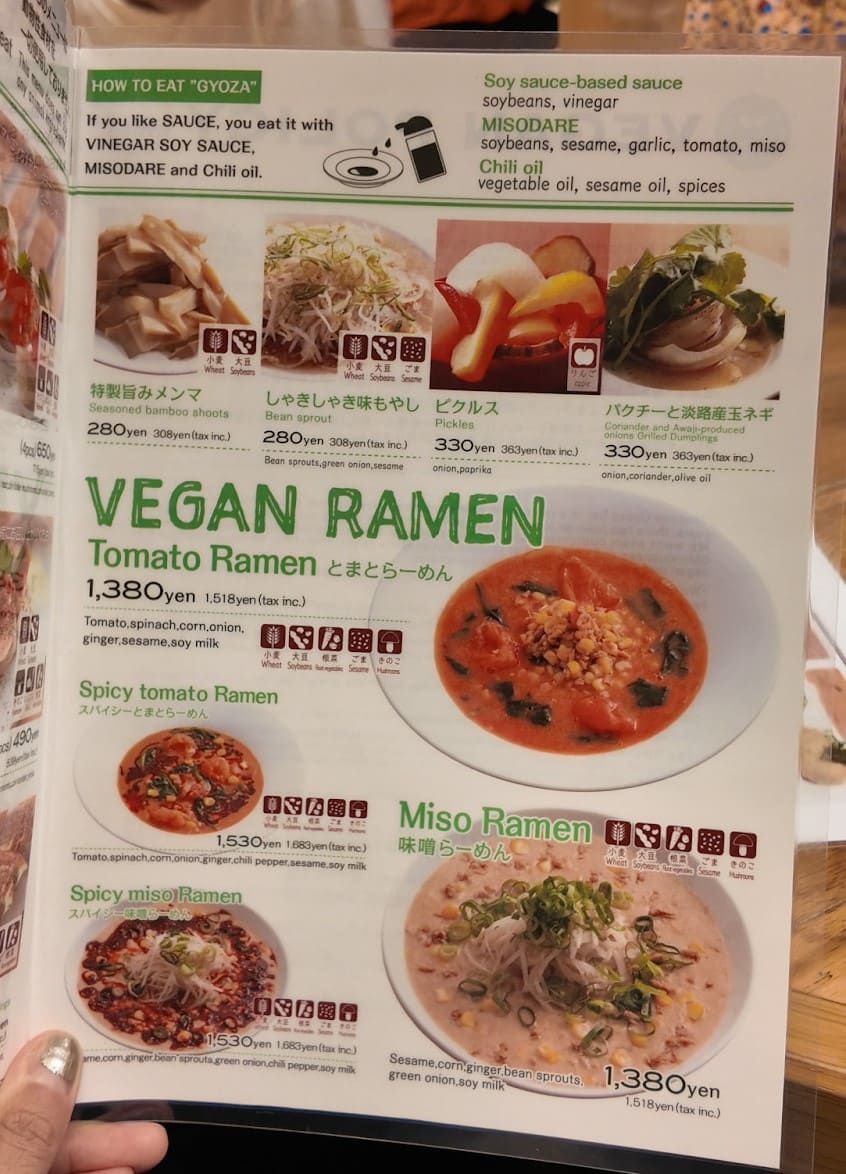
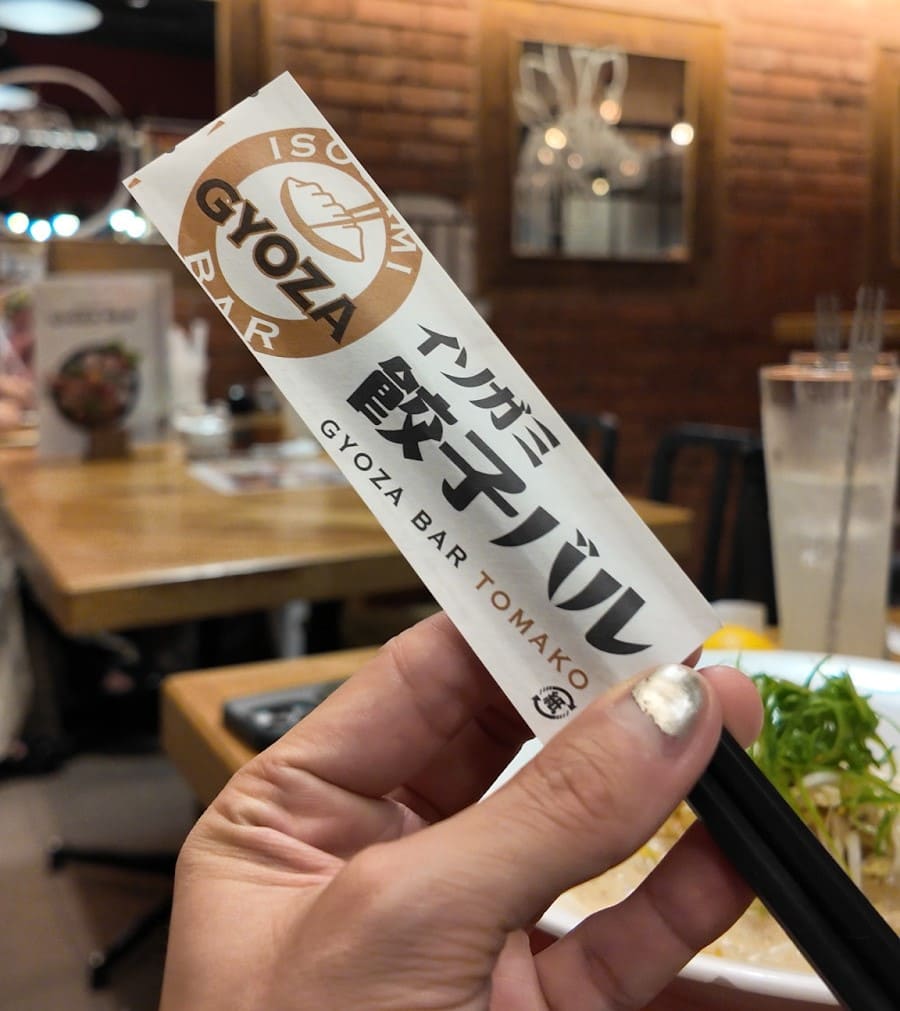

The restaurant has a selection of vegan ramen you can choose from, ranging from fresh tomato-flavored ramen to richer spicy miso ramen. The gyoza here are also some of the best vegan gyoza I’ve had so far! The variety in flavors, textures, and types of gyoza makes sure everyone at the table has something they’ll enjoy.
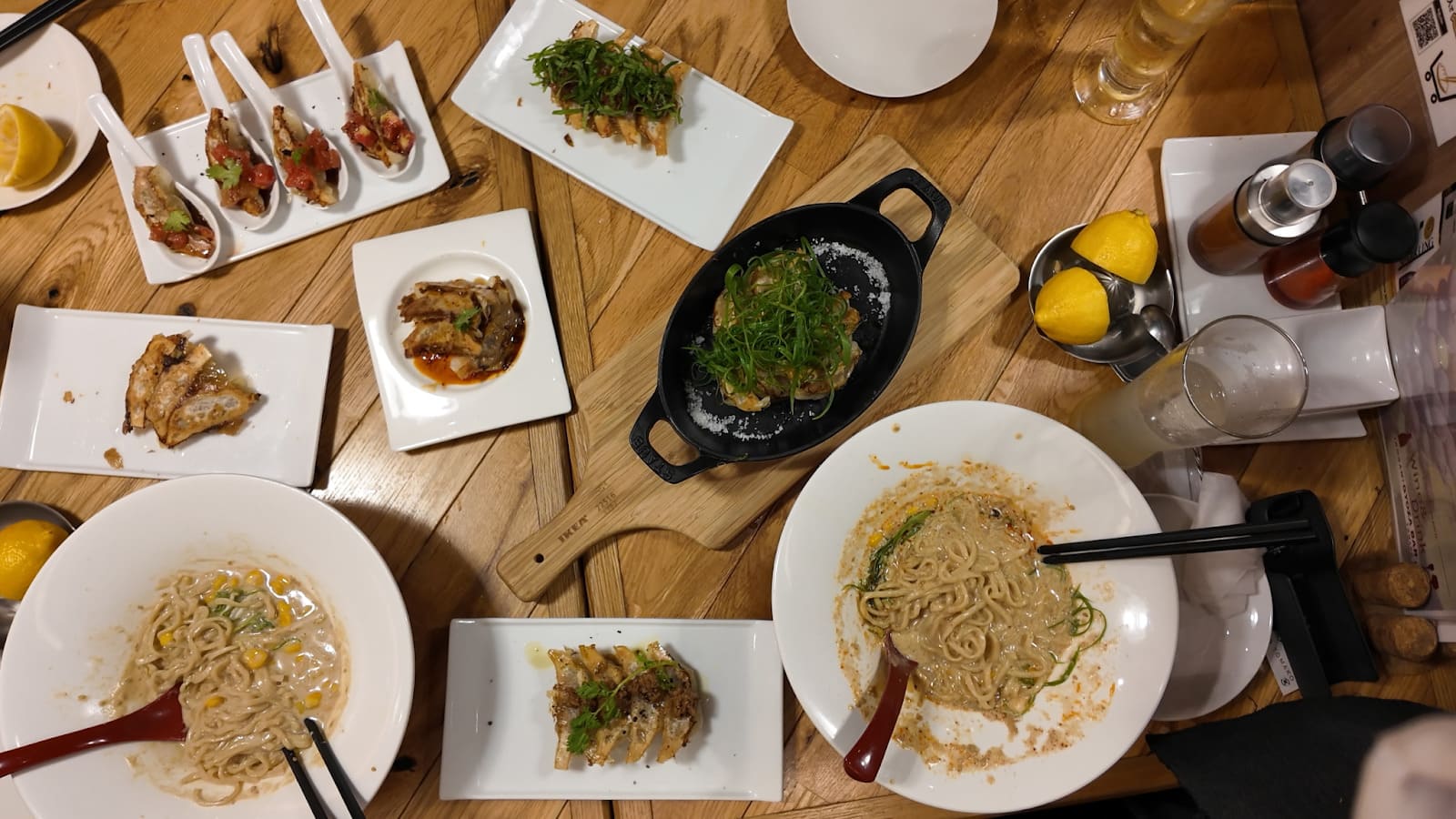
My ramen and gyoza were so good, in fact, that the friends I was with kept wanting to try all the different varieties and even ended up ordering vegan miso ramen for themselves as well. The menu also has regular animal-based items, so it’s easy to visit with non-vegan friends too.
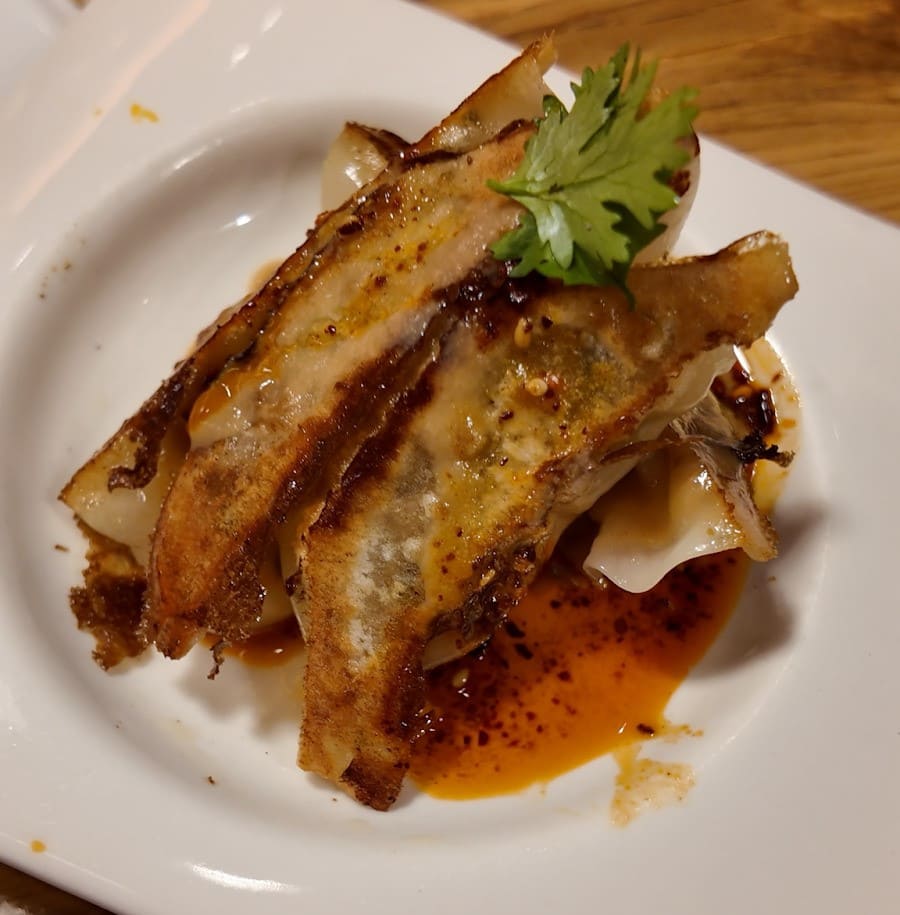
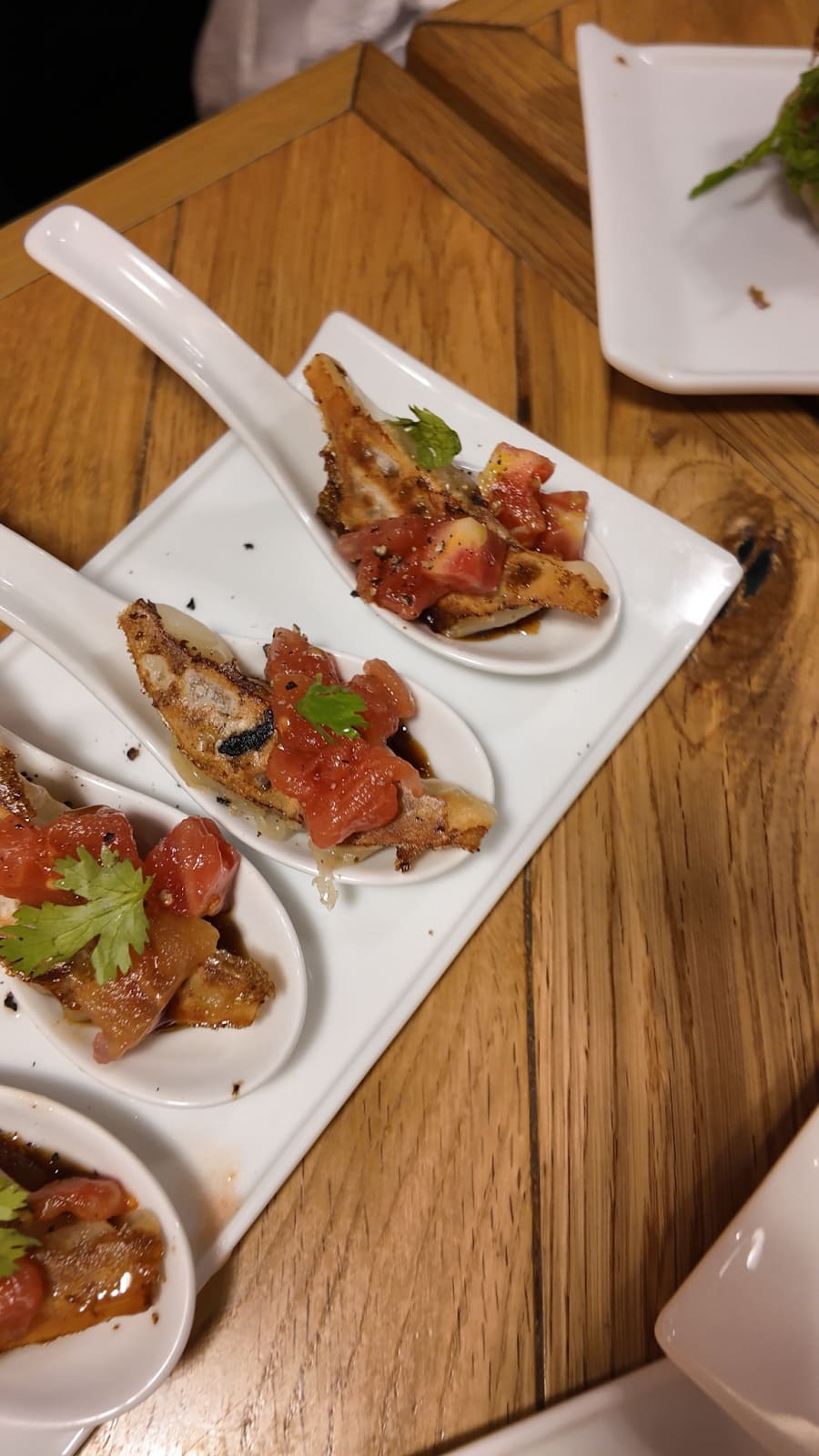
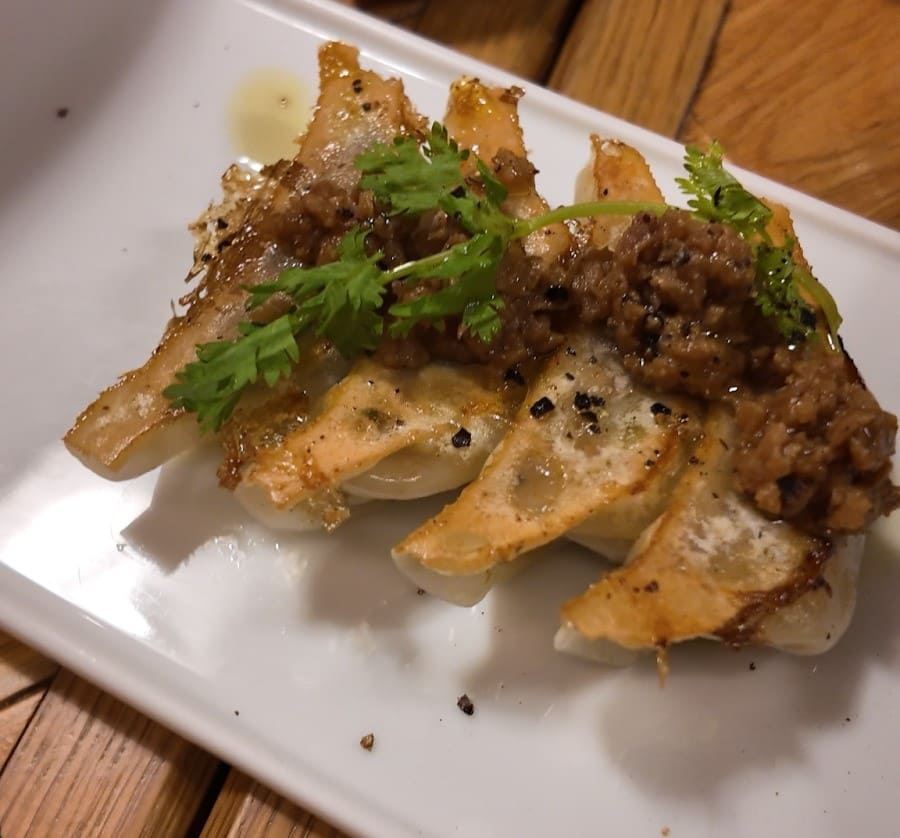
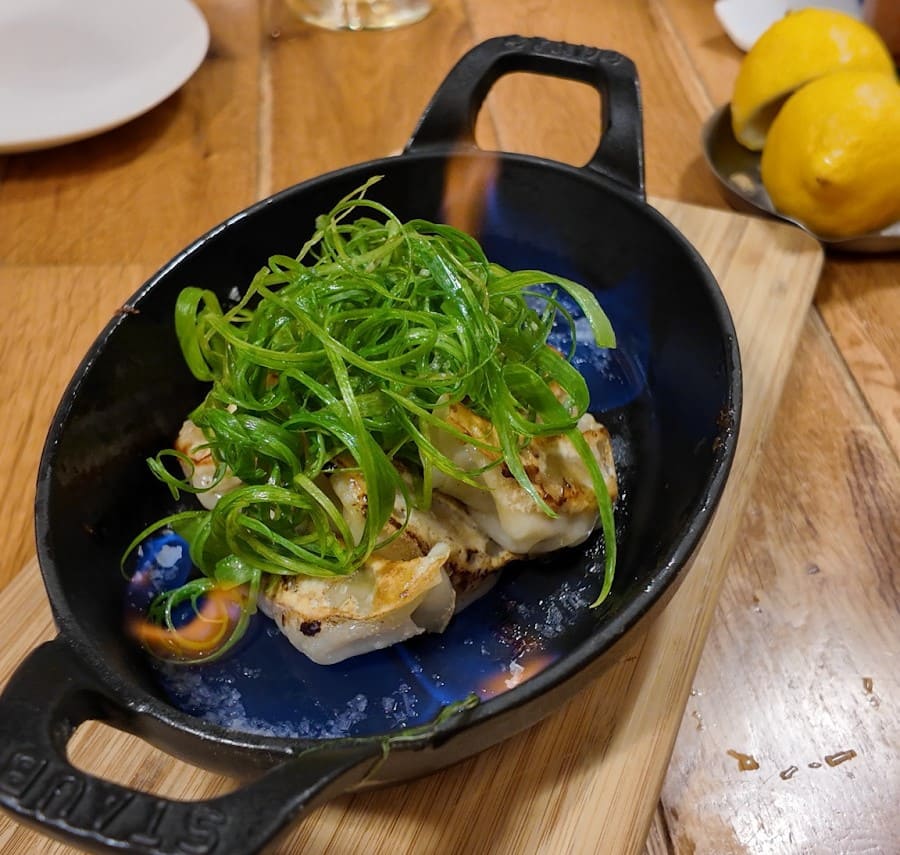
Definitely add this place to your must-visit list when coming to Kobe!
PLACE: Isogami Gyoza Bar TOMAKO (Kobe)
Address: 8-1-29 Isogami-dori, Chuo-ku, Kobe, Hyogo 651-0086 (Casabella Building area)
Vibe: Stylish “creative gyoza bar” with lots of fun flavors; vegan/vegetarian options are available, but not everything is plant-based—check the menu when ordering.
Access: Near Sannomiya / Hanadokeimae area, easy walk from Sannomiya stations.
Opening Hours: 11:00 AM – 3:00 PM / 5:00 PM – 10:00 PM (L.O. ~9:15 PM)
Closed: No regular closing days; Jan 1 closed, Dec 31 closes early.
Official Website: https://isogami.jp/
If you have the opportunity to eat at a fully plant-based restaurant,
or at a place where the vegan options are clearly marked, you’ll definitely have an easier time. However, that won’t always be possible.
In that case, I’ve prepared a little guide below to help you navigate Japan as a vegan, even if you don’t (yet) speak Japanese.
A Quick Guide to Ordering Vegan Food in Japan
I’ll be real — while being vegan in Japan has gotten way easier than it used to be,
it still helps to come in with a tiny bit of strategy, as there will be moments when you could find yourself stuck with nothing good to eat especially if you are traveling around Japan. The biggest thing to remember is this: a lot of dishes look plant-based, but might hide fish stock, egg, or dairy.
I’ve had a lot of friends visiting Japan who simply avoid eating meat or fish, but who don’t mind if the broth has a little of either.
Where you draw the line is up to you, but here are just a couple of key phrases and a calm way to double-check.
1) Lead with “I’m vegan” + what that means (short and simple).
・ビーガンです。肉・魚・卵・乳製品は食べません。
Bīgan desu. Niku / sakana / tamago / nyūseihin wa tabemasen.
“I’m vegan. I don’t eat meat, fish, eggs, or dairy.”
If you want it extra safe, add:
・出汁(だし)も動物性はNGです。
Dashi mo dōbutsusei wa NG desu.
“Animal-based stock is also not okay.”
2) Know the sneaky non-vegan stuff.
These pop up everywhere:
・出汁 (fish/bonito stock)
・かつお / 煮干し / さば (bonito / dried sardine / mackerel stock)
・卵 (often in noodles, breads, okonomiyaki, tempura batter)
・バター / ミルク / チーズ / マヨネーズ
・豚骨 / 鶏ガラ (pork/chicken broth)
If you see those words on a menu, that dish is basically a no-go unless they confirm otherwise.
3) Use “can you remove it?” when it’s close.
A lot of places are happy to adjust if it’s simple, though don’t push too hard especially if the spot looks more traditional or has a more pre-determined menu.
・それ抜きでできますか?
Sore nuki de dekimasu ka?
“Can you make it without that?”
・野菜だけにできますか?
Yasai dake ni dekimasu ka?
“Can you make it vegetables only?”
You’ll find something else delicious two streets later, promise!
Third Stop - Cafe Kotonaki
Next was this cool café tucked away in a quaint building near Himeji Castle called “Cafe Kotonaki.”
I stopped by Himeji on the second day of my trip to Hyogo and was excited to see what delicious vegan eats I could find. You can read more about my trip to Himeji here
The café’s proximity to the castle grounds makes it a no-brainer to visit either before or after checking out the castle.
There isn’t much seating, but if you visit during a less busy time, you should be able to sit down with no problem.
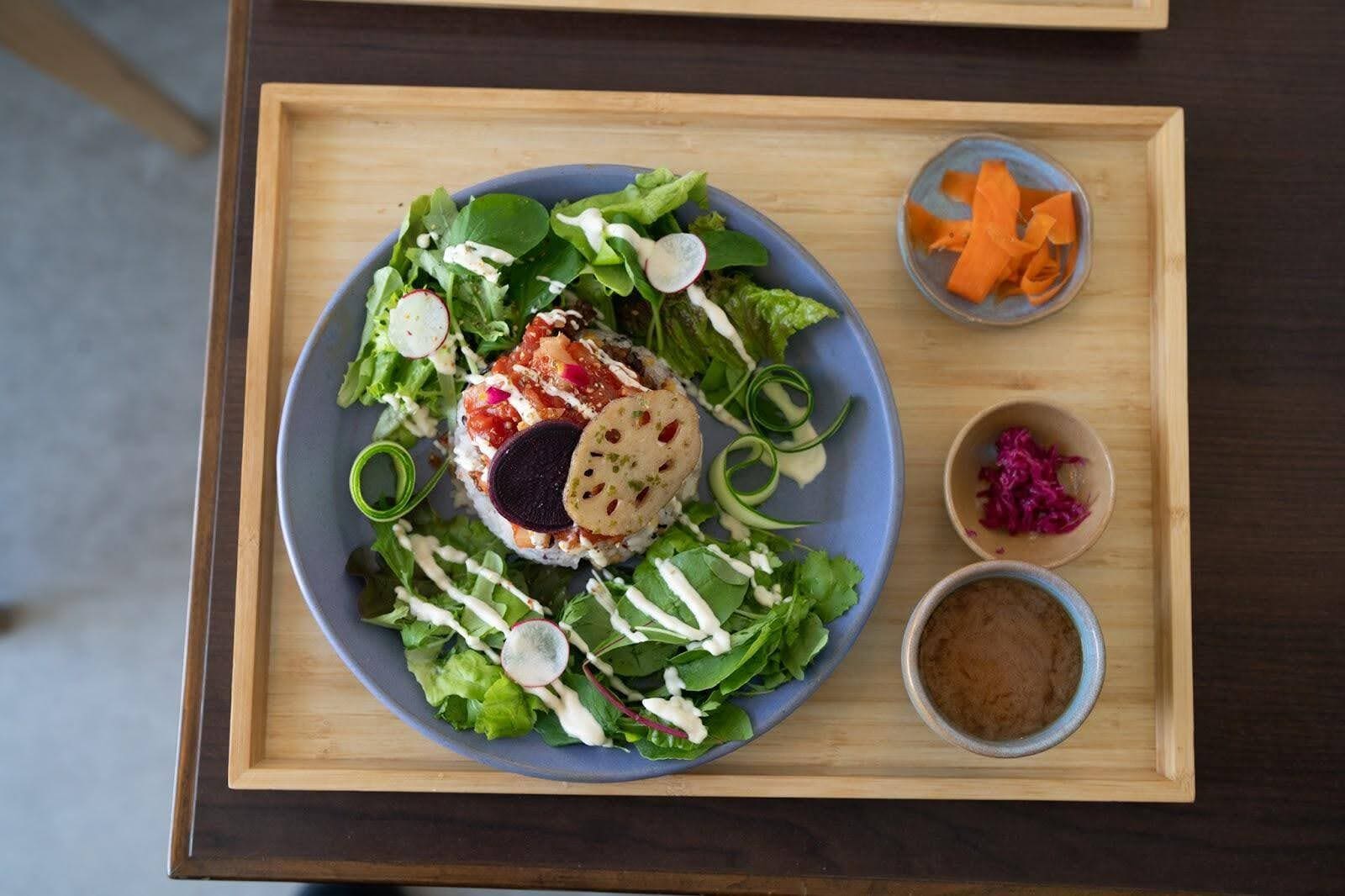
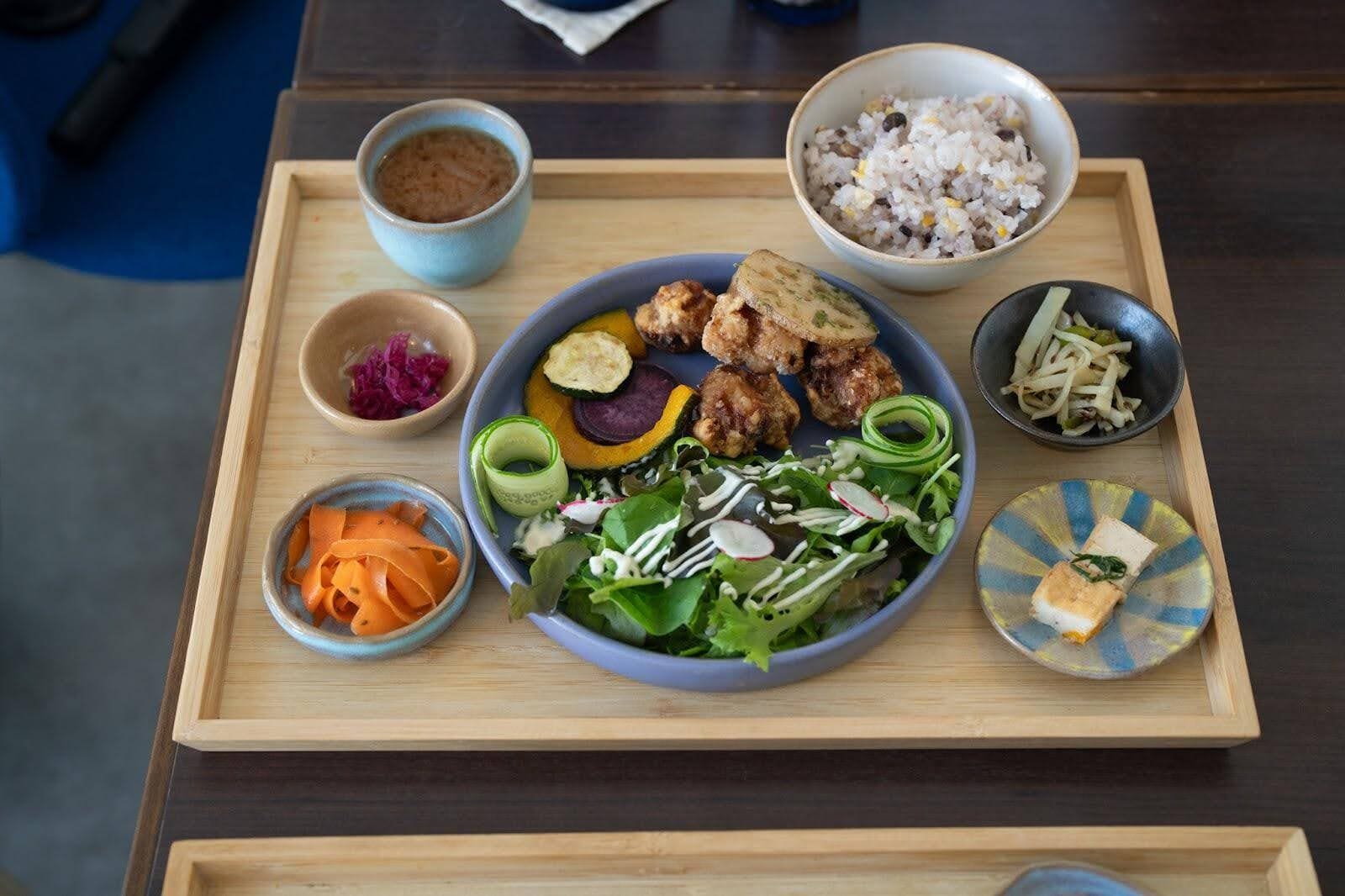
After letting myself be a bit of a glutton the day before in Kobe, this café was perfect to help me reset and get a healthy dose of vegetables. The locally sourced veggies were delicious, and I was really glad I got to stop by this cute spot.
PLACE: Cafe Kotonaki (Himeji)
Address: Himekoji Building 2F, 68 Honmachi, Himeji, Hyogo — right near Himeji Castle.
Vibe: Small, modern fully vegan café with local/seasonal lunch plates and muffins/sweets.
Access: About a 10–12 min walk from JR Himeji Station; ~5 min from the castle area.
Opening Hours: 11:00 AM – 7:00 PM
Closed: Wednesdays.
Instagram: https://www.instagram.com/cafe_kotonaki/
Summary
Living as a vegan in Japan can be both thrilling for the taste buds and a bit of a slog at times. Many restaurants you’d think might have vegan options not only lack variety, but sometimes feature an astonishing zero possible choices.
If you live in Japan and learn to speak Japanese, you’ll definitely have an easier time, as you’ll quickly realize there are many more vegan options around you than you might have first thought. Many chain restaurants (Mos Burger, Coco Ichibanya, Starbucks, etc.) now offer a decent selection of vegan-friendly items, and there are more and more plant-based products being sold online as well.
With that said, the most important thing in my opinion, however, is to fully enjoy your time in Japan and eat amazing delicious food whenever possible. Bonne appétit!




 For Travel Agents