
- Nature / Scenery
- History / Culture
- Gourmet
- Traditions / Performing Arts
- Experiences
Tambasasayama, the Underrated Former Castle Town of Hyogo
Contributor : Ichiban japan
Nationality : France
Just an hour by train from Osaka or Kobe, the city of Tambasasayama is a truly hidden gem nestled in the mountains of Hyogo Prefecture. Founded as a castle town in the early 17th century, Sasayama developed under the Tokugawa shogunate as a strategic point for controlling the Osaka region.
The historical center of the city still preserves the urban layout inherited from the Edo period, offering visitors a real journey back in time. Today, I invite you to discover the charm of this unique, authentic, delicious, and warm destination that encourages you to enjoy Japan differently—by taking the time to appreciate every step and every suspended moment.
The Historic Kawaramachi Tsumairi District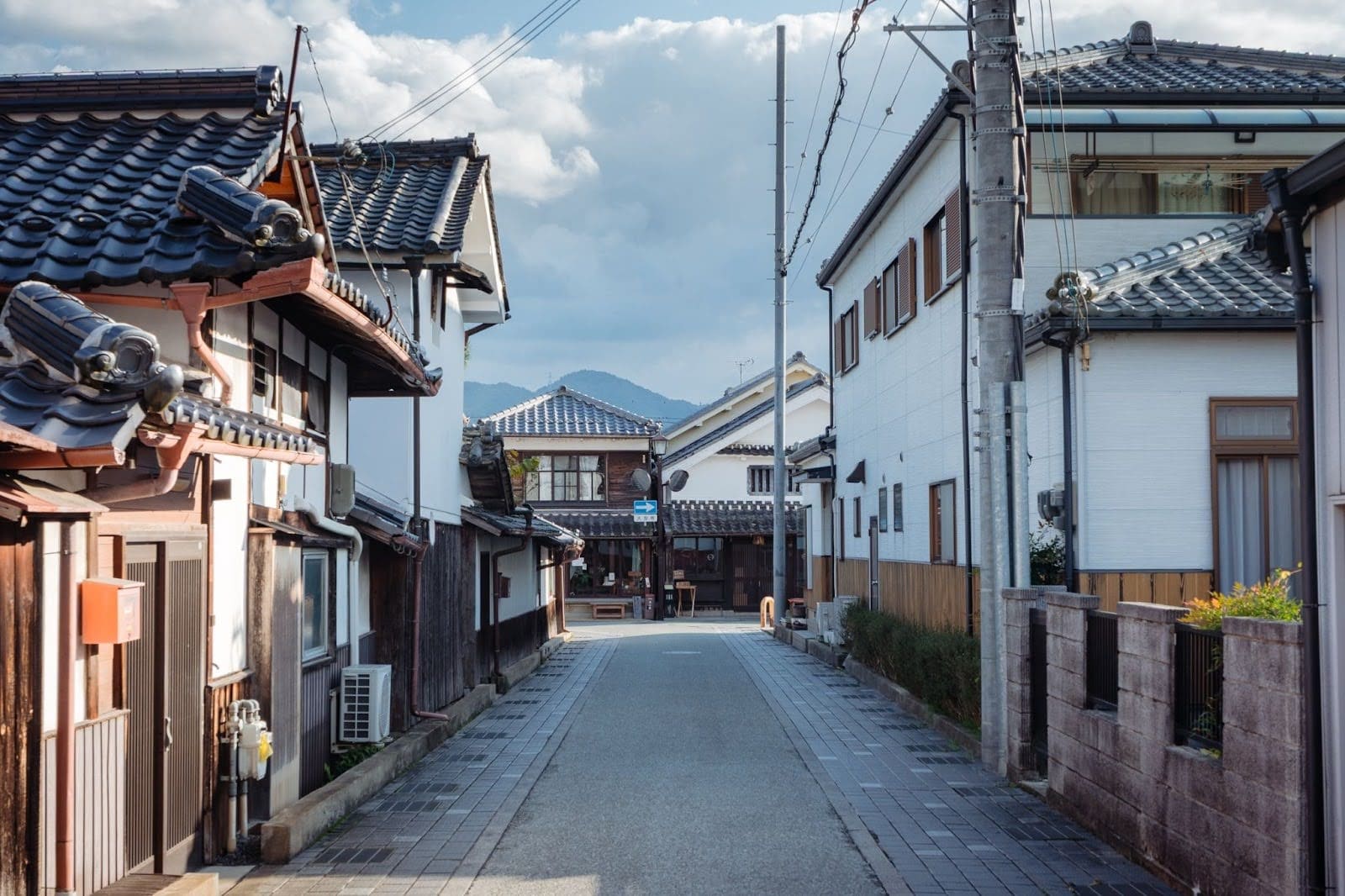
The must‑see spot in Tamba Sasayama is undoubtedly the historic Kawaramachi Tsumairi district—a roughly 600‑meter‑long shopping street lined with old traditional houses that serve as residences, museums, and shops.
These buildings feature dark wooden facades, narrow toward the street but extending deep toward the back, following the local tsumairi‑zukuri style in which the gabled roof faces the street.
This architectural choice gives the street a striking visual rhythm, punctuated by wooden lattices and horizontal‑barred windows typical of traditional Japanese houses. The recent undergrounding of power lines has further enhanced this harmony, revealing a beautifully consistent and refined streetscape.
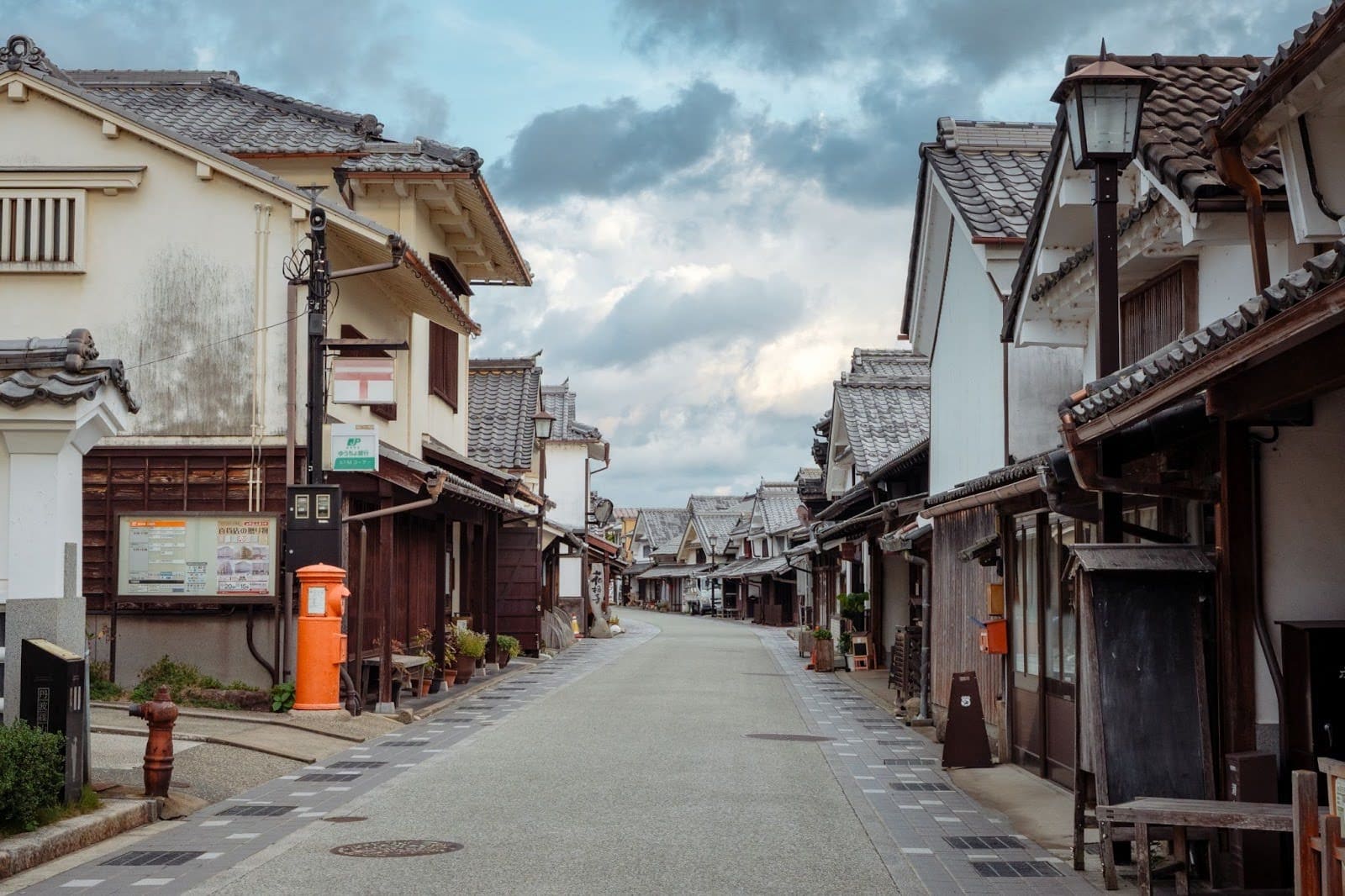
Formerly a commercial hub connected to the castle, this district once hosted the trade of rice, soy sauce, and ceramics, stored in large warehouses.
This commercial function remains alive today: Kawaramachi Tsumairi is home to several local craft shops and charming cafés.
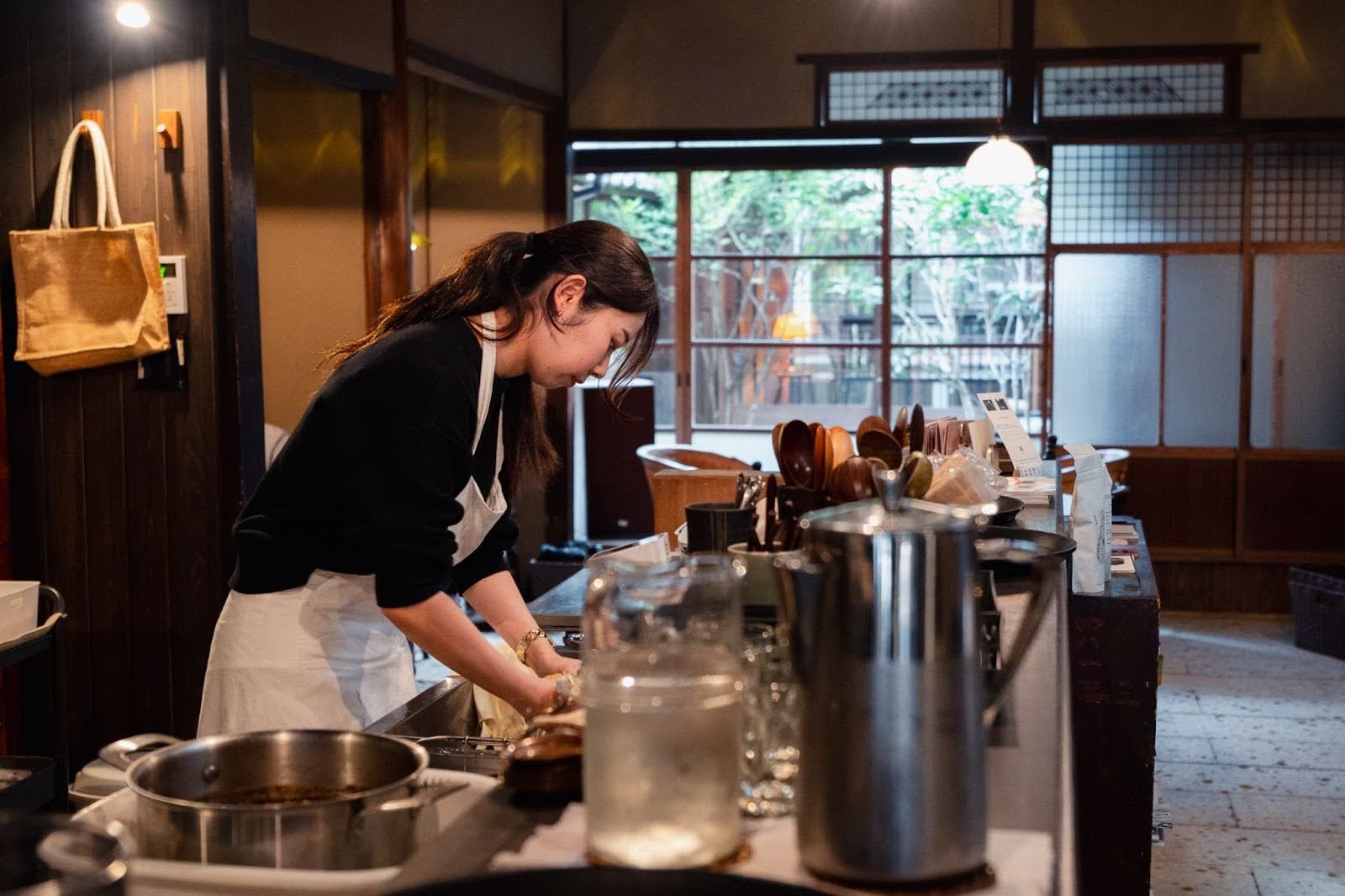
My recommendation is Café Oito, located in a nearly 200‑year‑old former merchant house, decorated with contemporary works by the local artist Takumi Fukuda.
Ojiyama Makekirai Inari Shrine
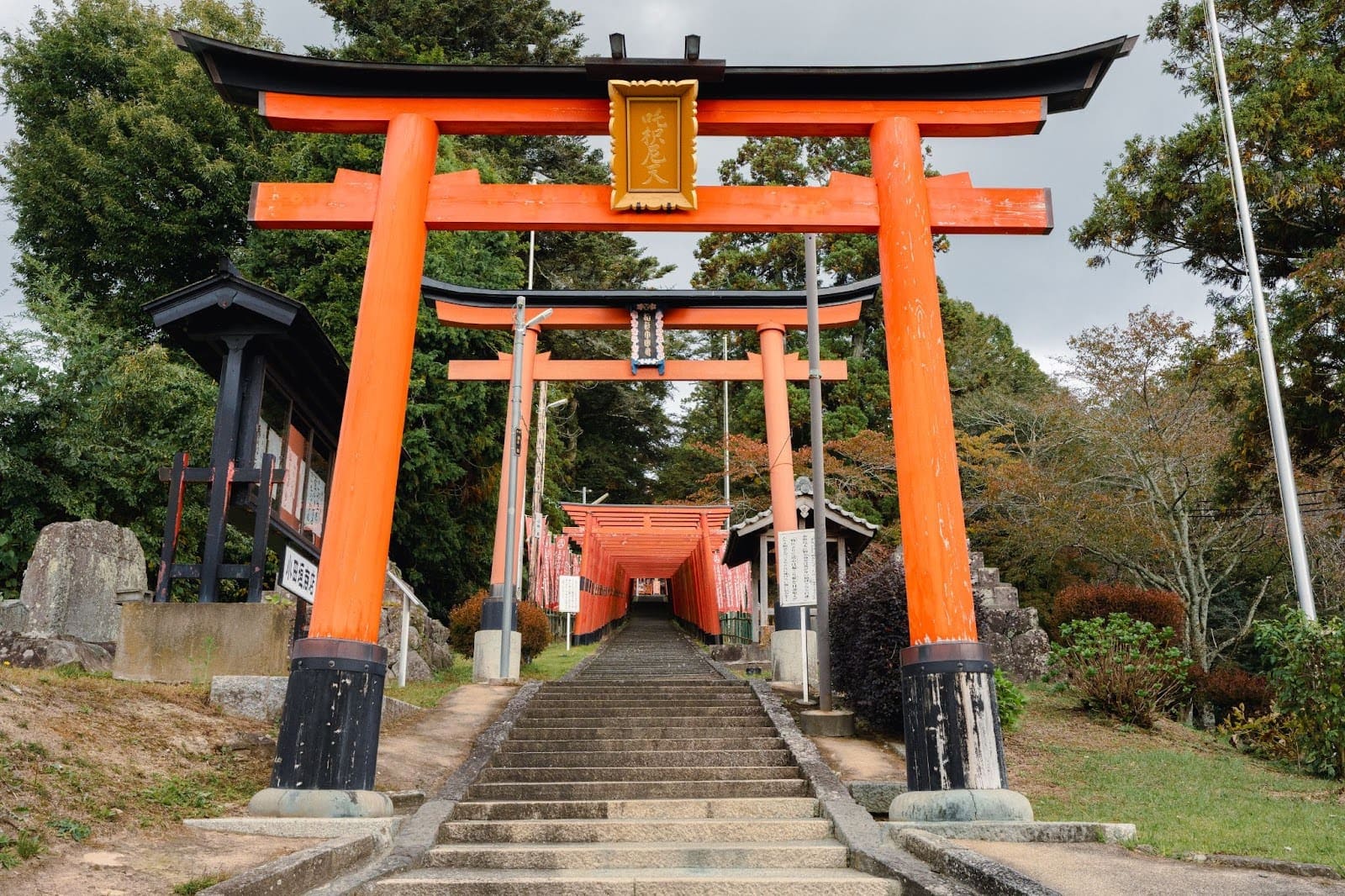
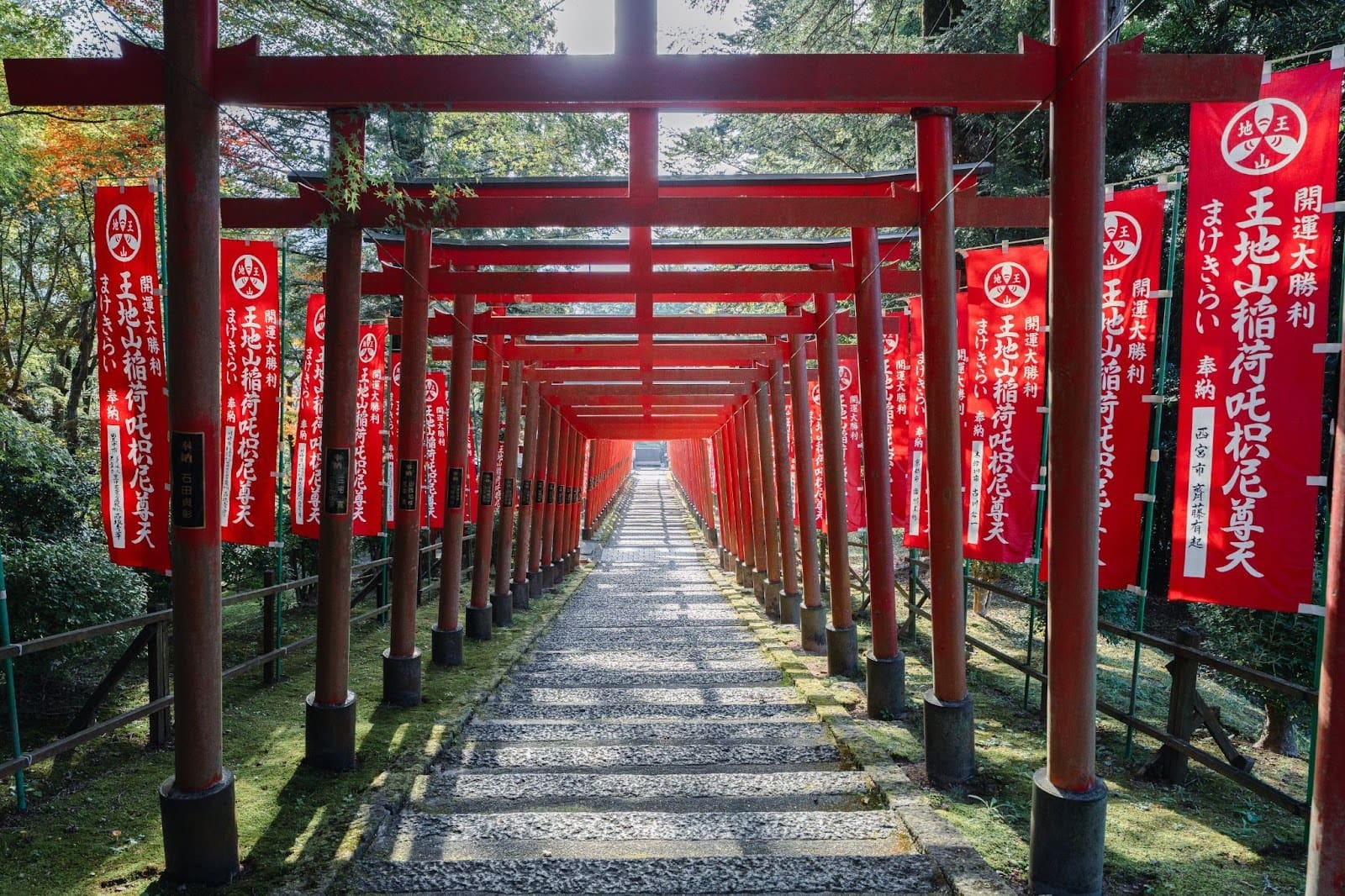
Just steps away from the merchant district stands the Ojiyama Makekirai Inari Shrine, perched on Ojiyama Hill and reached by climbing a moss‑covered stone stairway.
Dedicated to Inari—the deity of harvests and prosperity—the shrine is recognizable by its line of vermilion torii gates leading upward.
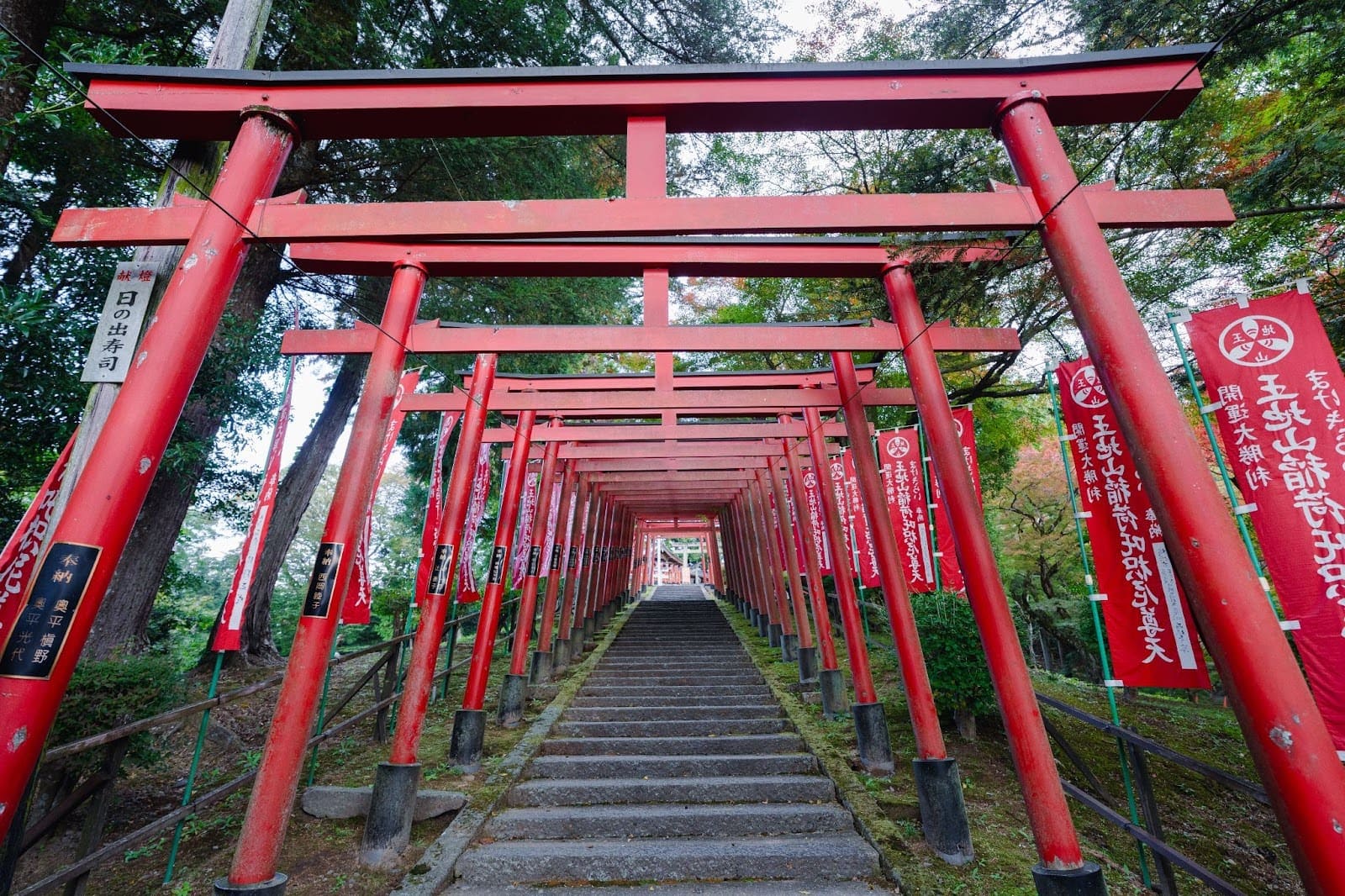
The nickname Makekirai (“one who hates to lose”) comes from a local legend dating back to the 19th century.
At that time, the proud lord of Sasayama struggled to endure the repeated defeats of his wrestlers at sumo tournaments held in Edo before the shogun.
One year, ten unknown men arrived at the castle claiming to represent Sasayama.
Against all expectations, they won victory after victory against champions from other domains—only to vanish after the tournament ended.
Upon returning to Sasayama, the lord discovered that their names matched those of small Inari shrines scattered across the region.
The legend says they were fox spirits of Inari, coming to aid their lord who could not accept defeat.
Since then, the site has been associated with victory and perseverance.
Even today, students before exams, athletes, and entrepreneurs come to pray there in hopes of avoiding failure.
Traces of Sasayama’s Feudal Past
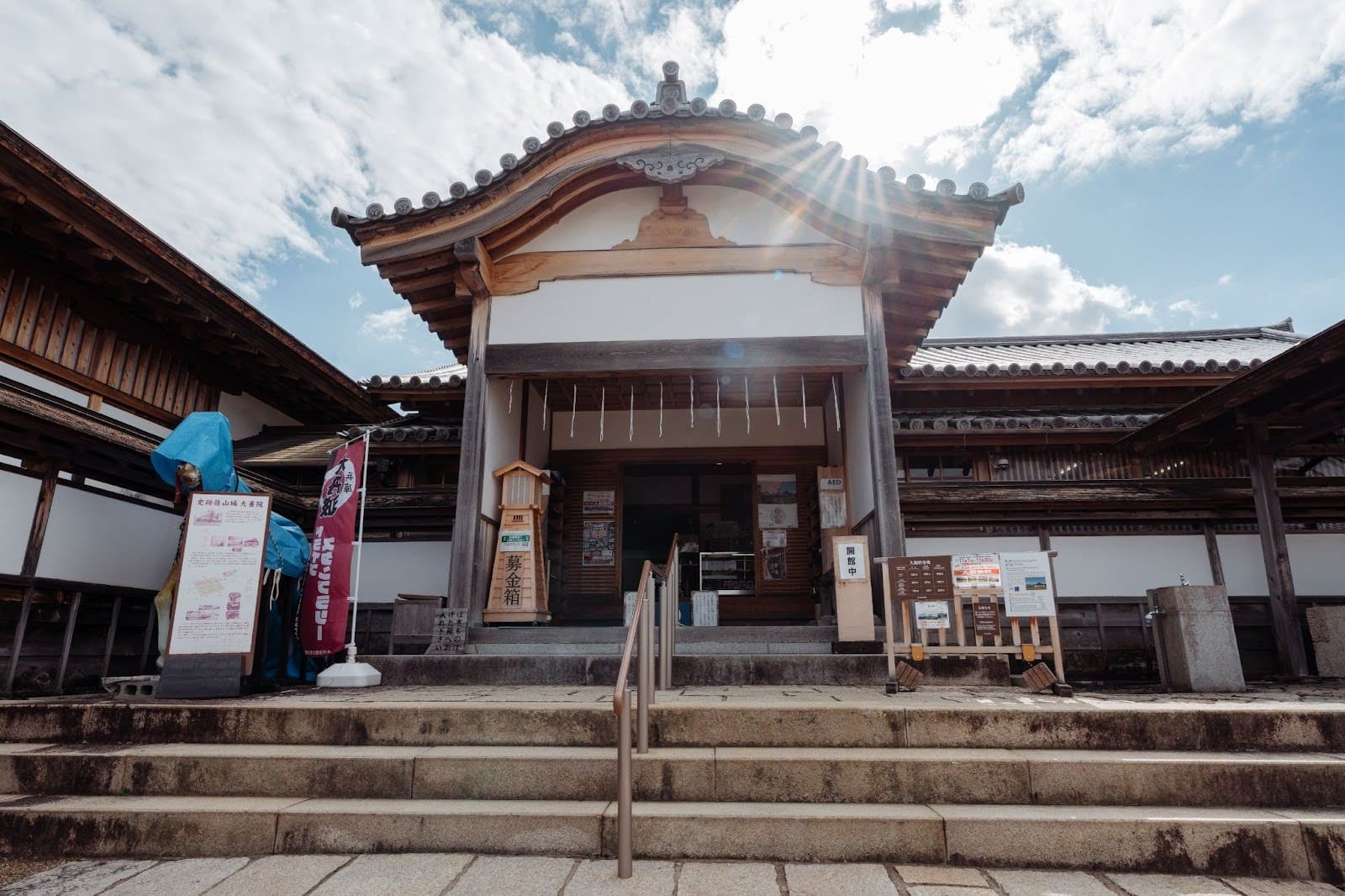
As a former castle town, Sasayama retains numerous remnants of its past.
At the very center of the city lies Sasayama‑jo Onshoin Palace, within the ruins of Sasayama Castle.
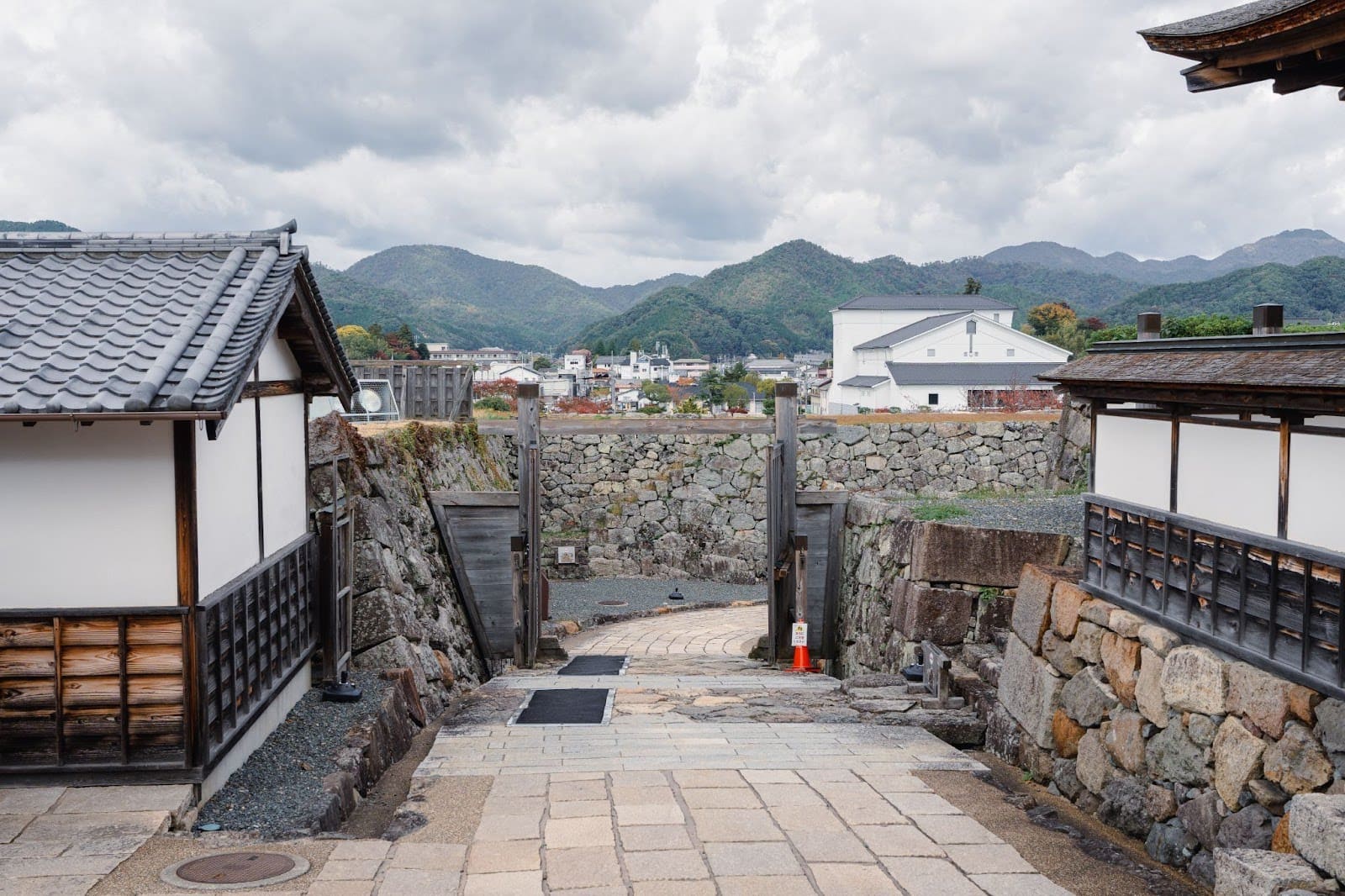
Of the fortress built in 1609 on the order of Tokugawa Ieyasu, no keep or watchtowers remain today—the buildings were largely dismantled during the Meiji period.
Visitors enter the site by crossing a stone bridge over the still‑watered moat.
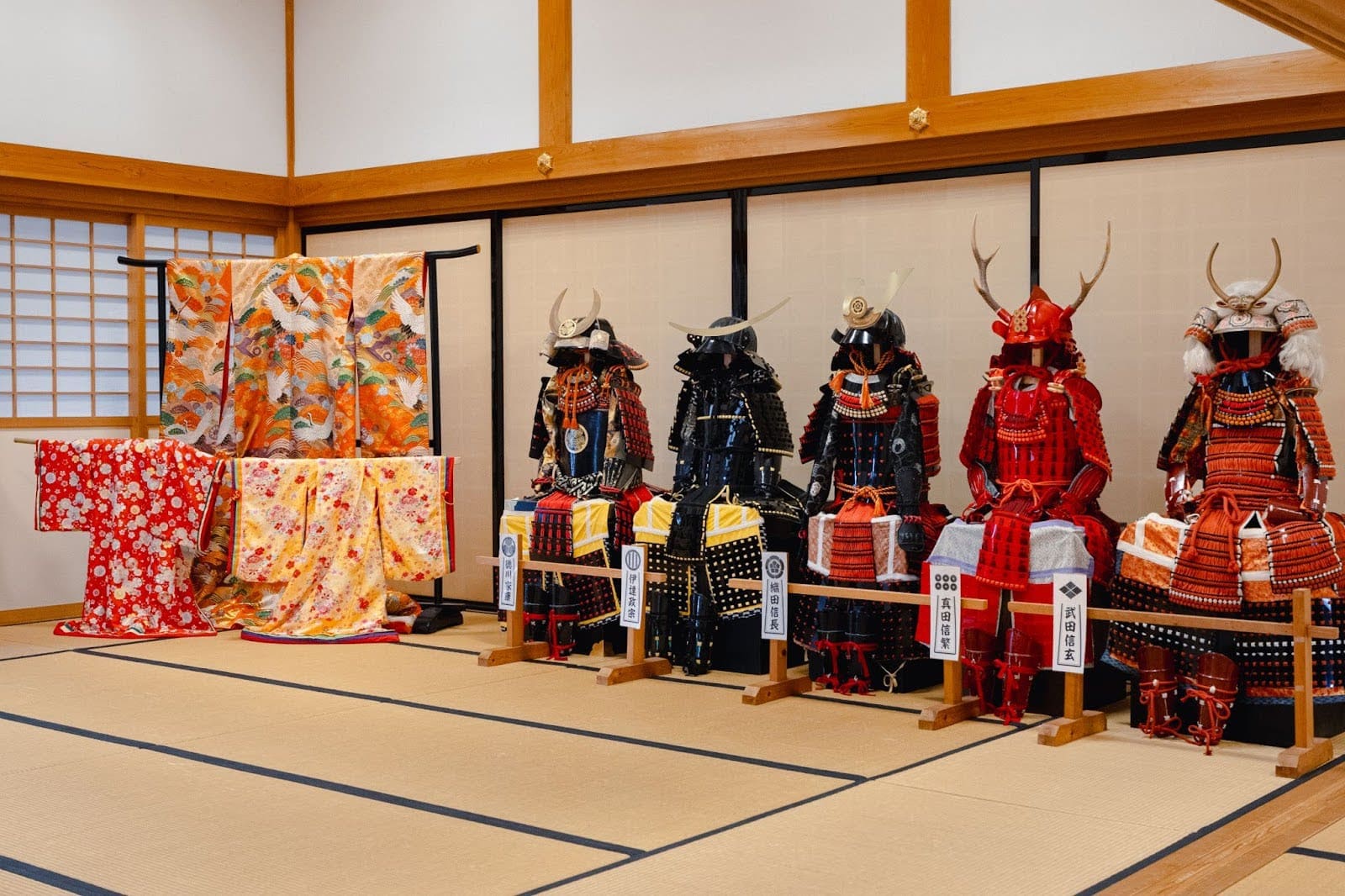
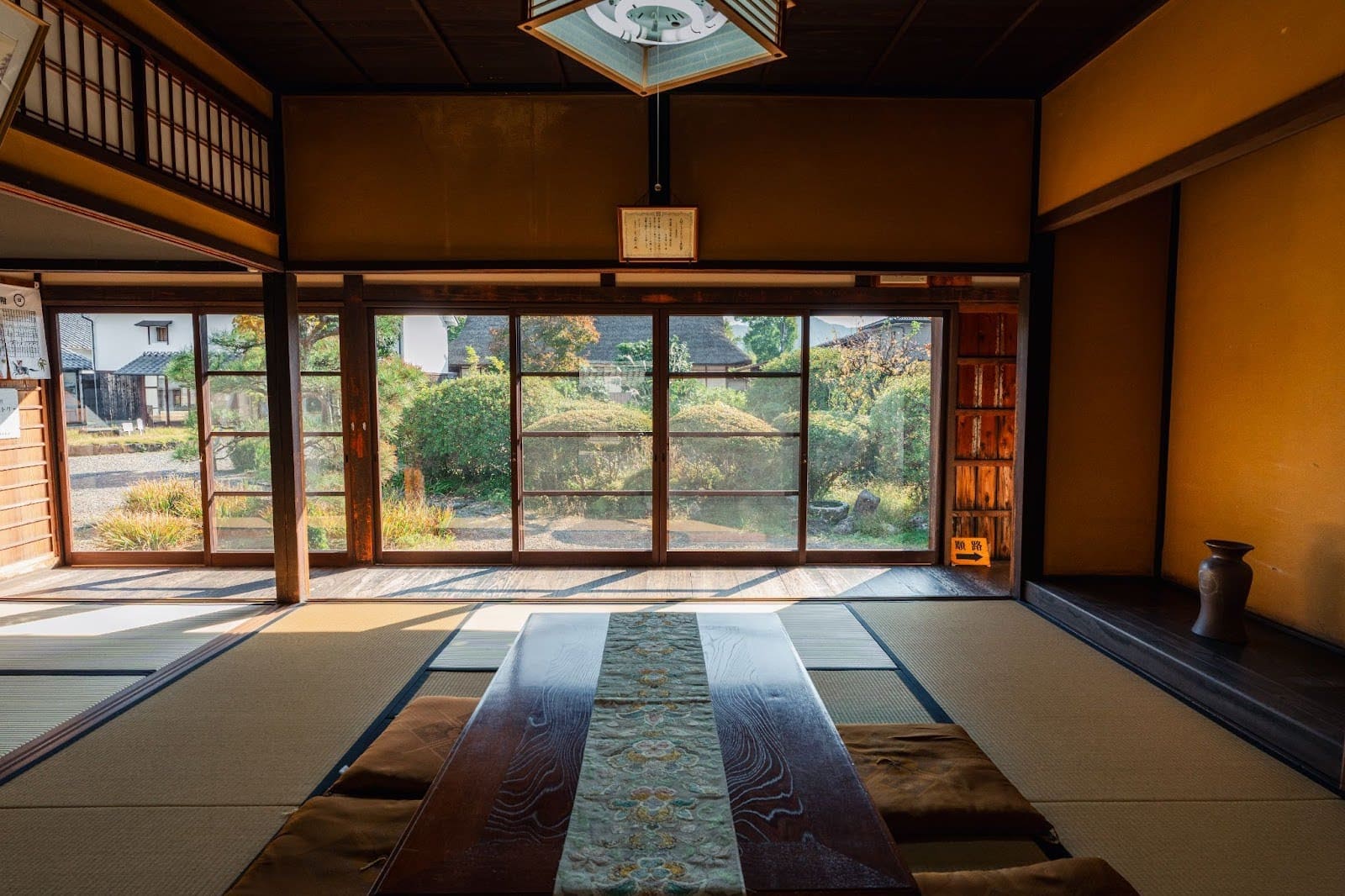
The Onshoin Palace, reconstructed in 2000, welcomes visitors to explore its large tatami rooms displaying kimono and samurai armor.
Below the castle on the western slope stretches the former samurai residence district, once occupied by the lord’s vassals.
Today it is a mostly residential area, characterized by quiet lanes lined with wooden gates opening onto gravel courtyards.
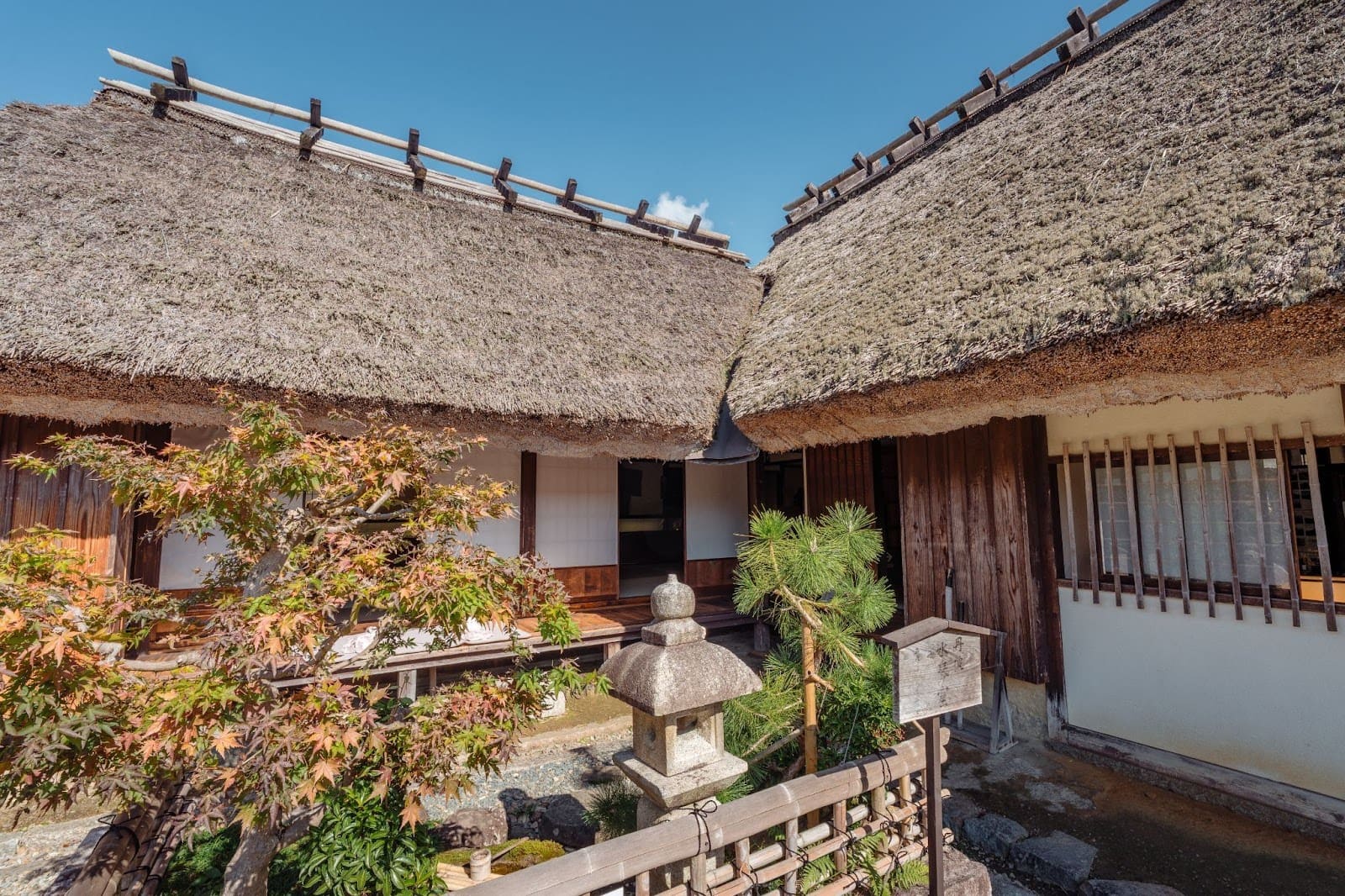
Some residences can be visited, including the Anma Residence, offering a rare glimpse into the life of a low‑ranking samurai in the 19th century.
The Anma family, who served the Aoyama clan, earned a modest income reflected in the architecture of their home.
Most notably, the main roof is made of thick thatch—a kayabuki style unusual in urban settings—indicating the residents’ humble status.
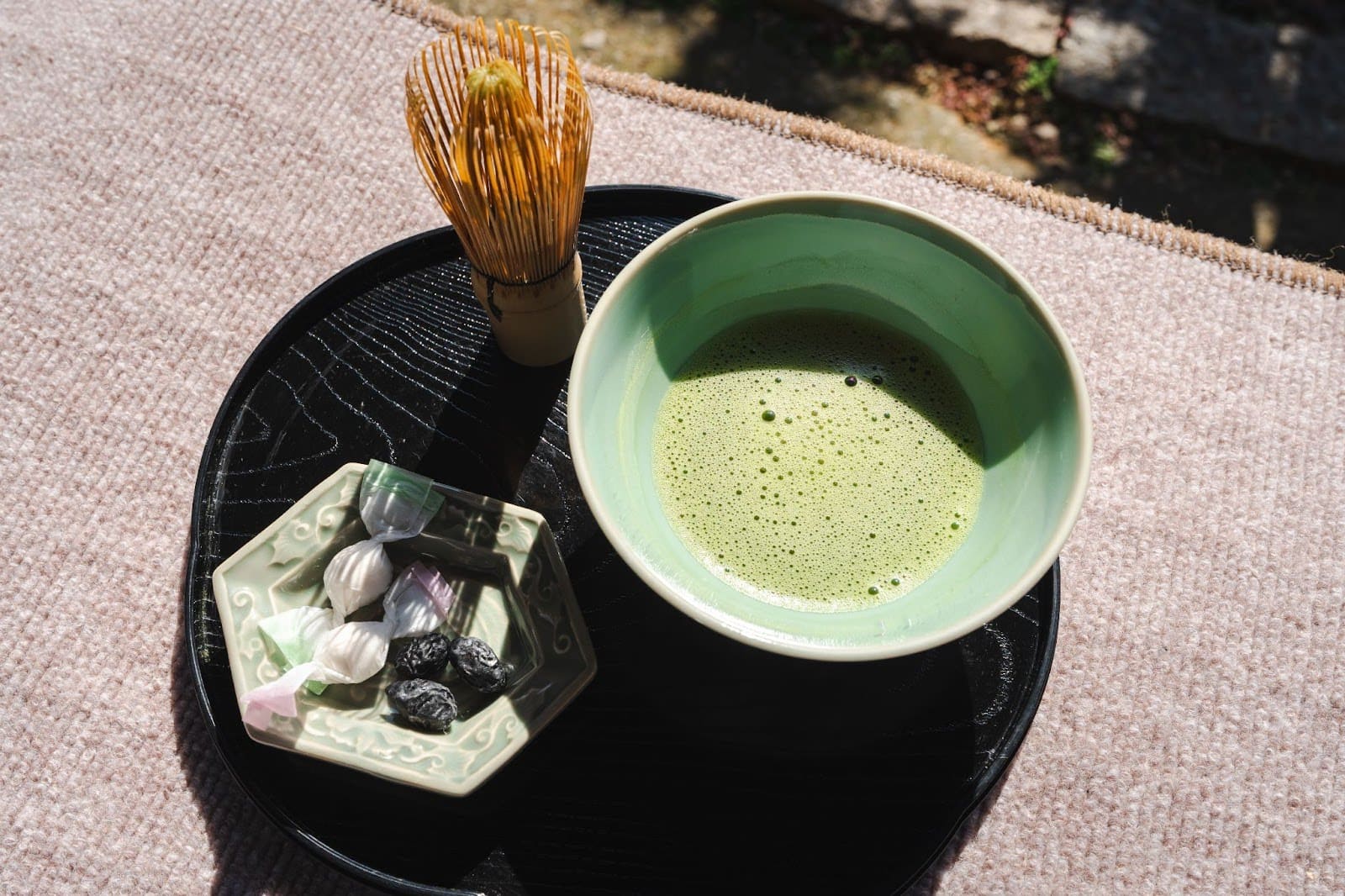
Nearby stands Aoyama Rekishi Mura, a museum complex dedicated to the history of the Aoyama clan, which governed Sasayama during the latter half of the Edo period.
The site centers around a former secondary residence of the ruling family, built shortly after the Meiji Restoration.
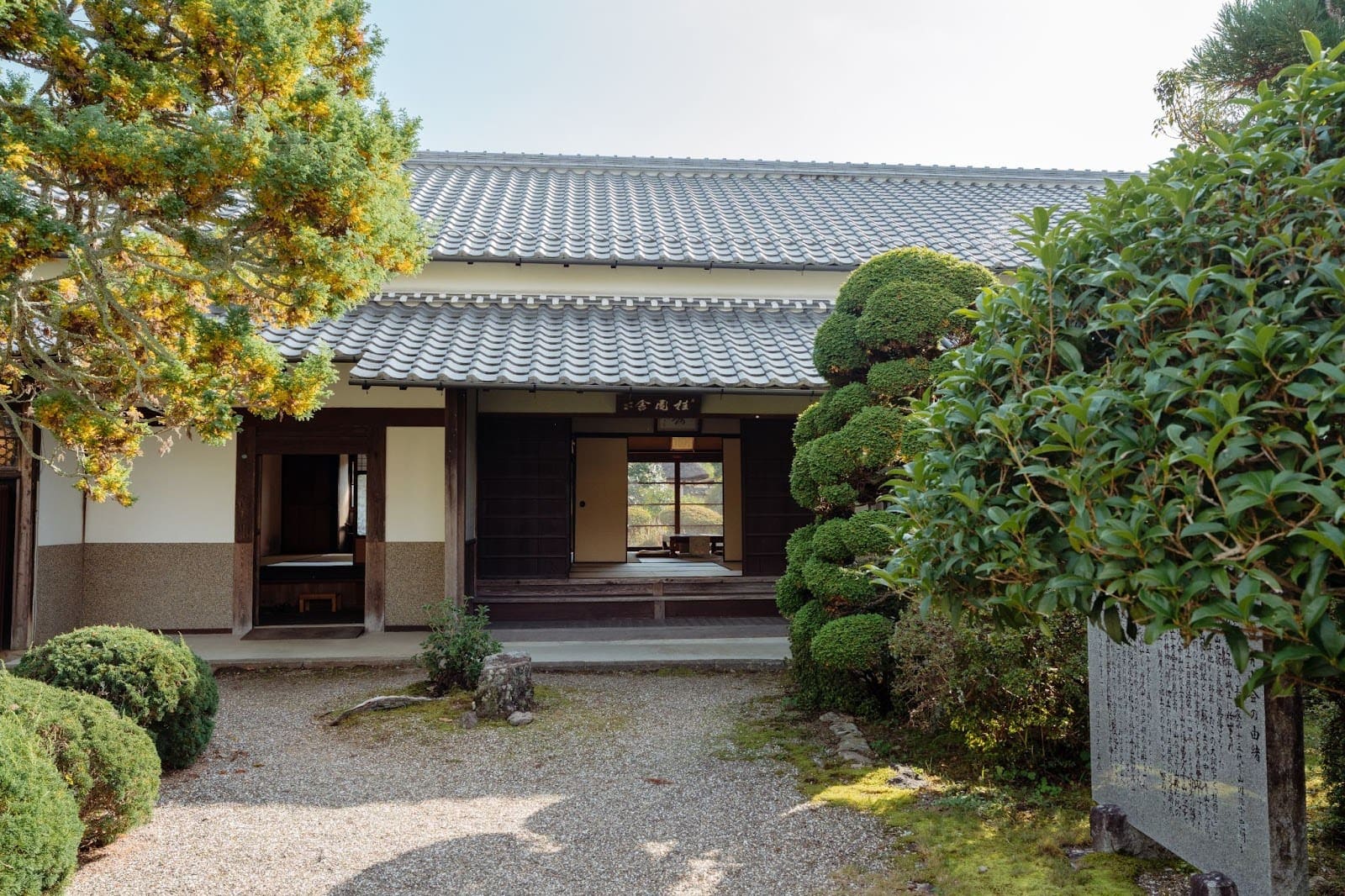
This single‑story pavilion, surrounded by broad verandas, contains spacious tatami rooms that reflect the aristocratic lifestyle maintained by the local elite even after the fall of the shogunate.
Dinner at Maekawa
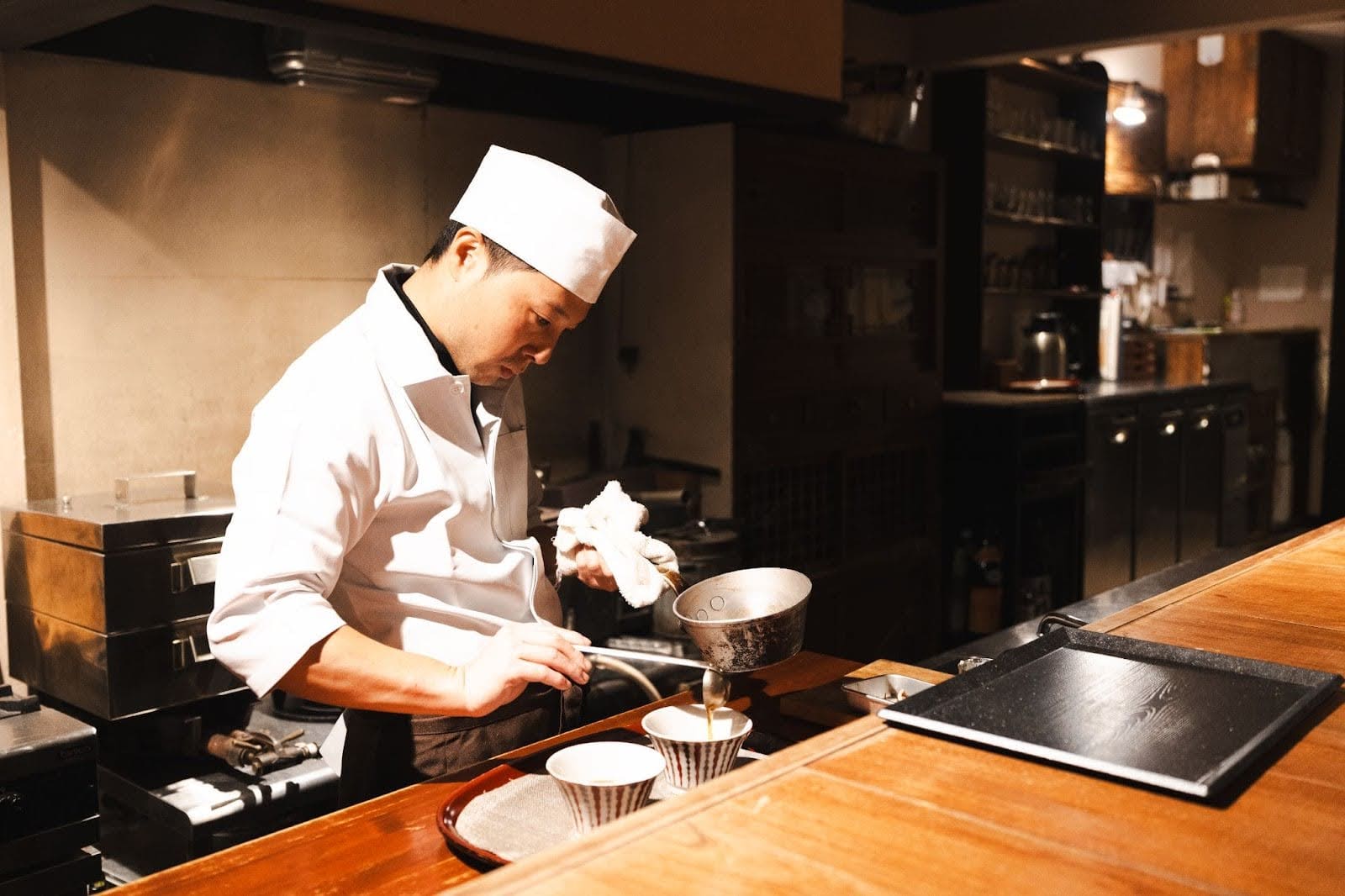
A visit to Tambasasayama is incomplete without enjoying its cuisine, and Restaurant Maekawa is a superb gastronomic destination.
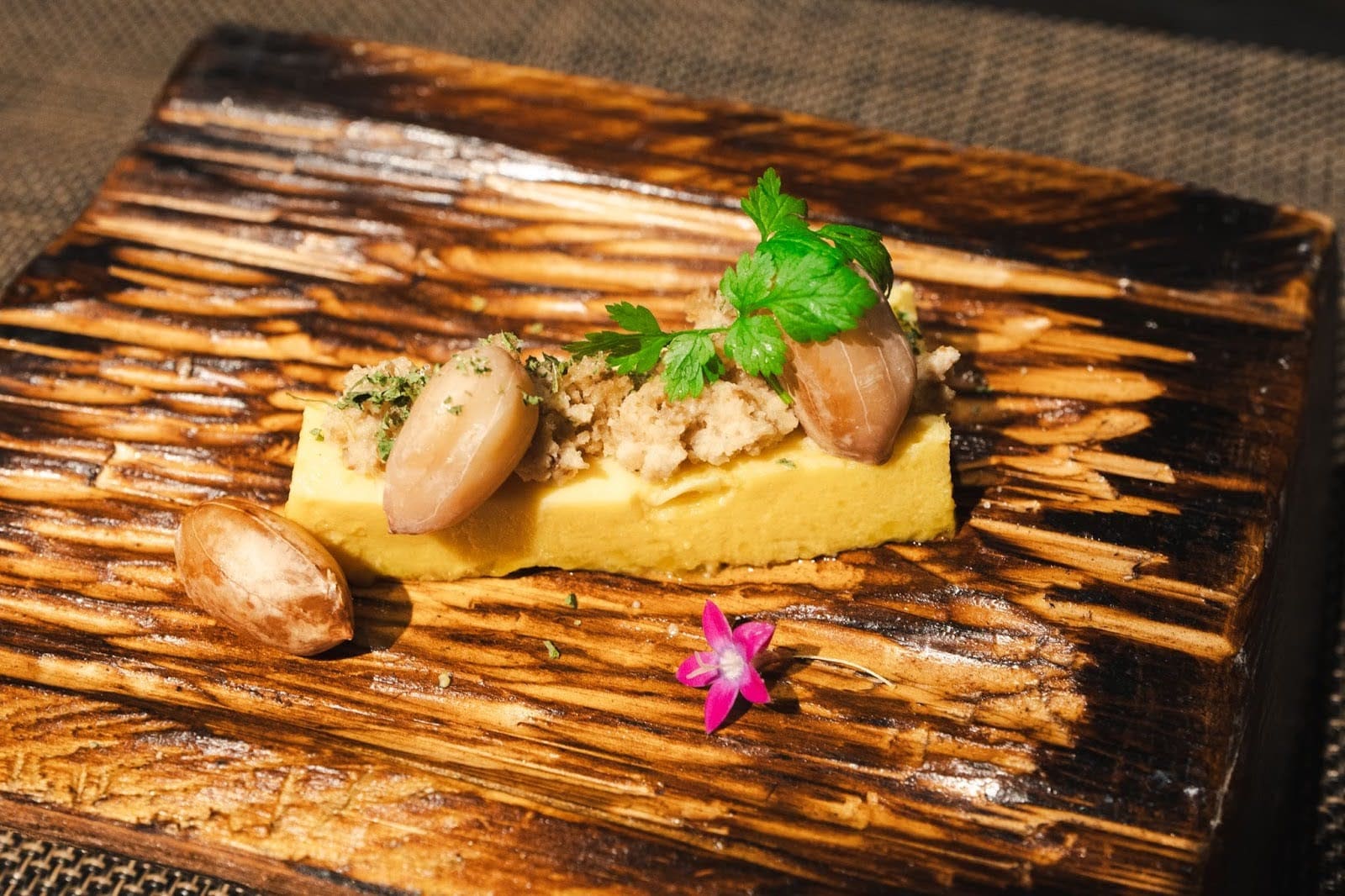
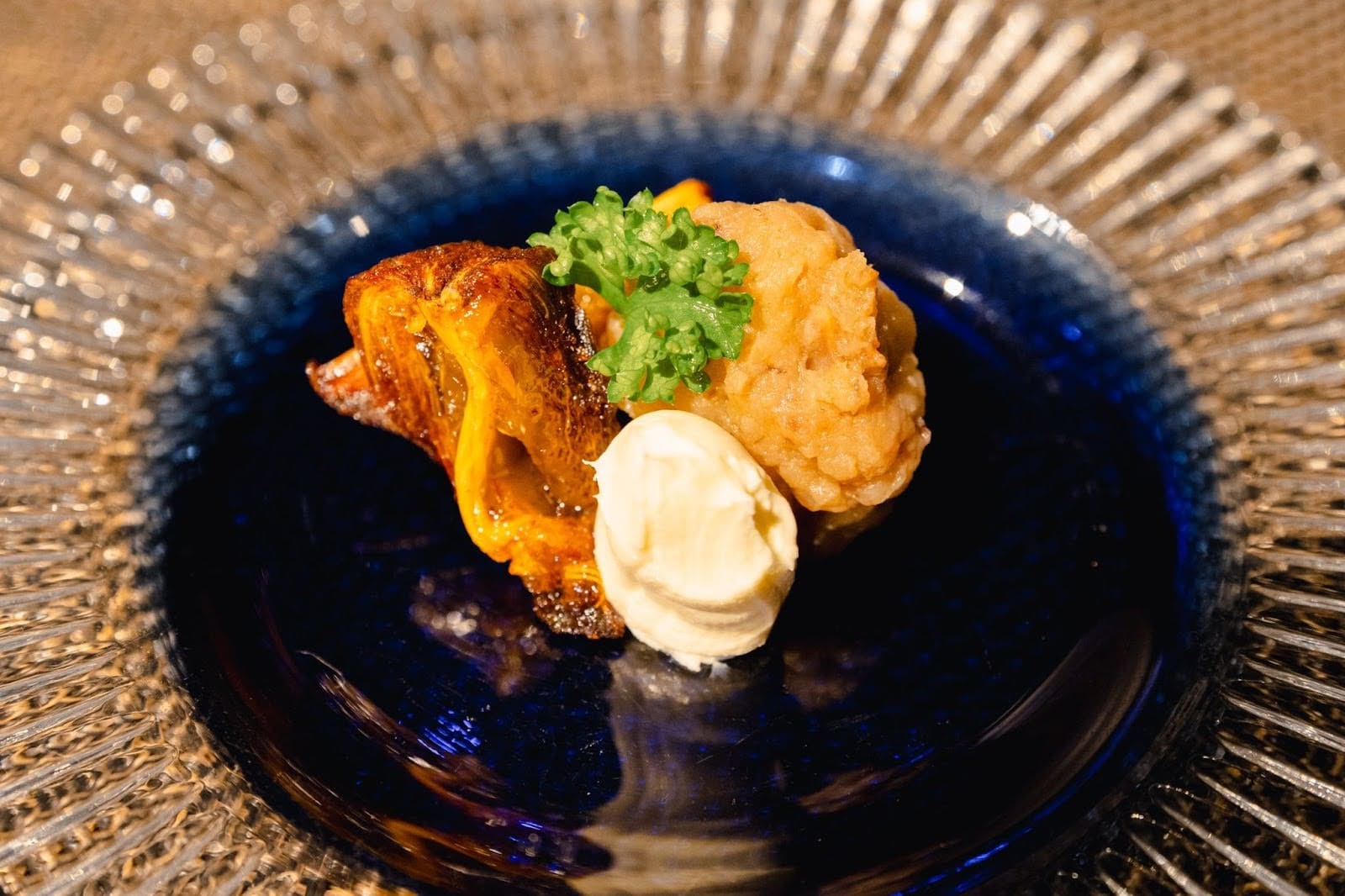
Chef Tomoaki Maekawa creates refined, flavorful dishes using primarily regional ingredients, including kuromame (black soybeans), Tambasasayama beef, game meat, and chestnuts.
Everything is truly delightful!
Conclusion
Tambasasayama is one of those unjustly overlooked destinations, offering a magnificent journey for the five senses just an hour from Osaka and Kobe.
It is a place best enjoyed slowly and through encounters with the locals—and in the second part of this article, I will introduce a wonderful spot for exactly that.




 For Travel Agents